
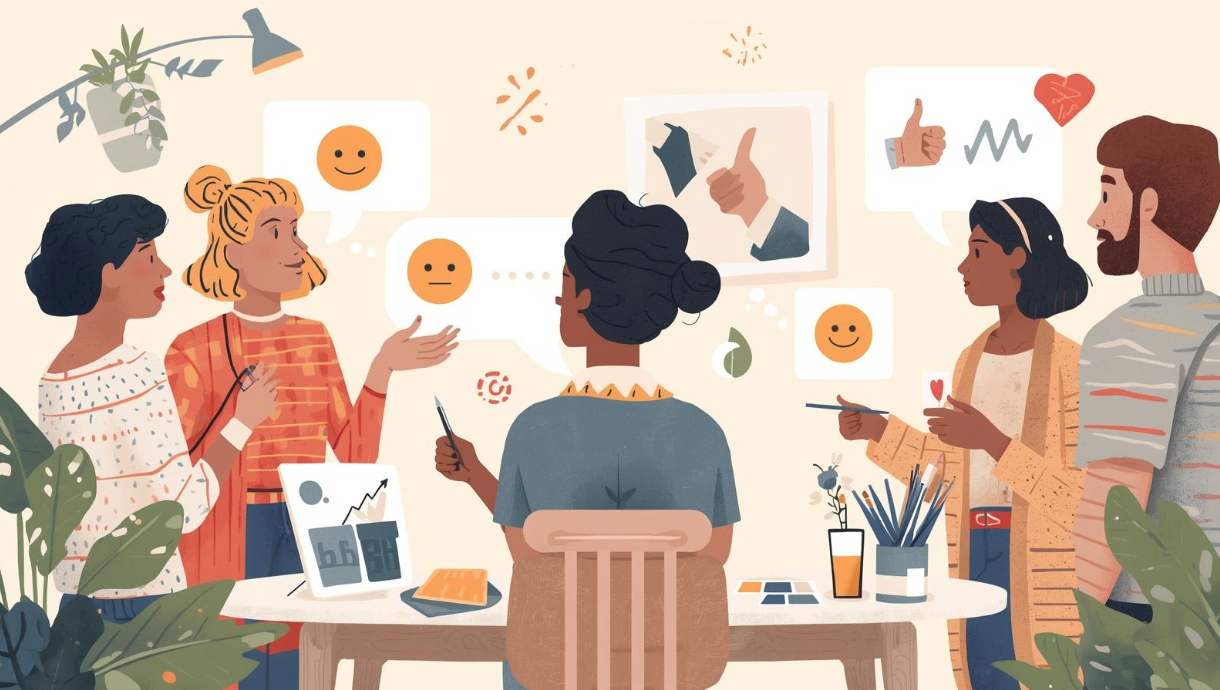

Art can feel like standing under a spotlight with no script. Some days, you shine. On others, self-doubt takes the stage. If you have ever questioned your creative ability, you are far from alone. Confidence is often the missing ingredient, not skill.
That is where positive reinforcement for artists makes a real difference. When encouragement replaces constant self-criticism, creativity begins to feel safer. Over time, confidence grows naturally, and art becomes something you look forward to again.
What Positive Reinforcement Means in Creative Practice
Positive reinforcement in art focuses on strengthening creative habits through encouragement rather than pressure. Instead of judging results harshly, effort and progress are acknowledged.
Psychologically, this matters. When the brain links art-making with positive feedback, motivation increases. As a result, artists show up more consistently.
According to behavioral psychology principles outlined by the American Psychological Association, reinforced behaviors are more likely to repeat. Creativity is no exception.
Learn more about reinforcement theory at https://www.apa.org.
Why Confidence Shapes Artistic Growth
Skill improves with practice. However, practice only happens when confidence allows it. Many talented artists stop creating because doubt overwhelms enjoyment.
Encouragement changes that dynamic. When artists feel supported, experimentation feels safer. Mistakes lose their power. Progress becomes visible.
This same idea appears in creative confidence research discussed by Harvard Business Review, which emphasizes psychological safety as a driver of innovation.
Read more at https://hbr.org.
Shifting From Harsh Self-Talk to Supportive Language
Most artists carry an internal critic that never clocks out. While feedback is important, constant negativity blocks growth.
Supportive language reframes the experience. Instead of “I’m bad at this,” try “I’m learning this.” The meaning shifts, even though the goal stays intact.
Over time, encouragement rewires thought patterns. Confidence strengthens because effort is no longer dismissed.
Celebrating Small Creative Wins
Big breakthroughs are rare. Small wins happen daily. Unfortunately, they are often ignored.
Positive reinforcement for artists thrives on noticing progress. Finishing a sketch counts. Practicing for ten minutes counts. Trying something new always counts.
Momentum builds when progress is recognized. Confidence grows brick by brick.
Using Feedback as Motivation Instead of Judgment
Feedback can either inspire growth or shut it down. The difference lies in tone and intention.
Supportive feedback highlights strengths first. Weaknesses are addressed as opportunities, not failures. This keeps confidence intact while encouraging improvement.
Artists stay open when feedback feels safe. Learning accelerates because defensiveness fades.
Creating a Personal Reinforcement Routine
Confidence grows faster when encouragement becomes routine. This does not require anything complex.
Some artists track progress in journals. Others reward consistency with breaks or creative treats. These habits reinforce the value of showing up.
If you want structured guidance, resources like creative habit-building techniques discussed in our article on building sustainable creative routines can help.
Internal reference example: /creative-routines-for-artists
How Community Encouragement Strengthens Creativity
Art does not have to be lonely. Supportive communities amplify encouragement.
Sharing work in constructive spaces builds resilience. Even simple acknowledgment validates effort. Over time, confidence grows through connection.
However, environments matter. Choose spaces that nurture growth rather than comparison.
Building Confidence in Young Artists Through Encouragement
Children are especially sensitive to feedback. When effort is praised instead of results, creativity flourishes.
Encouragement teaches young artists that mistakes are part of learning. Confidence grows early and often lasts a lifetime.
This approach benefits more than art. Problem-solving skills improve. Self-expression feels safe.
Breaking Creative Blocks With Positive Feedback
Creative blocks often stem from fear. Fear of failure freezes action.
Encouragement eases that pressure. Even unfinished work is recognized as progress. As a result, blocks lose their grip.
Confidence returns when effort matters more than perfection.
Focusing on Process Instead of Perfection
Perfectionism drains creativity. Supportive reinforcement shifts attention back to the process.
Exploration becomes the goal. Growth replaces fear. Confidence strengthens because creativity feels playful again.
Using Visual Proof of Progress
Visual reminders reinforce confidence. Before-and-after sketches or saved drafts show real improvement.
These cues counter negative thoughts during low moments. Progress becomes undeniable.
Alt text: positive reinforcement for artists through visible creative progress
Balancing Discipline With Compassion
Consistency requires discipline. Sustainability requires compassion.
Missed days are treated with understanding. Effort is still acknowledged. This balance prevents burnout.
Confidence remains steady because self-worth is not tied only to output.
The Long-Term Impact of Encouragement in Art
Confidence built through encouragement lasts. It adapts to criticism and setbacks.
Artists become resilient. Creativity becomes a trusted space rather than a test.
Over time, art turns into a source of fulfillment, not fear.
Conclusion
Positive reinforcement for artists is not about lowering standards. It is about building confidence that supports growth. When effort is valued, creativity becomes consistent. Confidence strengthens naturally. Art finally feels like a place where you belong.
FAQ
1. How does positive reinforcement help artists improve?
It increases motivation and consistency, which leads to steady skill development.
2. Is encouragement better than criticism in art?
Encouragement paired with constructive feedback is more effective than criticism alone.
3. Can reinforcement reduce creative anxiety?
Yes. Supportive feedback lowers fear and increases confidence over time.
4. Does this approach work for professional artists?
Absolutely. Professionals also benefit from confidence-based creative habits.
5. How long does it take to see results?
Many artists notice improved motivation within weeks of consistent reinforcement.