
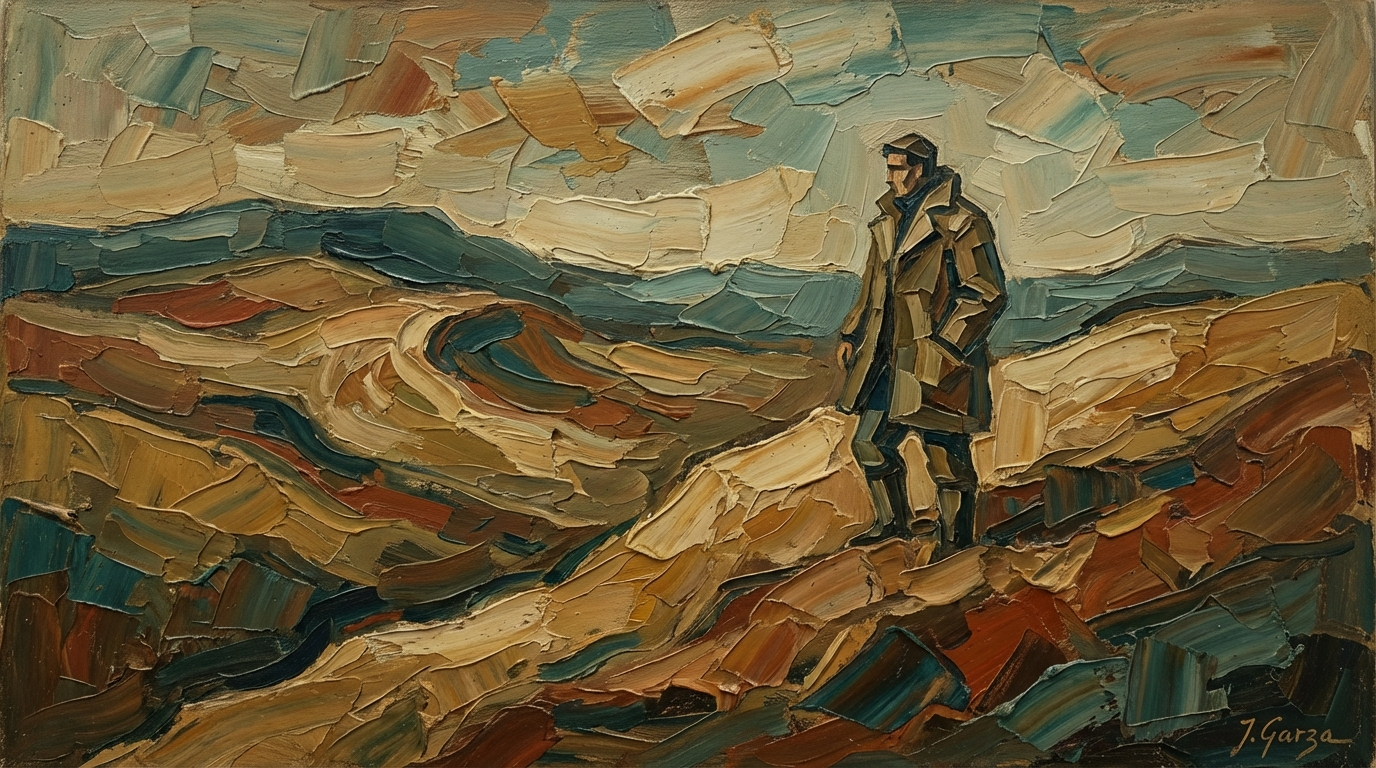

Learning how to develop a painting style that reflects your artistic strengths can transform your creative journey. Instead of copying trends, you build a visual voice that feels natural and confident. As a result, your work becomes more consistent, recognizable, and fulfilling.
Every artist has unique abilities. Some excel at color harmony, while others shine in storytelling or technical realism. Therefore, the key is aligning those strengths with a clear artistic direction. When you intentionally develop a painting style around what you do best, progress accelerates and frustration decreases.
Understand Your Natural Artistic Strengths
Before you define your visual identity, you must assess your strengths honestly. Self-awareness builds the foundation for growth.
Start by reviewing your recent work. Look for patterns in subject matter, brushwork, and color choices. Do you gravitate toward bold contrasts? Are your compositions minimal or complex? These clues reveal natural tendencies.
Additionally, ask for constructive feedback. Outside perspectives often highlight strengths you overlook. For instance, others may notice your exceptional use of light or your expressive textures. That insight helps shape direction.
However, avoid focusing only on technical skill. Emotional strengths matter too. Perhaps you capture mood beautifully. Maybe your work tells compelling stories. Those qualities are powerful building blocks for a distinct artistic voice.
When you identify these patterns, you gain clarity. Clarity, in turn, makes it easier to develop a painting style that feels authentic rather than forced.
Choose Techniques That Support Your Abilities
Technique should amplify strengths, not fight against them. Therefore, choose methods that feel intuitive.
If you naturally create smooth blends, explore realism or soft impressionism. On the other hand, if you enjoy expressive strokes, consider abstract or expressionist approaches. Matching technique to comfort zone increases confidence.
Medium selection also matters. Oils allow rich blending and depth. Acrylics offer speed and bold color layering. Watercolor encourages fluid movement and transparency. By experimenting thoughtfully, you discover which materials support your strengths best.
Moreover, practice deliberately. Repetition builds consistency. Consistency, in turn, strengthens stylistic identity. When brushwork becomes predictable and confident, viewers begin to recognize your signature approach.
Above all, refine rather than imitate. Studying masters is helpful. However, direct copying delays originality. Instead, analyze what attracts you and reinterpret it through your own strengths.
Define the Subjects That Inspire You
Subject matter influences identity as much as technique. Therefore, choose themes aligned with your interests and abilities.
Some artists thrive in portraiture because they understand emotion. Others excel at landscapes due to strong compositional skills. Still others prefer abstract exploration because they feel connected to color and movement.
Pay attention to energy levels. Which topics excite you enough to paint repeatedly? Sustainable inspiration supports long-term growth. As a result, style evolves naturally instead of feeling repetitive.
Additionally, consider your observational skills. If you notice subtle light shifts, realism may suit you. If you think conceptually, symbolic or narrative work might fit better.
When subject and strength align, you naturally develop a painting style that feels cohesive and intentional.
Build Consistency Through Repetition
Consistency separates experimentation from style. Therefore, once you identify promising directions, commit to focused repetition.
Create a small series around one theme. Use similar palettes. Maintain related compositions. Through repetition, patterns emerge. These patterns form recognizable traits.
At first, you may worry about becoming predictable. However, consistency builds mastery. Mastery builds confidence. Over time, subtle variations add sophistication without losing identity.
Document your progress. Photograph completed works and analyze similarities. Notice recurring shapes, lighting choices, or textures. These repeating elements define your signature.
Furthermore, refine weak areas strategically. Improvement strengthens style rather than diluting it. When skills increase, your artistic voice becomes clearer and more controlled.
Experiment Without Losing Direction
Exploration remains important. However, experimentation should support growth instead of causing confusion.
Try new techniques in controlled ways. For example, adjust color palettes while keeping subject matter constant. Or explore new textures while maintaining familiar compositions. Structured exploration prevents stylistic chaos.
In addition, schedule creative tests separately from major projects. This balance allows freedom without disrupting progress.
Remember, evolution happens gradually. Even as you develop a painting style, it will continue to mature. That growth feels natural when rooted in strengths.
Avoid comparing timelines. Every artist progresses differently. Focus instead on clarity, confidence, and coherence.
Create a Visual Framework
A strong visual framework anchors identity. This includes preferred colors, brush techniques, composition rules, and thematic focus.
Start by narrowing your palette. Limited color choices often create stronger recognition. For example, many artists become known for distinct tonal moods.
Next, establish compositional habits. Do you favor strong diagonals? Central focal points? Negative space? Clear preferences strengthen consistency.
Texture also plays a role. Thick impasto creates drama. Smooth blending evokes calm. Repeated use of certain textures enhances recognizability.
When these elements align, you steadily develop a painting style that feels intentional and refined.
Study Influences Strategically
Influence shapes growth, yet imitation blocks originality. Therefore, study admired artists carefully.
Analyze why their work resonates with you. Is it color? Emotional depth? Bold structure? Break down components rather than copying surfaces.
Then reinterpret those qualities through your own strengths. For instance, if you admire vibrant palettes but excel at subtle blending, merge both thoughtfully.
Furthermore, diversify influences. Exposure to different movements broadens perspective. However, filter inspiration carefully to maintain cohesion.
Strategic study accelerates learning while protecting authenticity.
Align Personality With Style
Artistic identity reflects personality. Therefore, self-understanding enhances creative direction.
If you are analytical, structured compositions may suit you. If you are spontaneous, expressive techniques might feel more natural. Personality-driven choices often produce stronger results.
Emotional tone matters as well. Consider whether your work feels calm, dramatic, playful, or introspective. Consistent emotional themes strengthen identity.
When personality, strengths, and technique align, you naturally develop a painting style that stands apart.
Overcome Common Style Blocks
Many artists struggle with doubt. However, uncertainty often signals growth.
Fear of being unoriginal can stall progress. Yet originality emerges through consistent refinement, not sudden invention.
Perfectionism also slows development. Instead of waiting for flawless results, focus on gradual improvement. Small adjustments accumulate over time.
Additionally, avoid switching directions too frequently. While exploration is valuable, constant change prevents cohesion. Commit long enough to see patterns form.
Above all, trust the process. When you consistently build on strengths, clarity follows.
Strengthen Recognition and Artistic Confidence
Recognition grows from repetition and clarity. Therefore, showcase cohesive collections rather than random pieces.
Curate portfolios thoughtfully. Display works that highlight consistent traits. This presentation reinforces identity.
Moreover, articulate your vision clearly. When discussing your work, explain themes and techniques confidently. Clarity builds professional credibility.
Over time, viewers begin associating specific qualities with your name. That recognition confirms you successfully develop a painting style rooted in strength.
Confidence also increases creative freedom. Once identity feels stable, you can experiment without losing coherence.
Evolve While Staying Authentic
Style should grow, not stagnate. However, evolution must remain aligned with core strengths.
Revisit your work annually. Identify improvements and emerging patterns. Adjust direction thoughtfully rather than abruptly.
Stay curious about new techniques. Yet filter them through your established framework. This balance preserves authenticity.
Importantly, allow your interests to mature. As life experiences change, artistic focus may shift. Adapt gradually to maintain cohesion.
When grounded in strengths, evolution feels organic. Consequently, your creative voice deepens instead of fragmenting.
Conclusion: Build a Style That Reflects Who You Are
To develop a painting style that truly reflects your strengths, you must combine awareness, consistency, and experimentation. Begin by identifying what you naturally do well. Then align technique, subject, and personality with those strengths.
Over time, patterns will emerge. Through repetition and refinement, your artistic voice becomes clear. While growth continues, authenticity remains central.
Ultimately, when you develop a painting style rooted in confidence and clarity, your work gains power and recognition. Instead of chasing trends, you create art that feels uniquely yours. That is the foundation of lasting artistic success.
FAQ
- How long does it take to establish a recognizable artistic voice?
Development varies by individual. However, consistent practice over months or years gradually shapes a cohesive visual identity. - Should I experiment with many mediums before choosing one?
Exploration helps early on. Eventually, narrowing your focus strengthens consistency and supports clearer artistic direction. - Can my creative direction change over time?
Yes. Growth naturally influences your approach. The key is evolving gradually while maintaining core strengths. - How do I avoid copying other artists?
Study techniques and concepts rather than surface details. Then reinterpret ideas through your own abilities and perspective. - What if I feel stuck creatively?
Take a short break, revisit past work, and identify strengths. Often, reconnecting with what you do best restores clarity and motivation.