
Every artist wants their work to feel unique and recognizable. However, many beginners believe they need expensive supplies or formal training to develop painting style successfully. In reality, creativity grows through practice, exploration, and consistency.
Budget limitations often encourage greater creativity. When artists work with simple tools, they learn to experiment and adapt. As a result, they discover techniques that shape their artistic identity.
Anyone can develop painting style with thoughtful practice and curiosity. Whether you paint with basic acrylics, watercolor sets, or inexpensive brushes, the key lies in experimentation and observation.
This guide explains practical ways to grow your artistic voice without spending large amounts of money.
Understand What Creates an Artistic Style
A painting style is more than just technique. Instead, it reflects how an artist interprets shapes, color, texture, and emotion.
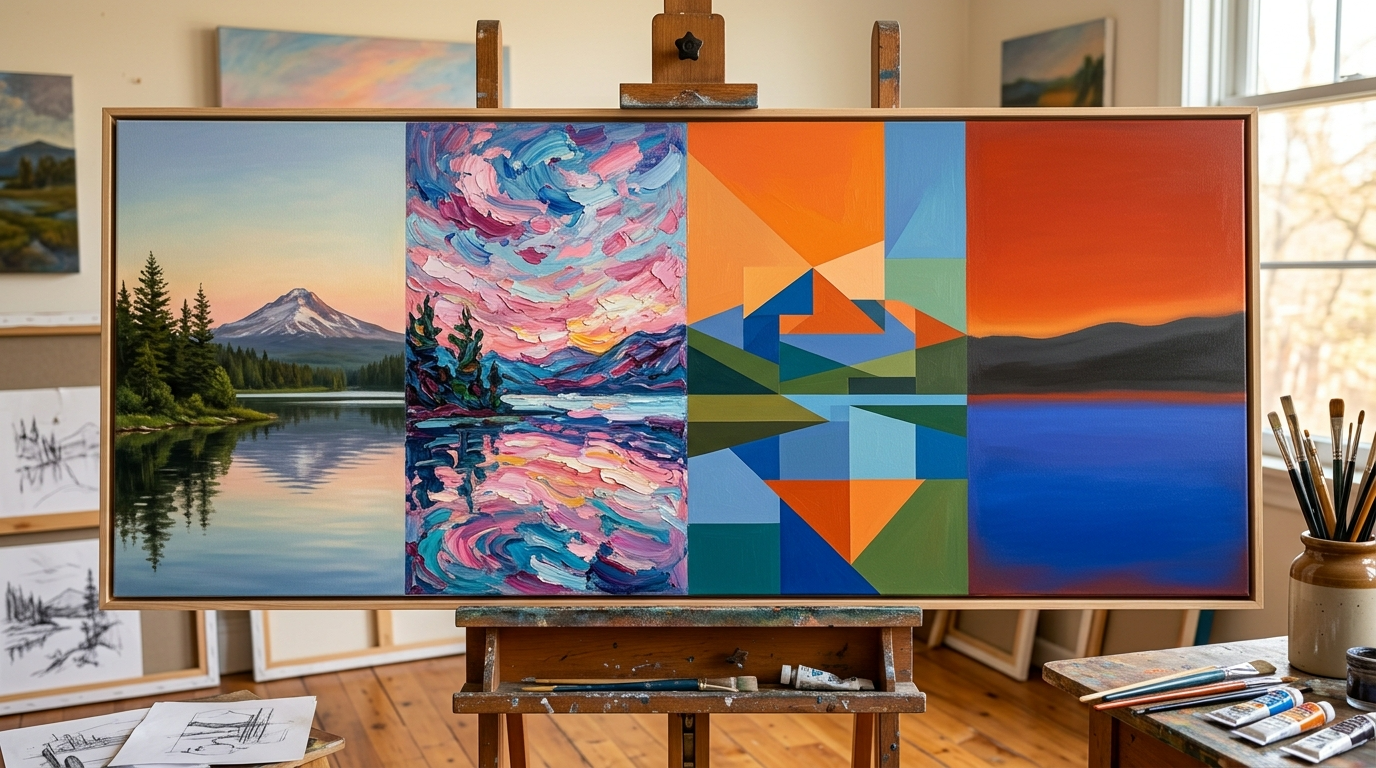
Many elements combine to shape a recognizable artistic approach. These elements gradually evolve as artists practice and experiment.
Color preferences
Some artists naturally gravitate toward bold colors. Others prefer muted palettes or soft tones.
Color choices often become a defining part of artistic identity.
Brushwork and texture
Certain painters use thick textures and expressive strokes. Others create smooth surfaces with careful blending.
Both approaches influence how viewers recognize an artist’s work.
Subject choices
Some artists love landscapes. Others focus on portraits, abstract designs, or nature studies.
Subject matter plays a strong role when artists develop painting style over time.
Understanding these factors helps artists recognize the direction their work naturally takes.
Start with Affordable Painting Supplies
Many beginners assume that professional supplies are necessary for improvement. However, high-quality results often come from practice rather than expensive materials.
Use student-grade paints
Student paints cost much less than professional brands. Although pigments may be slightly weaker, they still allow artists to explore color mixing and technique.
These paints work perfectly while learning.
Buy versatile brush sets
A small set of round, flat, and detail brushes covers most painting needs. There is no need for dozens of brushes at the beginning.
As artists develop painting style, they gradually discover which brushes they prefer.
Use inexpensive surfaces
Canvas panels, watercolor paper, and sketchbooks offer affordable practice surfaces. Some artists even paint on cardboard or recycled materials.
Affordable supplies remove pressure and encourage experimentation.
Study Artists Who Inspire You
Learning from other artists is one of the fastest ways to grow creatively.
However, copying artwork directly should only serve as practice. The goal is to observe techniques and understand artistic choices.
Analyze their techniques
Look closely at how artists apply paint, mix colors, and design compositions.
Notice patterns in their work.
Explore different art styles
Study impressionism, realism, abstract art, and modern illustration. Exposure to many styles expands creative possibilities.
As artists absorb these influences, they slowly develop painting style that reflects their own interpretation.
Over time, inspiration transforms into originality.
Practice Consistently with Simple Exercises
Consistency is more important than expensive materials.
Even short daily practice sessions can significantly improve artistic skills.
Color mixing exercises
Practice mixing primary colors to create secondary and neutral tones. This exercise strengthens color understanding.
Brush stroke practice
Experiment with different strokes such as dabbing, dragging, or blending.
These experiments help artists develop painting style through unique mark-making techniques.
Mini painting studies
Create small paintings instead of large complex works. Smaller pieces allow faster experimentation.
Frequent practice builds confidence and skill simultaneously.
Experiment with Creative Constraints
Surprisingly, limitations often spark creativity.
Artists working within restrictions must find inventive solutions.
Limit your color palette
Try painting with only three colors. This approach forces careful color mixing and composition decisions.
Use one brush
Completing a painting with a single brush encourages creative strokes and techniques.
Paint within time limits
Short painting sessions push artists to simplify shapes and focus on essential details.
These challenges encourage experimentation. As artists try new techniques, they naturally develop painting style that reflects their creative choices.
Create a Personal Visual Journal
Keeping a visual journal helps track artistic growth over time.
Sketchbooks allow artists to experiment freely without worrying about perfection.
Record ideas and color palettes
Artists can document new color combinations, textures, and composition ideas.
Sketch daily inspirations
Quick sketches help train observation skills.
Review progress regularly
Looking back through older sketches reveals patterns in technique and subject matter.
These patterns often reveal how artists slowly develop painting style through repeated exploration.
Over time, the journal becomes a map of artistic evolution.
Learn Basic Composition Principles
Even simple paintings benefit from thoughtful composition.
Understanding a few basic principles improves visual balance and storytelling.
Rule of thirds
Divide your canvas into nine equal sections. Placing focal points along these lines creates dynamic compositions.
Balance and contrast
Contrast between light and dark areas draws attention to important elements.
Leading lines
Lines within the painting guide the viewer’s eye through the artwork.
Applying these principles helps artists develop painting style while strengthening visual structure.
Better composition often makes paintings appear more professional.
Embrace Imperfections While Learning
Many artists struggle with perfectionism. However, mistakes are essential for growth.
Paint drips, unexpected textures, and unusual color mixes often lead to creative discoveries.
Instead of discarding imperfect paintings, study what happened during the process.
Unexpected outcomes sometimes reveal new techniques. As artists adapt and experiment, they gradually develop painting style that feels authentic.
Artistic growth rarely follows a straight path.
Use Online Resources and Free Tutorials
The internet provides endless learning opportunities for artists on a budget.
Many professional artists share techniques through free videos, blogs, and tutorials.
Watch technique demonstrations
Online demonstrations help beginners understand brushwork and layering methods.
Join art communities
Online groups allow artists to share progress and receive feedback.
Follow creative challenges
Monthly art challenges encourage consistent practice and experimentation.
Using free resources helps artists develop painting style while staying motivated and inspired.
Discover Your Preferred Subjects
Subject matter often shapes an artist’s identity.
Some painters prefer quiet landscapes. Others enjoy painting urban scenes or abstract compositions.
Experimenting with different subjects helps reveal personal interests.
For example, painting flowers might inspire expressive brushwork. Meanwhile, portrait painting may encourage careful shading.
As artists explore these subjects, they naturally develop painting style that reflects their interests and emotional perspective.
Personal preference becomes a powerful guide.
Build Confidence Through Small Projects
Large paintings can feel overwhelming, especially for beginners.
Small projects allow artists to complete work quickly and gain confidence.
Postcard-sized paintings
Tiny artworks encourage experimentation without pressure.
Mini series
Create several paintings using the same subject or color palette.
Theme challenges
Choose simple themes such as sunsets, trees, or abstract shapes.
Completing small projects frequently helps artists develop painting style while improving technique.
Each finished piece builds experience and motivation.
Conclusion
Developing a unique artistic voice does not require expensive materials or formal training. Instead, growth happens through curiosity, experimentation, and consistent practice.
Affordable supplies provide everything needed to explore color, brushwork, and composition. Meanwhile, studying inspiring artists expands creative understanding.
By practicing regularly and embracing mistakes, painters discover techniques that feel natural and expressive.
Over time, patterns emerge in color choices, subjects, and brushwork. These patterns gradually form a recognizable artistic identity.
Anyone willing to explore, experiment, and practice can develop painting style regardless of budget. Creativity grows through dedication, not expensive tools.
FAQ
1. How long does it take to find your artistic style?
Artistic identity develops gradually. Many artists begin noticing consistent patterns in their work after months or years of regular practice.
2. Do beginners need expensive paint supplies to improve?
No. Many artists learn essential skills using affordable materials. Skill development matters far more than brand-name supplies.
3. What is the best way to experiment with painting techniques?
Try small practice pieces, limited color palettes, and different brush strokes. These exercises reveal new approaches quickly.
4. Should artists copy other painters while learning?
Studying other artists helps build understanding. However, copying should only be practice. Eventually, personal interpretation should guide artwork.
5. Can a painting style change over time?
Yes. Artistic style often evolves as artists gain experience, discover new influences, and experiment with techniques.