
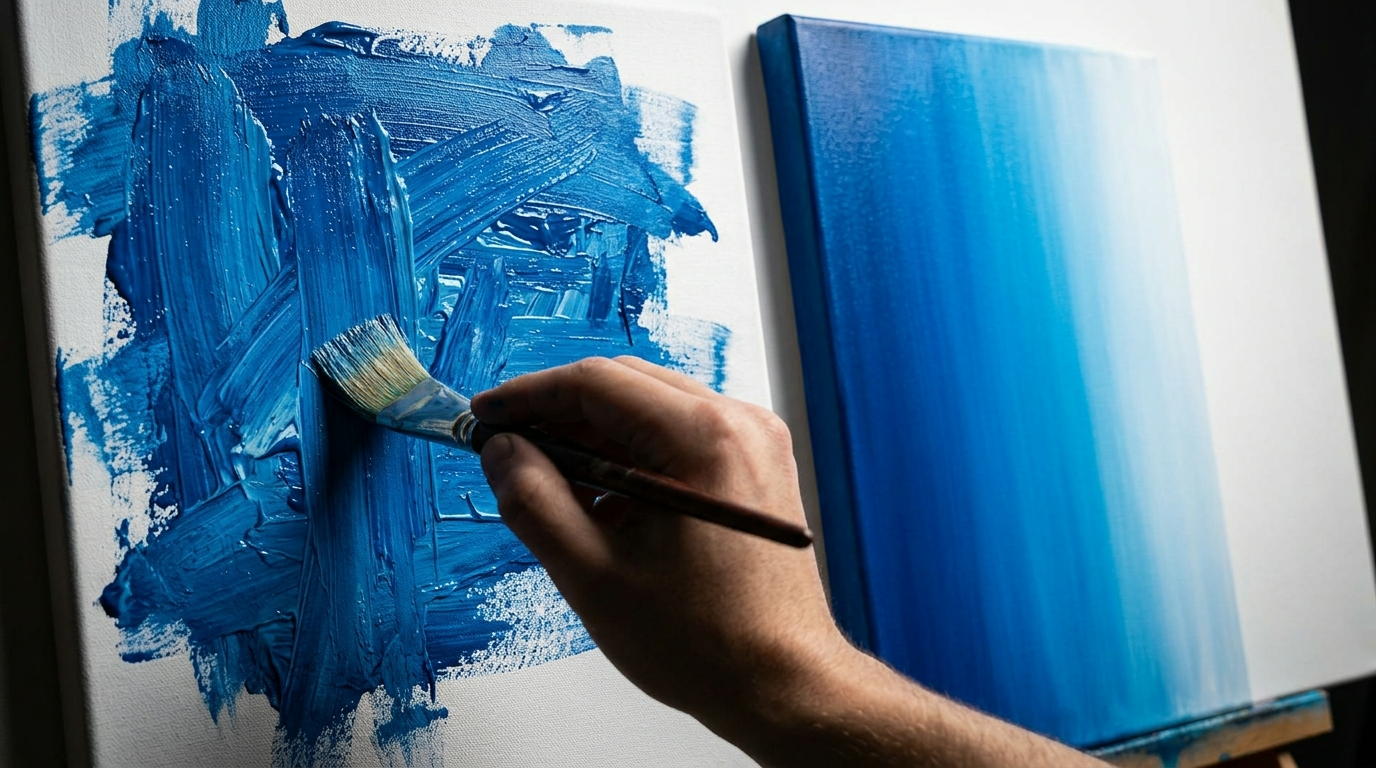

Every artist wants to feel confident while painting. However, confidence rarely appears overnight. Instead, it develops gradually as artists improve painting techniques through practice, experimentation, and patience.
Many beginners feel frustrated when their work does not match their expectations. Fortunately, this challenge is a natural part of artistic growth. Skill improves steadily when painters focus on learning fundamental techniques.
Small improvements often create noticeable progress. When artists improve painting techniques, they gain better control over color, composition, and brushwork. As a result, confidence begins to grow naturally.
This guide explains practical ways to strengthen painting skills while building the confidence needed to create expressive and satisfying artwork.
Understand the Relationship Between Skill and Confidence
Confidence in painting does not come from talent alone. Instead, it grows through repeated experience and steady improvement.
When artists practice regularly, they become familiar with tools, materials, and techniques. Familiarity reduces uncertainty, which allows creativity to flourish.
Additionally, improved technical ability leads to more predictable results. When painters understand how colors blend and how brush strokes behave, they feel more comfortable experimenting.
Because of this, many artists improve painting techniques specifically to gain confidence. Each successful practice session reinforces belief in their abilities.
Over time, this positive cycle encourages artists to tackle more challenging projects.
Practice Foundational Brush Skills
Strong brush control is essential for any painter. Without it, even simple compositions can feel difficult.
Artists should practice several core brush movements regularly.
Straight strokes
Practice drawing clean horizontal and vertical lines using steady pressure. This exercise improves control and consistency.
Curved strokes
Smooth curves require careful hand movement. Practicing curves helps artists create organic shapes such as leaves, waves, or hair.
Blended strokes
Blend two colors together using gentle brush movements. This technique helps artists understand color transitions.
Through repetition, these exercises help artists improve painting techniques while strengthening hand coordination.
Daily practice sessions, even short ones, produce noticeable improvements over time.
Master Basic Color Mixing Skills
Color knowledge plays a huge role in painting success. Understanding how colors interact allows artists to create vibrant and balanced compositions.
Many beginners rely heavily on pre-mixed colors. However, learning to mix colors manually offers greater flexibility.
Start with primary colors
Red, blue, and yellow form the foundation of color mixing. Combining these colors produces a wide range of new hues.
Explore warm and cool variations
Different versions of the same color behave differently. For example, warm reds mix differently than cool reds.
Practice creating neutral tones
Neutral colors help balance vibrant palettes and add depth to paintings.
When artists experiment with mixing colors, they naturally improve painting techniques while developing a deeper understanding of color harmony.
Study Light, Shadow, and Form
Paintings gain realism and depth when artists understand light and shadow.
Observing how light interacts with objects helps artists capture realistic shapes and dimensions.
Start by studying simple objects such as fruit or household items. Observe where light hits the object and where shadows appear.
Next, practice painting gradual transitions between light and dark areas.
These exercises strengthen observational skills and allow painters to improve painting techniques related to shading and form.
As artists become comfortable with lighting effects, their paintings begin to look more dimensional and convincing.
Develop Strong Composition Skills
Composition refers to how elements are arranged within a painting. Good composition guides the viewer’s eye and creates visual balance.
Even simple paintings benefit from thoughtful composition planning.
Use the rule of thirds
Divide the canvas into nine sections. Placing important elements along these lines often creates more dynamic compositions.
Balance visual weight
Large or bright elements attract attention. Position them carefully to maintain balance across the painting.
Use negative space effectively
Empty space around objects helps highlight the main subject.
Artists who focus on composition gradually improve painting techniques that strengthen storytelling and visual clarity.
Better composition often transforms ordinary paintings into engaging artworks.
Experiment with Different Painting Methods
Trying new techniques expands artistic possibilities. Experimentation also keeps painting enjoyable and inspiring.
Artists should explore multiple painting methods to discover what feels natural.
Layering
Applying multiple layers of paint creates depth and texture. Each layer adds visual complexity.
Dry brush technique
Using a nearly dry brush produces rough textures. This method works well for landscapes and textured surfaces.
Glazing
Thin transparent layers of paint alter colors beneath them. This technique creates subtle color variations.
When artists test new approaches, they naturally improve painting techniques while discovering their preferred methods.
Exploration often leads to exciting creative breakthroughs.
Build Confidence with Small Projects
Large paintings can feel intimidating, especially for beginners. Smaller projects provide a comfortable way to practice skills.
Mini paintings allow artists to complete work quickly and evaluate results.
For example, painting postcard-sized landscapes or simple still-life studies helps build experience.
Each completed project strengthens artistic confidence.
Additionally, frequent small projects help artists improve painting techniques through repetition. The more paintings an artist completes, the more comfortable the process becomes.
Gradually, artists feel ready to tackle larger and more complex pieces.
Use Reference Images for Learning
Reference images help artists study real-world details more closely.
Photographs or real objects provide valuable information about color, texture, and lighting.
However, artists should use references as guides rather than strict templates.
For example, painters can simplify shapes or adjust colors to match their artistic vision.
Studying references helps artists improve painting techniques related to realism and observation.
Over time, artists rely less on references as their visual memory strengthens.
Develop a Consistent Practice Routine
Consistency plays a major role in artistic progress.
Artists who paint regularly build stronger skills and confidence than those who practice occasionally.
Even short daily sessions can produce noticeable improvement.
Set manageable goals
Instead of aiming for perfection, focus on completing small studies or exercises.
Track progress
Keeping a sketchbook or journal helps artists observe their improvement over time.
Celebrate progress
Recognizing improvement encourages continued effort.
Through regular practice, artists gradually improve painting techniques while developing a strong creative habit.
Confidence grows naturally as skills improve.
Seek Feedback and Learn from Others
Constructive feedback helps artists identify areas for improvement.
Art communities, workshops, and online groups provide valuable perspectives.
Other artists may notice strengths or weaknesses that the painter overlooked.
Listening to feedback allows painters to refine their skills.
Additionally, observing other artists at work introduces new techniques and ideas.
By learning from others, artists continue to improve painting techniques and expand their creative understanding.
Collaboration and discussion often accelerate artistic growth.
Embrace Mistakes as Learning Opportunities
Many artists struggle with perfectionism. However, mistakes often provide the most valuable lessons.
Unexpected paint textures or color combinations can lead to creative discoveries.
Instead of discarding imperfect paintings, analyze what happened during the process.
Ask questions such as:
- What caused the color shift?
- Why did the brush stroke behave differently?
- How could the result improve next time?
This reflective process helps artists improve painting techniques through experimentation and problem-solving.
Mistakes are not failures. They are important steps in artistic development.
Conclusion
Artistic confidence grows through steady improvement rather than instant success. Every brush stroke, color experiment, and practice session contributes to skill development.
By practicing foundational techniques, exploring color mixing, and studying composition, artists gradually strengthen their abilities. Regular experimentation also keeps creativity fresh and exciting.
Small projects, reference studies, and constructive feedback provide valuable learning opportunities. Over time, these experiences build both skill and confidence.
Most importantly, artists who remain patient and persistent will continue to improve painting techniques while developing a stronger creative voice.
Confidence emerges naturally when painters trust their growing skills and embrace the creative process.
FAQ
1. How often should artists practice to improve their painting skills?
Consistent practice is more important than long sessions. Even 20 to 30 minutes daily can significantly strengthen artistic ability.
2. What is the fastest way to build confidence in painting?
Completing small projects regularly helps artists gain confidence. Each finished painting reinforces progress and encourages continued practice.
3. Should beginners focus on technique or creativity first?
Both are important. Learning basic techniques provides control, while creative exploration helps artists express their ideas.
4. Why do many beginners struggle with color mixing?
Color mixing requires practice and observation. Working with primary colors and experimenting with combinations gradually improves understanding.
5. Can artists improve without formal training?
Yes. Many successful artists learn through self-study, regular practice, and feedback from art communities.