
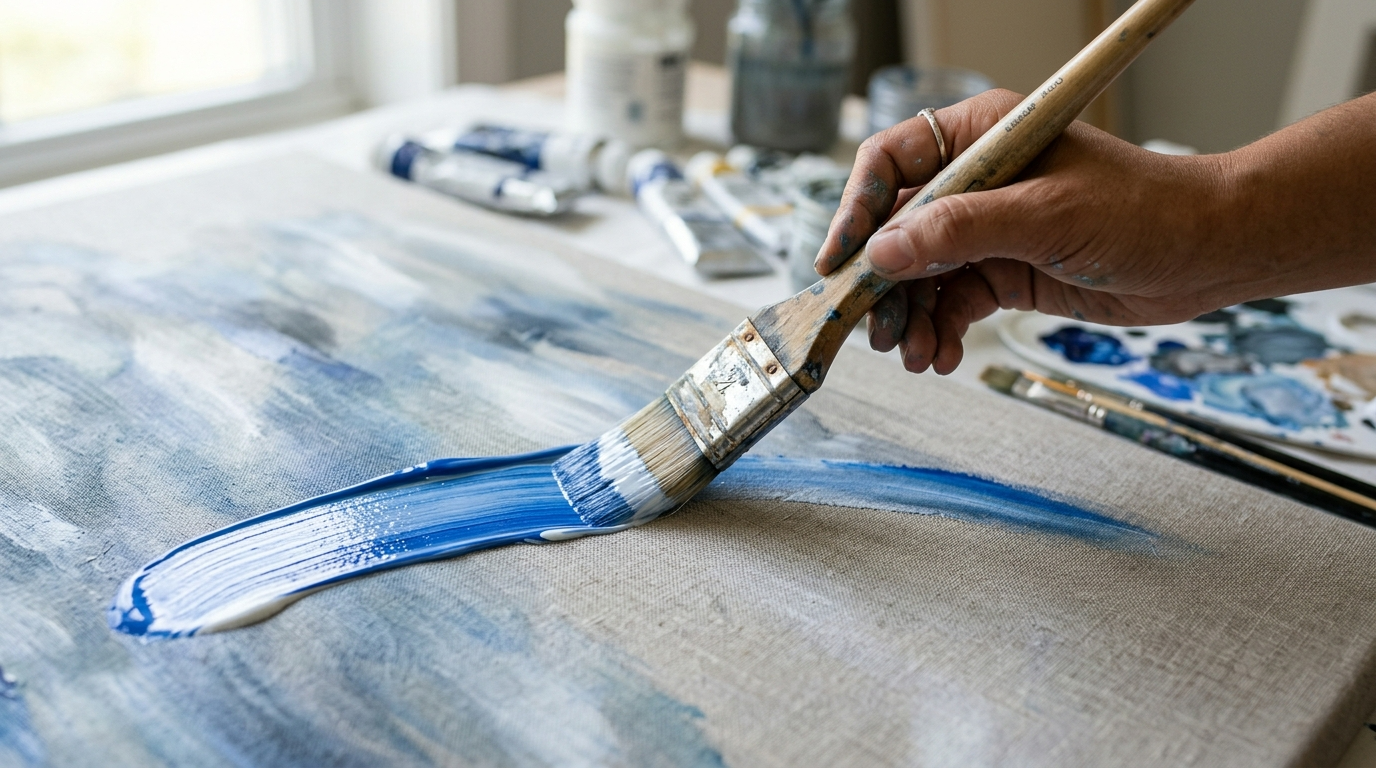

Painting large surfaces can feel challenging, especially when streaks or uneven textures appear. Many painters struggle to achieve consistent results across wide areas. However, learning smooth paint brushing techniques makes the process easier and more predictable.
Large surfaces require careful planning, steady movement, and the right tools. When painters understand how brushes behave across wide areas, they gain better control over coverage and texture.
Fortunately, a few simple strategies can dramatically improve results. By adjusting brush pressure, paint consistency, and movement patterns, anyone can improve surface quality.
This guide explains the most effective ways to use smooth paint brushing methods so large areas look clean, even, and professionally finished.
Why Brush Technique Matters on Large Surfaces
Large surfaces reveal mistakes quickly. Small brush marks that seem minor during painting may become noticeable once the paint dries.
Uneven pressure, inconsistent paint loading, or poor brush movement often cause these problems.
Proper technique allows paint to spread evenly while maintaining a consistent finish. As a result, surfaces appear more polished and uniform.
Professional painters rely heavily on smooth paint brushing because it minimizes visible strokes and ensures balanced coverage.
Additionally, strong brushing technique reduces wasted paint and speeds up the painting process.
Learning to control brush movement helps painters maintain quality across wide areas such as walls, furniture panels, or canvas backgrounds.
Choose the Right Brush for Large Surface Coverage
The brush itself plays a major role in the final result. Using the wrong brush often leads to streaks and uneven paint distribution.
Use wider brushes
Large flat brushes cover more surface area with each stroke. As a result, they reduce overlapping marks.
Wide brushes also hold more paint, allowing longer strokes without frequent reloading.
Select soft bristles
Soft synthetic or natural bristles glide smoothly across surfaces. Stiff bristles may create rough textures or visible lines.
Maintain clean brushes
Paint buildup near the ferrule reduces brush flexibility. Cleaning brushes thoroughly keeps them responsive and improves smooth paint brushing performance.
Choosing the right brush helps painters maintain even coverage while working efficiently on large areas.
Prepare the Surface Before Painting
Surface preparation is essential for achieving a smooth result.
Dust, grease, or uneven textures can interfere with paint adhesion. These problems often create visible streaks.
Start by cleaning the surface thoroughly. A damp cloth usually removes dust and debris effectively.
Next, lightly sand rough surfaces when necessary. Sanding creates a smoother base for paint application.
Priming may also improve results on porous materials. Primers help paint spread evenly and reduce absorption differences.
Proper preparation supports smooth paint brushing because the brush moves consistently across the surface.
Without preparation, even excellent brushing technique may produce uneven results.
Load the Brush Correctly
Loading the brush properly ensures consistent paint distribution.
Many beginners overload their brushes with paint. Excess paint causes drips and uneven strokes.
Instead, dip the brush about one-third of the bristle length into the paint. Then gently tap the brush against the container edge.
Avoid scraping the brush too aggressively. Scraping removes too much paint and creates dry strokes.
Balanced paint loading improves smooth paint brushing by maintaining a steady flow of paint during each stroke.
Consistent paint flow helps create uniform coverage across large surfaces.
Use Long, Even Brush Strokes
Brush stroke length plays a key role in surface smoothness.
Short strokes often produce visible overlaps and patchy areas. Instead, long strokes distribute paint more evenly.
Start each stroke slightly above the previous painted area. Then glide the brush smoothly across the surface.
Maintain steady pressure while moving the brush.
As painters practice smooth paint brushing, they learn to control stroke length and pressure naturally.
Long strokes also help blend edges between sections of paint.
This method creates a seamless finish across large surfaces.
Work in Sections to Maintain Consistency
Large surfaces can be overwhelming if painted all at once.
Instead, divide the surface into manageable sections.
Paint one section completely before moving to the next. This approach helps maintain a wet edge, which prevents visible seams.
A wet edge allows fresh paint to blend smoothly with nearby strokes.
Working in sections supports smooth paint brushing because each area receives consistent attention and coverage.
Painters should also avoid stopping halfway through a section. Completing each segment fully helps maintain a uniform finish.
Control Brush Pressure Carefully
Brush pressure significantly affects paint thickness and texture.
Heavy pressure spreads paint too thin and creates streaks. Light pressure may leave uneven coverage.
Therefore, painters should aim for balanced pressure that allows the brush to glide across the surface.
Let the brush do most of the work. Forcing the brush against the surface often creates rough textures.
Balanced pressure improves smooth paint brushing and ensures consistent paint distribution.
With practice, artists develop a natural sense of how much pressure to apply.
Maintain a Wet Edge for Seamless Blending
A wet edge refers to the boundary between fresh paint and previously painted areas.
Keeping this edge wet allows strokes to blend smoothly.
If paint dries before new strokes connect, visible lines may appear.
To prevent this issue, work steadily and maintain overlapping strokes.
Overlap each new stroke slightly with the previous one.
This technique supports smooth paint brushing by blending paint layers while they remain wet.
Maintaining a wet edge is especially important when painting walls or large canvases.
Thin Paint When Necessary
Paint consistency affects how easily it spreads across surfaces.
Thick paint may drag across the surface and leave ridges. Slightly thinning the paint can improve flow.
Add a small amount of water for water-based paints or the appropriate thinner for oil paints.
Mix thoroughly before applying.
Proper paint consistency helps the brush glide smoothly, which enhances smooth paint brushing results.
However, painters should avoid over-thinning. Excessively thin paint may reduce coverage and require additional coats.
Balanced consistency creates the best results.
Finish with Light Smoothing Strokes
After applying paint, finishing strokes help level the surface.
These strokes use minimal pressure and long movements.
Start at one edge and lightly glide the brush across the wet paint.
This technique redistributes excess paint and removes visible brush marks.
Professional painters often rely on this final step to perfect smooth paint brushing results.
Smoothing strokes should remain gentle. Heavy pressure may disturb the paint layer.
With careful finishing strokes, the painted surface appears more uniform and polished.
Practice Techniques to Build Consistency
Even simple brushing techniques improve with practice.
Artists and painters should practice on scrap surfaces before starting important projects.
Try painting wide boards or large sheets of paper.
Focus on maintaining consistent pressure and long strokes.
Gradually increase the size of the painted area during practice sessions.
These exercises help painters develop reliable smooth paint brushing skills over time.
Confidence grows as technique becomes more consistent.
Conclusion
Achieving even coverage across large surfaces requires more than just applying paint. Technique, preparation, and tool selection all influence the final result.
By choosing the right brush, preparing the surface properly, and controlling paint consistency, painters create smoother finishes. Long strokes, balanced pressure, and section-based painting also help maintain uniform coverage.
Maintaining a wet edge and using finishing strokes further enhance the surface quality.
With consistent practice, anyone can master smooth paint brushing and achieve professional-looking results on large painting projects.
Patience and attention to technique transform simple brushwork into a refined painting process.
FAQ
1. What type of brush works best for large painting surfaces?
Wide flat brushes with soft bristles usually work best. They hold more paint and spread it evenly across large areas.
2. Why do brush marks appear after paint dries?
Brush marks often appear when paint is applied unevenly or with inconsistent pressure. Thick paint can also create visible strokes.
3. How can painters avoid streaks when covering large areas?
Using long strokes, maintaining a wet edge, and applying consistent pressure helps create a more uniform finish.
4. Should paint be thinned before brushing large surfaces?
Sometimes thinning paint slightly improves flow and coverage. However, excessive thinning may reduce paint opacity.
5. How do professionals achieve very smooth paint finishes?
Professionals use quality brushes, maintain even strokes, and finish with light smoothing passes while the paint remains wet.