
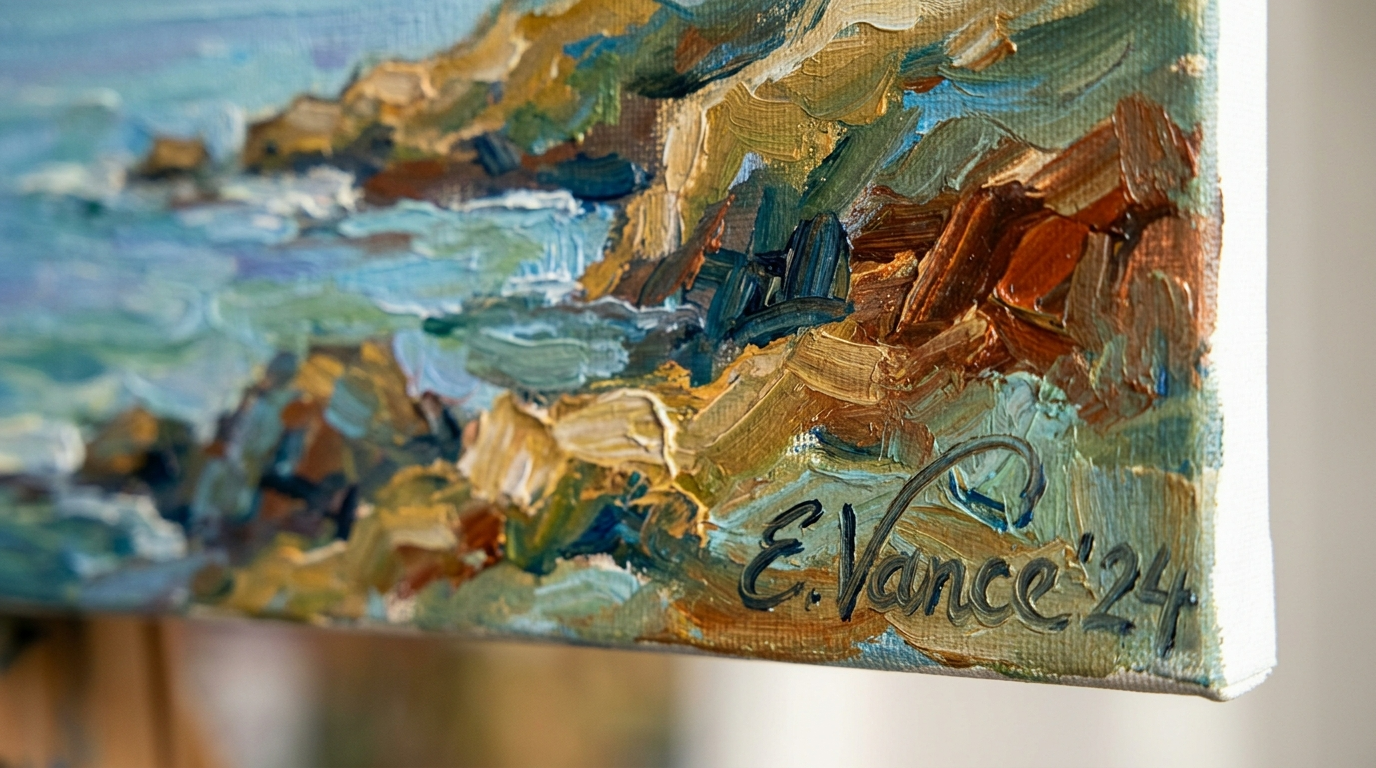

Every successful artist eventually develops a recognizable approach to their work. This distinctive visual identity is known as a signature painting style. It reflects personal choices in color, technique, composition, and subject matter.
Many artists worry about finding their style too early. However, artistic identity usually develops gradually through experimentation and practice. Instead of forcing originality, painters discover their unique voice by exploring different ideas and techniques.
Over time, consistent patterns appear in an artist’s work. These patterns shape a recognizable creative approach. As artists refine these elements, they gradually build a signature painting style that feels authentic and memorable.
This guide explains how painters can develop a unique visual identity while strengthening their creative confidence.
Understand What Defines an Artistic Style
An artistic style represents the visual language an artist uses repeatedly. It includes choices related to color, brushwork, composition, and themes.
Many factors contribute to a recognizable approach to painting.
Color preferences
Artists often favor certain palettes. Some prefer bold contrasts, while others enjoy soft harmonious tones.
These preferences naturally influence how artwork feels emotionally.
Brushwork techniques
Brush strokes can appear smooth, textured, expressive, or controlled. These techniques often become recognizable elements within a painter’s work.
Subject selection
Subjects also help define a signature painting style. Some artists focus on landscapes, while others paint portraits, still life, or abstract forms.
Understanding these elements helps artists identify the patterns already appearing in their work.
Explore Different Techniques Before Settling on One
Many artists worry about copying others while learning. However, experimentation is an important step in artistic growth.
Exploring different techniques helps painters discover what feels natural.
Try multiple painting mediums
Acrylic, watercolor, and oil paint all behave differently. Each medium offers unique creative possibilities.
Artists often discover unexpected strengths while experimenting with new materials.
Experiment with brush techniques
Loose brushwork creates expressive energy. Controlled strokes create refined detail.
Trying different approaches helps artists identify the methods that best support their creative vision.
As painters experiment, they gradually shape their signature painting style through repeated discoveries.
Exploration leads to creative clarity over time.
Study Artists Who Inspire You
Inspiration plays an important role in artistic development.
Studying other artists reveals new techniques, color palettes, and composition strategies.
However, the goal is not imitation. Instead, artists should analyze what attracts them to certain works.
Identify appealing elements
Some artists admire bold brushwork. Others appreciate subtle color transitions or minimalist compositions.
Understanding these preferences helps painters clarify their own artistic direction.
Combine influences creatively
Artists can blend several influences into a unique visual language.
Over time, these influences transform into an individual signature painting style that reflects personal interpretation.
Creative inspiration should serve as a starting point rather than a final destination.
Practice Consistently to Refine Your Visual Voice
Consistency plays a crucial role in artistic growth. The more an artist paints, the more recognizable their work becomes.
Frequent practice strengthens both technical skills and creative instincts.
Create regular painting sessions
Even short practice sessions help develop familiarity with materials and techniques.
Experiment with variations
Paint the same subject using different colors or compositions.
These experiments reveal which approaches feel most authentic.
Through consistent practice, artists naturally refine their signature painting style without forcing the process.
Gradual repetition builds confidence and clarity.
Focus on Subjects That Inspire You
Personal interests often shape artistic identity.
Artists who paint subjects they truly enjoy tend to develop stronger emotional connections to their work.
These connections often lead to distinctive artistic expression.
Observe recurring themes
Many artists return to similar subjects repeatedly. Nature scenes, cityscapes, animals, or portraits often appear across multiple paintings.
Explore emotional storytelling
Some artists express mood through color and lighting rather than subject complexity.
Over time, these preferences help define a signature painting style that reflects the artist’s personality.
Authentic inspiration strengthens creative direction.
Develop Unique Color Choices
Color plays a major role in visual identity.
Certain artists become recognizable because of their color palettes.
Experiment with limited palettes
Using only a few colors encourages creative mixing and harmony.
Explore unusual combinations
Unexpected color pairings often produce memorable results.
Observe emotional impact
Warm colors may create energetic compositions, while cool tones produce calm atmospheres.
Through experimentation, painters develop color habits that strengthen their signature painting style.
Consistent color preferences become part of an artist’s visual identity.
Refine Brushwork and Texture
Brushwork strongly influences how a painting feels.
Some artists prefer expressive strokes that highlight movement and energy. Others focus on smooth surfaces with careful blending.
Practice expressive strokes
Loose strokes create dynamic movement within paintings.
Experiment with layering
Layering paint adds depth and texture to surfaces.
Explore texture tools
Palette knives, sponges, and dry brushes produce unique textures.
Over time, these techniques contribute to a recognizable signature painting style.
Brushwork often becomes one of the most distinctive aspects of an artist’s work.
Build Confidence Through Small Creative Projects
Large paintings may feel overwhelming during the early stages of artistic exploration.
Small projects allow artists to experiment more freely.
Create mini painting series
Painting multiple small works around a similar theme reveals consistent creative patterns.
Set creative challenges
Try painting with limited colors or unusual tools.
Review your work regularly
Looking back at previous paintings helps identify patterns in technique and subject matter.
These exercises help artists strengthen their signature painting style through exploration and reflection.
Small experiments often lead to meaningful creative discoveries.
Allow Your Style to Evolve Naturally
Many artists feel pressure to establish a unique style quickly. However, artistic identity often evolves gradually.
Creative growth rarely follows a straight path.
Artists should allow themselves to explore new ideas without fear of inconsistency.
Accept artistic change
Style may shift as skills improve and influences expand.
Stay open to experimentation
Trying new techniques keeps the creative process exciting.
Reflect on your progress
Reviewing earlier work reveals how your approach has changed.
Through this process, painters refine their signature painting style while maintaining creative flexibility.
Evolution is a natural part of artistic growth.
Share Your Work and Gather Feedback
Feedback helps artists refine their visual voice.
Art communities, workshops, and online platforms offer valuable perspectives.
Other artists may notice patterns that the painter overlooked.
Constructive feedback encourages growth while strengthening confidence.
Sharing artwork also allows painters to see which pieces resonate most with viewers.
These insights help artists refine their signature painting style and develop a stronger creative identity.
Collaboration and discussion often inspire new ideas.
Conclusion
Developing a distinctive artistic identity takes time, patience, and experimentation. Artists discover their creative voice gradually through practice, observation, and exploration.
Studying inspiring artists, experimenting with techniques, and focusing on meaningful subjects all contribute to artistic growth. Color choices, brushwork, and composition patterns eventually form a recognizable visual language.
Rather than forcing originality, painters should embrace the creative process and allow their work to evolve naturally.
With dedication and curiosity, every artist can develop a signature painting style that reflects their personality and vision.
A unique artistic voice not only makes artwork more memorable but also deepens the artist’s connection to the creative process.
FAQ
1. How long does it take to develop a unique art style?
Artistic identity often develops gradually through consistent practice. Many artists notice recognizable patterns in their work after months or years of experimentation.
2. Should artists copy other painters when learning?
Studying other artists helps build skills and understanding. However, artists should eventually adapt influences into their own creative approach.
3. Can an artist have more than one creative approach?
Yes. Many artists explore multiple techniques or themes. Over time, these elements often combine into a recognizable visual identity.
4. What role does color play in artistic identity?
Color choices strongly influence mood and recognition. Many artists become known for their distinctive color palettes.
5. Can an artistic style change over time?
Yes. Artistic identity often evolves as artists gain experience, explore new influences, and experiment with different techniques.