
Folk art has long been cherished for its timeless appeal and connection to cultural heritage. But what happens when this rich tradition meets contemporary sensibilities? The answer lies in embracing modern folk art techniques, a vibrant movement that honors the past while boldly stepping into the future. As the creative economy continues to burgeon and DIY creativity influences trends like nature-inspired mural walls with low-VOC paints, there’s a growing appreciation for artistic expressions that blend authenticity with innovation. Paint Works Mag is here to guide you through this exciting evolution, empowering you to create pieces that feel both familiar and refreshingly new.
This article explores how you can combine classic folk art elements with modern aesthetics, materials, and inspirations, creating art that truly speaks to today’s world while retaining its soulful roots.
What Defines Modern Folk Art Techniques?
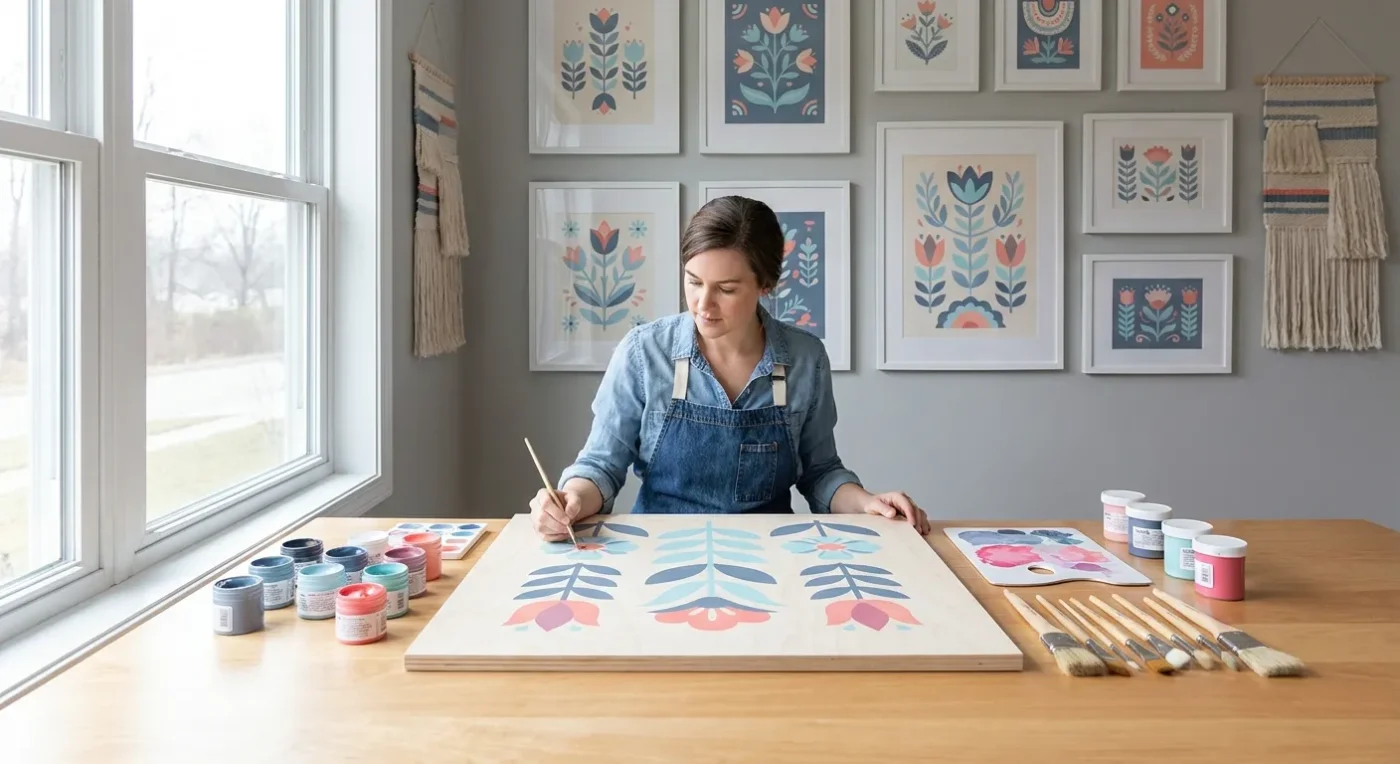
Modern folk art isn’t about discarding the old; it’s about reinterpreting it. For example, it often involves taking traditional motifs—like stylized animals, florals, or geometric patterns—and applying them with contemporary color palettes, new materials, or unexpected compositions. The goal is to maintain the charm and narrative quality of folk art while introducing elements that reflect current design trends and personal perspectives. Think of it as a dialogue between generations, where ancestral wisdom meets modern innovation.
Drawing Inspiration from Diverse Sources
To infuse your folk art with a modern twist, broaden your sources of inspiration. Look beyond traditional folk art examples and explore contemporary design, abstract art, or even digital aesthetics. Global folk art traditions can also offer new perspectives on form and storytelling. For instance, the current trend of nature-inspired aesthetics in sustainable home design for 2025, favoring soft greens, warm clay, muted beige, and sky blues, can provide a fresh color framework for classic folk motifs. Imagine a traditional Scandinavian Dala horse painted in a contemporary muted palette, or a Pennsylvania Dutch hex sign reinterpreted with a vibrant, modern gradient.
Blending Traditional Motifs with Contemporary Design
Consider how traditional motifs can be simplified, exaggerated, or combined in new ways. A common folk art bird could be rendered with clean, minimalist lines or juxtaposed against a bold, abstract background. You might also integrate elements from other art forms, such as graphic design or street art, while maintaining the characteristic warmth and narrative of folk art. The beauty of contemporary folk art lies in its flexibility and refusal to be confined by strict historical boundaries.
Experimenting with Materials and Tools
Innovation in materials plays a significant role in modern folk art. The broader paints and coatings sector is projected for substantial growth, with a strong emphasis on eco-friendly options. Consequently, artists are exploring diverse mediums beyond traditional oils and acrylics. Consider using mixed media, incorporating textiles, found objects, or even digital prints into your physical paintings. Furthermore, explore new paint types, such as iridescent or metallic acrylics, which can add a contemporary sheen to classic designs. Experimenting with tools, from stencils and stamps to digital drawing tablets, can also open new avenues for expression.
Color Palettes for a Modern Touch
Color is a powerful tool for transforming traditional themes. While classic folk art often features earthy tones or vibrant primary colors, modern interpretations frequently employ more nuanced or unexpected palettes. Think about using a monochromatic scheme with subtle variations in tint and shade, or a bold analogous palette that creates harmony through closely related hues. You could also introduce a surprising pop of neon or a sophisticated pastel blend. Researching current interior design trends or fashion color forecasts can provide excellent inspiration for fresh color combinations in your folk art painting techniques.
Incorporating Storytelling and Personal Narrative
Folk art, at its heart, tells a story. Modern folk art continues this tradition but often with a personal twist. Instead of solely relying on historical narratives, artists are now weaving in their own experiences, cultural backgrounds, and contemporary observations. This personal connection makes the art more relatable and resonant with modern audiences. Consider what stories you want to tell and how traditional symbols can be recontextualized to convey new meanings. This approach enhances the depth and authenticity of your work.
Mastering Modern Folk Art Techniques: Step-by-Step Approach
Embarking on a new artistic journey can feel daunting, but with a structured approach, you can confidently explore modern folk art techniques. Here, we break down the process into manageable steps, designed to build your skills and ignite your creativity.
Step 1: Research and Inspiration Gathering
Begin by immersing yourself in both traditional folk art and contemporary design. Explore art history books, visit museums, and browse online galleries. Pay attention to motifs, compositions, and color usage in historical pieces. Simultaneously, look at modern art, graphic design, and even street art for current trends. Create a mood board, either physical or digital, compiling images, color swatches, and textures that resonate with you. This initial research is crucial for developing your unique perspective on contemporary folk art painting.
Step 2: Sketching and Concept Development
Once you have a wealth of inspiration, start sketching. Don’t worry about perfection at this stage. Experiment with simplifying traditional motifs, playing with scale, and trying different compositions. How can a classic floral pattern be abstracted? Can a familiar animal form be rendered with a minimalist aesthetic? Explore various arrangements and consider how modern elements can interact with traditional ones. This phase allows you to refine your ideas before committing them to a final piece. It’s an excellent way to practice modern folk art techniques without pressure.
Step 3: Choosing Your Mediums and Materials
Select materials that align with your vision. Do you want to work with traditional acrylics or explore mixed media? Consider the surface you’ll be painting on – canvas, wood, fabric, or even repurposed items. The choice of materials significantly impacts the final look and feel of your artwork. For example, using sustainable, low-VOC paints can add a contemporary ethical dimension to your work, appealing to a broader audience interested in eco-conscious art. Furthermore, don’t shy away from incorporating unconventional elements that reflect modern folk art techniques.
Step 4: Developing Your Color Palette
As discussed earlier, color is key. Based on your inspiration and concept, develop a specific color palette. You might choose a muted, earthy scheme for a serene feel, or a vibrant, high-contrast palette for a bolder statement. Test your colors on a scrap surface to see how they interact. Consider the emotional impact of your chosen hues and how they contribute to the overall modern folk art aesthetic. This thoughtful selection will elevate your work.
Step 5: Execution and Refinement
Begin painting, keeping your sketches and color palette in mind. Work in layers, allowing each one to dry if necessary. Don’t be afraid to deviate from your initial plan if a new idea sparks during the process. Modern folk art techniques often involve a degree of spontaneity. As you paint, continuously assess your work. Are the traditional elements blending harmoniously with the modern ones? Is your personal narrative shining through? Refine details, adjust colors, and add textures until you are satisfied with the result. Remember, practice makes perfect, and each piece is a learning opportunity.
Why Embrace Modern Folk Art in Your Studio?
Embracing contemporary folk art offers numerous benefits for artists of all levels. Firstly, it provides a unique avenue for creative expression, allowing you to honor artistic heritage while forging your own path. Secondly, it connects you to a broader audience who appreciate art that bridges the past and the present. Thirdly, it encourages experimentation and skill development, pushing you to explore new materials and techniques. Finally, creating with these innovative folk art painting methods can be incredibly rewarding, offering a sense of accomplishment as you bring fresh perspectives to timeless themes. This approach truly allows for personal growth and artistic freedom.
Moreover, the versatility of modern folk art makes it suitable for various applications. From canvas paintings and decorative objects to murals and textile designs, the possibilities are endless. You can create pieces for your home, gifts for loved ones, or even develop a unique style for commissions and sales. The demand for handcrafted, authentic art remains strong, and modern folk art fits perfectly into this niche.
For further inspiration on integrating traditional crafts with contemporary design, explore resources like The Crafts Council at craftscouncil.org.uk. Additionally, for a deeper understanding of color theory in modern art, consider visiting The Metropolitan Museum of Art‘s online resources at metmuseum.org.
Conclusion
The journey into modern folk art techniques is an exciting exploration of creativity, heritage, and innovation. By blending traditional motifs with contemporary aesthetics, materials, and personal narratives, you can create art that is both deeply rooted and refreshingly new. Paint Works Mag encourages you to experiment, to draw inspiration from diverse sources, and to tell your unique story through your art. Embrace the freedom that this evolving genre offers and discover the joy of creating pieces that resonate with today’s world while honoring the timeless spirit of folk art.
FAQ
What distinguishes contemporary folk art from traditional folk art?
Contemporary folk art reinterprets traditional motifs using modern color palettes, materials, and compositions. While it maintains the charm and narrative of older forms, it integrates elements reflecting current design trends and personal perspectives. Traditional folk art typically adheres more strictly to historical styles and regional customs.
Can I use digital tools to create modern folk art?
Absolutely! Many artists blend digital and traditional methods. You can sketch digitally, experiment with colors, or even create digital elements to incorporate into physical paintings. Digital tools offer incredible flexibility and can enhance your exploration of innovative folk art painting techniques.
What kind of materials are suitable for these artistic approaches?
Beyond traditional paints like acrylics and oils, consider mixed media, textiles, found objects, or even repurposed items. Experiment with iridescent paints, metallic finishes, or eco-friendly options. The key is to explore materials that help convey your modern vision for folk art.
How can I find inspiration for new themes in my artwork?
Look beyond traditional folk art. Explore contemporary design, abstract art, global folk traditions, and even current trends in interior design or fashion. Create a mood board with images, colors, and textures that inspire you. Personal experiences and stories can also provide rich thematic content for your folk art.
Is there a specific style I should follow when developing my modern folk art techniques?
There isn’t one single style. The beauty of this movement lies in its flexibility. You are encouraged to develop your unique artistic voice by blending elements that appeal to you. Experiment with simplification, abstraction, and new color combinations to forge your personal approach to these artistic methods.
Explore more: More from Paint Works Mag