
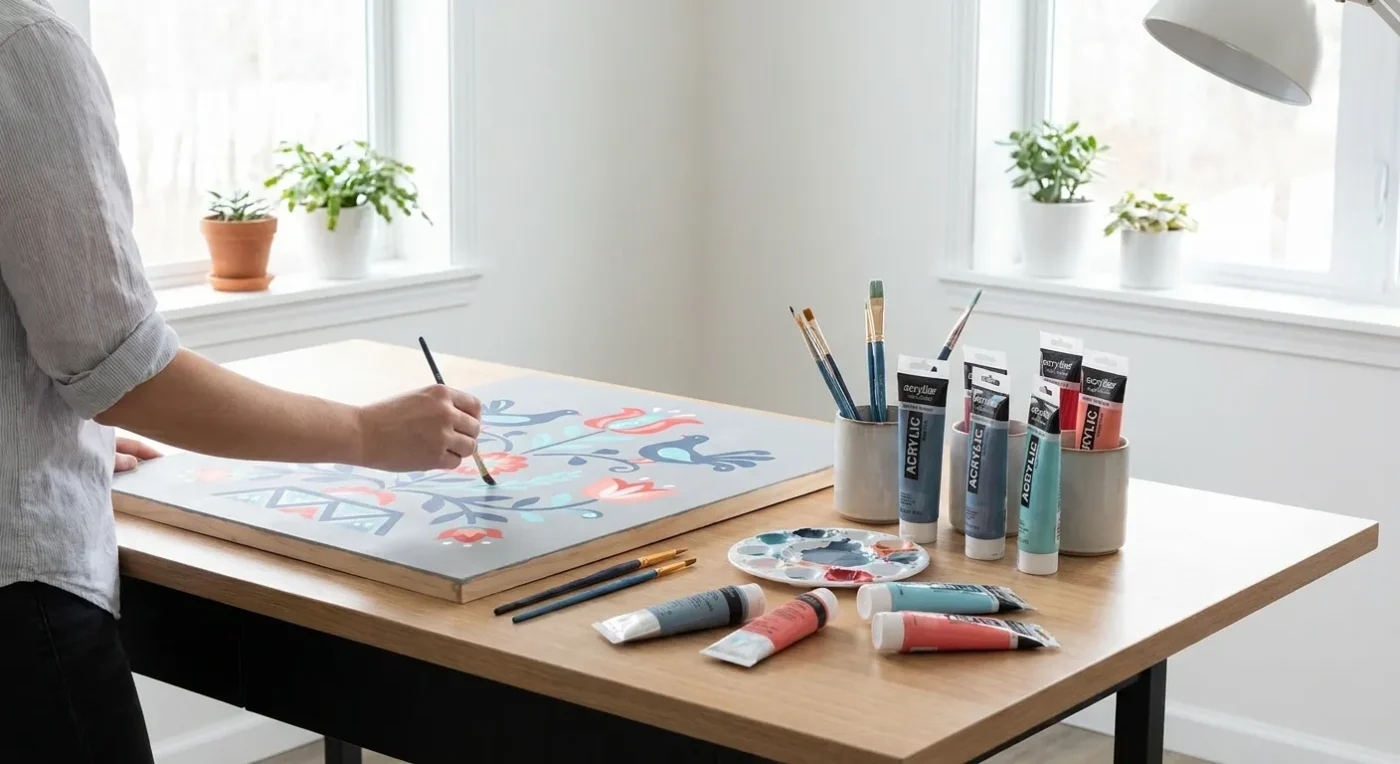

Traditional folk art painting holds a timeless charm, connecting us to centuries of artistic expression and cultural heritage. For hobbyist decorative painters and folk art enthusiasts, understanding and appreciating these historical styles is not just about replicating the past; it’s about drawing inspiration to create something fresh and personal. If you’re looking to explore traditional folk art painting and infuse it with contemporary flair, you’ve come to the right place. Paint Works Mag is here to guide you through the rich tapestry of these designs and help you bring them into your modern projects with confidence.
The Enduring Appeal of Folk Art Traditions
What makes traditional folk art so captivating? Often characterized by its simplicity, vibrant storytelling, and connection to everyday life, these styles reflect the spirit of communities. From the intricate floral patterns of Scandinavian Rosemaling to the bold, symbolic motifs of Pennsylvania Dutch Fraktur, and the cheerful narrative scenes of Mexican Talavera, each tradition offers a unique visual language. These styles were born from local materials and skills, passed down through generations, and imbued with deep cultural significance. They tell stories of nature, faith, daily routines, and celebration, making them incredibly rich sources for artistic exploration.
A Glimpse into Global Folk Art Styles
Decorative art traditions span the globe, each with its distinct characteristics. For example, Scandinavian Rosemaling, originating in Norway, features flowing C- and S-strokes, often depicting stylized flowers and leaves. This art form flourished from the 17th to 19th centuries, adorning everything from furniture to walls. Its beauty lies in its elegant asymmetry and vibrant color combinations.
Pennsylvania Dutch Fraktur, on the other hand, developed in the German-speaking communities of Pennsylvania. It combines calligraphy with intricate illustrations of birds, hearts, and often religious texts. These pieces, frequently found in birth and baptismal certificates, are known for their bright, primary color palettes and symbolic imagery. Similarly, Mexican Talavera pottery art, with its distinctive blue and white glazes, showcases intricate patterns often inspired by flora, fauna, and geometric shapes. It’s a testament to a rich ceramic tradition blending indigenous and Spanish influences.
Why Study Historical Folk Art?
Studying these historical forms offers numerous benefits for the contemporary artist. Firstly, it provides a foundation in design principles. You learn about color theory, composition, and motif development through observing masterworks. Secondly, it connects you to a broader artistic lineage, fostering a sense of continuity and appreciation for cultural heritage. Finally, understanding these traditions empowers you to respectfully adapt and evolve them, rather than merely copying. This approach ensures your modern interpretations carry the essence of the original while reflecting your unique artistic voice.
Deconstructing Classic Motifs for Contemporary Use
To effectively reinterpret traditional designs, we first need to understand their core elements. Let’s take Rosemaling as an example. Its key features include C- and S-strokes, scrollwork, and stylized flowers like roses and tulips, often arranged in asymmetrical compositions. Pennsylvania Dutch Fraktur, on the other hand, is known for its calligraphic elements, hearts, birds, and vibrant, often primary, color palettes. Talavera pottery art typically features intricate patterns, often incorporating flora, fauna, and geometric shapes in a distinctive blue and white, or multi-colored scheme.
When approaching these classic folk art designs, consider:
- Shape & Form: Identify the fundamental shapes that make up the design. Are they organic or geometric? Symmetrical or asymmetrical?
- Color Palette: Note the traditional colors used. Are they bold and contrasting, or muted and earthy? How do they contribute to the overall mood?
- Line Work: Is the line work delicate or strong? Are there outlines, or is it more painterly?
- Composition: How are the elements arranged? Is there a central focus, or is the design repeating?
By breaking down these components, you gain a clearer understanding of the style’s essence, making it easier to adapt without losing its original spirit. This analytical approach is crucial for any artist wishing to meaningfully engage with art history.
Infusing Traditional Folk Art Painting with Modern Sensibilities
Now for the exciting part: bringing these timeless designs into the present. Here’s how you can give your traditional decorative painting projects a fresh, contemporary edge:
1. Modernize the Color Palette
While traditional folk art often uses specific color schemes, you can update them. Try swapping vibrant primaries for softer pastels or bold neons. Consider a monochromatic scheme with varying shades for a sophisticated look. Alternatively, introduce unexpected color combinations that still harmonize. For instance, a Rosemaling pattern rendered in cool blues and greens instead of its typical reds and yellows can feel entirely new. Experimenting with color is a simple yet effective way to modernize any design, as discussed in our guide on Unlock Vibrant Hues: Advanced Color Mixing for Folk Art.
2. Simplify Motifs and Forms
Many traditional designs are incredibly intricate. For a modern twist, try simplifying the motifs. Reduce the number of details in a floral element or streamline the scrollwork. Abstracting certain elements can create a minimalist aesthetic while retaining the essence of the original. This simplification can make the art feel more contemporary and accessible.
3. Experiment with Scale and Repetition
Play with the size of your motifs. A small, delicate Fraktur bird can become a large, striking focal point. Similarly, instead of a dense, all-over pattern, try using a single motif repeated sparsely or in an unconventional grid. This manipulation of scale and repetition can dramatically alter the visual impact of a traditional design. For inspiration on current aesthetics, explore Current Decorative Art Trends: Warm Minimalism to Bold Colors.
4. Integrate Different Mediums and Surfaces
Move beyond traditional wood panels or canvases. Apply folk art motifs to unexpected surfaces like denim jackets, ceramic tiles, or even digital art. Mixing mediums—perhaps incorporating embroidery with paint, or adding textured elements—can also add a modern dimension. Our article Beyond Canvas: How to Paint Different Surfaces for Decorative Art offers practical advice on this topic.
5. Fuse Different Folk Art Styles
Why stick to just one tradition? Combine elements from two or more styles for a truly unique creation. Imagine Rosemaling scrolls framing a Pennsylvania Dutch bird, or Talavera patterns informing the background of a Scandinavian design. This fusion requires a good understanding of each style’s components, but the results can be incredibly innovative. However, ensure the combined elements maintain a cohesive aesthetic.
6. Embrace Imperfection and Personal Expression
Traditional folk art was often created by artisans, not formally trained artists, and often carries a charming, handmade quality. Embrace this aspect. Don’t strive for machine-like perfection; instead, let your hand and personality show through. Slight variations or deliberate