
Have you ever gazed at a beautifully painted folk art piece and thought, “I wish I could do that”? Or perhaps you’ve collected a few supplies, only to have them gather dust, intimidated by the blank canvas? You’re not alone! Many aspiring artists feel a flutter of apprehension when embarking on their starting decorative painting journey. But here at Paint Works Mag, we believe that decorative painting is for everyone, offering an accessible and incredibly rewarding path to creative expression. With the global art classes market projected to reach $19.2 billion by 2034 and online learning platforms accounting for a significant 58.3% of that, there’s never been a better time to pick up a brush and begin.
Why Now is the Perfect Time for Your Creative Journey
The world of art education is booming, and decorative painting is shining brightly within it. Online art training enrollments surged by 41% in 2026, making it easier than ever to learn from the comfort of your home. This growth signifies a widespread desire for creative outlets and skill development. Moreover, folk art, our beloved niche, is experiencing a remarkable resurgence. Valued at an estimated USD 0.9 trillion in 2025 and projected to reach USD 1.6 trillion by 2033, folk art is cherished for its authenticity, personal expression, and handmade charm—a delightful contrast to the increasingly digital world. This renewed appreciation makes your interest in starting decorative painting journey perfectly aligned with current trends, offering a sense of connection to a rich, vibrant tradition.
Overcoming the Blank Canvas Fear
The most common hurdle for beginners is the fear of messing up. That pristine surface can feel daunting! Here’s how to conquer it:
Start Small, Think Big (But Not Too Big!)
Begin with miniature or small-scale projects. Artsy reported a 66% increase in purchases of paintings under 40 square inches in 2025, proving that small art has a big impact. Try painting a small wooden ornament, a river stone, or even a simple greeting card. These smaller canvases reduce pressure and allow you to experiment freely without feeling overwhelmed.
Embrace Imperfection
Decorative painting, especially folk art, thrives on character. Those slight wobbles or unexpected color blends aren’t mistakes; they’re part of your unique artistic voice. Think of them as ‘happy accidents’ that add charm and authenticity to your pieces. The goal isn’t perfection, but joy in the process and expression in the outcome.
Practice on Scrap Surfaces
Before committing to your final project, practice strokes, color mixing, and designs on paper, cardboard, or an old piece of wood. This warms up your hand, familiarizes you with your materials, and builds confidence without consequence.
Essential First Steps for Your Decorative Painting Journey
Ready to get started? Here are some foundational concepts to help you begin your adventure in decorative artistry. Understanding these basics will provide a solid framework for your creative endeavors.
Gathering Your Basic Supplies
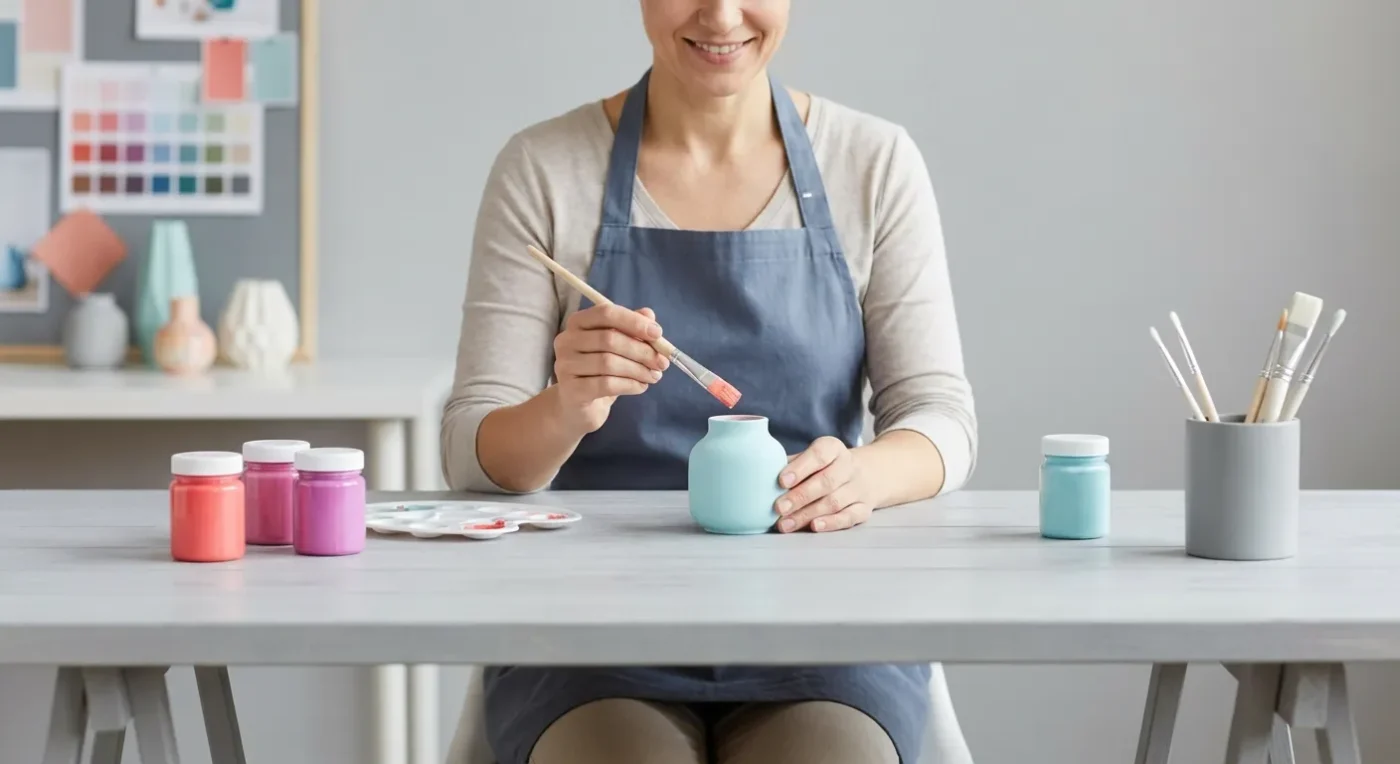
You don’t need to buy out the entire art store when you are just beginning your decorative painting journey. Start with a few key items. First, acrylic paints are ideal for beginners because they are water-soluble, dry quickly, and clean up easily. You will want a basic set of primary colors (red, blue, yellow), plus black and white. Second, invest in a few good quality brushes: a flat brush, a round brush, and a liner brush will cover most initial needs. Additionally, you will need surfaces to paint on, such as small wooden plaques, canvas boards, or even heavy cardstock. A palette (a ceramic plate or plastic lid works well) and a water container are also essential. Finally, paper towels for blotting brushes will prove very useful.
Understanding Basic Color Theory
Color is at the heart of decorative painting. Therefore, a basic grasp of color theory will greatly enhance your work. Start by learning about primary colors (red, yellow, blue) and how mixing them creates secondary colors (orange, green, purple). Furthermore, understanding warm (reds, yellows) and cool (blues, greens) colors can help you evoke different moods in your art. Experiment with mixing colors on your palette. Observe how different combinations interact and what new shades you can create. This hands-on exploration is a vital part of your creative development.
Learning Fundamental Brushstrokes
Mastering a few basic brushstrokes is crucial for any aspiring decorative painter. For instance, the comma stroke, the C-stroke, and simple line work are foundational elements in folk art. Practice these strokes repeatedly on scrap paper. Focus on consistent pressure and smooth movements. Remember, repetition builds muscle memory and confidence. There are many online tutorials that demonstrate these techniques visually, which can be incredibly helpful when you are starting decorative painting journey.
Choosing Your First Project
Selecting an appropriate first project is key to maintaining enthusiasm. Look for simple designs with clear, step-by-step instructions. Many beginner-friendly patterns are available online or in decorative painting books. Consider painting a small piece of functional art, like a coaster or a small box. This provides a tangible, useful outcome, which can be very motivating. Don’t pick something too complex initially; simplicity allows you to focus on technique rather than intricate details.
Embracing the Process: Joy in Every Stroke
Decorative painting is more than just applying paint to a surface; it’s a journey of self-discovery and creative expression. The joy comes not just from the finished piece but from the act of creation itself. Many artists find the process meditative and therapeutic. It offers a wonderful escape from daily stresses, allowing you to focus completely on the present moment. This mindful engagement is a significant benefit of artistic pursuits. If you ever feel stuck, remember that overcoming creative blocks is a common experience, and we have resources to help you reignite your muse.
Building a Creative Routine
Consistency is more important than long, infrequent sessions. Try to set aside a specific time each week, even if it’s just 30 minutes, for your painting practice. This routine helps solidify your skills and keeps your creative momentum going. Over time, these small, consistent efforts will lead to significant progress. Consider joining an online community or a local painting group. Sharing your work and learning from others can provide inspiration and accountability. This communal aspect enriches your overall experience.
Documenting Your Progress
Take photos of your early projects. It can be incredibly encouraging to look back and see how much your skills have developed. You will notice improvements in your brush control, color choices, and overall design sense. This visual record serves as a powerful reminder of your growth and dedication, further fueling your passion for decorative painting. Furthermore, keeping a sketchbook for ideas and practice strokes can also be beneficial. This allows you to explore concepts without the pressure of a finished product. For more technical guidance, exploring resources on mastering smooth paint blending can be very helpful as you advance.
The Rich Tradition of Folk Art Painting
Folk art is a beautiful and accessible form of artistic expression, making it a perfect entry point for those starting decorative painting journey. Historically, folk art was created by self-taught artists, often for practical or decorative purposes within their communities. It embodies a sense of local culture, tradition, and personal storytelling. Therefore, when you engage in folk art painting, you are connecting with a rich heritage of creativity. From vibrant Pennsylvania Dutch designs to intricate Scandinavian rosemaling, the styles are diverse and endlessly inspiring. This connection to tradition adds another layer of meaning to your artistic practice. Moreover, the emphasis on authenticity and individual style in folk art means there’s no single ‘right’ way to paint, which is liberating for beginners.
Exploring Different Folk Art Styles
As you become more comfortable with your tools and techniques, consider exploring various folk art styles. Each style has its unique motifs, color palettes, and brushwork. For example, American folk art often features pastoral scenes, animals, and patriotic symbols, while Mexican folk art is known for its vibrant colors and intricate patterns. Researching these different traditions can inspire new project ideas and broaden your artistic horizons. This exploration helps you discover what resonates most with your personal aesthetic, making your decorative painting journey even more exciting.
Continuing Your Decorative Painting Journey
As you progress, you will naturally want to expand your skills and knowledge. There are countless resources available to help you continue your artistic growth. Online courses, workshops, and instructional books offer opportunities to learn new techniques and master more complex designs. Don’t be afraid to experiment with different mediums or surfaces. Perhaps you’ll move from acrylics to oils, or try painting on fabric or ceramics. This continuous learning keeps your creative spark alive. Remember, every master was once a beginner, and your dedication will lead to incredible results. We encourage you to visit our Blog for more articles and inspiration.
Joining a Creative Community
Connecting with other artists can be incredibly beneficial. Online forums, social media groups, and local art clubs provide platforms for sharing work, asking questions, and receiving constructive feedback. This sense of community fosters encouragement and can help you overcome challenges. Learning from the experiences of others, and seeing their diverse approaches, can significantly enrich your own starting decorative painting journey. These interactions can also spark new ideas and collaborations, further enhancing your artistic development. For instance, platforms like Etsy showcase a vast community of artists and their creations, offering inspiration and a sense of shared passion.
Showcasing Your Work
Once you’ve created a few pieces you’re proud of, consider sharing them. This could be as simple as showing them to friends and family, or posting them on social media. Exhibiting your work, even in a small way, can be a huge confidence booster. It allows you to celebrate your achievements and receive positive affirmation. Furthermore, receiving feedback can offer new perspectives and areas for improvement. This brave step is an important part of evolving as an artist. You might even consider selling your creations someday; many folk artists started by sharing their passion with their local communities. You can learn more about sharing your work responsibly by reviewing our Privacy Policy.
Conclusion: Embrace the Artist Within
Embarking on your starting decorative painting journey is an exciting and fulfilling endeavor. It’s a path that promises creative joy, personal growth, and a connection to a rich artistic tradition. Remember to start small, embrace imperfection, and practice consistently. Gather your basic supplies, learn about color, and master fundamental brushstrokes. As you progress, explore different folk art styles and engage with a supportive community. Most importantly, allow yourself to enjoy the process, finding beauty and satisfaction in every stroke. The world of decorative painting awaits your unique touch. So, pick up that brush, trust your instincts, and let your creativity flow. Your artistic adventure truly begins now!
FAQ
What are the absolute beginner essentials for starting artistic painting?
For beginning your artistic painting adventure, you’ll need a basic set of acrylic paints (primary colors, black, white), a few brushes (flat, round, liner), small surfaces like wooden plaques or canvas boards, a palette, a water container, and paper towels. These items provide a solid foundation without a large initial investment.
How can I overcome the fear of making mistakes when I begin painting?
To conquer the fear of making mistakes, start with small projects to reduce pressure. Embrace imperfections as part of your unique style, remembering that folk art thrives on character. Also, practice strokes and designs on scrap surfaces before working on your final piece to build confidence.
Is folk art painting a good style for new artists?
Yes, folk art painting is excellent for new artists! It emphasizes personal expression and authenticity over strict rules, making it very forgiving. Many techniques are accessible, and the traditional motifs are often simple yet charming, providing a rewarding entry point into the world of painting.
What are some simple first projects for someone beginning their artistic path?
Simple first projects for your artistic path could include painting small wooden ornaments, river stones, greeting cards, or coasters. These small-scale items allow you to practice basic techniques without feeling overwhelmed, and they often yield satisfying, functional results.
How important is consistency when learning to paint?
Consistency is very important when learning to paint. Even short, regular practice sessions (e.g., 30 minutes a week) are more effective than infrequent, long sessions. Consistent effort builds muscle memory, solidifies skills, and maintains creative momentum, leading to steady improvement over time.