
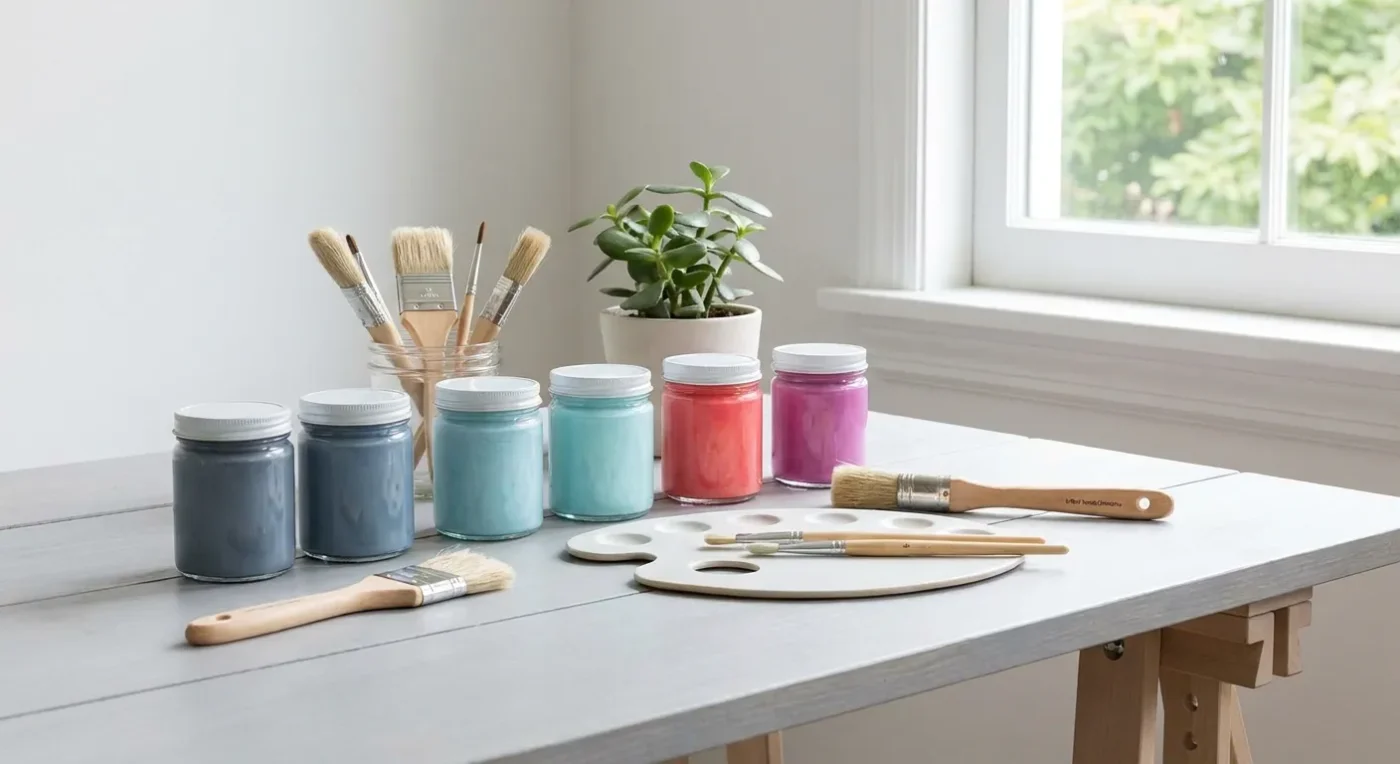

As decorative painters and folk art enthusiasts, we’re often inspired by the natural world – its vibrant colors, intricate patterns, and enduring beauty. However, have you ever considered the impact of your art supplies on the very environment that inspires you? In 2025-2026, there’s a significant and growing demand for sustainable art practices and eco-friendly art supplies. Artists worldwide are increasingly choosing materials that not only perform beautifully but also align with a commitment to environmental stewardship. Here at Paint Works Mag, we believe that painting with purpose means making conscious choices, and we’re here to guide you through the green revolution happening in the art world.
The Green Shift in Art: Why Eco-Friendly Art Supplies Matter
The global shift towards sustainability is impacting every industry, and the art world is no exception. As consumers, we are becoming more aware of our environmental footprint. This awareness extends to our creative pursuits. Consequently, the demand for sustainable and eco-conscious materials isn’t just a trend; it’s a fundamental change in how we approach our craft. Choosing sustainable art materials means:
- Reducing Waste: Opting for materials with recycled content or biodegradable packaging minimizes landfill waste.
- Protecting Health: Many traditional art materials contain harsh chemicals. Sustainable alternatives often prioritize non-toxic formulations, making your studio a safer place.
- Supporting Ethical Manufacturing: Brands committed to sustainability often employ responsible manufacturing processes. This reduces pollution and promotes fair labor practices. Companies like Royal Talens are making strides with new eco-friendly factory facilities, and Faber-Castell is recognized for its sustainable forestry practices.
What Makes Art Supplies “Eco-Friendly”?
It’s more than just a label; true eco-friendliness encompasses several factors. Indeed, understanding these aspects helps you make informed choices for your painting projects.
Non-Toxic Formulations
Look for paints, mediums, and varnishes that are certified non-toxic, low-VOC (Volatile Organic Compounds), or made with natural pigments and binders. These reduce your exposure to harmful chemicals and are better for the environment upon disposal. For example, many acrylic paint brands now offer professional-grade options with reduced toxins.
Sustainably Sourced Materials
This applies to everything from pigments to brush handles. Winsor & Newton, for example, introduced a premium watercolor line in February 2025 featuring sustainably sourced pigments and eco-friendly packaging. For brushes, look for bamboo handles or synthetic bristles made from recycled plastics. Crucially, avoid brushes made from endangered animal hair.
Recycled & Biodegradable Packaging
Packaging can be a major source of waste. Prioritize brands that use recycled cardboard, biodegradable plastics, or minimal packaging. Some innovative companies are even exploring refillable paint containers. Furthermore, supporting brands with thoughtful packaging reduces your overall environmental impact.
Responsible Manufacturing
Beyond the product itself, consider the manufacturing processes. Many brands are transparent about their carbon footprint reduction efforts, water conservation, and fair labor practices. Researching a company’s sustainability report can provide valuable insights into their overall commitment to the environment. This holistic approach ensures that your painting practice is truly aligned with ecological values.
Embracing Sustainable Painting Practices in Your Studio
Beyond choosing sustainable art materials, your studio habits also play a vital role in creating a more eco-conscious artistic practice. Integrating these habits can make a significant difference.
Water Conservation and Cleaning
Water is a precious resource, especially in painting. Instead of constantly running water, use multiple rinse jars for brushes, allowing paint particles to settle before carefully disposing of the water. For instance, you can use a two-bucket system: one for initial rinsing and another for a cleaner rinse. This method dramatically reduces water consumption. Additionally, consider using biodegradable brush cleaners instead of harsh solvents.
Safe Disposal of Art Materials
Proper disposal is paramount. Never pour paint water down the drain, especially if it contains heavy metals or synthetic polymers. Allow paint sludge to dry out and dispose of it as solid waste, or check with your local waste management facility for specific guidelines on hazardous waste. Empty paint tubes should also be disposed of responsibly. For oil painters, solvent-soaked rags need special attention due to flammability; store them in a fire-safe container.
Reusing and Repurposing
Before discarding, think about how you can reuse or repurpose materials. Old canvases can be gessoed over, paint palettes can be cleaned and reused, and even empty jars can become water containers. Repurposing materials not only saves money but also reduces waste. Moreover, this creative approach aligns perfectly with the resourceful spirit of folk art.
Top Eco-Friendly Art Supplies and Brands to Consider
The market for sustainable art materials is expanding rapidly. Here are some categories and brands making strides in offering more environmentally friendly options.
Paints and Pigments
Look for paints made with natural, plant-based, or mineral pigments. Acrylics with low VOCs or water-soluble oils are also excellent choices. Brands like Natural Earth Paint offer beautiful, non-toxic alternatives derived from pure earth pigments. Furthermore, some companies are developing acrylics using bio-based binders, further reducing reliance on petroleum products. When selecting your palette, prioritizing these options supports a healthier planet.
Brushes and Tools
Bamboo handles are a popular sustainable choice for brushes. Additionally, synthetic bristles made from recycled PET plastic are becoming more common and perform exceptionally well. Avoid brushes made from animal hair if sustainability is a primary concern, as sourcing can be ethically questionable. Consider tools made from sustainably harvested wood or recycled metals. For example, many palette knives now feature recycled aluminum handles.
Surfaces and Canvases
Explore canvases made from organic cotton or hemp, which are grown with less water and fewer pesticides than traditional cotton. Recycled paper or wood panels from sustainably managed forests (FSC certified) are also great options. Even preparing your own surfaces can be a sustainable practice, using reclaimed wood or cardboard. Choosing a sustainable surface is a key step in creating truly green artwork.
Drawing and Sketching Materials
For sketching, opt for pencils made from sustainably harvested wood or recycled paper. Erasers made from natural rubber are also a better choice than synthetic plastic versions. Refillable pens and markers further reduce plastic waste. For example, charcoal from willow branches can be a very natural and renewable drawing medium. These small changes collectively contribute to a larger impact.
The Future of Sustainable Art: Innovations and Trends
The art world is constantly evolving, and the push for sustainability is driving exciting innovations. We can expect even more sophisticated eco-friendly art supplies in the coming years. For instance, advancements in bio-based plastics mean we might see more biodegradable paint tubes and palettes. Furthermore, research into new plant-based pigments and binders continues to expand the palette of truly natural colors available to artists. The industry is responding to the demand for conscious consumption, which is excellent news for painters and the planet.
Circular Economy Principles
A growing trend is the adoption of circular economy principles, where materials are kept in use for as long as possible, then recycled or composted. This means brands are designing products for longevity and recyclability, and even exploring take-back programs for empty containers. As artists, we can support this by choosing brands committed to these principles and by properly recycling our art waste. This approach ensures resources are maximized.
Community and Education
The movement towards sustainable art is also fostering a stronger community. Workshops, online courses, and articles like this one at Paint Works Mag are helping to educate artists about greener practices. Sharing knowledge and tips with fellow painters can amplify the positive impact. For more guidance on refining your artistic process, consider exploring our article on Achieve Seamless Transitions: Mastering Smooth Paint Blending in Folk Art.
Making the Switch to Eco-Friendly Art Supplies
Transitioning to more sustainable art practices doesn’t have to happen overnight. Indeed, it can be a gradual process. Start by replacing one or two items with their eco-friendly counterparts. For example, when your current set of brushes wears out, consider replacing them with bamboo-handled synthetic brushes. Or, try a small set of natural earth paints for your next project. Every small step contributes to a larger, positive change. Moreover, you’ll likely discover new favorite materials along the way.
Educate yourself about the brands you buy. Many companies are transparent about their sustainability efforts, and a quick search on their website can reveal a lot. Look for certifications from reputable organizations that verify environmental claims. Remember, the goal is progress, not perfection. Even small adjustments in your purchasing habits and studio practices can significantly reduce your environmental footprint. Our Amazon Affiliate Disclaimer page provides more information on how we support our site while recommending products.
Ultimately, embracing eco-friendly art supplies and sustainable practices allows us to continue our passion for decorative painting and folk art while honoring the natural world that so deeply inspires us. By making conscious choices, we not only protect the environment but also foster a healthier, more responsible artistic community. Therefore, let’s paint a brighter, greener future, one brushstroke at a time. To learn more about our mission and resources, feel free to contact us.
FAQ
What are some simple ways to start painting more sustainably?
You can begin by using multiple rinse jars for brush cleaning to conserve water, properly disposing of paint waste, and choosing one or two sustainable art materials like bamboo brushes or non-toxic paints when you need to replace old supplies.
Are natural art materials always better for the environment?
Generally, natural art materials tend to have a lower environmental impact, especially if they are sustainably sourced and processed. However, it’s important to research specific products, as even natural materials can have an impact if not ethically produced or if they contain heavy metals.
Where can I find reputable brands for sustainable art materials?
Many art supply retailers are now highlighting their sustainable collections. Look for brands that are transparent about their sourcing and manufacturing processes, often detailed on their websites. Certifications like FSC for wood products or non-toxic labels are good indicators.
How do I properly dispose of old paints and solvents?
Never pour paints or solvents down the drain. Allow paint sludge to dry out and dispose of it as solid waste. For solvents and hazardous materials, check with your local waste management facility for specific guidelines on hazardous waste disposal programs in your area.
Will using greener art supplies compromise the quality of my artwork?
Not at all! Many sustainable art materials are developed with professional artists in mind and offer excellent quality, vibrancy, and durability. In fact, advancements in eco-conscious formulations mean you can achieve stunning results while aligning with your environmental values. For instance, some natural pigment paints offer unique textures and hues.
What is the benefit of low-VOC paints?
Low-VOC (Volatile Organic Compounds) paints release fewer harmful chemicals into the air as they dry, creating a healthier studio environment for artists. This also reduces air pollution, making them better for the overall environment compared to traditional high-VOC paints.