
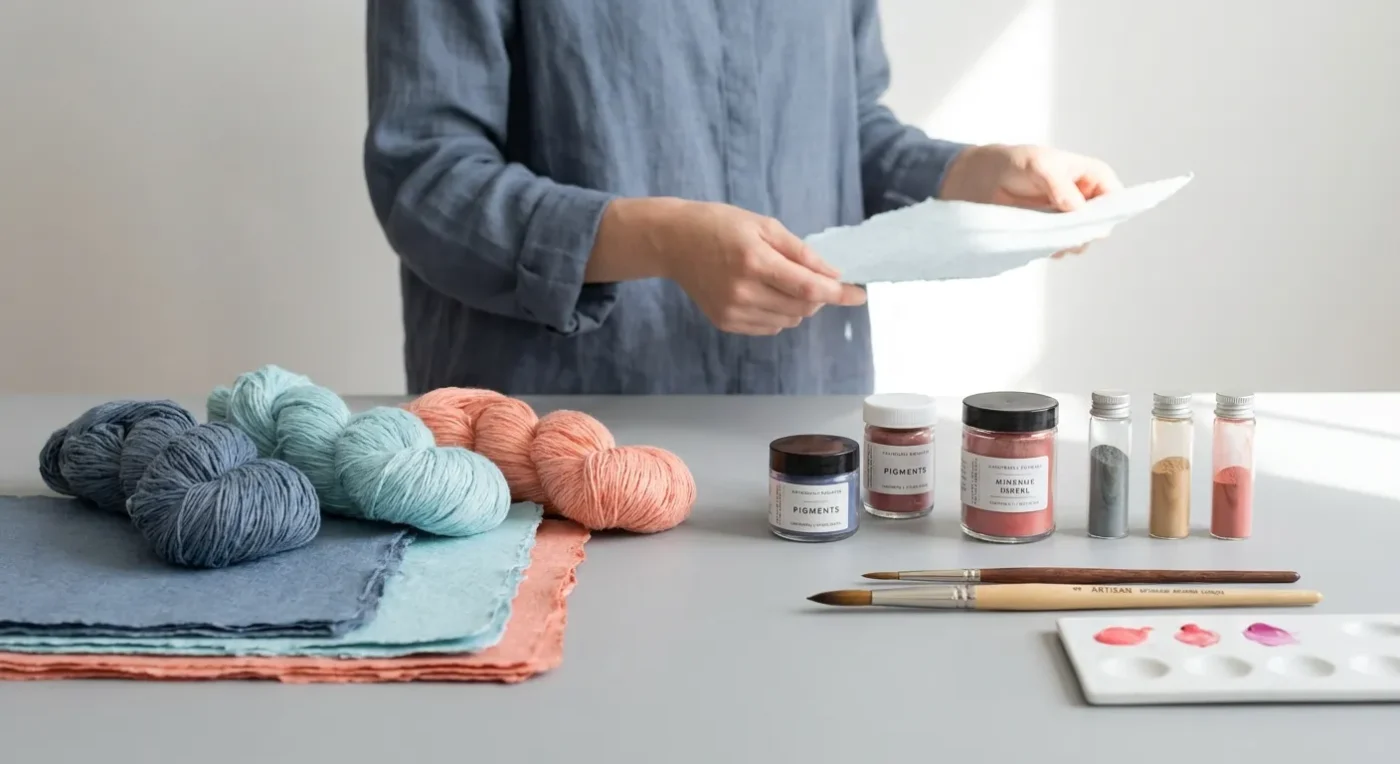

Have you ever felt like your decorative painting projects are missing that certain something? Perhaps you’re using the same brushes, the same paints, and the same surfaces, and you’re craving a way to infuse more originality into your folk art creations. You’re in luck! There’s a growing interest among artists in finding unique art materials and exploring niche brands that offer specialized products. Moving beyond the common options can truly transform your work, adding distinctive textures, vibrant effects, and a personal touch that sets your art apart. The global art paint market, valued at USD 2.91 billion in 2025 and projected to reach USD 3.09 billion in 2026, is constantly evolving, offering an exciting array of new possibilities. Statista reports on this growth, highlighting the expanding landscape for artists.
Why Explore Niche Brands When Finding Unique Art Materials?
While mainstream brands offer reliability and accessibility, niche brands often provide innovative solutions and specialized characteristics that can elevate your decorative painting. Here’s why diving into this world is so rewarding:
- Unleash Creativity: Unique materials can spark new ideas and encourage experimentation with techniques you might not have considered before.
- Achieve Distinctive Effects: Niche products often have specific formulations for unique textures, finishes, or color shifts that are hard to replicate with standard supplies.
- Personalize Your Style: By incorporating less common materials, your artwork develops a signature look that reflects your individual artistic voice.
- Support Artisans and Innovators: Many niche brands are small businesses founded by artists, committed to quality and innovation, offering a more personal connection to your supplies.
Where to Begin Your Search for Uncommon Supplies
Finding unique art materials requires a bit of detective work, but the treasure hunt is part of the fun! Indeed, the process itself can be inspiring. Furthermore, the discoveries you make often lead to entirely new artistic directions.
Online Specialty Stores & Marketplaces
Beyond the big-box art stores, numerous online retailers specialize in unique and imported art supplies. Etsy, independent artist supply websites, and international art material distributors are excellent places to start. Many smaller brands operate solely online, offering direct access to their specialized products. For example, some sites focus exclusively on handmade brushes or custom pigment blends, which can be exactly what your project needs. Consider exploring these avenues for truly distinctive finds.
Local Independent Art Shops
These gems often stock local artisan products or unique imports that larger chains overlook. The staff are usually artists themselves and can offer invaluable advice and recommendations. Moreover, they frequently host workshops or demonstrations that introduce new products and techniques. Building a relationship with your local art shop can be incredibly beneficial for discovering unusual items and gaining expert insights. Sometimes, these shops even carry discontinued lines or limited-edition items that become highly sought after.
Art Fairs & Artist Markets
Attending art fairs is a fantastic way to discover materials directly from the creators. Many artists formulate their own paints, develop unique tools, or repurpose unusual items into art supplies. You can often try samples and get firsthand tips. In addition, these events provide an opportunity to network with other artists and learn about their preferred supplies. It’s a vibrant environment where innovation in art materials often shines.
Specialized Paints and Mediums to Experiment With
Expand your palette and effects by exploring these exciting options. Consequently, your decorative painting will gain new dimensions and depth. Consider these suggestions as a starting point for your creative journey.
Textured Paints & Mediums
Textured paints and mediums add tactile dimensions to your decorative work. For instance, impasto gels can build thick, sculptural surfaces, while glass bead gels create a shimmering, granular finish. Similarly, pumice gels provide a gritty, stone-like texture. These materials are perfect for adding depth and interest to backgrounds or specific elements in your folk art. Experiment with applying them using palette knives or stiff brushes for varied effects. Remember, a little goes a long way in creating impactful textures.
Iridescent & Metallic Paints
These paints offer a stunning play of light and color. Iridescent paints shift hue depending on the viewing angle, while metallic paints provide a rich, reflective sheen. They are ideal for highlighting details, adding magical touches to fantastical creatures, or giving a luxurious feel to ornamental designs. Many brands offer interference colors that appear transparent but shimmer over dark backgrounds. Furthermore, combining them with traditional matte paints can create striking contrasts.
Specialty Pigments & Powders
Beyond pre-mixed paints, consider working with raw pigments or mica powders. These can be mixed with various binders to create custom paints, glazes, or washes. Pearl ex pigments, for example, are finely ground powders that add a pearlescent or metallic luster to almost any surface. They can be dusted onto wet paint, mixed into mediums, or used to create unique paint colors. This approach allows for ultimate customization and a truly bespoke color palette. Always use a mask when working with dry pigments.
Glow-in-the-Dark & UV Reactive Paints
For a truly unexpected element, glow-in-the-dark or UV reactive paints can add an exciting dimension to your decorative pieces. These are particularly fun for projects intended for children’s rooms or pieces that will be displayed in unique lighting conditions. Imagine a folk art piece that subtly transforms under black light! They can add an element of surprise and wonder to your artwork, engaging viewers in a different way. Many artists use these for hidden details that only appear in specific light.
Unconventional Surfaces for Your Decorative Painting
The surface you choose is just as important as the paint you use. Moving beyond traditional canvas or wood panels can open up a world of creative possibilities when searching for unique art materials.
Repurposed & Upcycled Items
Give new life to old objects by using them as painting surfaces. Old furniture pieces, wooden boxes, metal trays, or even smooth stones can become canvases for your decorative art. This approach is not only environmentally friendly but also adds character and history to your work. Moreover, the existing form of the object can inspire the design itself. For example, a vintage wooden spoon could be transformed with a delicate floral motif. Consider the texture and shape of the item when planning your design.
Textiles & Fabrics
Fabric painting offers a soft, pliable surface for decorative art. From clothing and tote bags to wall hangings and cushions, textiles provide a unique opportunity to integrate your art into everyday life. Use fabric paints or mediums mixed with acrylics to ensure durability and washability. This method allows you to create wearable art or custom home decor items. Furthermore, the drape and flow of fabric can add a dynamic quality to your painted designs.
Glass & Ceramics
Painting on glass or ceramics requires specialized paints that adhere to non-porous surfaces, often requiring heat setting. This opens up possibilities for creating custom mugs, plates, vases, or stained-glass-like effects. The translucent quality of glass, in particular, can create stunning light effects. Always ensure your paints are food-safe if you plan to use them on dinnerware. The smooth surface of glass presents a different challenge and reward compared to textured wood.
Tools and Accessories That Make a Difference
Beyond paints and surfaces, the right tools can significantly enhance your creative process and the final outcome of your decorative painting. This is another area where finding unique art materials can truly elevate your craft.
Specialty Brushes & Applicators
While you likely have a collection of standard brushes, consider exploring specialty brushes designed for specific effects. For instance, rake brushes create fine lines and textures, while fan brushes are excellent for blending or creating foliage. Sponges, textured rollers, and even household items like toothbrushes can also be used to apply paint in unconventional ways. Experimentation is key to discovering what works best for your desired aesthetic. There are also brushes designed for very specific folk art strokes.
Masking & Stenciling Supplies
Achieving crisp lines, intricate patterns, and repetitive designs often relies on effective masking and stenciling. Beyond basic painter’s tape, explore liquid frisket for delicate areas, or invest in custom-cut stencils. Laser-cut stencils, for example, offer incredible detail and precision. These tools allow you to create complex patterns with ease and consistency. Furthermore, they are excellent for adding professional-looking accents to your work. For more on achieving smooth results, consider our article on Mastering Smooth Paint Blending in Folk Art.
Embellishments & Adornments
Decorative painting doesn’t have to be limited to paint alone. Incorporate embellishments like glitter, beads, small charms, or even dried botanicals to add extra sparkle, texture, and dimension. These elements can transform a flat painting into a multi-sensory experience. Always ensure your chosen adhesive is suitable for both the embellishment and the painting surface. This is a delightful way of finding unique art materials that aren’t strictly paints or brushes.
Tips for Successfully Incorporating New Materials
Successfully integrating new materials into your decorative painting projects requires a thoughtful approach. Here are some tips to guide you on your journey of finding unique art materials:
- Start Small: Don’t overhaul your entire supply cabinet at once. Begin by purchasing one or two new items and experimenting with them on practice pieces. This allows you to understand their properties without committing to a large project.
- Read Reviews & Watch Tutorials: Before investing in a new product, look for reviews from other artists and watch video tutorials. This can provide valuable insights into how the material performs and suggest techniques for its use. Many artists share their experiences online.
- Experiment & Play: The best way to learn about new materials is to simply play with them. Try different application methods, combine them with your existing supplies, and see what unexpected effects you can create. Don’t be afraid to make