
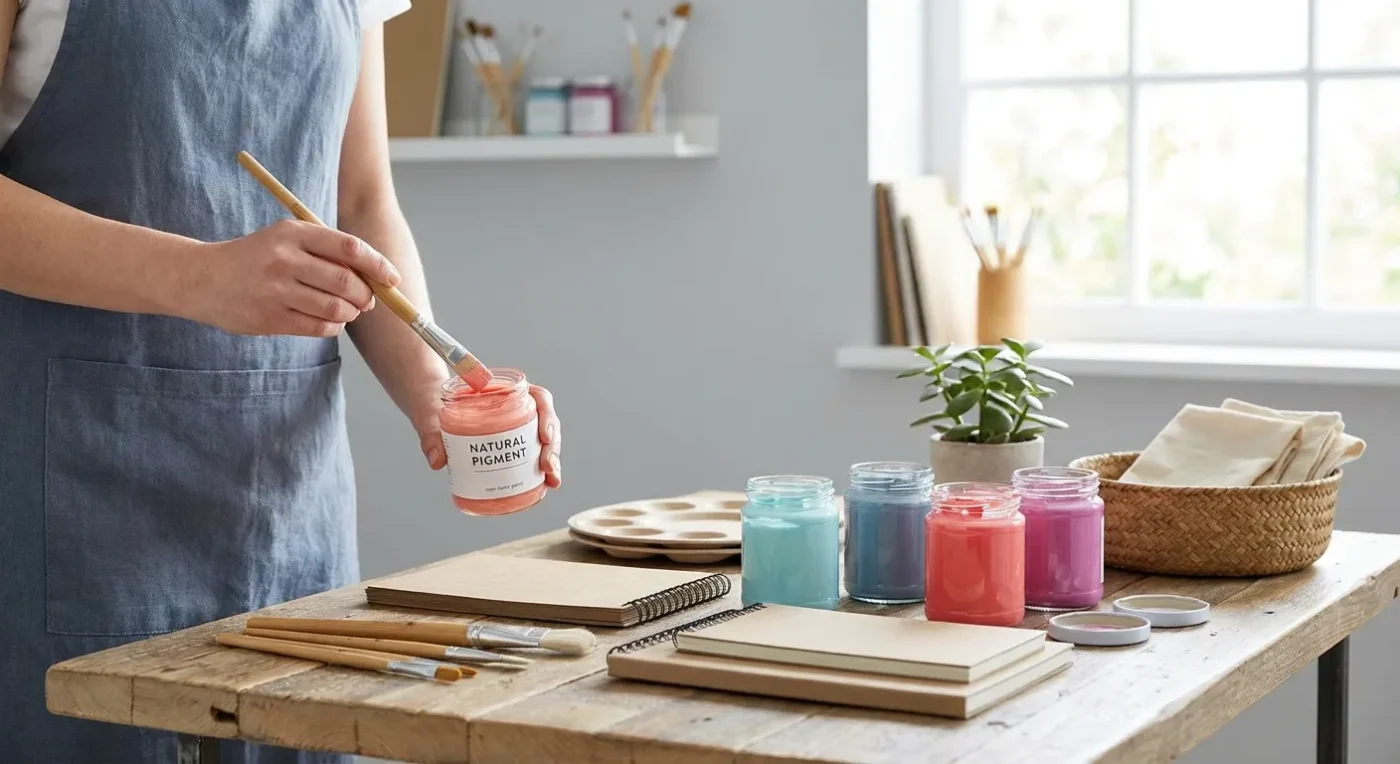

In the vibrant world of decorative arts and folk painting, our creative choices extend beyond color palettes and brushstrokes; they now encompass a mindful approach to the materials we use. As the industry experiences a dynamic shift towards sustainability – with companies like Royal Talens and Faber-Castell leading in responsible manufacturing and Winsor & Newton introducing new eco-friendly lines – there’s never been a better time to explore eco-friendly painting supplies. Making conscious decisions about your art materials not only benefits the planet but can also enrich your artistic process, aligning your passion with purpose.
Why Choose Sustainable Art Materials?
The demand for sustainable art practices is a significant trend in 2025-2026, driven by growing environmental awareness. Choosing environmentally safe paints and materials means reducing your carbon footprint, minimizing exposure to harsh chemicals, and supporting brands committed to ethical production. It’s about creating beautiful art without compromising the health of our planet or ourselves. For the hobbyist painter, embracing sustainable art materials can open up new avenues for creativity, encouraging experimentation with natural textures and pigments that might otherwise be overlooked.
Decoding Sustainable Materials: What to Look For in Green Art Products
When seeking green painting products, understanding what makes a material eco-friendly is key. Look for items made from recycled content, natural dyes, and organic or biodegradable mediums. Brands that prioritize low VOC (volatile organic compound) paints and non-toxic formulations are also excellent choices. For instance, the recent introduction of Winsor & Newton’s premium watercolor line with sustainably sourced pigments and eco-friendly packaging in February 2025 highlights a strong industry move in this direction. Furthermore, understanding certifications and labels can help you make informed decisions, ensuring the products truly meet environmental standards.
Paints and Pigments: Beyond the Basics
Opt for water-based acrylics and tempera paints that are easier to clean up and typically have fewer harsh chemicals than solvent-based alternatives. Explore natural pigments derived from minerals, plants, or even food waste. Many artisanal brands are now offering these beautiful, unique art supply brands, providing a rich, earthy palette that aligns perfectly with the current trend of natural tones like rich umbers, soft clays, and mossy greens. Consider brands like Natural Earth Paint, which offers artist pigments made from natural earth and mineral pigments, often packaged in recyclable materials. Similarly, Gamblin Artists Colors is known for its commitment to responsible manufacturing and offers mediums with reduced solvent content.
Brushes and Tools: Durable & Natural Choices
Consider brushes with bamboo handles or those made with synthetic fibers from recycled plastics. Proper care, such as thorough cleaning and conditioning, will significantly extend the lifespan of your brushes, reducing the need for frequent replacements. Look for tools designed for longevity, reflecting a commitment to sustainable craftsmanship. Moreover, selecting brushes from companies that use sustainably harvested wood for their handles or offer vegan brush options further reduces your environmental impact. Furthermore, many artists are exploring handmade tools from found materials, adding a personal and sustainable touch to their toolkit. For tips on maintaining your tools, you might find our guide on mastering smooth paint blending in folk art helpful, as proper care applies to all brushes.
Surfaces and Canvases: Reimagining Your Base
Instead of always buying new, think about reclaimed wood panels, recycled paper, or even fabric scraps for unique surfaces. Many companies now offer canvases made from organic cotton or hemp, which are grown with less water and fewer pesticides than conventional cotton. Upcycling materials not only reduces waste but also provides interesting textures and stories to your artwork. For example, old denim or linen can be prepared with a natural gesso made from chalk and rabbit skin glue (if animal products are acceptable for your ethical stance) or plant-based alternatives, offering a sturdy and distinctive surface. This practice encourages creativity and resourcefulness, truly embodying the spirit of sustainable art. Additionally, consider exploring art on biodegradable materials like cork or untreated wood, which can be sourced responsibly.
Setting Up Your Eco-Conscious Studio
Creating an environmentally friendly art space goes beyond just your materials. It involves mindful practices throughout your creative process. First, ensure good ventilation in your studio to minimize exposure to any fumes, even from low-VOC paints. Next, properly dispose of any waste. Water-based paints can often be rinsed down the drain with plenty of water, but always check local regulations. For solvent-based paints or larger quantities of paint waste, consult your local hazardous waste disposal facility. Furthermore, consider using reusable rags instead of paper towels and cleaning your brushes with natural soaps. Energy efficiency in your studio is also important; maximize natural light and use LED bulbs for artificial lighting. By integrating these habits, you contribute to a healthier planet and a safer working environment. Moreover, organizing your supplies efficiently can prevent unnecessary purchases and waste, which is a key aspect of sustainability.
The Benefits of Choosing Eco-Friendly Painting Supplies
Adopting sustainable art practices offers numerous advantages for both artists and the environment. Firstly, using non-toxic art supplies reduces health risks associated with chemical exposure, creating a safer studio environment. Secondly, by supporting brands that prioritize ethical and sustainable production, you contribute to a more responsible industry. Thirdly, these materials often encourage a deeper connection to nature, inspiring new artistic expressions and color palettes. Many artists find that working with natural pigments and recycled materials sparks new creative ideas and challenges, pushing the boundaries of their artistic practice. This shift can lead to a more fulfilling and purpose-driven artistic journey. Furthermore, the longevity of high-quality, sustainably made tools means fewer replacements and less waste over time. Finally, sharing your commitment to sustainable art can inspire others in the creative community, fostering a larger movement towards environmental responsibility.
Exploring Brands Committed to Sustainable Art
Several brands are making significant strides in offering eco-friendly painting supplies. Beyond the examples mentioned earlier, research companies that transparently list their ingredients and production methods. For instance, some smaller, independent brands specialize in handmade watercolors using locally sourced, non-toxic pigments. Others focus on creating sustainable canvases or recycled paper products. When shopping for sustainable art materials, reading reviews and doing a bit of research can help you identify truly committed brands. Look for certifications like the AP (Approved Product) Seal from the Art & Creative Materials Institute (ACMI), which indicates non-toxicity. Additionally, support local artisans who often prioritize sustainable practices and natural materials. For more information on responsible manufacturing, you can check out resources from organizations like the Environmental Paper Network.
Innovative Techniques for Sustainable Art
Beyond choosing sustainable art materials, artists can adopt innovative techniques to further reduce their environmental impact. Consider creating your own pigments from foraged natural materials like berries, roots, or even kitchen scraps. This practice not only provides unique colors but also deepens your connection to the natural world. Another technique involves eco-printing, where plant materials are directly pressed onto fabric or paper to transfer their dyes and patterns. Furthermore, experimenting with natural binders like gum arabic (for watercolors) or casein (for milk paint) can replace synthetic alternatives. Embracing mixed media with repurposed items, such as old maps, newspapers, or fabric scraps, also adds layers of meaning and texture to your work while diverting waste from landfills. These approaches encourage resourcefulness and push artistic boundaries, demonstrating that art can be both beautiful and environmentally conscious. For those looking to overcome creative blocks, integrating these new techniques might even reignite your muse.
The Future of Art: A Sustainable Path
The movement towards sustainable art is not just a trend; it’s a fundamental shift in how artists and brands approach creativity. As consumers become more aware of environmental issues, the demand for eco-friendly painting supplies will continue to grow. This will, in turn, drive innovation in manufacturing, leading to even more accessible and effective sustainable options. Artists play a crucial role in this evolution by making conscious choices and advocating for greener practices. By embracing sustainable art materials and techniques, we can ensure that the beauty of decorative arts continues for generations to come, without compromising the planet. It’s a journey of continuous learning and adaptation, but one that is ultimately rewarding for both the artist and the world around us. Your choices today impact the artistic landscape of tomorrow. We encourage you to explore these options and share your journey with us. Please feel free to contact us if you have questions about specific products or techniques.
Conclusion: Painting a Greener Future
Embracing eco-friendly painting supplies is a powerful step towards aligning your artistic passion with a commitment to environmental stewardship. From selecting non-toxic paints and natural pigments to choosing sustainable brushes and canvases, every decision contributes to a healthier planet and a more mindful creative practice. The decorative arts community has a unique opportunity to lead by example, demonstrating that beautiful art can be created with conscience and care. We encourage you to explore the growing array of sustainable art materials available and integrate these practices into your studio. By doing so, you not only enrich your own artistic journey but also contribute to a greener, more sustainable future for art for everyone.
FAQ
What makes painting supplies considered environmentally safe?
Environmentally safe painting supplies are typically made from non-toxic, natural, or recycled materials. They often feature low or no VOCs (volatile organic compounds) and are produced through sustainable manufacturing processes that minimize environmental impact. Look for certifications that indicate non-toxicity and responsible sourcing.
Are natural pigments as vibrant as synthetic ones?
Natural pigments can be incredibly vibrant and offer a unique, earthy palette that synthetic pigments often lack. While their intensity might differ in some cases, they provide a rich depth and subtle variations that many artists find appealing. Experimenting with them can open up new creative possibilities and a deeper connection to natural colors.
How can I dispose of my art waste responsibly?
Responsible disposal varies by material. Water-based paint residue can often be rinsed down the drain with plenty of water. However, for solvent-based paints, aerosols, or large quantities of any paint, it’s crucial to take them to a local hazardous waste disposal facility. Always check your local regulations for specific guidelines.
Are sustainable art materials more expensive?
Initially, some sustainable art materials might have a slightly higher upfront cost due to specialized production or natural ingredient sourcing. However, their longevity and the health benefits often provide long-term value. Additionally, supporting smaller, ethical brands often means investing in higher quality products that last longer, reducing the need for frequent replacements.
Where can I find reliable information on green art product brands?
Look for brands that are transparent about their ingredients and sourcing. Check for certifications from reputable organizations like the Art & Creative Materials Institute (ACMI) for non-toxicity. Online art supply retailers often highlight their sustainable collections, and many environmental art blogs or communities share recommendations and reviews of ethical art brands. Additionally, resources like the Green America website can offer insights into eco-friendly companies across various industries, including art supplies.