

For any decorative painter or folk art enthusiast, your brushes are more than just tools; they are extensions of your creative spirit. They translate your vision onto the surface, bringing intricate details and vibrant colors to life. Investing in quality brushes is important, but equally crucial is knowing how to care for them properly. This guide focuses on practical steps for prolonging art brush life, ensuring your trusted companions remain in prime condition, project after project, and continue to perform beautifully.
The Foundation: Understanding Your Brushes
Before diving into care, it’s helpful to understand the basics. Brushes come in various shapes and sizes, each designed for specific techniques in decorative painting, from fine liners for delicate details to flat washes for broad strokes. Furthermore, they also feature different bristle types: natural hair (like sable or hog) for oil and watercolor, and synthetic fibers (nylon, polyester) which are often preferred for acrylics due to their durability and spring. Knowing your brush type helps in selecting the right cleaning and care methods for extending brush lifespan.
Immediate Post-Painting Care: The Golden Rules
The single most important rule for prolonging art brush life is immediate cleaning. Never let paint dry in your bristles, especially near the ferrule (the metal part connecting bristles to the handle). Dried paint can permanently damage bristles, causing them to splay or harden, rendering the brush unusable for fine work.
Cleaning Acrylic & Water-Based Paints
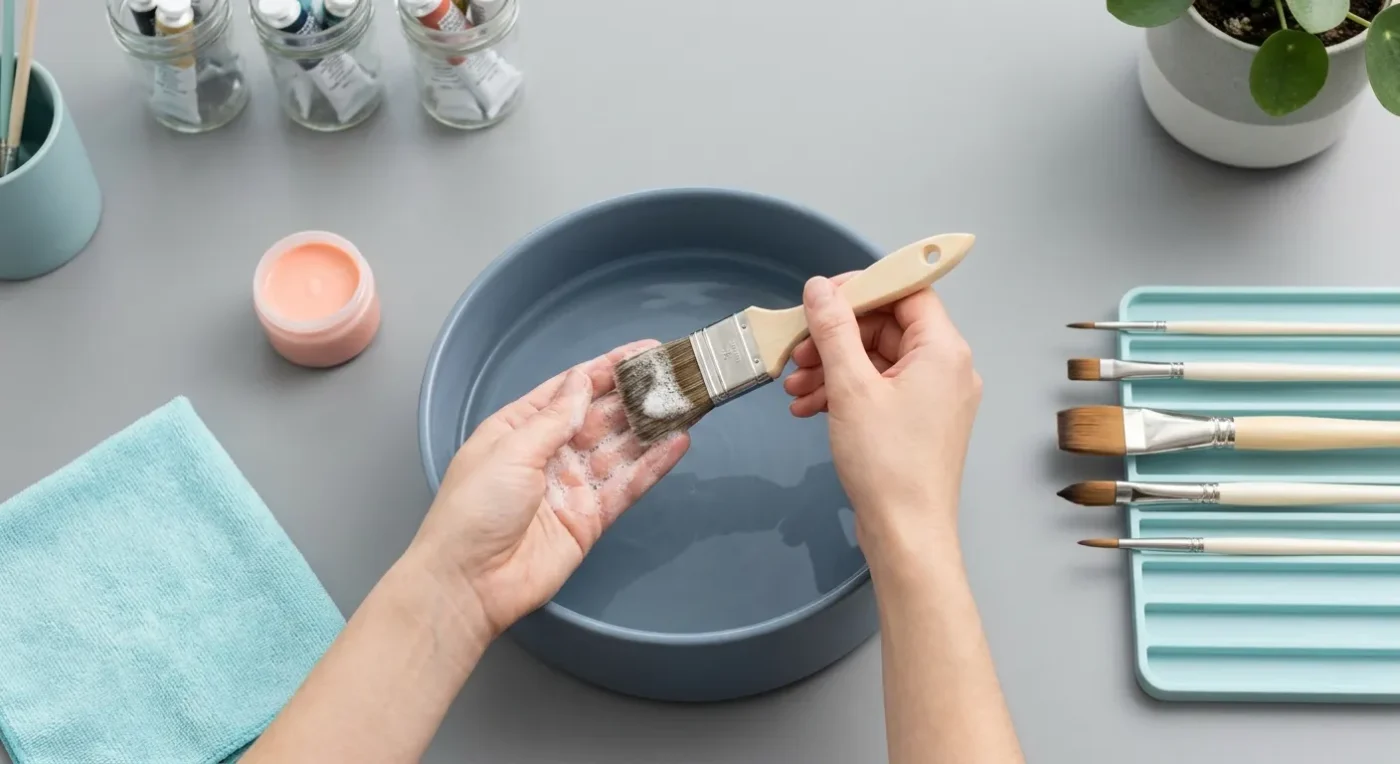
Firstly, as soon as you finish painting, gently rinse your brush under lukewarm water, working the paint out of the bristles. Next, apply a small amount of mild soap (like saddle soap or artist’s brush soap) to your palm. Gently work the brush into the soap, rotating it to create a lather that penetrates all the bristles. Then, rinse thoroughly until all soap and paint residue are gone. Ensure the water runs clear. Finally, gently reshape the bristles with your fingers to their original form.
Cleaning Oil-Based Paints
Initially, wipe off as much excess paint as possible with a rag or paper towel. Subsequently, dip the brush into a brush cleaner or odorless mineral spirits. Swirl gently, then wipe the bristles clean on a rag. Following this, wash thoroughly using artist’s brush soap and water, ensuring all solvent and paint are removed. This step is crucial for maintaining art brushes and preventing bristles from drying out. Lastly, rinse well with water and reshape the bristles.
Advanced Brush Maintenance for Prolonging Art Brush Life
Beyond daily cleaning, a few extra steps can significantly preserve paint brushes. For instance, conditioning can be highly beneficial.
Conditioning Your Brushes
For natural hair brushes, a tiny amount of hair conditioner after cleaning can restore pliability and prevent brittleness. Similarly, some synthetic brushes also benefit from specialized brush conditioners designed for artists’ tools. Apply the conditioner, let it sit for a minute, then rinse thoroughly and reshape. This practice truly aids in the long-term preservation of your brushes.
Proper Drying Techniques
After cleaning, never dry your brushes upright with the bristles pointing up. Water can seep into the ferrule, weakening the glue and causing bristles to fall out. Instead, lay them flat on a clean cloth or hang them upside down using a brush drying rack. This allows water to drain away from the ferrule, thus safeguarding your tools. Proper drying is a key aspect of maximizing brush longevity.
Optimal Storage Solutions
Storing your brushes correctly is just as important as cleaning them. Avoid storing brushes bristle-down, as this can bend and damage the delicate tips. Likewise, do not store them in a crowded container where bristles are pressed against each other. Instead, consider using a brush roll, a brush box, or a jar with the bristles pointing upwards and ample space between them. This helps maintain their shape and prevents accidental damage. Furthermore, keeping them away from direct sunlight and extreme temperatures will prevent handles from cracking and bristles from deteriorating.
Recognizing When to Retire a Brush
Even with the best care, brushes eventually wear out. Knowing when to replace a brush is part of maintaining the quality of your artwork. Signs of wear include splayed bristles that no longer hold their shape, a ferrule that has become loose, or a handle that is cracked and uncomfortable to hold. While it might be hard to part with a favorite tool, using a damaged brush can hinder your progress and affect the precision of your work. Therefore, replacing worn brushes ensures you always have the best tools for your creative endeavors.
Special Considerations for Different Brush Types
The type of bristles significantly influences specific care requirements, thereby impacting the overall lifespan of your painting tools. For example, natural hair brushes, often used with oils and watercolors, are more delicate. They require gentle cleaning and conditioning to prevent breakage and maintain their natural spring. Conversely, synthetic brushes, commonly paired with acrylics, are more resilient. However, they still benefit from thorough cleaning to prevent acrylics from drying and hardening within the bristles. Understanding these nuances is vital for prolonging art brush life effectively.
Beyond Cleaning: Preventing Damage During Use
Caring for your brushes extends beyond post-painting rituals. How you use them also impacts their lifespan. Avoid pressing too hard on your brushes, especially fine detail brushes, as this can permanently bend or splay the bristles. Additionally, do not leave brushes soaking in water for extended periods, particularly with the ferrule submerged, as this can loosen the glue and damage the handle. If you need to step away from your work, simply wipe the excess paint and place the brush on a brush rest or lay it flat. For more insights on achieving seamless transitions in your art, consider exploring our guide on Achieve Seamless Transitions: Mastering Smooth Paint Blending in Folk Art.
The Role of Quality in Brush Longevity
While proper care is paramount, the initial quality of your brushes also plays a significant role in their longevity. High-quality brushes are often made with better materials and craftsmanship, meaning they are more durable and can withstand repeated use and cleaning. Investing in artist-grade brushes, even if they cost a bit more upfront, can save you money in the long run as they will last much longer than cheaper alternatives. Consequently, this allows you to focus more on your artistic expression rather than constantly replacing tools. For further reading on artistic tools and techniques, you might find valuable resources at Artists Network or Dick Blick Art Materials.
Maintaining Your Creative Flow with Well-Cared-For Tools
Maintaining your brushes is not just about saving money; it’s about preserving the quality of your artwork and enhancing your painting experience. A well-cared-for brush performs consistently, allowing you to achieve the precise strokes and details your creative vision demands. Conversely, a damaged brush can lead to frustration and compromise your artistic output. By consistently applying these care tips, you are ensuring the longevity of your valuable tools and, by extension, the longevity of your joy in decorative painting. Therefore, dedicate time to proper brush maintenance; it is an investment in your artistic journey and a testament to your craft. This commitment is essential for prolonging art brush life and ensuring every stroke is a pleasure.
Conclusion
Mastering the art of decorative painting involves not only skill and creativity but also a deep respect for your tools. By understanding your brushes, implementing immediate post-painting care, and adopting advanced maintenance techniques, you are actively preserving paint brushes and extending their functional life. Remember, a clean, well-maintained brush is a happy brush, ready to bring your next artistic vision to life with precision and grace. Prioritizing brush care is a small effort that yields significant rewards in your painting journey. This diligent approach is key to prolonging art brush life for years to come.
FAQ
How often should I clean my paintbrushes?
You should clean your paintbrushes immediately after each painting session, especially if you are using acrylic or oil-based paints. This prevents paint from drying and hardening in the bristles, which can permanently damage them. Consistent cleaning helps maintain the integrity of your tools.
Can I use household soap to clean my art brushes?
While mild household soap can be used in a pinch, artist-specific brush soaps or saddle soap are generally recommended. These products are formulated to be gentle on bristles and effective at breaking down paint without causing damage. Regular use of harsh soaps can dry out or degrade natural hair bristles.
What is the best way to store brushes to extend their life?
The best way to store brushes is either flat on a surface, bristles-up in a container, or in a brush roll. Avoid storing them bristles-down or in crowded containers where the bristles can get bent or splayed. Proper storage helps maintain their original shape and protects the delicate tips.
Why is it important to reshape bristles after cleaning?
Reshaping bristles after cleaning helps them dry in their original form. If bristles dry splayed or out of shape, they may lose their effectiveness and precision for future painting tasks. This simple step is crucial for maintaining the brush’s intended function and ensuring top performance.
How can I prevent paint from drying near the ferrule?
To prevent paint from drying near the ferrule, ensure you thoroughly work the soap and water (or solvent) into the base of the bristles during cleaning. This area is often overlooked but is critical, as dried paint here can cause bristles to splay and weaken the brush’s structure over time. Being diligent in this area is vital for preserving paint brushes.