
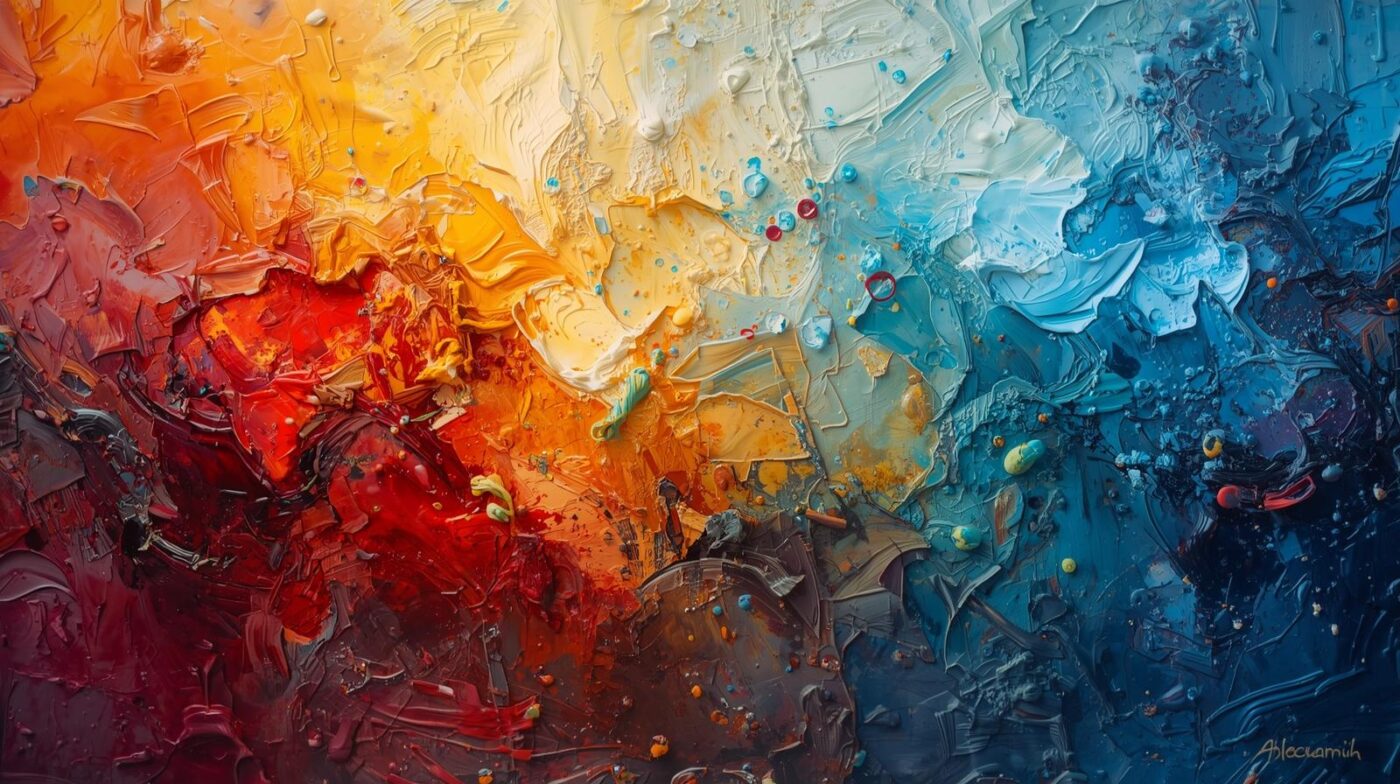

If you’ve ever wondered how artists achieve those glowing, dimensional tones that seem to shift with the light, glazing is the secret. This centuries-old technique helps painters create rich and complex colors without muddying their palettes. With glazing, you add thin, translucent layers of color on top of dry paint, allowing light to pass through and bounce back in a way opaque layers can’t match. When used correctly, glazing complex colors becomes one of the most powerful tools in your artistic toolbox.
Glazing may sound intimidating, yet it’s more accessible than many artists believe. You don’t need advanced training to get stunning results. You just need a basic understanding of how transparent pigments interact, how layering works, and how your chosen medium behaves. Because of its versatility, glazing helps beginners build confidence and helps experienced artists refine their personal style. Whether you work with acrylics, oils, or watercolor, glazing opens creative possibilities that flat application alone could never achieve.
Why Glazing Creates Such Rich, Complex Colors
Glazing complex colors works because of how light interacts with transparent paint. When light enters a glazed layer, it passes through multiple translucent films before reflecting outward. Each layer shifts the hue slightly, which creates depth and vibrancy. Instead of mixing pigments directly—which sometimes dulls color—you stack them optically, allowing each layer to influence the final result.
This process mimics natural light in the real world. Think about stained glass or sunlight filtering through a leaf. Those shifting tones happen because multiple layers of color shape how the light moves. Your glazed painting works the same way. Even a simple subject can become more intriguing when you glaze.
Additionally, glazing helps unify a composition. When you sweep a thin glaze across large areas, you create harmony between tones. Colors that once felt disconnected start to relate to each other. As a result, your painting gains a cohesive atmosphere. This ability to subtly guide viewers’ eyes is one reason glazing remains a foundational technique for artists across styles and mediums.
Choosing the Right Materials for Glazing Complex Colors
Successful glazing starts with the right materials. Because glazing complex colors relies on transparency, pigment choice matters. Look for transparent or semi-transparent paints. These pigments allow light to pass through them. Opaque paints block light and won’t create the glowing effects glazing depends on.
For acrylic artists, glazing medium is essential. It thins the paint without weakening its binding strength. Water alone may cause streaking or chalkiness. Oil painters rely on linseed oil, walnut oil, or specialty glazing mediums that extend drying time and increase flow. Watercolor painters glaze more naturally, since the medium itself is transparent, but still benefit from controlling water ratios carefully.
Brush choice affects your results as well. Soft synthetic brushes create smooth, even glazes. Stiffer brushes can leave visible texture, which sometimes works beautifully, but may not suit every project. Having a few brush options nearby allows you to adjust as you work.
The surface you paint on also matters. Smooth surfaces support more even glazing. Rougher textures catch paint inconsistently, creating interesting but unpredictable results. Both approaches can be useful—it simply depends on your vision.
Preparing Your Painting for Effective Glazing
Before applying any glaze, your base layers must be completely dry. If not, the glaze will blend with the underlying paint rather than floating above it. This blending can create muddy colors, especially when glazing complex colors that rely on precise layering. Acrylics dry quickly, while oils may require days or even weeks before glazing.
Once your surface is ready, think about what effect you want. Glazing isn’t random. Each layer should serve a purpose. Do you want to warm a shadow? Cool a highlight? Deepen a mid-tone? Add drama to a sky or softness to skin tones? When you have a goal, your glazes become intentional tools rather than guesswork.
It also helps to test your glazes before applying them to your main piece. Use a scrap surface or corner of your palette. Because glazes dry darker, testing helps you build confidence and avoid surprises.
Finally, prepare your medium-to-paint ratio. Your glaze should be thin enough to remain translucent but strong enough to leave visible impact. Many artists start with a 1:4 paint-to-medium ratio, then adjust as needed. The more you experiment, the more intuitive this becomes.
Building Layers That Add Depth and Realism
The real magic of glazing complex colors happens when you begin layering. Because each layer shifts the visual temperature or value, small adjustments build dramatic results. Start with light glazes, then gradually increase intensity. Subtlety matters. A single heavy glaze can overwhelm your previous layers, while several delicate layers create pleasing transitions.
Glazing shines when used to build realistic shadows. A cool blue glaze deepens shadows without turning them muddy. A warm brown glaze adds richness to wood grain or fabric folds. When you stack these glazes strategically, your shadows feel alive.
Glazing also enhances highlights. Although highlights are often applied opaquely, glazing around them can make them glow. A yellow glaze surrounding a white highlight warms it. A soft violet glaze cools it. These small choices allow your painting to communicate mood and light more effectively.
Even abstract painters enjoy glazing. By layering unexpected colors—teal over orange, magenta over green—they create complex interactions that spark visual excitement. Because the layers remain partially visible, each color contributes to a final result that feels multidimensional.
Using Glazing to Adjust Color Temperature and Mood
One of the most practical benefits of glazing complex colors is its ability to correct or fine-tune your painting. Let’s say your scene feels too warm. A cool, translucent glaze instantly restores balance. If your portrait seems lifeless, a subtle red glaze across the skin can revive warmth.
Color temperature deeply affects mood. A blue glaze creates calm. A yellow glaze suggests optimism. A green glaze implies nature and growth. When you glaze thoughtfully, you guide emotional responses without altering composition. It’s like adjusting the lighting in a photograph—small changes transform the entire atmosphere.
Moreover, because glazes are reversible in oils and adjustable in acrylics, you can experiment freely. Add a glaze. Step back. Study the shift. If the effect isn’t right, modify it with another layer. Glazing allows you to shape your painting slowly and intentionally, almost like sculpting with color.
Common Mistakes When Glazing and How to Avoid Them
Even experienced artists encounter challenges with glazing complex colors. Fortunately, most issues are easy to fix with awareness and patience.
One common mistake is applying a glaze that’s too thick. Thick glazes lose transparency and can appear streaky. To avoid this, always err on the side of thinness. You can build intensity gradually through multiple layers.
Another mistake is glazing over wet paint. When layers blend unintentionally, you lose the optical color effect. Allow full drying time between layers. This step feels slow, but it’s essential for clean results.
Some artists also choose opaque colors without realizing it. Opaque paints block light and don’t glaze well. Check pigment labels for transparency ratings before selecting your colors.
Lastly, rushing the process reduces quality. Glazing is not a fast technique. It rewards patience. When you embrace its rhythm, your colors become richer and more expressive.
Experimenting With Glazing to Develop Personal Style
Although glazing has traditional roots, it’s also a playground for creative experimentation. Once you understand the basics, you can use glazing complex colors to develop a signature style that sets your work apart.
Try glazing unexpected color combinations. A red glaze over a green base can produce surprising harmony when used thoughtfully. Glaze bold colors in soft layers to build energy without overwhelming the viewer. You can even glaze textured surfaces to highlight ridges and valleys.
Many artists create atmospheric backgrounds entirely with glazes. Others build luminous skin tones through dozens of layered films. Some artists glaze deeply saturated colors to create jewel-like effects that grab attention instantly.
The more you experiment, the more you discover what feels natural and expressive to you. Glazing becomes not just a technique but a creative language.
How Glazing Enhances Detail and Precision
Another advantage of using glazing complex colors is the control it offers. Because glazes are translucent, they allow you to modify areas without covering details. This makes glazes ideal for fine-tuning edges, adjusting transitions, or enriching subtle features.
Portrait painters often rely on glazes to perfect undertones. A whisper-thin glaze across the cheeks adds warmth. A transparent violet adds depth to shadowed areas. The details remain crisp, yet the overall color becomes more dimensional.
Landscape painters benefit too. A distant mountain may feel too bright. A soft blue glaze pushes it back visually, enhancing depth. Water reflections become richer with layered glazes. Even foliage gains variety when you glaze warm and cool tones alternately.
Glazing also improves blending. Instead of forcing wet colors together, you soften transitions with thin layers until the painting looks seamless. This method offers more control and reduces the risk of muddying your colors.
Conclusion
Glazing is one of the most rewarding ways to build rich, complex colors that elevate your artwork. When you learn how to use glazes strategically, you gain more control over light, depth, and mood. Every layer adds meaning. Every thin wash contributes to a final result that feels alive. With patience, experimentation, and the right approach, glazing allows you to transform ordinary color into something luminous and unforgettable. Embracing this technique will help you grow as an artist and deepen your connection with the painting process.
FAQ
- What is glazing in painting?
Glazing involves applying thin, transparent layers of paint over dry layers to create rich, layered colors. - Which paints work best for glazing?
Transparent or semi-transparent acrylics, oils, and watercolors work best because they allow light to pass through. - How long should I wait between glaze layers?
Acrylics dry within minutes. Oils require hours or days. Always ensure the previous layer is fully dry. - Can I glaze with opaque colors?
Opaque colors don’t glaze well. Use transparent pigments for the best optical effects. - Why are my glazes streaky?
Streaks appear when glazes are too thick or applied unevenly. Use more medium and softer brushes.