
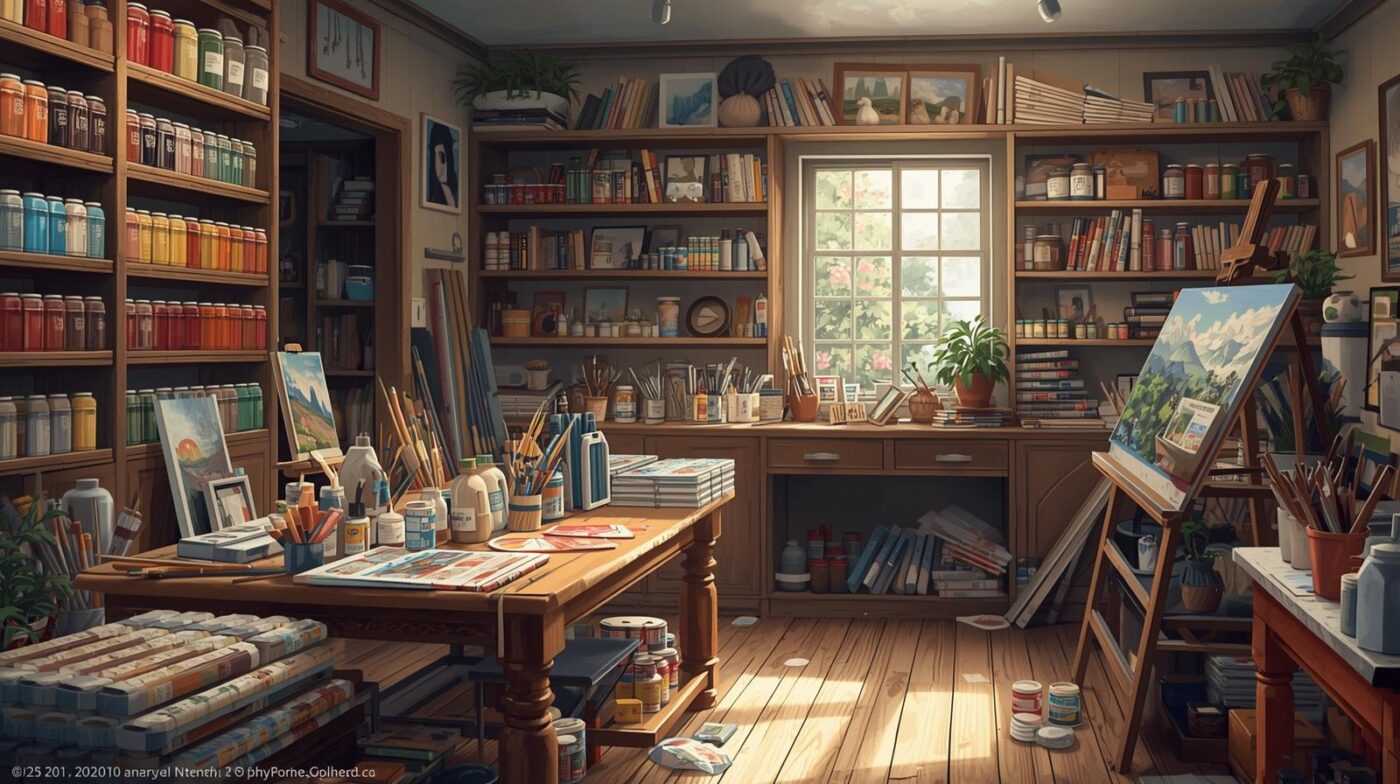

Creating art at home should feel inspiring, peaceful, and safe. Yet many artists overlook one crucial part of a healthy creative practice: choosing safe painting materials. From pigments to solvents to surfaces, your materials influence not only your artwork but also the air you breathe and the long-term safety of your studio environment. When you understand how to pick safer products, you protect your health, maintain cleaner air, and avoid unnecessary risks in your workspace.
Painting is meant to be joyful. However, some traditional materials contain toxins that can irritate your skin, harm your lungs, or accumulate in your living space over time. This doesn’t mean you must abandon your favorite medium. In fact, you can continue creating beautiful art by simply selecting safe painting materials that minimize exposure to harmful ingredients. Once you know what to look for, these choices become natural and even empowering. You gain confidence knowing your creative practice supports your well-being rather than compromising it.
Why Choosing Safe Painting Materials Matters
Your home studio is different from a commercial art space. It likely has less ventilation, more shared living areas, and family members or pets nearby. Because of this, using safe painting materials becomes essential. When you work with paints, mediums, and cleaners inside your home, fumes and particles can linger much longer than you expect. Even low-level exposure adds up over time.
We often underestimate how chemicals affect us because reactions aren’t always immediate. But headaches, dizziness, skin irritation, and respiratory discomfort are common signs that your materials may be unsafe. Long-term use of toxic ingredients can create more significant health issues. Choosing safe painting materials prevents these risks while letting you continue doing what you love.
Safer materials also create a more enjoyable painting experience. Your studio feels fresher. You breathe easily. You work without worrying about hidden dangers. As a result, your creativity flows with less tension and more freedom. Once you begin selecting safer options intentionally, you’ll wonder why you ever painted without this knowledge.
Understanding Labels and Safety Certifications
The first step in choosing safe painting materials is learning to read labels. Manufacturers include vital information about ingredients, safety warnings, and handling recommendations. Yet many artists overlook this information or assume it’s too complicated to understand. Fortunately, once you learn a few key terms, labels become straightforward.
The most important label to look for is AP (Approved Product). This seal, given by the Art and Creative Materials Institute (ACMI), indicates that the material is nontoxic and safe for use in home studios. AP-certified products contain no harmful levels of toxic substances and are suitable for all ages.
Another label is CL (Cautionary Label). This means the product contains ingredients that require special care. CL-labeled materials are not necessarily unsafe, but they must be handled responsibly. If your goal is to use safe painting materials consistently, prioritize AP-labeled items whenever possible.
Additionally, look for phrases such as low VOC, water-based, nonflammable, and nontoxic pigments. These terms signal safer formulations. The more familiar you become with product labels, the easier it becomes to make informed choices that support your health.
Safer Paint Options for Home Studios
Your paint itself is one of the most important choices you’ll make. Different mediums carry different risks. Fortunately, safer alternatives exist for nearly every type of paint. By choosing safe painting materials from modern formulations, you maintain quality without compromising health.
Acrylic Paints
Acrylics are among the safest options because they are water-based and low in odor. However, not all acrylics are created equal. Some contain harmful additives or pigments like cadmium or cobalt. To ensure you’re using safe painting materials, choose acrylics labeled AP. Many manufacturers now offer cadmium-free versions that mimic traditional colors with far lower risk.
Additionally, avoid sanding dried acrylic paint, as this creates dust you can inhale. Instead, use wet techniques to modify surfaces safely.
Watercolors and Gouache
Watercolor and gouache are excellent choices for home studios because they are water-based and produce very little odor. Most are already considered safe painting materials, especially student-grade options. Yet some professional grades include heavy-metal pigments, so always check the label.
While these paints are generally safe, avoid letting pigment-rich water sit uncovered. Rinse cups regularly and dispose of wastewater responsibly.
Oil Paints
Oil paints can be safe when used correctly, but they require more attention. Traditional oils contain solvents that release fumes, making them less ideal for home studios. However, modern alternatives solve this issue. If you work with oils, choose water-mixable oil paints. They offer the same richness without the need for turpentine or mineral spirits.
Water-mixable oils pair well with water-based mediums, eliminating most fumes. When selecting safe painting materials, these paints are one of the best substitutions for artists who love oil painting but need a healthier setup.
Choosing Healthy Solvents and Mediums
Solvents are one of the biggest concerns in home studios because they release volatile organic compounds (VOCs). VOCs linger in indoor air, contributing to headaches, dizziness, and long-term health risks. To create a safer workspace, choose safe painting materials that avoid traditional solvents entirely.
Water-mixable oils reduce or eliminate the need for solvents. If you must use a solvent, select odorless mineral spirits (OMS) with low VOC ratings. Although still a chemical product, OMS is significantly safer than turpentine. Keep containers tightly sealed and use them only in well-ventilated spaces.
For acrylics, avoid harmful mediums containing ammonia or strong preservatives. Instead, choose non-toxic acrylic mediums that are clearly labeled AP. These products enhance paint performance without releasing dangerous fumes.
Gels, varnishes, and retarders should also be chosen carefully. Always select water-based versions whenever possible. They provide excellent performance while supporting your goal of using safe painting materials.
Identifying Safe Pigments and Avoiding Toxic Colors
Pigments determine the color of your paint, but some pigments are hazardous. Heavy metals such as cadmium, cobalt, and chromium create stunning hues yet pose health risks. When inhaled or absorbed through the skin, these metals can cause serious harm.
To choose safe painting materials, look for hue versions of traditional colors. For example, “cadmium red hue” or “cobalt blue hue” offers the same shade without the toxicity. Modern synthetic pigments are remarkably high quality and often more consistent than the originals.
Additionally, avoid sanding dried paint that contains heavy metals. Inhaling pigment dust is one of the fastest ways to expose yourself to harmful materials. If you must sand painted surfaces, wear a mask and work outside.
Choosing safe pigments doesn’t reduce the beauty of your artwork. On the contrary, it gives you peace of mind so you can create without worry.
Ventilation and Airflow in Home Studios
Even when using safe painting materials, proper ventilation is essential. Good airflow keeps your environment fresh, removes lingering fumes, and helps prevent moisture buildup in your workspace. You don’t need complex systems to improve ventilation. Small changes make a big difference.
Open windows while painting. Use fans to circulate air. Position your workspace near natural airflow when possible. Additionally, consider using an air purifier with a HEPA filter. These purifiers capture fine particles, dust, and airborne pigments, supporting a healthier studio environment.
Proper ventilation also helps paints dry more evenly. Yet even though airflow is important, avoid creating strong drafts that may disturb your materials. Aim for gentle, consistent movement of fresh air.
Remember, ventilation enhances the safety of your home studio but does not replace the need to choose safe painting materials from the start.
Safe Surfaces, Palettes, and Tools
Your surfaces and tools also influence safety. Some older wooden boards or inexpensive craft materials may contain harmful glues or fibers. To choose safe painting materials for surfaces, stick to:
- Untreated wood panels
- Cotton or linen canvases
- Acid-free papers
- Artist-grade boards
Avoid MDF boards unless they are sealed thoroughly, as they may release formaldehyde when cut or sanded.
For palettes, choose glass, ceramic, or acrylic rather than porous or chemically treated materials. These options clean easily and don’t absorb paint or fumes.
Brush cleaners and palette soaps should also be non-toxic. Many high-quality options exist that clean effectively without harsh chemicals.
Switching to safer tools may seem minor, yet these changes contribute greatly to a healthier studio overall.
Safe Storage and Disposal Practices
Choosing safe painting materials is only half the equation. How you store and dispose of them matters just as much. Even nontoxic materials can become hazardous when stored improperly.
Seal all containers tightly after each use. Store paints, mediums, and cleaners in a cool, dry place away from direct sunlight. Keep them out of reach of pets and children, even if they are labeled safe.
When disposing of leftover paint, never pour it down the sink. Instead, check your local guidelines for hazardous waste disposal. Many communities offer drop-off locations for art materials. Acrylic rinse water should be filtered to remove pigment before disposal. Oil paint waste should be sealed in containers and taken to designated sites.
Responsible disposal protects both your health and the environment, ensuring your art practice remains sustainable.
Creating a Health-Conscious Studio Mindset
Ultimately, choosing safe painting materials is about cultivating a mindset. You begin evaluating products thoughtfully, reading labels, and choosing options that support your long-term health. Instead of assuming all art supplies are harmless, you become intentional about each item you bring into your space.
This mindset encourages experimentation with safer alternatives. You try new paints, explore modern mediums, and adopt healthier habits. These small decisions build a studio environment that supports your creativity rather than undermining it.
When safety becomes second nature, your home studio transforms into a place of peace and inspiration. You paint more freely, knowing your materials align with your well-being.
Conclusion
Choosing safe painting materials allows you to create confidently in your home studio without compromising your health. When you understand labels, select safer paints, avoid harmful solvents, choose non-toxic pigments, and maintain proper ventilation, you build an environment that nurtures creativity. Your studio becomes a space where craftsmanship and well-being work together. By developing a health-focused mindset and taking simple precautions, you ensure that every painting session supports your long-term artistic journey.
FAQ
- What are the safest paints to use in a home studio?
Watercolors, gouache, acrylics, and water-mixable oils are among the safest options, especially when labeled AP. - Are oil paints dangerous to use indoors?
Traditional oils can be risky due to solvents, but water-mixable oils are a much safer alternative for indoor use. - How do I know if my paint contains toxic pigments?
Check the label for heavy metals like cadmium, cobalt, or chromium. Choose “hue” versions for safer alternatives. - Do I still need ventilation if I use safe materials?
Yes. Good airflow reduces dust, fumes, and humidity, creating a cleaner and healthier workspace. - How should I dispose of leftover paint safely?
Follow local hazardous waste guidelines. Never pour paint down the drain, and always seal materials before disposal.