
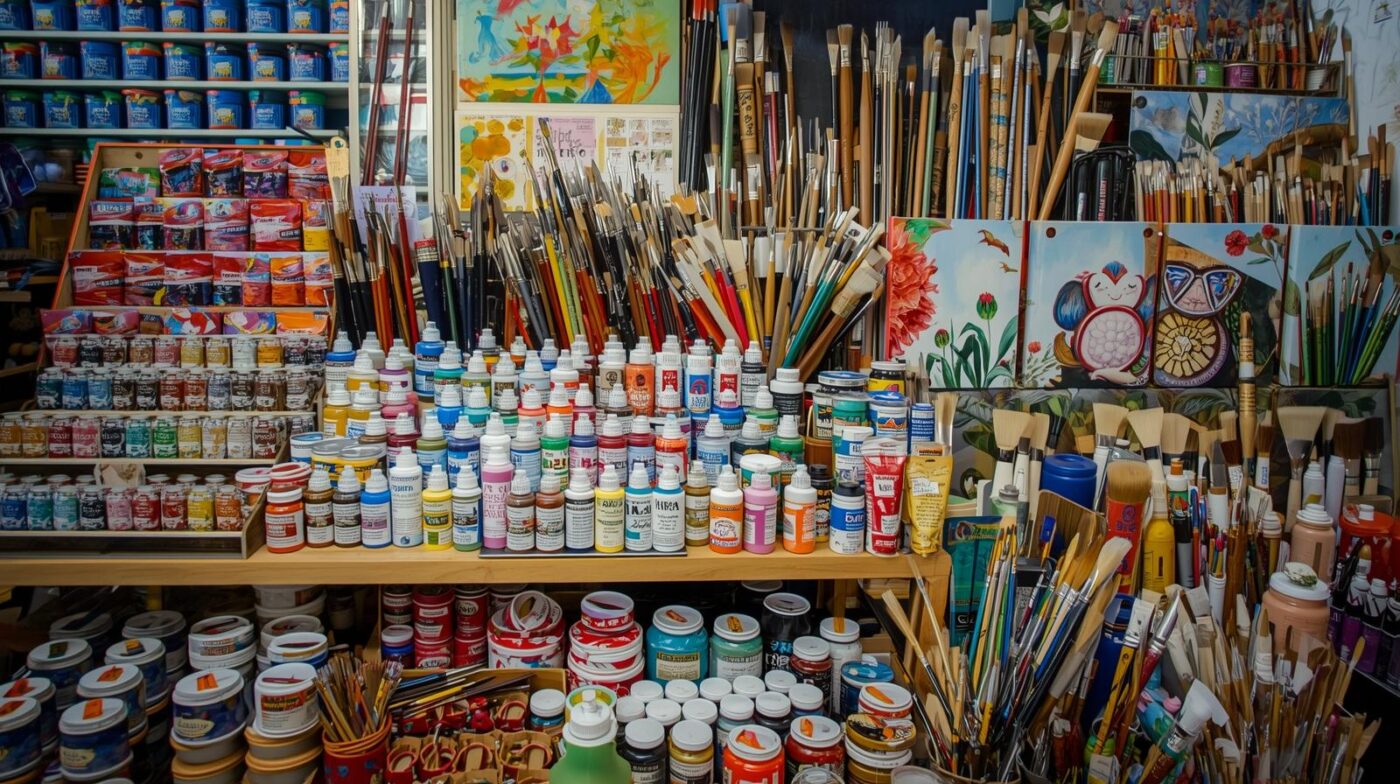

Painting on different surfaces expands your creativity and gives you new ways to express your ideas. However, each surface demands specific tools and supplies. When you choose painting materials with intention, your artwork becomes more durable, vibrant, and enjoyable to create. Wood, glass, and fabric each respond differently to paint, and using the wrong materials often leads to peeling, cracking, fading, or uneven texture. Luckily, choosing the right materials isn’t complicated once you understand how each surface behaves.
Many artists feel unsure when switching surfaces because they expect all paints to act the same. But wood absorbs. Glass repels. Fabric flexes. These natural traits dictate how your materials should be selected. When you choose painting materials suited to each surface, you gain control and confidence. Your paint adheres better, your colors stay strong, and your finished pieces last longer.
This guide walks you through everything you need to know about selecting the right supplies for wood, glass, and fabric. You’ll discover which paint types work best, why primers matter, how mediums help, and what tools support clean, durable results.
Why You Should Choose Painting Materials Carefully
Every surface carries its own unique challenges. Wood is porous, absorbing moisture and pigments. Glass is slick, resisting adhesion. Fabric is flexible, requiring paints that move without cracking. Because of these differences, choosing painting materials thoughtfully ensures your work stays intact over time.
Proper material choices also improve your experience. When the paint behaves predictably, you feel more relaxed and confident. Your brushstrokes glide more smoothly. Your layers dry evenly. Because of this improved control, you can focus on expression and design instead of struggling with technical issues.
Additionally, choosing the right materials saves you time and money. You avoid wasting paint, brushes, or surfaces due to poor compatibility. Instead of redoing failed projects, you enjoy successful results from the start.
How to Choose Painting Materials for Wood
Painting on wood feels natural and versatile, making it a favorite surface for both beginners and professionals. However, wood absorbs moisture quickly, which can warp or discolor an artwork if not handled correctly. Because of this, choosing painting materials that prepare, seal, and protect the surface is essential.
Primers and Sealers for Wood
The first step is sealing the wood. Raw wood absorbs paint unevenly, but a good primer prevents this. Gesso is the most commonly used primer for wood surfaces. It creates a smooth, stable foundation and helps the paint adhere properly. Additionally, acrylic gesso dries quickly and sands easily, making it excellent for both fine detail work and textured effects.
Before priming, consider applying a wood sealer. This step helps block tannins and natural oils that may bleed into your paint. A clear acrylic sealer works well and keeps stains from rising through your artwork.
Best Paints for Wood
Acrylic paint is the most popular choice because it adheres well and dries quickly. Oils also work beautifully on wood, offering rich colors and slow drying times for blending. However, oils require sealed surfaces and proper ventilation. Watercolor is not recommended unless applied to watercolor ground specifically designed for wood.
Because acrylics offer durability and flexibility, they remain the easiest and safest option for wooden surfaces.
Tools for Painting on Wood
Use synthetic brushes for acrylics and natural brushes for oils. Palette knives also work well for wood because the smooth, firm surface supports heavy texture. Additionally, sanding blocks help refine the grain before priming, creating an even working surface.
Finishing and Protection
After completing your painting, protect the wood with a varnish. Choose a matte, satin, or gloss finish depending on your preferred aesthetic. This step prevents scratches, fading, and moisture damage.
How to Choose Painting Materials for Glass
Painting on glass requires completely different materials. Glass is smooth and nonporous, making paint adhesion challenging. Therefore, when you choose painting materials for glass, focus on products designed for slick surfaces.
Essential Primers and Surface Preparations
Although many glass paints adhere without priming, cleaning the surface is essential. Use rubbing alcohol to remove oils, fingerprints, and residue. Because glass is so smooth, even tiny impurities prevent paint from sticking.
Some artists choose to lightly etch the glass with etching cream or fine sandpaper, but this step is optional. Etching adds grip, allowing paint to bond more firmly.
Best Paints for Glass
To choose painting materials effectively, look for paints designed specifically for slick surfaces such as:
- Glass paints
- Enamel paints
- Multi-surface acrylics
- Solvent-based glass markers
Glass paints are often transparent and mimic stained glass effects, while enamel paints dry hard and glossy. Multi-surface acrylics adhere surprisingly well and suit beginners.
Many glass paints require heat-setting in an oven to improve durability. Always follow the manufacturer’s instructions.
Tools for Painting on Glass
Soft synthetic brushes create smooth lines without streaking. For fine details, glass markers or liner brushes work perfectly. Additionally, foam pouncers help create even, opaque coverage with minimal brush marks.
Protection and Longevity
Most glass paints become permanent once heat-set. However, handwashing is still recommended over dishwashing. If your artwork doesn’t require transparency, you can seal it with a clear acrylic sealer designed for nonporous surfaces.
How to Choose Painting Materials for Fabric
Painting on fabric opens a world of creative possibilities. Clothing, tote bags, home décor, and textile art all allow you to express yourself beyond traditional canvases. Yet fabric moves and stretches, so choosing the right painting materials ensures your artwork doesn’t crack or fade.
Preparing the Fabric Surface
Wash the fabric before painting to remove sizing, starch, or manufacturing chemicals. These residues can prevent paint from bonding. After washing, allow the fabric to dry completely and iron out wrinkles so you begin with a smooth surface.
Best Paints for Fabric
Fabric paint remains the ideal option because it includes flexible mediums that help the paint move with the material. However, you can also use acrylic paint mixed with fabric medium. This combination produces soft, durable results without stiffening the fabric.
Choose painting materials formulated for textiles when working on items meant for frequent washing. They remain vibrant and flexible longer than standard acrylics.
Tools for Painting on Fabric
Because fabric absorbs paint quickly, use brushes with firm bristles or sponge tools for broader coverage. Stencils also work well with fabric paint, making it easy to create patterns or repeated shapes.
Place a barrier such as cardboard between fabric layers to prevent paint from bleeding onto the back. Additionally, masking tape helps you create sharp edges on textile surfaces.
Heat-Setting for Durability
Most fabric paints require heat-setting for long-lasting results. This involves ironing the back of the fabric or using a heat press. Once heat-set, the design resists washing and remains flexible.
Choosing Painting Materials Based on Surface Behavior
Understanding how wood absorbs, glass repels, and fabric flexes helps you choose painting materials more confidently. Each surface interacts with paint differently, so selecting compatible primers, paints, and finishing products matters.
Absorption vs. Repellence
Wood soaks in moisture, so sealers and primers are essential. In contrast, glass repels liquids, making specialized paints necessary. Fabric absorbs but also stretches, requiring flexible mediums to avoid cracking.
Because each surface reacts uniquely, adapting your materials helps prevent peeling, lifting, or fading.
Durability and Longevity
When choosing painting materials, think about how the finished piece will be used. Will the fabric be washed? Will the wood panel hang outdoors? Will the glass object be handled often?
Durability matters. Surfaces exposed to frequent touching, washing, or sunlight require stronger paints and protective finishes.
Aesthetic Considerations
Different materials produce different visual qualities. Wood enhances rustic or textured styles. Glass supports luminous, see-through effects. Fabric creates soft, expressive surfaces. Choose supplies that complement your artistic goals.
Common Mistakes When Choosing Painting Materials
Many artists run into issues because they overlook compatibility. Using standard acrylics on glass may cause peeling. Painting fabric without heat-setting leads to fading. Painting on wood without priming results in uneven color absorption.
Additionally, using stiff brushes on fabric may create harsh strokes, while using soft brushes on wood may limit texture. To avoid these mistakes, match your tools to the surface and the paint.
Finally, ignoring drying times or skipping preparation steps creates long-term durability problems. Good materials only work well when paired with good process.
How Mediums Help When Choosing Painting Materials
Mediums improve paint performance across all surfaces. Fabric medium adds flexibility. Glass medium improves adhesion. Acrylic gels on wood increase texture and blendability.
When you choose painting materials that include the right mediums, your paint spreads more evenly, dries more predictably, and lasts longer.
Mediums also expand creative possibilities. For example:
- Use glazing medium on wood for luminous layers.
- Use flow medium on glass for smoother lines.
- Use textile medium for soft, wearable designs.
Choosing the right medium enhances control and creativity.
Conclusion
Learning how to choose painting materials for wood, glass, and fabric opens doors to new artistic possibilities. Each surface requires specific tools, paints, and preparation steps to achieve vibrant, durable results. When you understand how absorption, texture, and flexibility affect your materials, you can select the perfect combination for any project. With the right supplies, your artwork becomes stronger, more expressive, and more enjoyable to create. By choosing painting materials intentionally, you build confidence and gain the freedom to explore every surface with success.
FAQ
- Why do different surfaces need different painting materials?
Each surface absorbs, repels, or stretches differently, so they require specific paints and preparation steps. - What’s the best paint for wood?
Acrylic paint works best, especially when paired with gesso primer and a protective varnish. - Can I use acrylic paint on glass?
Yes, but multi-surface acrylics or glass-specific paints adhere better and last longer. - What should I use to paint on fabric?
Fabric paint or acrylic paint mixed with fabric medium works best for flexible, washable designs. - Do I need to heat-set fabric paint?
Usually yes. Heat-setting ensures your design remains vibrant and durable through washing.