
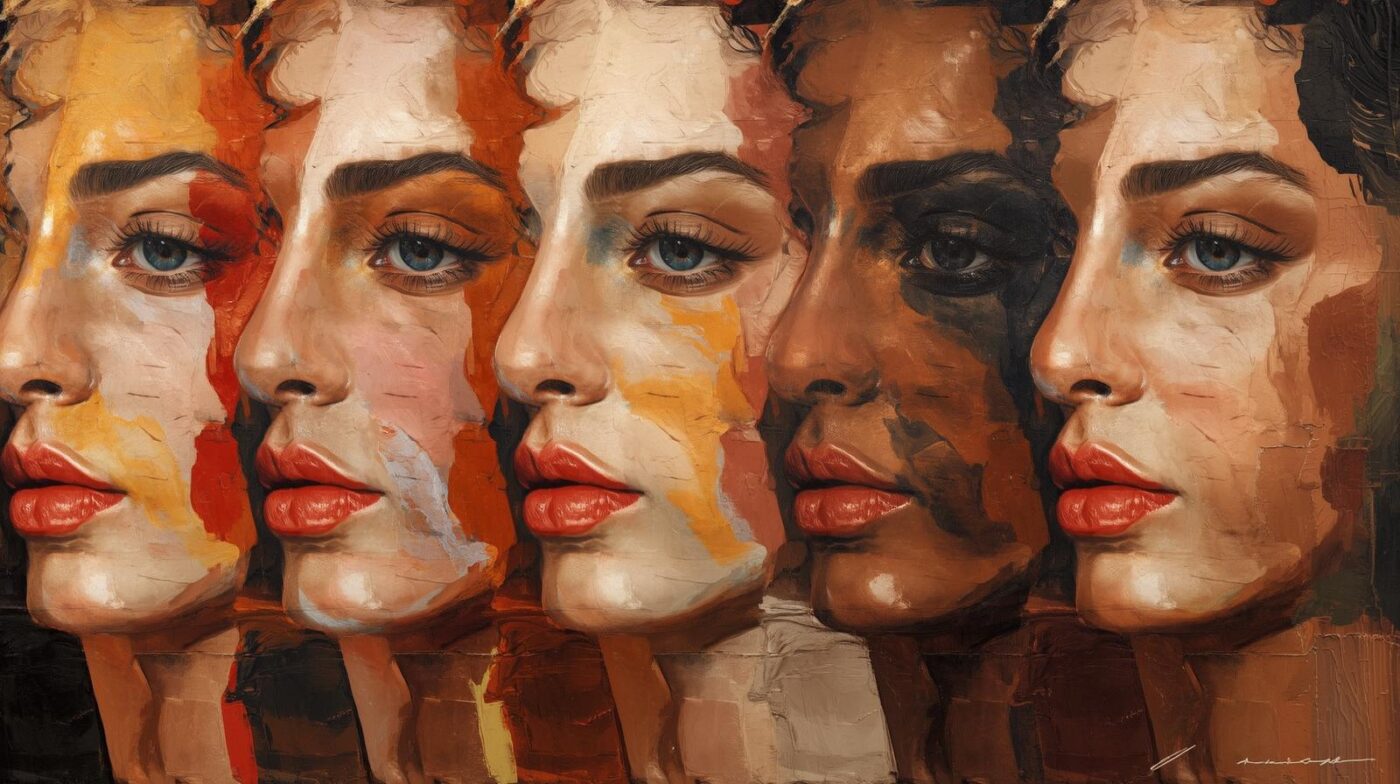

Skin tones are among the most fascinating and challenging colors to mix. When you try to mix realistic skin tones, you quickly discover that skin is not one color at all. It contains layers of undertones, temperature shifts, soft transitions, and subtle variations that change with lighting and emotion. Because skin is so complex, creating convincing tones requires both attention and intention. However, once you understand the principles behind these mixtures, the process becomes not only manageable but deeply enjoyable.
Artists often feel intimidated when approaching skin tones because they expect a magic formula. Yet realistic flesh tones don’t come from a single tube of paint or a fixed recipe. They come from understanding how colors interact, how undertones influence appearance, and how light shapes the entire complexion. When you learn to mix realistic skin tones, you unlock the ability to paint portraits that feel alive, expressive, and dimensional.
Whether you’re new to painting or refining your portrait skills, mastering realistic skin tones opens the door to stronger, more compelling artwork. The key is learning to observe carefully, mix thoughtfully, and experiment fearlessly.
Why Learning to Mix Realistic Skin Tones Matters
Many artists begin portrait painting with enthusiasm only to feel stuck when their skin tones appear flat, chalky, or unnatural. This frustration often comes from relying on a single base color rather than understanding the complexity of real skin. When you learn to mix realistic skin tones, your portraits gain life. They communicate warmth, depth, and character.
Accurate skin tones also help convey emotion and storytelling. Warm tones highlight liveliness and energy, while cooler tones reveal softness or shadow. Additionally, the way you mix realistic skin tones affects how viewers interpret the portrait’s personality and presence. Because color influences perception, achieving believable tones strengthens your entire composition.
Moreover, once you learn these principles, you gain freedom. You no longer feel limited by skin-tone paint sets or premade mixtures. Instead, you create colors that match your reference, your lighting, and your artistic intention.
Understanding Undertones Before You Mix Realistic Skin Tones
Before you mix realistic skin tones, you must understand undertones. Undertones are subtle hues beneath the surface that influence how the skin reads. Although skin can appear peach, brown, tan, bronze, or ebony, undertones often lean warm, cool, or neutral.
Warm undertones include hints of yellow, gold, or red. Cool undertones include blue, pink, or purple. Neutral undertones fall between warm and cool but still carry direction.
When you observe your reference, ask yourself:
- Does the skin lean golden or rosy?
- Are the shadows cooler or warmer?
- Do certain areas appear bluish, greenish, or reddish?
Every face contains a blend of undertones, especially around cheeks, eyes, lips, and jawlines. When you mix realistic skin tones with these undertones in mind, your portraits appear far more believable.
Building a Basic Palette to Mix Realistic Skin Tones
You don’t need dozens of colors to mix realistic skin tones. In fact, a simple palette often yields the most natural results because it forces you to understand how colors interact. A versatile palette includes:
- Yellow ochre
- Burnt sienna
- Raw umber
- Titanium white
- Ultramarine blue
- Alizarin crimson
- Cadmium red or a warm alternative
These colors create an enormous range of flesh tones. Additionally, they help control temperature and value effectively. Although ready-made skin tones exist, they rarely match the exact lighting or complexion you need. Mixing your own tones offers more flexibility and accuracy.
When mixing realistic skin tones, start with a muted base. Muted colors mimic real skin better than bright, saturated hues. Real skin contains softness and subtlety, not pure, strong colors.
How Light and Shadow Affect Skin Tones
Lighting dramatically influences how you mix realistic skin tones. Skin reflects and absorbs light differently depending on direction and strength. Because of this, your portrait needs variations, not one flat mixture.
Highlights often appear warmer and lighter. Shadows usually carry cooler or deeper undertones. Midtones fall between the two and contain the most accurate representation of the subject’s complexion.
When you observe your reference:
- Notice where warm light hits the skin.
- Identify cooler shadows around cheeks, jaw, and temples.
- Observe transitions in areas like the nose, chin, and forehead.
Light shapes the form, and these shifts help your portrait feel three-dimensional. When you mix realistic skin tones with attention to these variations, your painting gains depth and realism.
Mixing Realistic Skin Tones: The Starting Point
Start by creating a base tone that matches the midtone of your reference. This tone sets the foundation for the rest of the painting. A balanced mixture of yellow ochre, burnt sienna, a touch of blue, and white often forms a natural-looking base.
Always avoid beginning with too much red or too much white. Red can overpower quickly, while white can desaturate the tone, making it appear chalky. Add these sparingly, adjusting gradually.
Once you achieve a good base, mix variations:
- A lighter tone (base + white)
- A darker tone (base + burnt umber or ultramarine)
- A warmer tone (base + more yellow ochre)
- A cooler tone (base + ultramarine or alizarin)
Having these variations ready allows you to shift between values smoothly as you paint.
Using Temperature to Mix Realistic Skin Tones
Temperature is one of the most important tools in portrait painting. Real skin contains warm and cool areas, often right next to each other. When you mix realistic skin tones that incorporate temperature shifts, your portrait feels more natural.
Warm areas include:
- Cheeks
- Nose
- Chin
- Ears
- Lips
Cooler areas include:
- Shadows
- Temples
- Under the jaw
- Around the eyes
Alternating warm and cool tones creates a lifelike balance. Additionally, cooler tones help push areas back, while warmer tones pull areas forward. This interaction enhances the realism of your painting.
How to Mix Realistic Skin Tones for Different Complexions
Different skin complexions require different approaches, but the underlying principles remain the same. When you mix realistic skin tones, adjust value and saturation rather than switching to entirely new pigments.
Light Complexions
Lighter complexions often require more white, but be careful not to overuse it. Use yellow ochre and burnt sienna in small amounts to maintain warmth. Add touches of red for natural blush tones.
Medium Complexions
Medium skin contains balanced warmth and depth. Combine yellow ochre, burnt sienna, and tiny amounts of blue to control saturation. Add raw umber to deepen shadows.
Dark Complexions
Dark skin is rich in saturation. Use burnt umber, ultramarine, and alizarin crimson to create deep, vibrant tones. Avoid relying heavily on white; instead, lighten with yellow ochre or sienna to maintain richness.
Olive Complexions
Olive skin contains greenish undertones. Mix yellow ochre with small amounts of blue or green. Add red sparingly to balance the temperature.
Because every complexion is unique, observation remains essential. Mix realistic skin tones based on what you see rather than relying solely on formulas.
Using Layers to Build Realistic Skin Tones
Layering is one of the most effective ways to achieve lifelike skin. Real skin contains transparency, depth, and subtle color differences that appear gradually. When you apply paint in layers, you mimic the complexity of real flesh.
Start with broad midtones. Then add warmer zones and cooler shadows. After the structure forms, refine edges and transitions. Finally, add highlights and color accents.
Glazing can also help. Thin layers of transparent paint allow underlying tones to show through, creating softness. When you mix realistic skin tones in layers, your portrait becomes richer and more dimensional.
Avoiding Common Mistakes When Mixing Realistic Skin Tones
Many common mistakes appear when artists try to mix realistic skin tones. Understanding them helps you avoid frustration.
Too much white: This leads to chalky, lifeless skin.
Overuse of red: Excess red looks sunburned or unnatural.
Ignoring undertones: Skin becomes flat without subtle hue variations.
Using pure black: Black dulls the mixture; use ultramarine and umber instead.
Avoiding temperature shifts: Skin appears plastic without warm-cool interaction.
When you stay mindful of these pitfalls, your colors become more convincing and harmonious.
Fine-Tuning Your Skin Tones With Observation
Observation remains the strongest tool in mixing realistic tones. Look at your reference and identify color shifts. Notice where the skin cools, warms, darkens, or brightens. Observe how shadows contain more than just darker colors—they often carry purples, blues, greens, or warm browns.
When you train your eye to see these tiny variations, your mixtures improve dramatically. The more you observe, the easier it becomes to mix realistic skin tones without relying on guesswork.
Conclusion
Learning to mix realistic skin tones transforms your portrait painting skills. It helps you create depth, emotion, and lifelike presence. When you understand undertones, temperature, lighting, and layering, you gain control over one of the most challenging aspects of painting. Mixing realistic tones is not about formulas; it’s about observation, experimentation, and patience. With practice, you’ll learn to mix colors that reflect the subtle beauty of real skin. As your confidence grows, your portraits will feel more expressive, more dimensional, and more alive.
FAQ
- Why do my skin tones look chalky?
Too much white usually creates chalkiness. Use white sparingly and adjust with warm earth tones instead. - How do I find the right undertone?
Observe your reference closely. Look for hints of warm yellows, cool blues, or neutral balances across the face. - Can I mix realistic skin tones with a limited palette?
Yes. A simple palette of earth tones and primaries works extremely well for natural, believable skin. - Should shadows be darker versions of the base tone?
Not always. Shadows often shift cooler or more saturated, so adjust temperature as well as value. - How do I avoid overmixing?
Mix slowly and test swatches. Small adjustments keep tones fresh and prevent muddy results.