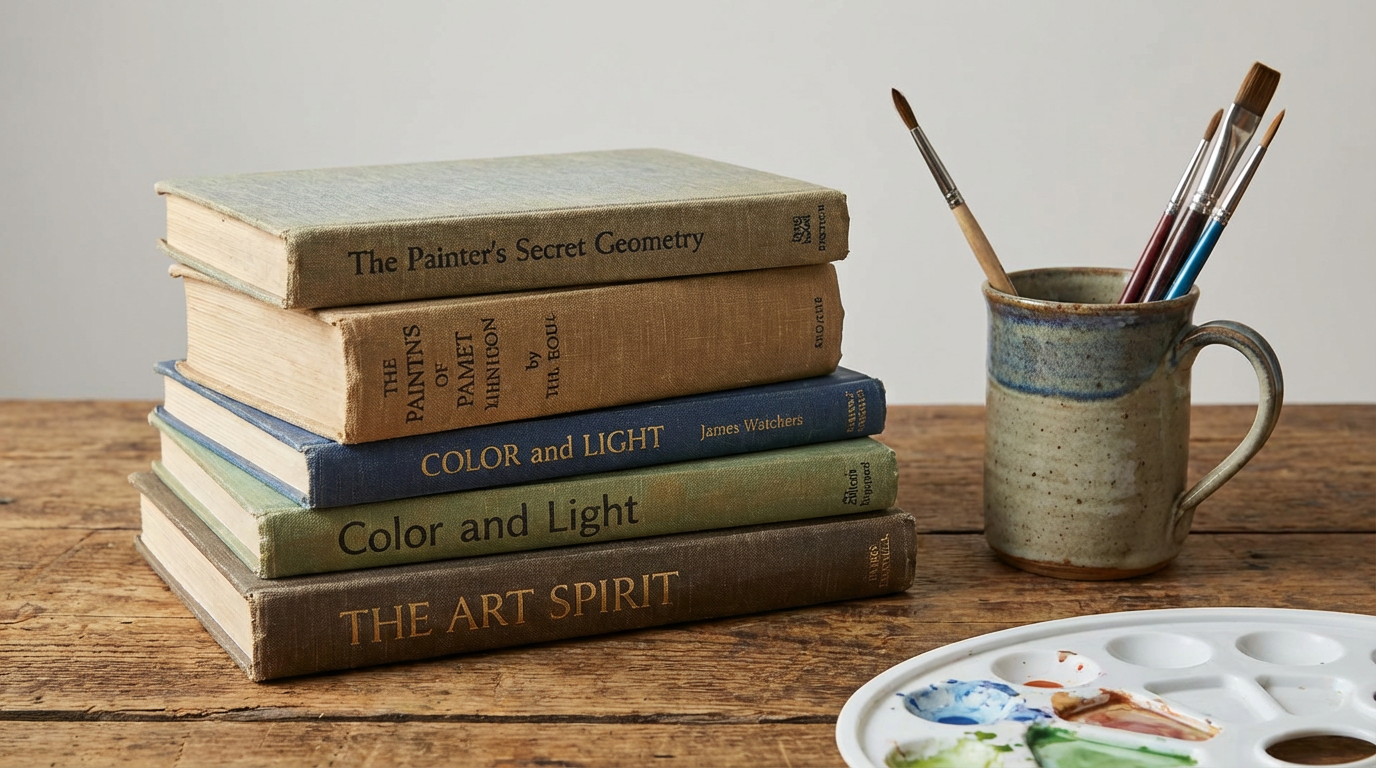

Every painter, no matter how experienced, faces moments of uncertainty. One day the brush flows effortlessly. The next, nothing seems to work. Colors clash. Lines wobble. Confidence slips quietly out the door. In those moments, guidance matters more than motivation. That is why the best painting books continue to play such an important role in artistic growth.
Unlike fast tutorials, books ask you to slow down. They invite reflection instead of reaction. Each page builds understanding rather than chasing instant results. Over time, that understanding reshapes instant results. Over time, that understanding reshapes how you paint and how you think about painting.
This article explores why carefully chosen painting books remain powerful tools. More importantly, it shows how they help artists build both skill and belief in their own abilities.
Why Painting Books Still Matter in a Digital World
Online content is everywhere. Videos autoplay endlessly. Advice comes in short bursts. While helpful, this constant stream can fragment learning.
Books offer a different experience. They create focus. They remove noise. When reading, you engage deeply with ideas instead of skimming techniques. That depth strengthens learning.
The best painting books also provide structure. Concepts unfold logically. Skills build gradually. This steady pace reduces overwhelm and replaces confusion with clarity.
How Skill and Confidence Grow Together
Skill and confidence are deeply connected. When one improves, the other follows.
Books support this connection by explaining why things work. Instead of copying results, you learn processes. That knowledge empowers decision-making.
As a result, mistakes feel less personal. They become information rather than failure. Confidence grows because progress feels intentional instead of accidental.
Building Strong Foundations Through Reading
Every painting rests on fundamentals. Drawing accuracy, value control, composition, and color awareness shape success.
Books focused on foundations emphasize seeing before painting. They train observation skills patiently. This approach may feel slow initially. However, results last longer.
Understanding fundamentals prevents repeated frustration. Once you know what to fix, improvement becomes manageable. Confidence builds because problems feel solvable.
Learning to See Like a Painter
Seeing is an active skill. It requires training.
Many painters struggle because they paint symbols instead of observations. Trees become green blobs. Faces turn into generic shapes.
Good art books address this directly. They teach you to break scenes into shapes, edges, and values. This shift transforms painting into visual problem-solving.
When you see more accurately, your hand follows naturally. That alignment builds trust in your ability to translate vision into paint.
Color Knowledge That Reduces Fear
Color often intimidates painters. Tubes promise simplicity. Results feel unpredictable.
Thoughtful painting books explain color relationships instead of recipes. They focus on temperature, harmony, and interaction.
Once you understand these principles, color becomes flexible rather than frightening. You stop guessing. Instead, you adjust deliberately.
Confidence grows when color decisions feel informed. Even mistakes become easier to correct.
Understanding Brushwork and Control
Brushwork communicates emotion. Loose strokes suggest movement. Controlled strokes suggest calm.
Books that address technique help you see brushwork as language rather than rules. They explain how pressure, angle, and paint consistency affect marks.
This understanding frees experimentation. Instead of fearing wrong strokes, you explore possibilities. Confidence follows curiosity.
Medium-Specific Learning Through Books
Each painting medium behaves differently. Oils forgive. Acrylics dry quickly. Watercolor demands planning.
Medium-focused books explain these behaviors clearly. They address layering, drying times, and material choices.
Knowing how materials behave reduces frustration. When paint responds as expected, confidence strengthens naturally.
Understanding materials also encourages experimentation. You stop fighting the medium and start working with it.
Mindset Lessons Hidden in Art Books
Technique alone does not sustain artists. Mindset matters equally.
Many respected painting books discuss fear, doubt, and comparison openly. They normalize struggle.
Reading these insights feels reassuring. You realize challenges are shared, not personal failures. That perspective builds emotional resilience.
Confidence grows when self-doubt loses its power.
Developing Consistent Practice Habits
Consistency shapes improvement more than intensity. Books encourage steady routines without pressure.
They often suggest manageable exercises rather than overwhelming goals. This approach makes practice approachable.
When painting becomes regular, progress feels reliable. Confidence builds through familiarity rather than effort alone.
Overcoming Creative Blocks with Gentle Guidance
Creative blocks feel heavy. They drain motivation and distort perception.
Books respond calmly. Many include prompts, challenges, or reflective questions designed to restart movement.
These tools bypass overthinking. They focus attention on action rather than outcome.
Once movement resumes, blocks loosen. Confidence returns through engagement.
Learning from Experienced Painters
Studying others accelerates growth. Books allow close analysis of experienced artists.
They reveal decision-making processes. Mistakes are discussed honestly. Solutions are explained clearly.
This transparency removes mystery. Growth feels achievable rather than intimidating.
Seeing mastery as developed, not magical, strengthens confidence deeply.
Composition Lessons That Transform Paintings
Composition organizes attention. Without it, paintings feel scattered.
Books dedicated to composition explain balance, rhythm, and focal points. They teach how the eye travels across a surface.
Understanding composition elevates every subject. Even simple scenes feel intentional.
Confidence grows when paintings feel complete rather than accidental.
Applying Lessons Through Practice
Reading alone does not build skill. Application matters.
Effective painters test ideas immediately. They sketch concepts. They try exercises.
This feedback loop turns information into experience. Knowledge becomes embodied.
Confidence grows faster when learning feels active rather than theoretical.
Choosing Books That Match Your Stage
Not every book fits every painter. Beginners need clarity. Advanced painters need nuance.
Selecting appropriate material prevents discouragement. Challenges should stretch, not overwhelm.
Progress feels smoother when guidance matches readiness. Confidence thrives under balanced difficulty.
The Value of Revisiting Art Books
Books change as you do. Lessons deepen with experience.
Re-reading reveals insights previously missed. Concepts that felt abstract now feel practical.
This evolution proves growth. Recognizing your progress strengthens confidence naturally.
Creating a Personal Learning Library
Over time, a small collection of trusted books becomes invaluable.
These resources feel familiar. They anchor you during uncertainty.
Returning to them feels like consulting mentors. Their presence alone offers reassurance.
Balancing Instruction with Intuition
Instruction guides early stages. Intuition grows later.
Books provide frameworks. Practice builds instinct. Both are necessary.
As confidence grows, rules soften. Guidance becomes reference rather than command. That transition marks artistic maturity.
Long-Term Growth Through Thoughtful Learning
Artistic growth is not linear. It unfolds over time.
Books encourage patience. They frame painting as a lifelong conversation.
This perspective reduces pressure. Confidence becomes stable rather than fragile.
Painting becomes sustainable instead of stressful.
Conclusion
The right painting books do more than teach technique. They reshape how you learn, how you practice, and how you trust yourself. They offer patience in a rushed world and clarity in moments of doubt.
Skill develops through understanding. Confidence grows through repetition and perspective. Books support both quietly and consistently. Over time, lessons settle in. Your hand steadies. Your eye sharpens. Eventually, trust replaces hesitation. That steady trust is the real gift found inside the pages of great painting books.
FAQ
1. Are painting books helpful for complete beginners?
Yes, they provide structure and explain concepts gradually.
2. Can experienced painters still learn from books?
Absolutely, deeper understanding emerges with experience.
3. How many art books should I start with?
One or two well-chosen books are enough initially.
4. Should I follow exercises exactly as written?
Use them as guidance and adapt them to your needs.
5. Are books better than video tutorials?
They complement each other, but books offer deeper focus.