
In an age increasingly dominated by digital precision, the beauty of embracing imperfection folk art offers a refreshing return to authenticity. For hobbyist decorative painters and folk art enthusiasts, this trend is a powerful invitation to celebrate the unique ‘human hand’ in every stroke. With online learning platforms now accounting for 58.3% of the art classes market and growing rapidly, more artists than ever are finding their voice and experimenting with styles that prioritize genuine expression over flawless replication.
At Paint Works Mag, we believe that true artistry often lies in the perfectly imperfect. Therefore, let’s explore why embracing visible humanity in your folk art isn’t just a trend, but a profound way to connect with your craft and create truly unique pieces.
The Rise of Human-Centric Art: A Global Shift
The art world is actively moving away from the cold perfection sometimes associated with advanced technologies like AI. In fact, in 2026, there’s a strong trend towards rejecting AI perfection in favor of visible humanity, emotion, and imperfection. This includes elements like raw naïve painting and deeply personal surrealism. For folk art, which has always celebrated honest, often unrefined storytelling, this trend is a natural fit. It empowers you to loosen up, experiment, and let your personality shine through.
What Does ‘Embracing Imperfection’ Look Like in Folk Art?
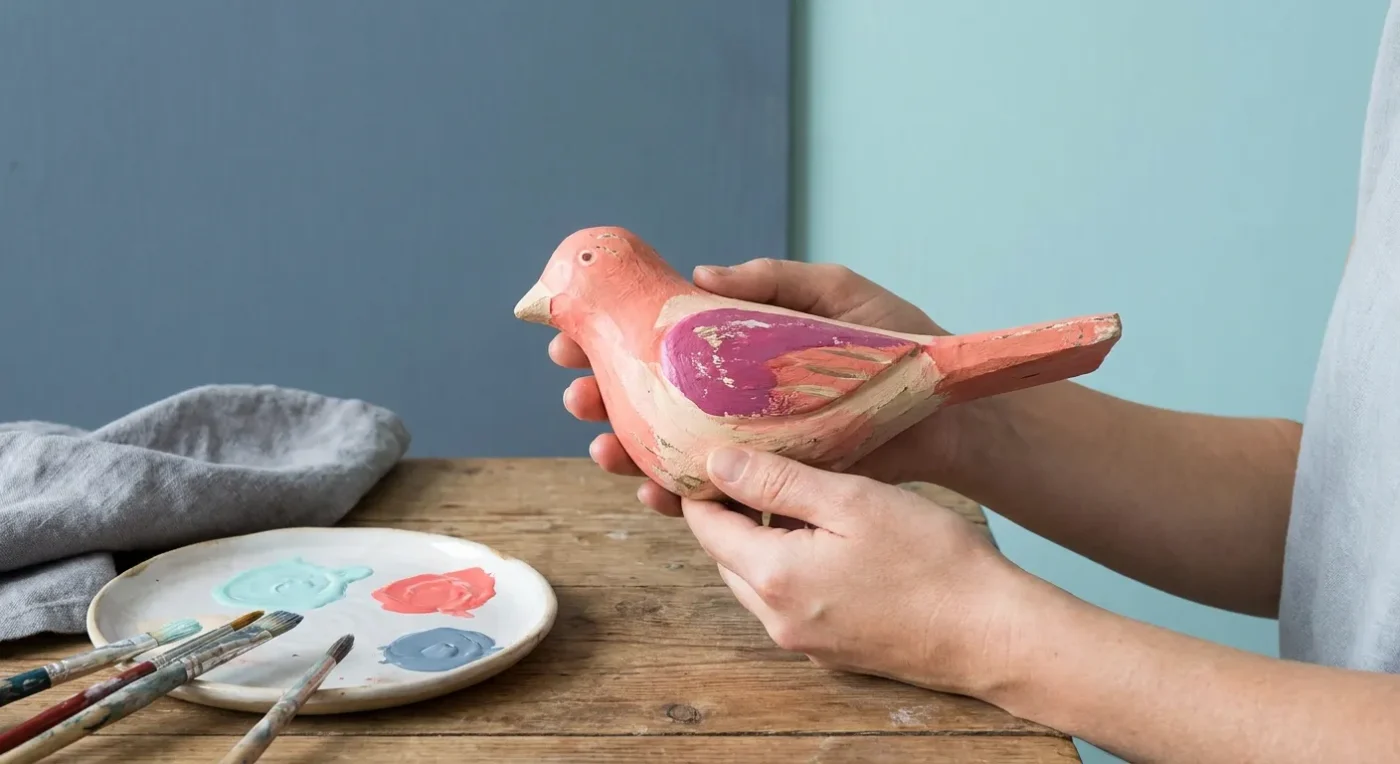
It’s not about being sloppy; conversely, it’s about intentional authenticity. It’s recognizing that the slight wobble in a line, the visible texture of a brushstroke, or a subtly asymmetrical design can add character and warmth that a perfectly rendered piece might lack. Think of it as painting with a soul.
- Visible Brushstrokes: Instead of striving for a completely smooth, blended finish, allow your brushstrokes to be seen. This adds depth, movement, and a tangible sense of the artist’s presence. It’s a hallmark of ‘raw naïve painting’ and brings a vibrant energy to your work.
- Asymmetry with Purpose: While balance is important, perfect symmetry isn’t always necessary. A slightly off-center design or an element that’s a bit larger or smaller than its counterpart can create visual interest and a charming, handcrafted feel.
- Textural Play: Don’t shy away from textured paint applications. This could be a deliberate build-up of paint for a raised effect, or using different brush types to create varied surface qualities. This adds a tactile dimension to your art.
- Embracing ‘Happy Accidents’: Sometimes, a brush slips, or a color blends unexpectedly. Instead of seeing these as mistakes, learn to pivot and incorporate them. Often, these spontaneous moments lead to the most interesting and unique outcomes.
Practical Ways to Cultivate Your ‘Human Hand’ in Folk Art
Developing a style that embraces imperfection in folk art is a practice in letting go and trusting your intuition. Here are some actionable tips to help you foster this approach in your own painting journey.
Practice Mindful Painting
Before you even pick up your brush, consider your mindset. Try to approach your canvas with a sense of playfulness and curiosity, rather than a rigid expectation of perfection. This shift in perspective can free you from self-criticism. Consequently, it allows for more spontaneous and authentic expression. Remember, every stroke is a learning opportunity.
Experiment with Tools and Techniques
Vary your brushes, paints, and surfaces. For instance, a stiffer brush might leave more visible strokes, while a textured surface can naturally create a less uniform appearance. Explore different paint consistencies. Thick impasto can create a sculptural quality, whereas thinner washes might highlight brush movement. These experiments will help you discover new ways of expressing yourself, ultimately leading to a more personal style.
Study Traditional Folk Art
Look at historical examples of folk art from various cultures. You’ll notice that many traditional pieces inherently celebrate the ‘human hand’. Details might be simplified, perspectives might be skewed, and colors might be applied boldly. These characteristics are not flaws; rather, they are integral to the charm and storytelling power of the art. Studying these examples can inspire your own journey of embracing imperfection folk art.
Focus on the Story, Not Just the Form
Folk art often tells a story or depicts a scene from everyday life. When you focus on conveying emotion or narrative, the technical ‘flaws’ become less important. In fact, they can even enhance the storytelling. A slightly wonky house or an expressive, albeit simplified, figure can communicate more genuine feeling than a technically perfect, but sterile, rendering. Prioritize the message over absolute precision.
Embrace Sketching and Doodling
Regular sketching, even if it’s just quick doodles in a notebook, can help you loosen up. It encourages spontaneity and reduces the pressure of creating a finished piece. These exercises allow you to explore ideas rapidly, without the fear of making a ‘mistake’. Over time, this practice will translate into a more fluid and less inhibited painting style, making embracing imperfection folk art a natural part of your process.
The Psychological Benefits of Authentic Art
Beyond the aesthetic appeal, there are significant psychological benefits to creating art that values authenticity over flawless execution. For many hobbyists, the pressure to produce ‘perfect’ art can be a major barrier to enjoyment and progress. By consciously choosing to embrace the ‘human hand’, you can alleviate this pressure. This, in turn, fosters a more joyful and sustainable creative practice. When you release the need for perfection, your creativity flows more freely. This makes the entire process more rewarding.
Building Confidence Through Acceptance
When you accept that your unique style, complete with its quirks, is valuable, your confidence as an artist grows. Every visible brushstroke, every slight variation, becomes a testament to your personal journey and creative choices. This self-acceptance is crucial for long-term artistic development. It allows you to take risks and experiment further, knowing that the outcome will always be authentically yours.
Connecting with Your Inner Artist
Ultimately, embracing imperfection folk art is about connecting more deeply with your inner artist. It’s a rejection of external validation based on flawless technique and an embrace of personal expression. This form of art becomes a reflection of who you are, what you feel, and what you wish to communicate. It’s a more honest and fulfilling creative path.
Inspiring Examples of Art Embracing Imperfection
Consider the works of Grandma Moses, a quintessential American folk artist. Her paintings, often depicting rural life, are celebrated for their charmingly simplistic forms, flat perspectives, and visible brushwork. These are not ‘mistakes’ but rather defining characteristics of her beloved style. Similarly, the vibrant, often abstract patterns found in many indigenous folk art traditions around the world showcase a powerful connection to spirit and community, where the individual touch is paramount. Learning from these masters can help you understand the true essence of art that values the human touch.
The Community Aspect: Sharing Your Unique Voice
In the thriving online art community, sharing your unique ‘human hand’ creations can be incredibly rewarding. Platforms dedicated to art education and sharing, such as Skillshare or Etsy, provide spaces for artists to showcase their work and connect with others who appreciate authentic, handcrafted pieces. When you share art that truly reflects you, you invite others to connect with your story. This fosters a supportive and appreciative community. It’s a wonderful way to receive encouragement and inspiration.
Conclusion: The Enduring Charm of the Human Touch
In conclusion, embracing imperfection folk art is far more than a passing trend. It’s a philosophy that celebrates authenticity, personal expression, and the unique beauty that only a human hand can create. For hobbyist decorative painters, this approach offers liberation from the relentless pursuit of unattainable perfection. Instead, it invites a joyful exploration of your own artistic voice. At Paint Works Mag, we encourage you to pick up your brush, let go of rigid expectations, and allow your true self to shine through in every perfectly imperfect stroke. Your art, with all its beautiful quirks, is a testament to your unique journey and a valuable contribution to the rich tapestry of folk art. Keep creating, keep exploring, and most importantly, keep it real.
FAQ:
Why is it important to accept flaws in art?
Accepting flaws in art, especially in folk art, allows for genuine expression and individuality. It moves away from sterile perfection, fostering a unique style that truly reflects the artist’s personality and journey. This approach makes the creative process more enjoyable and less stressful.
How can I develop a more authentic painting style?
To develop a more authentic painting style, try experimenting with different tools, allowing visible brushstrokes, and focusing on the story you want to tell rather than just the form. Practice mindful painting and embrace ‘happy accidents’ as part of the creative process. This helps in letting your true self shine through.
What is the ‘human hand’ in art?
The ‘human hand’ in art refers to the visible, often subtle, signs of the artist’s direct involvement in the creation process. This includes visible brushstrokes, slight asymmetries, and unique textures that distinguish a handcrafted piece from a mass-produced or digitally generated one. It celebrates the individual touch.
Can embracing natural variations make my folk art more appealing?
Absolutely! Embracing natural variations and the charm of the handmade often makes folk art more appealing. These unique characteristics add warmth, character, and a sense of authenticity that resonates deeply with viewers. It tells a story of creation and personal effort.
How does avoiding AI perfection benefit folk artists?
Avoiding the pursuit of AI perfection benefits folk artists by validating and celebrating their unique, handcrafted styles. It emphasizes the value of human emotion, intuition, and the personal touch that AI cannot replicate. This encourages artists to be more expressive and less concerned with flawless replication.
Explore more: More from Paint Works Mag