
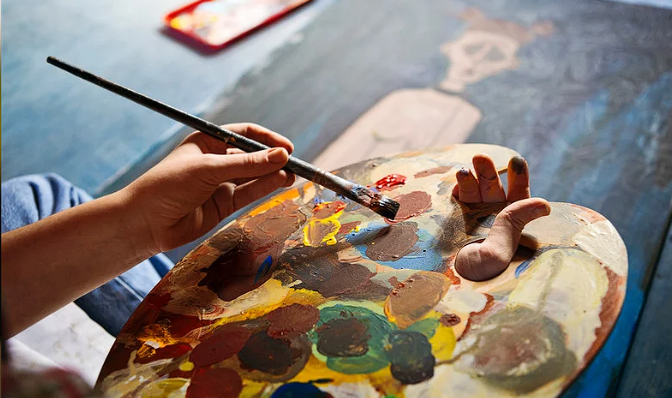

A painter’s palette is more than just a tool—it’s the stage where colors come to life. The right palette helps you mix paints efficiently, stay organized, and maintain control over your colors. Choosing the best palettes for mixing paints like a professional artist ensures that your creative process flows smoothly from the first stroke to the final detail.
Why the Right Palette Matters
The palette you use affects your workflow, color harmony, and even your comfort while painting. An unsuitable palette can waste paint, limit your space, or make mixing messy. The right one makes your work easier and more enjoyable.
Types of Palettes
Wooden Palettes
- Classic choice for oil painters.
- Lightweight and durable.
- May require sealing before use.
Glass Palettes
- Smooth, easy to clean, and long-lasting.
- Great for mixing acrylics and oils.
- Transparent options allow color testing over images or paper.
Plastic Palettes
- Affordable and lightweight.
- Ideal for beginners, though they may stain over time.
- Commonly used for watercolors and acrylics.
Ceramic Palettes
- Perfect for watercolorists.
- Heavy, stable, and easy to clean.
- Great for preventing paints from drying too quickly.
Disposable Paper Palettes
- Tear-off sheets for easy cleanup.
- Best for quick sessions or traveling.
- Popular with acrylic and oil painters.
Best Palettes for Each Medium
For Acrylic Painting
Glass or disposable palettes are best since acrylic dries quickly and can be hard to clean off traditional palettes.
For Oil Painting
Wooden or glass palettes allow smooth mixing and are durable enough for thick, slow-drying paints.
For Watercolor Painting
Ceramic or plastic palettes with wells are perfect for holding liquid paints and preventing spills.
Top Palette Recommendations
- New Wave Wooden Palette: Comfortable, ergonomic design for oil painters.
- Masterson Sta-Wet Palette: Keeps acrylics moist longer, preventing waste.
- Mijello Airtight Watercolor Palette: Compact, travel-friendly palette with airtight sealing.
- Richeson Grey Glass Palette: Smooth surface with a neutral background for accurate color mixing.
- Princeton Ceramic Mixing Palette: Sturdy and ideal for watercolor techniques.
Tips for Using Your Palette Effectively
- Arrange paints consistently to save time while mixing.
- Keep space for clean mixing areas.
- Use a neutral-colored surface (like grey) for accurate color perception.
- Clean palettes promptly to extend their life.
- Experiment with palette size and shape to match your workflow.
Conclusion: Mix Like a Professional
Finding the best palettes for mixing paints like a professional artist can transform your painting experience. Whether you prefer the tradition of wood, the ease of disposable sheets, or the precision of ceramic, the right palette supports your creativity and technique. With the perfect mixing surface, your colors—and your art—will shine.
FAQ
- Which palette is best for beginners?
Plastic palettes are affordable, lightweight, and great for starting out. - How do I keep acrylics from drying too fast on a palette?
Use a stay-wet palette or mist paints lightly with water as you work. - Are glass palettes worth it?
Yes. They’re durable, easy to clean, and ideal for both acrylic and oil paints. - What type of palette is best for watercolors?
Ceramic or plastic palettes with wells hold liquid paints well and prevent spills. - Can I use disposable palettes long-term?
Yes, but they may become costly over time. They’re best for travel or quick sessions.