
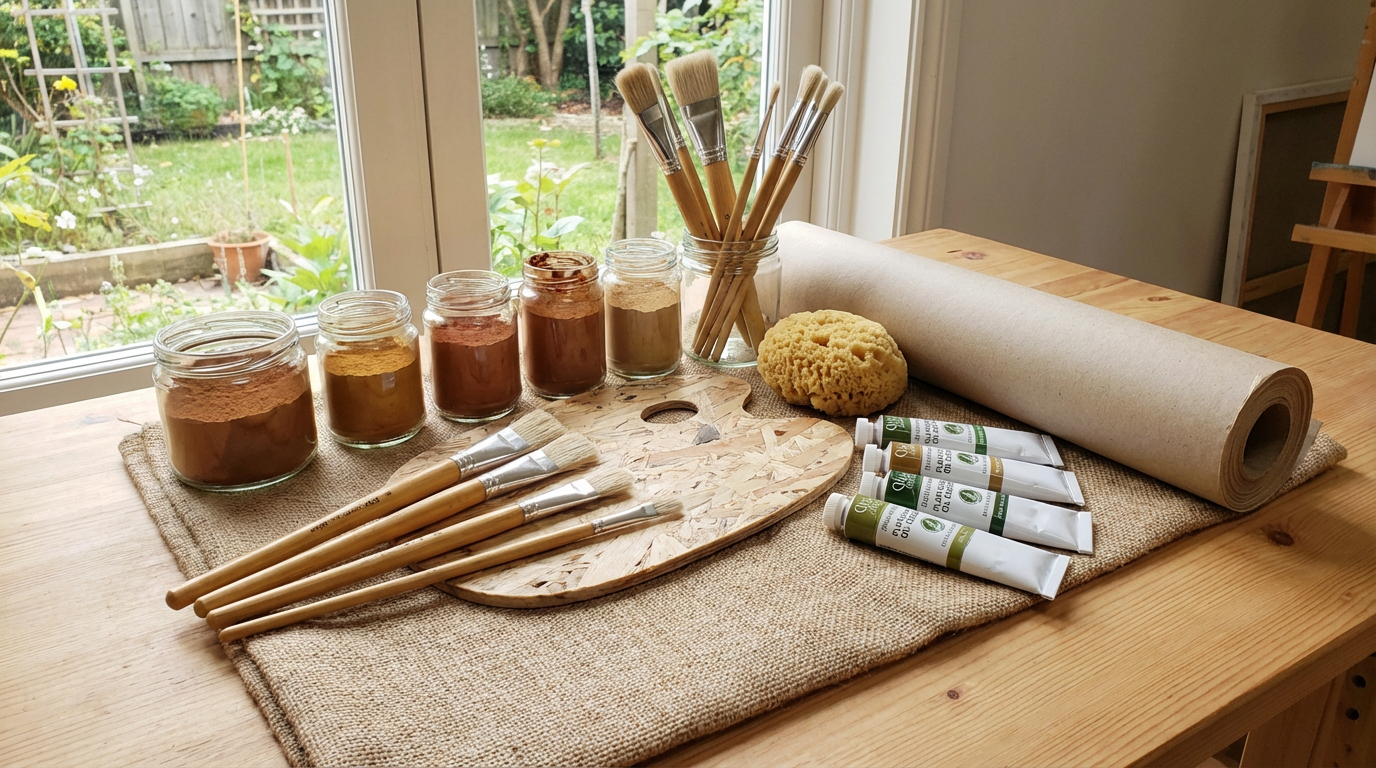

Art has always reflected the world we live in. Today, that world asks for care, awareness, and responsibility. More artists are realizing that creativity does not have to come at the planet’s expense. By choosing eco friendly painting materials, you can align your artistic practice with your values while still producing beautiful, professional work.
This shift is not about perfection. It is about intention. Small changes, repeated over time, create meaningful impact. Just like layering paint builds an image, thoughtful material choices build a more sustainable creative life.
In this guide, you will discover eco friendly painting materials that support your health, your art, and the environment. No guilt. No extremes. Just informed choices that feel good to use.
Why Eco Friendly Painting Materials Matter
Traditional art supplies often contain hidden costs. Toxic pigments, synthetic binders, and plastic-heavy packaging affect both artists and ecosystems.
When you switch to eco friendly painting materials, you reduce exposure to harmful chemicals. You also decrease waste and pollution. These benefits ripple outward quietly but powerfully.
Moreover, sustainable materials often feel better to work with. They smell cleaner. They encourage slower, more mindful practice.
Understanding What Makes Painting Materials Eco Friendly
Eco friendliness is not one single feature. It is a combination of factors.
Look for non-toxic ingredients, renewable resources, and minimal packaging. Production methods matter too. Ethical sourcing and low-impact manufacturing increase sustainability.
Eco friendly painting materials also last longer. Durability reduces consumption. Fewer replacements mean less waste over time.
Non-Toxic Paints for Healthier Studios
Paint toxicity affects indoor air quality and long-term health.
Water-based paints offer safer alternatives. Modern acrylics often come in non-toxic formulations. Natural pigments paired with plant-based binders reduce chemical exposure further.
For oil painters, solvent-free oils and water-mixable oils lower fumes dramatically. These options maintain performance while improving safety.
Choosing non-toxic paints protects lungs, skin, and peace of mind.
Natural Pigments and Earth Colors
Natural pigments connect art to history and nature. Earth colors like ochres, siennas, and umbers originate from minerals and soil.
These pigments require less chemical processing. They offer stability and subtle beauty.
Using natural pigments encourages a grounded palette. Colors feel harmonious rather than harsh. Many artists find this limitation inspiring rather than restrictive.
Eco Friendly Painting Materials for Acrylic Artists
Acrylics have evolved significantly. Many brands now offer low-VOC and non-toxic lines.
Look for acrylics labeled AP-certified or solvent-free. These paints release fewer harmful fumes.
Additionally, acrylic mediums now include plant-based options. These alternatives reduce petroleum use without compromising flexibility or durability.
Eco friendly painting materials in acrylic form are increasingly accessible.
Sustainable Options for Oil Painters
Oil painting has a reputation for toxicity. Fortunately, modern solutions exist.
Water-mixable oils eliminate the need for harsh solvents. Plant-based oils replace petroleum products. Citrus-based cleaners substitute mineral spirits.
These changes reduce environmental impact and improve studio comfort. Oil painting becomes cleaner and calmer.
Eco Friendly Watercolor Paints
Watercolors naturally lend themselves to sustainability.
Many watercolor brands use natural gums and pigments. Pans last a long time, reducing waste.
Reusable palettes and metal tins outperform disposable plastic sets. Refill pans further minimize packaging.
Eco friendly painting materials in watercolor form often align easily with conscious practices.
Brushes Made with Sustainable Materials
Brushes matter more than most realize. Traditional brushes often use animal hair or synthetic plastics.
Eco-friendly brushes use recycled fibers or sustainably sourced natural hair. Bamboo handles replace plastic. Water-based adhesives reduce chemical use.
Quality brushes last longer. Longevity supports sustainability by reducing replacement frequency.
Canvas and Painting Surfaces with Lower Impact
Painting surfaces affect waste levels significantly.
Traditional canvases rely on cotton, which requires heavy water use. Alternatives include linen from responsibly managed sources or recycled cotton.
Wood panels sourced from sustainable forests offer durability. Paper made from recycled fibers or bamboo provides another option.
Choosing eco friendly painting materials includes considering what you paint on, not just with.
Eco Friendly Primers and Grounds
Primers prepare surfaces but often contain chemicals.
Natural gesso alternatives use chalk, natural binders, and low-VOC formulas. These options reduce fumes and waste.
Applying your own ground allows control over ingredients. It also deepens connection to the process.
Eco friendly painting materials extend into preparation stages too.
Reusable Palettes and Mixing Surfaces
Disposable palettes generate unnecessary waste.
Glass, ceramic, and metal palettes last indefinitely. They clean easily and resist staining.
Using reusable palettes simplifies cleanup. It also encourages intentional mixing rather than excess waste.
Small habits like this make sustainability effortless.
Reducing Waste Through Smarter Storage
Storage affects material lifespan.
Airtight containers preserve paint freshness. Palette covers reduce drying. Proper brush care extends tool life.
When materials last longer, consumption decreases. Eco friendly painting materials work best alongside mindful maintenance.
Eco Friendly Painting Materials for Cleanup
Cleanup often introduces hidden toxins.
Plant-based soaps replace harsh detergents. Reusable cloths substitute paper towels. Water-saving methods reduce waste.
Avoid pouring paint residue down drains. Allow solids to settle before disposal.
Sustainable cleanup completes the eco-friendly cycle.
Packaging and Brand Responsibility
Packaging matters more than product alone.
Brands using recyclable or minimal packaging demonstrate commitment. Refill systems reduce plastic further.
Supporting responsible companies encourages industry change. Conscious purchasing sends a clear message.
Eco friendly painting materials improve when demand grows.
Balancing Performance and Sustainability
Some artists fear eco options sacrifice quality. This fear is fading.
Modern sustainable materials perform exceptionally well. Advances in formulation close the gap rapidly.
Testing materials personally builds trust. Small trials prevent disappointment.
Eco friendly painting materials now support professional standards reliably.
Budget-Friendly Sustainable Choices
Sustainability does not require high spending.
Buying fewer, better-quality materials saves money long-term. Reusable tools reduce replacement costs.
DIY solutions like homemade gesso or cleaners cut expenses further.
Eco friendly painting materials often align with minimalist practices.
Mindful Consumption as Part of Artistic Practice
Consumption habits shape impact.
Pause before buying. Use what you have fully. Repair rather than replace when possible.
Mindfulness reduces clutter and waste. It also sharpens creativity.
Eco friendly painting materials work best within conscious routines.
Teaching Sustainability Through Art
Artists influence others naturally.
Using eco friendly painting materials sets an example. Students, viewers, and peers notice.
Conversations begin. Awareness spreads.
Art becomes both expression and advocacy quietly.
Adapting Your Practice Gradually
Change does not need to be immediate.
Replace supplies as they run out. Experiment slowly. Learn what works.
Gradual shifts feel manageable. They reduce resistance.
Eco friendly painting materials integrate smoothly when adopted step by step.
The Emotional Benefits of Sustainable Art
Sustainable choices reduce guilt. They increase alignment.
When values and actions match, creativity flows easier. Focus deepens. Satisfaction grows.
Art feels purposeful beyond aesthetics.
Eco friendly painting materials support both conscience and creativity.
Building a Sustainable Art Routine
Routine shapes impact.
Consistent habits reduce waste automatically. Organized studios prevent overbuying.
Sustainability becomes effortless when built into daily practice.
Eco friendly painting materials thrive within structured routines.
Conclusion
Choosing eco friendly painting materials is not about restriction. It is about intention. Through thoughtful choices, artists protect their health, reduce waste, and support the planet quietly but effectively. Each brushstroke becomes part of a larger conversation about responsibility and care.
Sustainable art does not limit creativity. It deepens it. When materials align with values, painting feels lighter, cleaner, and more meaningful. Over time, those small choices layer into lasting impact, just like paint itself.
FAQ
1. Are eco friendly painting materials suitable for professionals?
Yes, many sustainable options meet professional performance standards.
2. Do non-toxic paints last as long as traditional paints?
Properly made non-toxic paints offer excellent durability.
3. Are sustainable art supplies more expensive?
Some cost more upfront, but longevity often balances cost.
4. Can I transition to eco friendly materials gradually?
Yes, replacing supplies over time works well.
5. Do eco friendly materials limit color choices?
Modern options offer wide palettes with minimal compromise.
Leave a Comment