
In the vibrant world of decorative arts, a quiet revolution is underway. As artists, we are increasingly thinking beyond the canvas and considering the environmental impact of our craft. The demand for sustainable art practices and eco-conscious materials is a significant trend in 2025-2026, with artists actively seeking out recycled materials, natural dyes, and organic mediums. This shift is particularly relevant for folk art, which often celebrates nature and tradition. Let’s explore why embracing sustainable art materials folk art is not just a trend, but a meaningful way to deepen your artistic practice and connect with the world around you.
The Rise of Sustainable Practices in Art
The art world is responding to a global call for environmental responsibility. Companies like Royal Talens are lauded for their commitment to responsible manufacturing with new eco-friendly facilities, and Faber-Castell for their sustainable forestry practices in pencil production. In a landmark move in February 2025, Winsor & Newton introduced a premium watercolor line featuring sustainably sourced pigments and eco-friendly packaging. This industry-wide movement underscores a collective desire for greener art. For folk artists, whose work often draws inspiration from the natural world, aligning with sustainable practices feels inherently right. It’s about honoring the earth through the very materials we use to depict its beauty.
Beyond the Brush: Exploring Eco-Friendly Options for Sustainable Art Materials Folk Art
Choosing sustainable art materials folk art means making informed decisions about your supplies. This goes beyond just paints. Consider:
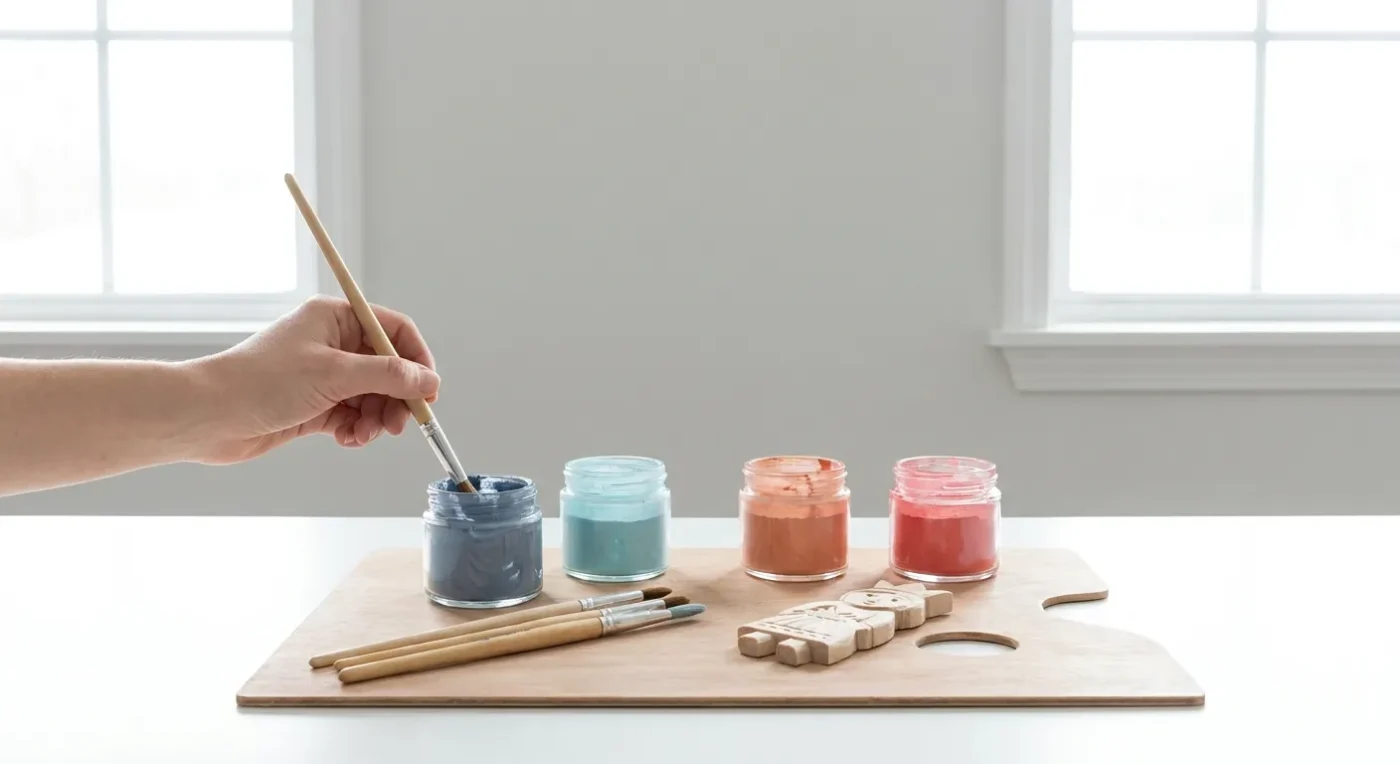
- Natural Pigments and Dyes: Explore plant-based dyes, earth pigments, or even making your own paints from foraged materials (with proper research and safety precautions). These often yield unique, earthy tones like rich umbers, mossy greens, and soft clays, which are highly prevalent in 2026 trends, aligning perfectly with folk art aesthetics.
- Recycled and Upcycled Surfaces: Instead of new canvases, paint on reclaimed wood, old furniture pieces, or even sturdy cardboard. Folk art often thrives on found objects, giving new life to discarded items. This not only reduces waste but also adds an authentic, rustic character to your work.
- Biodegradable Mediums and Solvents: Opt for water-based acrylics, casein paints, or natural binders. When cleaning brushes, use soap and water rather than harsh chemical solvents, which can be harmful to both you and the environment.
- Mindful Packaging: Support brands that use minimal, recycled, or biodegradable packaging. Every small choice contributes to a larger positive impact.
Niche Brands and Their Sustainable Offerings
There’s a growing interest in niche, harder-to-find brands that offer specialized products. Many of these smaller companies are at the forefront of sustainable innovation. For example, local artisans often craft their own natural pigments from earth and minerals, providing unique color palettes that resonate deeply with traditional folk art. Furthermore, some companies focus on creating paints with non-toxic, plant-based ingredients, ensuring a safer studio environment for artists and a gentler impact on the planet. Discovering these brands can be a rewarding journey, opening up new possibilities for your artistic expression while upholding your commitment to eco-friendliness. You might find inspiration in exploring suppliers that prioritize ethical sourcing and environmental stewardship, much like how you might reignite your muse by trying new techniques.
The Environmental Imperative: Why Our Choices Matter
The environmental impact of art materials is a growing concern. Traditional paints and solvents often contain volatile organic compounds (VOCs) and heavy metals, which can be detrimental to air quality and water systems. Moreover, the production of many synthetic materials consumes significant energy and resources. By choosing eco-friendly art supplies, folk artists directly contribute to reducing pollution and conserving natural resources. This conscious choice aligns with the core values of folk art itself, which frequently celebrates the beauty and bounty of nature. In fact, embracing environmentally responsible art practices can be a powerful statement, communicating a deeper respect for our world through creative expression. Consequently, this mindful approach enhances the narrative of your artwork, giving it an added layer of meaning and purpose.
Understanding the Lifecycle of Your Art Materials
To truly embrace sustainable art materials folk art, it’s beneficial to understand the lifecycle of your supplies. This involves considering where raw materials come from, how they are processed, and ultimately, how they are disposed of. For instance, some pigments are mined using environmentally damaging practices, while others are derived from renewable plant sources. Similarly, the packaging of art supplies, from plastic tubes to cardboard boxes, has its own environmental footprint. Therefore, making informed choices means looking beyond the immediate product and considering its entire journey. This holistic perspective helps artists to select materials that are not only good for their art but also good for the planet. Furthermore, it encourages a deeper connection to the provenance of your tools, fostering a sense of responsibility and care.
Health Benefits for the Folk Artist
Beyond environmental concerns, there are significant health benefits to using sustainable art materials. Many traditional art supplies emit fumes that can cause respiratory issues, headaches, and skin irritation. Chemical solvents, in particular, pose risks with prolonged exposure. By contrast, opting for natural pigments, water-based paints, and non-toxic mediums creates a healthier studio environment. This is especially important for artists who spend many hours painting, as it reduces their exposure to harmful chemicals. Consequently, a healthier workspace allows for greater focus and comfort, making the creative process more enjoyable and less stressful. Moreover, using safer materials means less worry about accidental ingestion or contact, which is a particular advantage for those who share their creative space with children or pets.
Creating a Non-Toxic Studio
Establishing a non-toxic studio is a proactive step toward a healthier artistic practice. This involves not only selecting sustainable art materials folk art but also implementing good ventilation and proper disposal methods. For example, ensuring adequate airflow can significantly reduce the concentration of airborne particles and fumes. Additionally, correctly disposing of any remaining chemical waste, if you still use some, prevents it from entering water systems. However, the ideal scenario involves transitioning entirely to non-toxic alternatives, thereby eliminating the need for hazardous waste disposal altogether. Ultimately, a clean and safe studio fosters a sense of well-being, allowing your creativity to flourish without compromising your health. You might find more helpful information on various terms in our Glossary of Terms.
Connecting with Tradition: Folk Art and Nature
Folk art, by its very nature, is deeply connected to tradition, community, and the natural world. Historically, folk artists often used readily available local materials, including earth pigments, plant dyes, and repurposed wood. Embracing sustainable art materials folk art today is, in many ways, a return to these traditional roots. It honors the ingenuity of past generations who worked with what the land provided. This connection to heritage adds another layer of authenticity and meaning to contemporary folk art. Furthermore, it allows artists to participate in a lineage of environmental stewardship, using their craft to celebrate and protect the natural world that so often inspires their designs. Similarly, mastering smooth paint blending in folk art can enhance the organic feel of your work, much like the smooth transitions found in nature.
Reviving Ancient Techniques with Modern Sensibility
The movement towards sustainable materials encourages the revival of ancient techniques. For instance, making your own egg tempera paints from natural pigments and egg yolk is a time-honored method that is both eco-friendly and produces vibrant, durable results. Similarly, exploring natural mordants for plant dyeing can open up a world of rich, organic colors for textile-based folk art. This blend of ancient wisdom and modern environmental awareness creates a unique artistic pathway. It’s about respecting the past while innovating for a more sustainable future. Consequently, artists can discover new textures, colors, and processes that enrich their personal style and connect them more deeply to the history of art. This exploration is not just about technique, but about a philosophy of artmaking that respects both craft and planet.
The Future of Folk Art: Innovation and Responsibility
The future of folk art is undoubtedly intertwined with innovation and environmental responsibility. As artists, we have the power to influence trends and inspire change. By actively seeking out and utilizing sustainable art materials folk art, we contribute to a growing movement that values both artistic expression and planetary health. This collective effort can drive further innovation in the art supply industry, leading to even more eco-friendly options becoming widely available. Moreover, showcasing art created with sustainable materials can raise awareness among collectors and the public, encouraging a broader appreciation for responsible consumption. Ultimately, this path forward ensures that folk art continues to be a vibrant, relevant, and conscientious art form for generations to come. In addition, sharing your journey with others can foster a supportive community, similar to how you might share your experiences through a blog.
Educating and Inspiring the Next Generation
Part of embracing sustainability in art involves educating and inspiring others, especially the next generation of folk artists. By demonstrating the beauty and viability of eco-conscious practices, we can instill a sense of environmental responsibility from an early age. This could involve workshops on making natural dyes, projects using recycled materials, or discussions about the origins of art supplies. Consequently, these efforts help to cultivate a mindful approach to artmaking that will endure. Furthermore, showing young artists that their creative choices can have a positive impact empowers them to become advocates for a greener future. This mentorship plays a crucial role in ensuring the long-term health of both our planet and our artistic traditions. Similarly, you might find valuable resources on our Welcome page to guide your artistic journey.
Where to Find Your Eco-Friendly Supplies
Locating sustainable art materials folk art sometimes requires a bit of research, but the effort is well worth it. Many online retailers now feature dedicated sections for eco-friendly art supplies, making it easier to find what you need. Furthermore, local art stores are increasingly stocking sustainable options as demand grows. Consider supporting small businesses and artisan suppliers who often prioritize ethical production and minimal environmental impact. Reading product labels carefully for certifications like FSC (Forest Stewardship Council) for wood products or non-toxic ratings can guide your choices. Additionally, connecting with other eco-conscious artists through online forums or local art groups can provide valuable recommendations and insights into new sustainable products. For further reading, explore resources on sustainable art practices from organizations like the Artists & Climate Change initiative or the Green Art website for comprehensive guides and product reviews.
Conclusion: A Brighter, Greener Canvas
Embracing sustainable art materials folk art is a powerful way to align your creative passion with your commitment to the planet. It’s about making conscious choices that benefit your health, the environment, and the rich traditions of folk art itself. From natural pigments and recycled surfaces to non-toxic mediums and mindful packaging, every step towards sustainability enriches your artistic practice. As the decorative arts continue to evolve, let us lead the way in fostering a greener, more responsible approach to creativity. By choosing an eco-conscious palette, folk artists not only create beautiful works but also contribute to a more beautiful world. This journey towards sustainability is an ongoing one, filled with discovery, innovation, and a deeper connection to the earth that inspires us all.
FAQ
What are some examples of eco-friendly art supplies for folk artists?
Eco-friendly art supplies include natural earth pigments, plant-based dyes, recycled wood panels, upcycled fabric scraps, water-based acrylics, casein paints, and natural binders like gum arabic. Many artists also explore making their own paints from foraged materials.
How do sustainable art supplies benefit my health as an artist?
Sustainable art supplies often contain fewer volatile organic compounds (VOCs) and heavy metals, leading to improved air quality in your studio. This reduces risks of respiratory issues, headaches, and skin irritation commonly associated with traditional, chemically-laden art materials and solvents.
Can I still achieve vibrant colors with natural pigments?
Absolutely. Natural pigments and dyes offer a rich spectrum of earthy, organic tones. While they might differ from synthetic colors, they provide unique vibrancy and depth that can beautifully complement the aesthetic of folk art, often evoking a more traditional and authentic feel.
Where can I find reputable suppliers for environmentally friendly art products?
Look for online retailers with dedicated eco-friendly sections, or visit local art stores that are increasingly stocking sustainable options. Research brands committed to ethical sourcing, responsible manufacturing, and minimal packaging. Certifications like FSC for wood products can also guide your choices.
Does using sustainable materials limit my artistic expression in folk art?
On the contrary, exploring eco-conscious art supplies can expand your artistic expression. It encourages experimentation with new textures, colors, and techniques, often leading to unique and authentic results that honor both tradition and environmental responsibility. It opens up new creative avenues.