
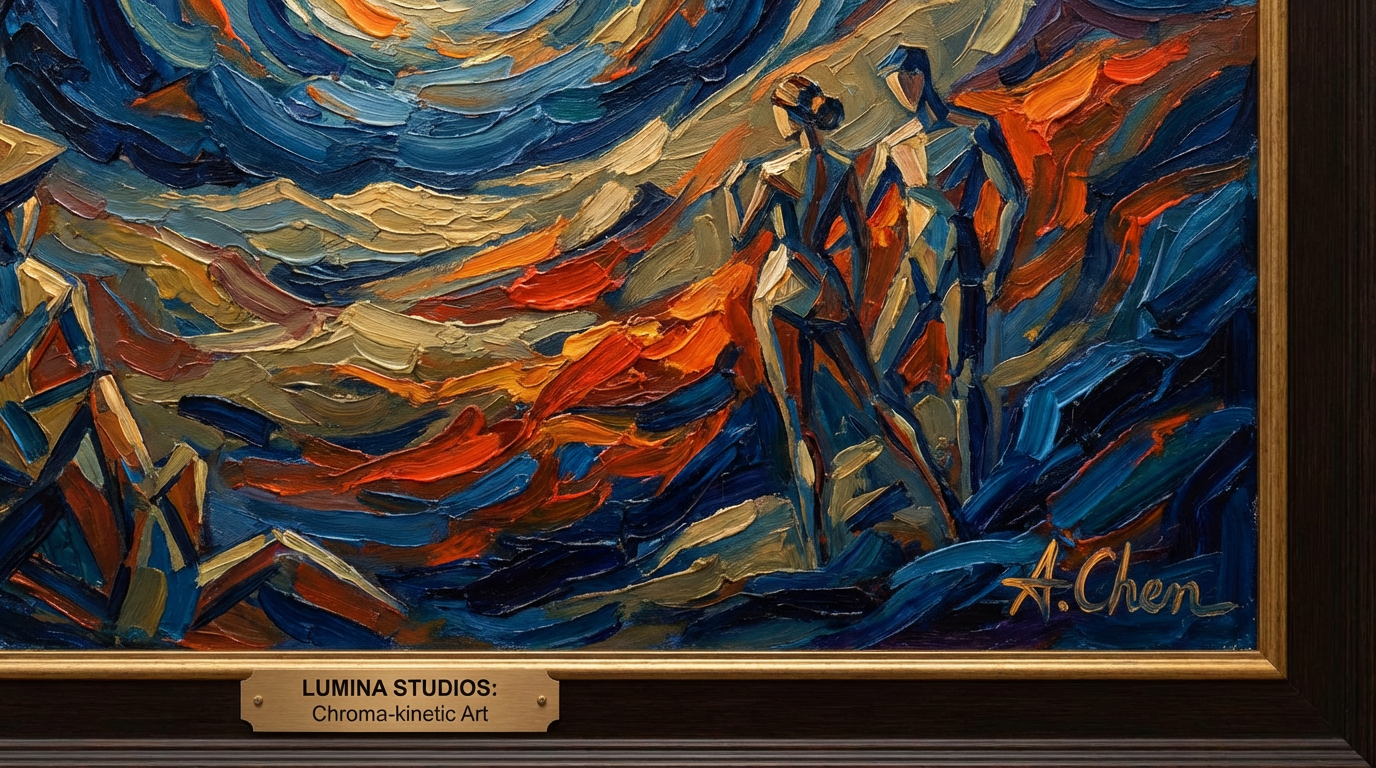

Every painter reaches a crossroads. You improve your skills. You finish strong pieces. Yet sales feel inconsistent. Recognition remains limited. At that point, talent alone is no longer the issue. Identity becomes the missing link. When you brand your painting style intentionally, your work stops floating anonymously. Instead, it starts standing out.
Think about famous artists you admire. You can recognize their work instantly. Not because every piece looks identical. Rather, because a clear visual voice runs through everything they create. That voice is branding, whether planned or accidental.
This article shows how to brand your painting style without selling out or losing creative freedom. You will learn how to shape perception, build recognition, and connect your art to buyers emotionally and financially.
Why Branding Matters More Than Ever for Painters
The art world is crowded. Social media platforms overflow with beautiful work. Online marketplaces refresh endlessly. Because of this saturation, being good is no longer enough.
When collectors scroll quickly, they respond to familiarity. Recognition builds trust. Trust drives sales. Therefore, learning how to brand your painting style gives your work a competitive edge.
Branding does not mean turning art into a logo. Instead, it clarifies what makes your work distinct. It helps buyers remember you after they close the app or leave the gallery.
Understanding What “Brand Your Painting Style” Really Means
Branding starts internally. It begins with clarity. When you brand your painting style, you define consistent elements that appear across your work, presentation, and message.
These elements include color choices, subject matter, emotional tone, and technique. Over time, they form a signature presence. Viewers may not articulate it. Still, they feel it.
Branding also includes how you speak about your work. Your captions, artist statements, and website language reinforce visual identity. When visuals and words align, recognition accelerates.
Finding the Core of Your Painting Style
Before branding outwardly, look inward. Ask yourself difficult questions.
Your answers reveal direction. Branding works best when it amplifies what already exists. Forced branding feels hollow. Organic branding feels inevitable.
Review your last twenty paintings. Notice patterns. Do not judge. Just observe. These patterns form the foundation when you brand your painting style authentically.
Consistency Without Creative Restriction
Many artists fear consistency. They worry about being trapped. However, consistency does not mean repetition. It means coherence.
Think of musicians. They evolve over time. Still, their sound remains recognizable. Painters can do the same. You can explore new ideas while maintaining a visual thread.
When you brand your painting style, you choose guiding principles rather than rigid rules. These principles allow growth without confusion.
Visual Elements That Drive Recognition
Visual branding begins with color. Many recognizable painters favor specific palettes. Even subtle preferences become noticeable over time.
Subject matter matters too. Landscapes, portraits, abstracts, or symbolic themes create mental associations. Technique plays a role as well. Brushwork, texture, and composition choices leave fingerprints.
None of these elements need to be extreme. Consistency creates recognition quietly. Over time, repetition builds memory.
Naming and Describing Your Painting Style
Language shapes perception. When you brand your painting style, naming it helps anchor identity. This does not require inventing grand labels. Simple descriptors often work best.
Consider phrases that describe mood, process, or inspiration. Use them consistently across platforms. Over time, these words become linked to your visuals.
Clear descriptions also help buyers explain your work to others. That social sharing fuels growth organically.
Branding Through Emotional Connection
People buy art emotionally. They justify logically later. Therefore, emotional branding matters deeply.
What feelings do your paintings evoke? Calm, nostalgia, tension, joy? When you brand your painting style, lean into those emotions intentionally.
Share stories behind your work. Explain what inspired certain pieces. These narratives humanize your brand. As a result, buyers feel connected rather than transactional.
Branding Your Painting Style Online
Online presence shapes first impressions. Websites, social profiles, and marketplaces should reflect the same identity.
Use consistent profile images. Choose cohesive layouts. Write bios that echo your artistic voice. Visual unity across platforms strengthens recognition.
When you brand your painting style online, repetition works quietly. Over time, viewers begin recognizing your work before seeing your name.
Social Media as a Branding Tool
Social platforms reward consistency. Algorithms favor recognizable patterns. Audiences do too.
Posting wildly different styles confuses viewers. Meanwhile, consistent content builds familiarity. This does not require posting identical images. Instead, maintain shared visual language.
Captions matter as well. Tone, pacing, and storytelling reinforce brand voice. Together, visuals and words create a memorable presence.
Branding Your Painting Style for Galleries and Buyers
Galleries look for coherence. Buyers look for confidence. Branding provides both.
When a collection feels unified, it appears intentional. Curators understand it quickly. Buyers feel reassured about investing.
Present your work as part of a larger narrative. Even varied pieces should feel connected. That cohesion increases perceived value.
Pricing as Part of Your Brand
Pricing communicates more than numbers. It signals positioning. When you brand your painting style, pricing should align with identity.
Undervaluing work weakens brand perception. Overpricing without recognition creates resistance. Research comparable artists. Price confidently yet realistically.
Consistency matters here too. Erratic pricing confuses buyers. Stable pricing builds trust and expectation.
Packaging and Presentation Matter
Branding extends beyond the canvas. Packaging, certificates, and presentation influence perception.
Thoughtful wrapping enhances unboxing experiences. Signed notes personalize transactions. Professional presentation reinforces seriousness.
These details may seem small. However, they shape how buyers remember you. Strong memories lead to repeat sales.
Telling Your Artist Story Clearly
Every brand tells a story. Your artist journey matters. Share it honestly. Avoid exaggeration. Authentic stories resonate most.
Explain why you paint. Share influences. Discuss challenges. These narratives humanize the brand.
When you brand your painting style through storytelling, buyers feel part of the journey. That emotional investment strengthens loyalty.
Avoiding Common Branding Mistakes
Many artists chase trends. Trends fade quickly. Branding built on trends collapses easily.
Others imitate successful painters too closely. While inspiration helps, imitation weakens identity.
Branding also fails when inconsistency dominates. Constant rebranding confuses audiences. Instead, evolve gradually.
Patience matters. Branding compounds over time. Expecting instant results creates frustration.
Evolving Your Brand Without Losing Recognition
Growth should feel natural. As skills develop, branding can evolve gently.
Introduce new elements slowly. Maintain familiar anchors. Communicate changes openly.
Audiences appreciate evolution when it feels intentional. Sudden shifts require explanation. Gradual growth feels exciting rather than jarring.
Turning Recognition Into Sales
Recognition creates opportunity. Conversion requires clarity.
Make purchasing easy. Clear pricing, simple checkout, and direct calls to action matter.
Communicate availability regularly. Scarcity encourages decision-making. Limited series reinforce value.
When you brand your painting style effectively, selling feels natural rather than forced.
Long-Term Benefits of Strong Artistic Branding
Branding compounds. Each painting strengthens identity. Each post reinforces memory.
Over time, opportunities expand. Commissions increase. Licensing becomes possible. Teaching opportunities appear.
Strong branding creates stability. Income becomes more predictable. Creative confidence grows alongside recognition.
Conclusion
To brand your painting style is to claim ownership of your artistic voice. It clarifies identity, builds trust, and supports sustainable sales. Branding does not limit creativity. Instead, it focuses it.
When visuals, language, and emotion align, recognition follows naturally. Buyers remember you. Galleries understand you. Opportunities multiply.
Start where you are. Refine gradually. Let consistency work quietly. Over time, your painting style becomes more than art. It becomes a recognizable, valuable brand.
FAQ
1. Do I need a logo to brand my painting style?
No, visual consistency and messaging matter far more than logos.
2. Can I have more than one painting style?
Yes, but branding works best when each style has clear separation.
3. How long does branding take to show results?
Recognition builds gradually, often over months or years of consistency.
4. Will branding limit my creativity?
No, it provides direction while still allowing artistic growth.
5. Is branding important if I sell locally only?
Yes, strong branding increases referrals and repeat buyers everywhere.
Leave a Comment