
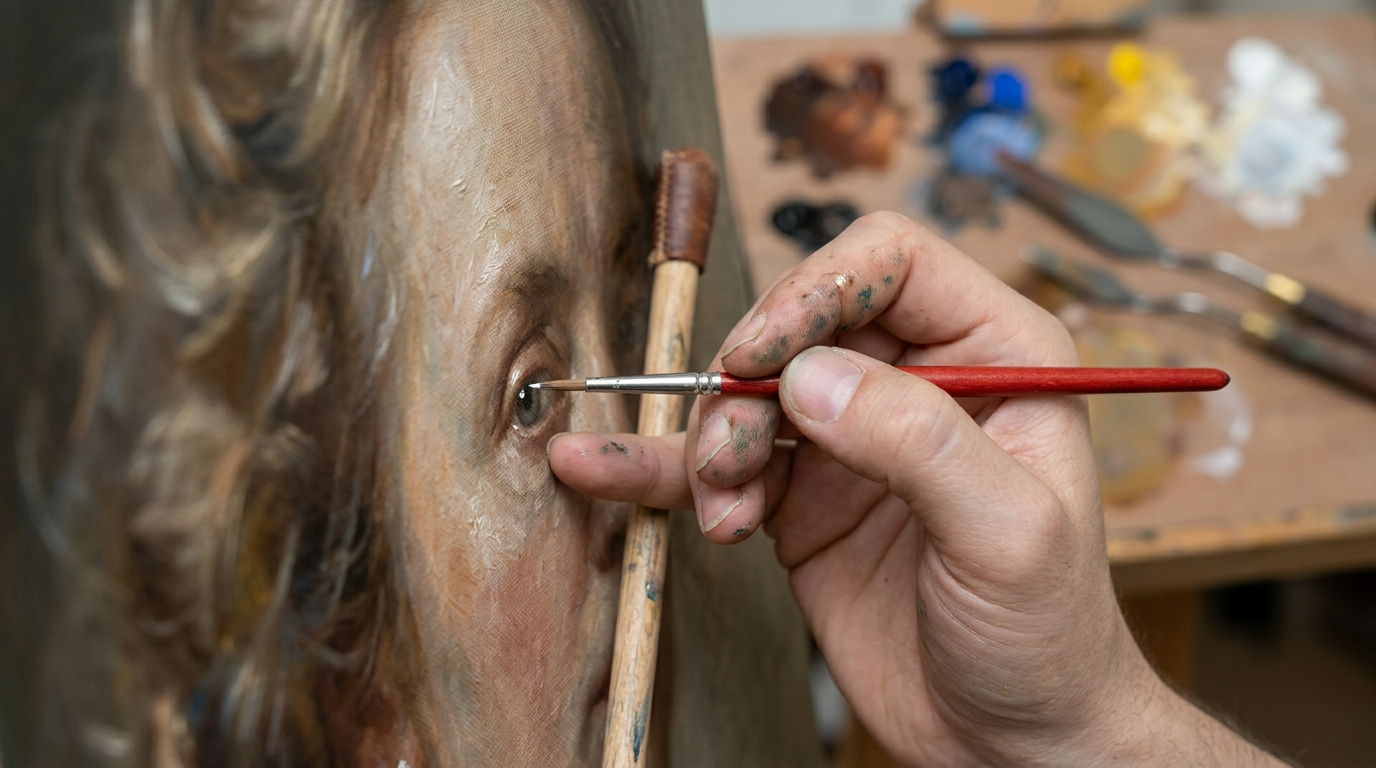

Creating fine patterns, delicate lines, and intricate artwork requires precision. Artists, painters, and hobbyists all rely on strong detail brush control to produce clean and accurate designs. Without control, even the best tools can lead to uneven strokes or shaky lines.
Fortunately, brush control is a skill that improves with practice and technique. By understanding how to hold the brush, manage pressure, and guide movement, anyone can dramatically improve their results. Small adjustments often make a big difference.
This guide explains practical strategies to strengthen detail brush control so your designs look cleaner, sharper, and more professional.
Why Brush Precision Matters in Intricate Work
Fine design work demands more accuracy than broad painting techniques. Small mistakes become noticeable immediately.
Precise control allows artists to maintain consistent line thickness and smooth curves. It also prevents paint from spreading outside the intended shape.
Additionally, good technique reduces fatigue. When hands remain relaxed and controlled, artists can work longer without losing accuracy.
Most importantly, consistent detail brush control builds confidence. Once your hand becomes steady, complex patterns feel much easier to create.
For painters working on miniatures, decorative art, or nail designs, control is the foundation of quality results.
Choosing the Right Brushes for Detailed Work
The brush you choose affects precision significantly. Even strong technique cannot compensate for poor tools.
Use fine-tipped brushes
Small round brushes with sharp points work best for intricate designs. Sizes such as 000, 00, or 0 allow greater precision.
These brushes hold enough paint while still producing thin lines.
Look for flexible bristles
High-quality synthetic or sable brushes respond smoothly to pressure. Flexible bristles make it easier to guide delicate strokes.
Stiff brushes often create jagged lines.
Maintain brush shape
After cleaning, reshape the tip with your fingers. This step preserves the fine point needed for consistent detail brush control.
Well-maintained brushes produce much better results over time.
How to Hold a Brush for Maximum Precision
Grip plays a major role in steady painting. Many beginners hold the brush too tightly or too far from the tip.
Use a relaxed grip
A relaxed grip reduces tension in your hand. Excess tension causes shaking and uneven strokes.
Instead, hold the brush gently between your thumb and fingers.
Hold closer to the ferrule
The ferrule is the metal part connecting the bristles to the handle. Holding the brush closer to this area improves control.
Artists gain better feedback from the brush movement.
Support your hand
Resting your wrist or pinky finger on the surface stabilizes your hand. This anchor point dramatically improves detail brush control during fine work.
Over time, this technique becomes second nature.
Practice Pressure Control
Pressure determines how thick or thin a brush stroke becomes. Learning to control pressure is essential for detailed designs.
Light pressure creates delicate lines. Slightly heavier pressure produces thicker strokes.
Therefore, practice applying gradual pressure changes while painting simple lines.
Start with basic exercises such as straight lines, loops, and dots. These drills train your hand to respond smoothly.
Eventually, stronger detail brush control allows you to vary line weight naturally while painting.
Artists often notice dramatic improvement after only a few practice sessions.
Develop Steady Hand Movements
Steady movement is just as important as brush choice or grip.
Many beginners rely on finger motion alone. However, this approach often causes uneven lines.
Instead, move the entire hand or arm slowly while painting longer strokes. Larger movements tend to be smoother.
Additionally, breathing affects stability. Slow breathing reduces small muscle tremors.
When artists combine calm breathing with controlled motion, detail brush control improves significantly.
As a result, curved lines and flowing patterns become easier to execute.
Prepare the Paint Correctly
Paint consistency plays a major role in precision work.
If paint is too thick, the brush drags across the surface. This problem creates broken or uneven lines.
If paint is too thin, it spreads uncontrollably.
Therefore, thinning paint slightly often produces the best results. The paint should flow smoothly but remain controlled.
Proper paint preparation supports consistent detail brush control because the brush moves freely without losing accuracy.
Testing paint consistency before starting detailed work saves time and frustration.
Use Short, Controlled Strokes
Long strokes may seem efficient, but they often reduce accuracy in intricate designs.
Instead, use short and controlled strokes to build complex shapes gradually.
For example, small curved strokes can form petals, leaves, or decorative lines. Gradually connecting these strokes produces smooth designs.
Although this method takes patience, it improves overall detail brush control.
Many professional artists rely on this approach when painting miniatures, decorative furniture, or detailed illustrations.
Short strokes provide greater precision and reduce mistakes.
Train Your Hand with Daily Practice
Like any artistic skill, brush control improves through repetition.
Simple daily exercises strengthen coordination between your hand and eye.
Line exercises
Draw straight lines across a page using consistent pressure. Focus on smooth movement.
Dot practice
Paint evenly spaced dots while keeping size consistent.
Curves and loops
Practice curved lines and spirals. These shapes train smooth directional changes.
Over time, these exercises dramatically improve detail brush control.
Artists who practice regularly often see noticeable improvement within weeks.
Improve Focus and Workspace Setup
Your environment also influences painting accuracy.
Poor lighting forces your eyes to strain. As a result, your hand may compensate incorrectly.
Therefore, use bright, even lighting while working on detailed designs.
Additionally, keep your workspace organized. Clear surfaces allow better hand movement and reduce accidental smudging.
Comfortable seating also matters. Good posture helps maintain steady movement.
With a proper setup, artists naturally develop stronger detail brush control because they can focus fully on the design.
Correct Mistakes Without Losing Precision
Even experienced artists make small mistakes during detailed work.
Fortunately, correcting errors carefully prevents them from affecting the final design.
First, allow paint to dry completely before making corrections. Wet paint often spreads when touched.
Next, use a slightly damp brush to clean small edges if needed.
Fine correction brushes also help restore sharp lines.
Maintaining patience during corrections protects your detail brush control and keeps designs looking professional.
Rushing often causes more problems than the original mistake.
Advanced Techniques for Intricate Designs
Once basic control improves, artists can explore advanced techniques.
Layering thin lines creates depth in decorative patterns. Similarly, overlapping strokes produce complex textures.
Some artists also rotate the surface while painting. This technique keeps the brush at a comfortable angle.
Another helpful method involves guiding strokes with light pencil sketches first.
These strategies enhance detail brush control while allowing greater creativity in complex designs.
As skills improve, intricate artwork becomes easier and more enjoyable to create.
Conclusion
Creating intricate designs requires patience, practice, and proper technique. However, mastering the fundamentals makes detailed painting far less intimidating.
Choosing quality brushes, adjusting grip, and controlling pressure all contribute to better results. In addition, steady movement and proper paint preparation help maintain precision.
Regular practice strengthens coordination and builds confidence over time. Even small daily exercises can significantly improve artistic accuracy.
Most importantly, consistent practice develops reliable detail brush control, allowing artists to create clean lines and refined designs. With dedication and the right techniques, intricate artwork becomes both achievable and rewarding.
FAQ
1. What is the best brush size for intricate painting?
Very small round brushes, such as size 000 or 00, work best for delicate work. These brushes create thin lines while still holding enough paint.
2. Why do my fine lines look shaky when painting details?
Shaky lines usually result from hand tension or lack of support. Resting your hand on the surface and relaxing your grip improves stability.
3. How can beginners improve precision when painting small designs?
Beginners should practice basic line exercises regularly. Simple drills train the hand to move smoothly and accurately.
4. Does paint thickness affect fine line painting?
Yes. Paint that is slightly thinned usually flows better and allows smoother strokes. Extremely thick or watery paint reduces control.
5. How long does it take to develop better brush accuracy?
Improvement often appears within a few weeks of consistent practice. Regular exercises and proper technique accelerate progress.
Leave a Comment