
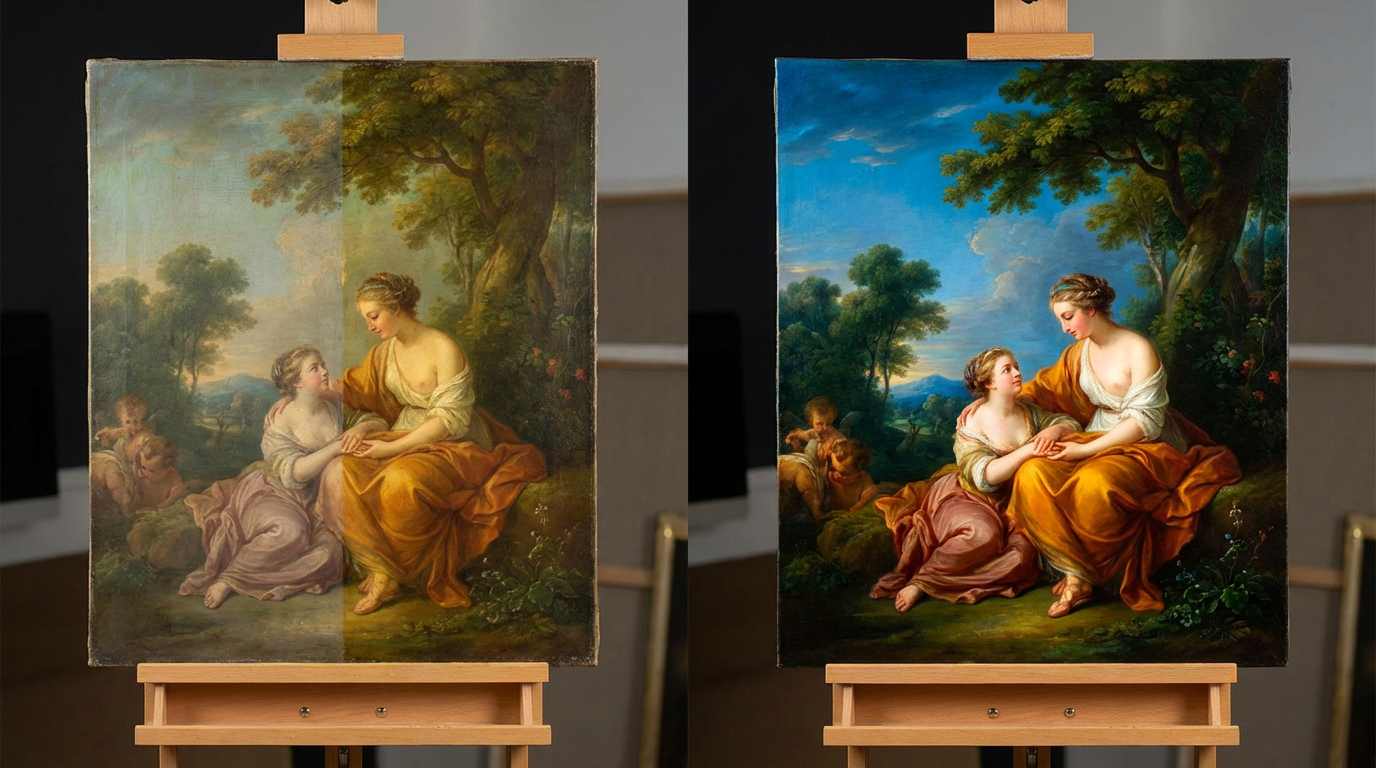

Every painter knows the sinking feeling. You step back. Something feels off. The colors clash. The mood misses the mark. Panic whispers that the painting is ruined. Yet most of the time, that fear is unnecessary. Learning how to fix painting colors can save hours of work and rebuild confidence fast.
Paintings rarely fail because of effort. They stumble because color relationships drift out of balance. Fortunately, color is flexible. It can be nudged, softened, cooled, warmed, or unified. You do not need to start over. You need strategy.
This guide walks you through practical, painter-tested ways to fix painting colors calmly and effectively. No erasing history. No frustration. Just smart corrections.
Why Colors Go Wrong in the First Place
Color problems rarely come from one bad choice. They build quietly.
Lighting changes mid-session. Fatigue dulls judgment. Colors dry darker or lighter than expected. Suddenly, harmony disappears.
Understanding this helps emotionally. Color mistakes are not personal. They are normal. Every experienced painter fixes painting colors regularly. Knowing that makes correction feel manageable rather than overwhelming.
Step Back Before You Fix Painting Colors
Before touching the brush, pause. Distance reveals truth.
Step back several feet. Squint slightly. Notice value before hue. Often, the issue is contrast, not color itself.
Taking a break helps too. Fresh eyes catch relationships you missed. Rushing fixes usually deepens problems. Calm observation prevents overcorrection.
Check Value First, Not Hue
Many color issues are actually value problems.
If light and dark relationships fail, color will feel wrong no matter how accurate the hue is. Darkening or lightening areas often solves tension immediately.
Try converting the painting to grayscale mentally. Does it read clearly? If not, adjust value before adjusting color. This approach simplifies decisions and restores structure quickly.
Use Glazing to Fix Painting Colors Subtly
Glazing works like tinted glass. It shifts color gently without covering everything.
Thin, transparent layers allow underlying work to show through. This technique works especially well with acrylics and oils.
To cool an area, glaze with a transparent blue. To warm it, introduce a warm transparent tone. Small changes add up. Patience matters here.
Neutralizing Colors That Are Too Strong
Overly bright colors often cause discomfort.
Instead of repainting, neutralize. Add the complementary color lightly. A touch of red calms green. A hint of orange softens blue.
This approach reduces intensity without destroying harmony. Fix painting colors gradually. Test small areas first. Adjust slowly.
Adjusting Temperature to Restore Balance
Temperature controls mood.
If a painting feels flat, temperature contrast may be missing. Warm foregrounds and cooler backgrounds often create depth.
To fix painting colors related to temperature, introduce warmth or coolness intentionally. Even subtle shifts change perception dramatically.
Using Scumbling to Fix Painting Colors
Scumbling involves dragging a lighter, opaque color over a dry layer.
This technique softens areas without complete coverage. It breaks up harsh transitions and unifies sections.
Scumbling works well for skies, foliage, and textured surfaces. It allows correction without heavy repainting.
Softening Edges to Improve Color Relationships
Hard edges amplify color contrast. Soft edges reduce tension.
If colors fight, check edges. Softening boundaries often solves the problem.
Blend gently where needed. Preserve sharp edges only where focus belongs. Edge control supports color harmony naturally.
Fix Painting Colors by Repeating Them Elsewhere
Isolated colors feel wrong.
Repeating a color in small amounts throughout the painting unifies the composition. This technique creates rhythm.
If one area feels disconnected, echo its color elsewhere subtly. Suddenly, it belongs. This trick works surprisingly often.
Using Gray and Neutrals Strategically
Pure color everywhere overwhelms the eye.
Introducing neutral zones gives color space to breathe. Gray does not kill color. It supports it.
Mix grays from existing colors rather than using black. These custom neutrals integrate smoothly and maintain harmony.
Correcting Muddy Colors Without Panic
Muddy areas happen. Overmixing causes them.
To fix painting colors that look dull, let them dry. Then glaze clean color over them.
Trying to fix mud while wet often worsens it. Dry layers provide control. Transparency restores vibrancy.
When to Subtract Instead of Add Color
Sometimes less fixes more.
Removing color through lifting or gentle scraping can restore balance. This works best while paint remains workable.
Subtracting simplifies complexity. It resets sections without restarting the entire painting.
Using Color Relationships Instead of Matching
Exact matching traps painters.
Focus on relationships instead. A color only needs to relate correctly to its neighbors. Absolute accuracy matters less.
This mindset frees you. Fix painting colors by adjusting relationships rather than chasing perfection.
Fix Painting Colors Through Background Adjustments
Foreground problems sometimes originate behind them.
Changing background color shifts everything forward. Darkening or cooling a background can instantly improve subject colors.
Try adjusting surrounding areas before repainting focal points. Context often solves issues faster.
Letting Layers Dry Before Deciding
Wet paint lies. Dry paint tells the truth.
Colors often shift as they dry. Waiting prevents unnecessary corrections.
Trust the process. Evaluate after drying whenever possible. This patience avoids chasing temporary problems.
Knowing When Color Problems Are Actually Composition Issues
Color sometimes gets blamed unfairly.
If the painting feels awkward, composition may be the real issue. Color adjustments alone cannot fix poor placement.
Reassess focal points and balance. Minor compositional tweaks can improve color perception dramatically.
Fix Painting Colors with Limited Palettes
Limiting palette choices during correction simplifies harmony.
Using fewer colors reduces chaos. It forces subtle mixing and natural cohesion.
This method calms paintings that feel scattered. Simplicity restores confidence quickly.
Avoiding Overcorrection
Overcorrection kills freshness.
Fix painting colors incrementally. Pause often. Evaluate changes honestly.
If improvements appear, stop. Trust restraint. Not every issue needs full resolution.
Learning from Color Mistakes
Mistakes teach faster than success.
Notice what caused the issue. Lighting? Fatigue? Rushing?
Awareness prevents repetition. Over time, fixing becomes rarer because judgment sharpens.
Building Confidence Through Color Recovery
Recovering a painting builds confidence more than starting fresh.
Each saved piece proves capability. You learn resilience. Fear loses power.
Fixing painting colors becomes part of the creative process, not a setback.
Conclusion
Color problems do not mean failure. They mean the painting is alive and asking for attention. Learning how to fix painting colors without starting over transforms frustration into control. Through glazing, neutralizing, adjusting temperature, and refining relationships, harmony can be restored.
Each correction strengthens your eye and your confidence. Over time, color stops feeling fragile. It becomes flexible. Paintings evolve instead of collapsing. That ability to recover is what separates persistence from progress.
FAQ
1. Can all color mistakes be fixed without repainting?
Most can be improved significantly with layering and adjustment.
2. Is glazing safe for beginners?
Yes, it is one of the safest correction techniques.
3. Should I wait for paint to dry before fixing colors?
Often yes, especially when working with muddy areas.
4. Does adding white help fix wrong colors?
White changes value but may dull color if overused.
5. How do I know when to stop correcting?
Stop when harmony improves and the painting feels balanced.
Leave a Comment