
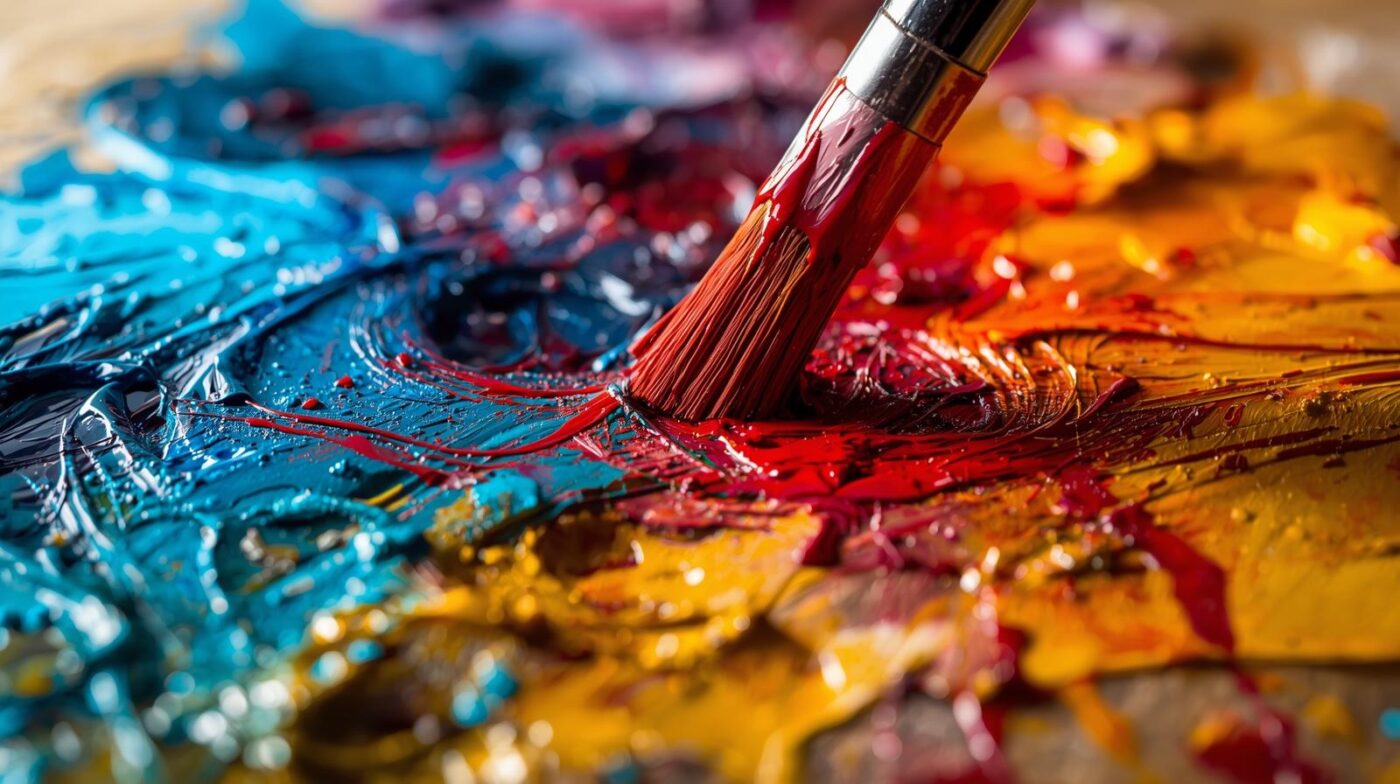

Metallic and iridescent paint effects have a magical way of transforming a piece of artwork. They shimmer. They shift with the light. They offer a sense of depth and movement that flat colors simply can’t match. If you’ve ever wondered how artists achieve those glowing surfaces or subtle, color-shifting highlights, the secret lies in learning how to mix colors metallic and blend them into your existing palette. The process is far more accessible than many artists think, and once you learn it, you’ll find endless ways to elevate your paintings.
Whether you’re working with acrylics, oils, watercolor, or mixed media, metallic and iridescent effects can add sophistication and intrigue. They enhance focal points, enrich backgrounds, and breathe life into subjects like water, sky, fabric, jewelry, and abstract shapes. When you understand the science behind reflectivity and color mixing, your creative possibilities expand dramatically. Metallic effects aren’t just about sparkle—they’re about creating subtle shifts that mimic real-world materials and lighting.
Why Metallic and Iridescent Color Mixing Matters
When you mix colors metallic, you enter a world where surface qualities become just as important as hue and value. Metallic and iridescent finishes interact with light in unique ways. Instead of absorbing and reflecting evenly, these paints bounce light back at varying intensities. This creates the illusion of texture, dimension, and physical material, even when the painting surface is flat.
Learning how to mix metallic tones allows you to push realism further. Gold highlights warm skin tones. Silver reflections elevate machinery or architecture. Iridescent blues and greens mimic natural elements such as feathers, waves, or scales. These effects give your artwork emotional resonance, because light feels alive on the surface.
Additionally, mixing your own metallic and iridescent colors gives you greater control than pre-made paints. You can tailor shine levels, adjust undertones, and create colors perfectly suited to your style. This makes your work more personal and expressive.
Understanding How Metallic Effects Work
To mix colors metallic successfully, you need to understand how metallic paint behaves. Unlike standard pigments, metallic paints contain mica, aluminum flakes, or other reflective particles. These particles act like tiny mirrors, catching and redirecting light. The size, type, and direction of these particles determine the level of shine.
Irregular particles create subtle shimmer. Larger, uniform particles create bold, mirrorlike shine. When mixed with transparent or semi-transparent colors, these reflective particles allow underlying hues to influence the final effect. This is why metallic paints pair beautifully with glazes and layered techniques.
Iridescent effects behave slightly differently. They rely on interference pigments—particles that refract light instead of simply reflecting it. Because of this refraction, iridescent colors appear to shift depending on viewing angle. Blues may shift into purples. Greens may shift into golds. These pigments allow you to mimic natural iridescence found in shells, insects, and minerals.
Understanding these properties helps you decide how to mix colors metallic in ways that enhance your creative goals.
Choosing the Right Base Colors for Metallic Effects
Your base color plays a major role in the final metallic impression. To mix colors metallic with richness and depth, start by selecting a base that matches the desired undertone of your metallic finish.
For example, warm metallics such as gold, bronze, and copper pair well with reds, oranges, ochres, and earth tones. These bases amplify warmth and produce a more realistic shine. Cool metallics such as silver, steel, and pewter work beautifully with blues, greens, and neutral grays.
However, don’t be afraid to experiment. A violet underpainting beneath gold produces a royal glow. A teal base under silver creates an icy yet vibrant effect. When you mix colors metallic, small variations in base color dramatically influence the final result.
Consider these popular base combinations:
- Yellow ochre + metallic gold = classic warm gold
- Burnt sienna + metallic copper = glowing reddish copper
- Payne’s gray + silver = sleek steel
- Ultramarine + iridescent blue = shifting deep ocean tones
- Magenta + iridescent violet = dramatic color-shifting highlights
Your base determines emotion, realism, and visual weight, making this step essential for achieving strong metallic effects.
How to Mix Metallic Paints for Smooth, Even Shine
When you mix colors metallic, your goal is to distribute reflective particles evenly without losing control over transparency or texture. This requires careful blending and the right ratio of paint to medium.
Start by adding small amounts of metallic pigment or metallic medium to your base color. Never add base color to metallic medium first, as this dilutes the reflective particles too quickly. Begin with a 1:1 ratio and adjust as needed. If you want stronger reflectivity, add more metallic medium. For subtle shimmer, reduce it.
Mix gently. Harsh stirring can trap air bubbles, which dull the shine. Fold the paints together like cake batter. Slow, even motions help the metallic particles suspend evenly without clumping.
If you’re using acrylics, consider a gloss medium. Gloss enhances shine by allowing more light to penetrate and bounce off the metallic particles. For oils, use a clear oil medium that won’t cloud your mixture.
Remember: metallic paints become duller when mixed with too many opaque pigments. To mix colors metallic without losing shine, use transparent or semi-transparent hues whenever possible.
Layering Techniques for Iridescent and Metallic Depth
Metallic and iridescent effects often look best when built in layers rather than mixed into one coat. Layering allows light to travel through the upper layers to reflect off lower ones, creating luminous depth.
Begin with a solid base coat. Allow it to dry fully. Then apply thin glazes of metallic or iridescent mixtures. These glazes should be translucent enough for the base to show through. Multiple thin glazes create more sophistication than one thick layer.
For iridescence, layer different interference colors in selective areas. A blue-green glaze over a violet base produces a mesmerizing shift. A gold interference glaze over teal creates oceanic shimmer.
Feather edges of your glazes using a soft brush. Harsh edges make metallic layers feel artificial, while gentle transitions create natural light flow.
Additionally, dry brushing works beautifully for metallic highlights. Load a small amount of paint on your brush, wipe most of it off, and lightly skim the raised areas of your surface. This adds reflective sparkle exactly where light would naturally hit.
How Light Placement Influences Metallic Color Mixing
Because metallic colors depend on light interaction, your painting’s lighting structure matters greatly. When you mix colors metallic, remember that your highlights will appear brighter than standard paints. Therefore, plan your lighting carefully.
Metallics exaggerate light direction. If your highlights are inconsistent, the shine will look unnatural. Establish your light source early and reinforce it through value shifts before adding metallic detail.
Consider how different surfaces reflect light. Smooth surfaces create sharp reflections. Rough surfaces scatter them. If you want a smooth metallic sheen, keep your underpainting blends soft. For textured metallic effects, use impasto or palette knife strokes before glazing with metallic paint.
Your light source determines where iridescence will appear strongest. Apply interference colors only in areas where the angle of reflected light supports the shifting effect. This strategic placement elevates realism and visual interest.
Using Neutral Colors to Soften Metallic Intensity
Metallic paints can overpower a composition if used excessively. To mix colors metallic in a balanced way, pair them with neutrals. Neutral colors—grays, browns, muted blues, and softened greens—help anchor metallic intensity.
A neutral background allows metallic strokes to stand out elegantly. Neutral shadows beneath metallic highlights create believable depth. Even abstract paintings benefit from this balance, as it keeps the metallic effects from overwhelming the viewer.
When mixing neutral tones with metallics, always add the metallic portion last. This preserves shine and prevents muddiness. A small amount of silver added to gray creates steel. A touch of bronze added to brown creates antique patina.
The key is moderation. Metallic paints shine most when surrounded by calmer, grounded colors.
Experimenting With Tools for Unique Metallic Textures
Metallic and iridescent paints respond beautifully to alternative tools. Brushes work well, but palette knives, sponges, and even household tools can create textures that emphasize shine.
A palette knife spreads metallic paint in broad strokes that catch light dramatically. Sponges produce irregular patterns that mimic natural iridescence. Soft cloths can buff metallic layers to increase luster.
To mix colors metallic with more dimension, try stippling metallic paint onto darker backgrounds. This creates a star-speckled effect that feels magical. You can also drag metallic paint across textured surfaces to highlight raised areas naturally.
Because metallic paints behave differently from regular pigments, experimenting with tools often leads to unexpected and inspiring results.
Creating Realistic Metallic Surfaces
When your goal is realism, focus on value contrast rather than shine. A metallic surface looks convincing when its value range mimics real light, not when it’s covered in glitter.
Study real metal objects. Notice how they reflect both the environment and directional light. Highlights are sharp and bright. Mid-tones transition smoothly. Shadows are cool and deep.
To mix colors metallic convincingly:
- Establish values before adding metallic layers.
- Glaze metallic tones over properly defined forms.
- Add sharp highlights sparingly.
- Use cool shadows to emphasize shine.
- Reflect nearby colors into the metal surface.
The most realistic metallic effects come from thoughtful observation, not just reflective paint.
Enhancing Abstract Work With Metallic and Iridescent Mixing
Metallics and iridescent colors excel in abstract art because they introduce movement and emotion. When you mix colors metallic, you create visual rhythms that shift as viewers move around the piece. This dynamic quality invites longer engagement.
In abstract work, metallics are not limited to realistic representation. You can apply them boldly, layer them unpredictably, and combine them with textured mediums. Iridescent interference colors add mysterious undertones that reveal themselves slowly.
Consider alternating matte and glossy finishes to emphasize contrast. Matte areas absorb light while metallic areas reflect it. This interplay enhances the composition’s depth.
Abstract metallic work is all about experimenting with combinations that challenge expectations while maintaining balance.
Conclusion
Learning how to mix colors metallic opens a world of shimmering, expressive possibilities. Metallics and iridescent pigments add dimension, reflectivity, and emotional resonance to artwork across styles and mediums. When you understand how to choose base colors, blend reflective pigments, layer transparently, balance intensity, and apply color strategically, you gain complete control over these captivating effects. Whether you’re enhancing realism or creating bold abstract textures, metallic color mixing elevates your artistic voice. With practice and experimentation, your metallic and iridescent paintings will glow with richness, movement, and life.
FAQ
- How do I keep metallic paints from looking streaky?
Use thin layers, mix gently, and apply glazes rather than thick coats for smoother reflectivity. - Can I mix metallic paints with regular colors?
Yes. Use transparent colors to avoid dulling the shine and add metallic medium slowly for control. - What’s the difference between metallic and iridescent paints?
Metallic paints reflect light with shine, while iridescent paints refract light, creating color-shifting effects. - Why do my metallic mixes look dull?
You may be using opaque pigments or too much base color. Increase metallic medium for more shine. - Do metallic paints work with all mediums?
They work with acrylics, oils, watercolor, and mixed media, though techniques vary by medium.
Leave a Comment