
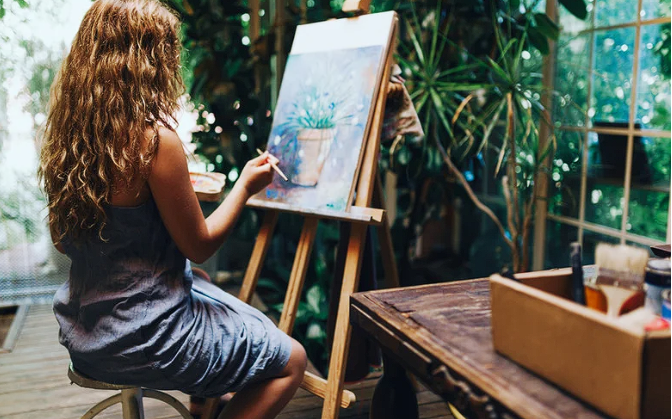

Neutral colors might seem simple, but they’re powerful. They balance bold hues, add realism, and create harmony in paintings. Yet many artists struggle because neutrals can easily slip into muddy, lifeless shades. Learning how to mix neutral colors without creating muddy tones helps you paint with clarity, depth, and confidence.
Why Neutral Colors Matter in Painting
Neutrals act as the “quiet spaces” in a painting. They give the eye rest and make brighter colors pop. Without them, artwork can feel overwhelming or flat.
Understanding Neutral Colors
True Neutrals
Black, white, and gray—created without obvious color bias.
Near Neutrals
Muted browns, tans, and soft grays made by mixing complementary colors or adding black and white.
Complex Neutrals
Colors with subtle undertones—like warm beige or cool slate—that bring sophistication to your palette.
The Challenge of Muddy Tones
Muddy tones happen when colors lose vibrancy. This often occurs because:
- Too many pigments are mixed together.
- Complementary colors are blended without control.
- Dirty brushes contaminate fresh mixes.
How to Mix Neutral Colors Without Muddy Results
Use Clean Tools
Always rinse brushes and palette knives thoroughly. Even a hint of leftover pigment can muddy a mix.
Stick to Two Primaries at a Time
Avoid mixing all three primary colors unless you’re intentionally creating brown or gray.
Mix Gradually
Add small amounts of the second color instead of dumping it all at once.
Test on Scrap First
Swatch your mix before applying it to your painting.
Mixing Neutrals with Complementary Colors
- Red + Green = Warm brown
- Blue + Orange = Earthy gray
- Yellow + Purple = Muted tan
Adjust ratios to control warmth or coolness.
The Role of White and Black in Neutrals
- White: Lightens and softens without dulling.
- Black: Deepens but can deaden vibrancy if overused. Mix with care.
Warm vs. Cool Neutrals
- Warm Neutrals: Beige, tan, and warm grays created with red, yellow, or orange undertones.
- Cool Neutrals: Slate, bluish grays, or muted greens created with blue or green undertones.
Knowing which one to use changes the mood of your work.
Practical Exercises for Neutral Mixing
Complementary Pair Study
Choose one pair (blue/orange, red/green, yellow/purple) and explore the range of neutrals it creates.
Value Scale Practice
Mix a neutral, then add white or black in steps to create a smooth gradient.
Limited Palette Challenge
Paint an entire piece using only neutrals to understand their subtle power.
Avoiding Common Mistakes in Neutral Mixing
- Don’t mix more than two complementary pairs at once.
- Avoid over-blending; stop once you reach a balanced tone.
- Don’t forget lighting—colors look different under daylight and artificial light.
How Neutrals Enhance Stunning Paintwork
Neutrals make brights shine, create atmospheric perspective, and bring sophistication. Mastering them means you can control both drama and subtlety in your art.
Mindset Shift: Neutrals Are Not Boring
Think of neutrals as the supporting actors of your painting. They may not grab the spotlight, but they make the stars look even brighter.
Conclusion: Clarity in Every Neutral Mix
Learning how to mix neutral colors without creating muddy tones gives you more control and confidence. With clean tools, smart color choices, and mindful practice, your neutrals will be sophisticated, balanced, and never dull.
FAQ
- Why do my neutrals always look grayish-brown?
You’re likely mixing too many pigments or over-blending complementary colors. - What’s the easiest way to make a neutral?
Start with one complementary pair, then adjust with white or black. - Can neutrals still look vibrant?
Yes. By controlling undertones, neutrals can feel alive rather than flat. - Should I buy premixed neutrals?
You can, but mixing your own gives flexibility and harmony with your palette. - How do I choose between warm and cool neutrals?
Match them to your subject—warm for cozy light, cool for shadows or distant elements.