
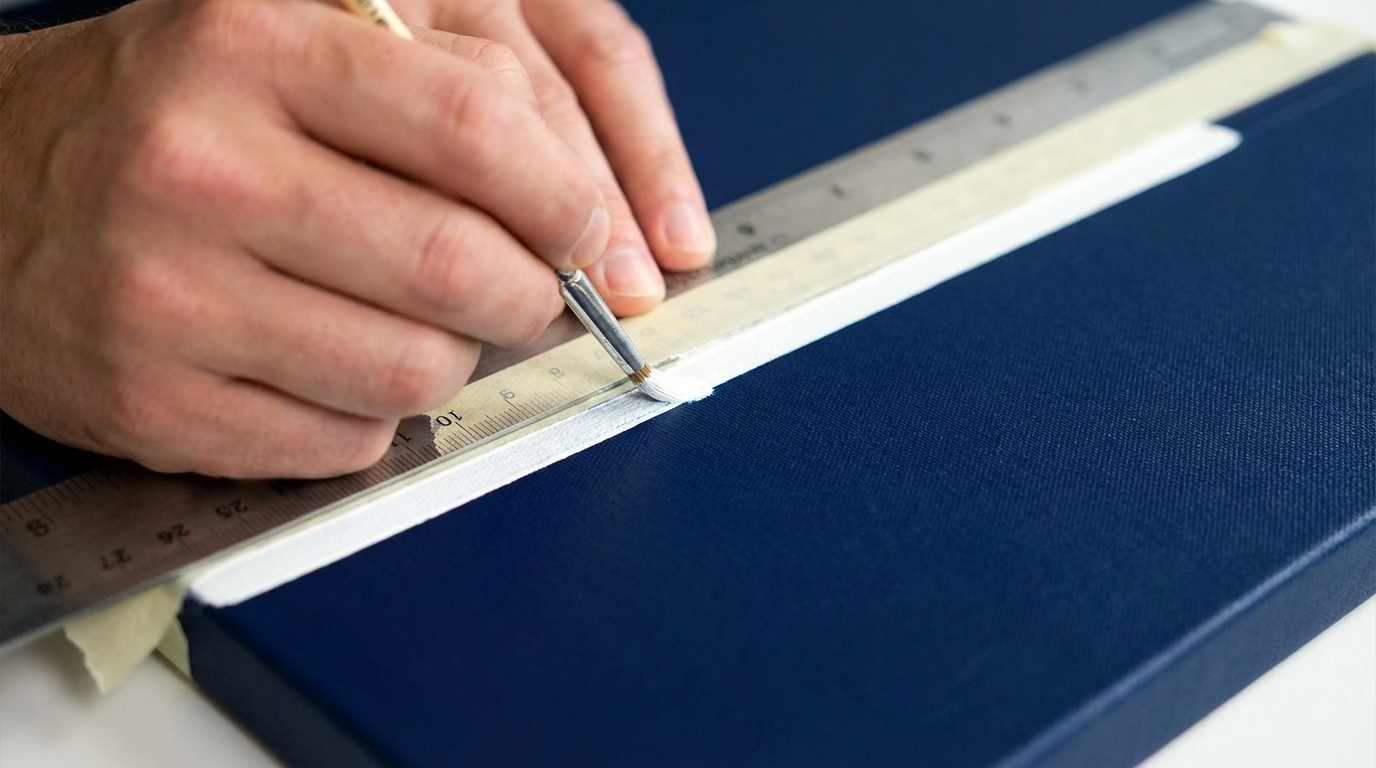

Learning how to paint clean sharp lines with a brush can dramatically elevate your artwork. Crisp edges create structure, contrast, and professionalism. However, many artists struggle with uneven strokes or shaky outlines. Therefore, mastering control and technique becomes essential if you want to paint clean sharp lines consistently.
Strong line work defines shapes clearly. As a result, compositions feel more intentional and polished. Whether you work in acrylic, oil, or watercolor, precision strengthens visual impact.
Although sharp lines may seem difficult at first, simple adjustments in tools, posture, and paint consistency make a significant difference. With practice and patience, you can paint clean sharp lines confidently in any project.
Choose the Right Brush for Precision
Brush selection directly affects line quality. Thin, pointed brushes allow greater control. Therefore, liner and round brushes often work best for detailed strokes.
Flat brushes can also create crisp edges when used carefully. However, their squared tips require steady handling.
Additionally, bristle firmness matters. Stiff brushes may drag paint unevenly. Softer bristles glide more smoothly across the surface.
Before starting a project, test your brush on scrap material. Observe how it responds to pressure and angle. When you select the proper tool, it becomes easier to paint clean sharp lines without unnecessary corrections.
Size also plays a role. Smaller brushes enhance detail, while larger ones maintain consistency across longer strokes.
Control Paint Consistency and Load
Paint thickness significantly influences precision. Thick paint often clumps at the tip, causing uneven edges. Conversely, overly thin paint may bleed or spread unpredictably.
To paint clean sharp lines, adjust consistency carefully. Add a small amount of medium if needed. Ensure paint flows smoothly without dripping.
Additionally, avoid overloading your brush. Too much pigment creates blobs at the beginning or end of strokes. Instead, dip lightly and remove excess on your palette.
Balanced paint load ensures steady application. When flow feels controlled, your hand movements become smoother and more confident.
Use Proper Hand Position and Support
Steady posture improves accuracy. Rest your forearm on a stable surface whenever possible. This support reduces shaking.
Additionally, hold the brush closer to the ferrule for detail work. This grip provides greater control over movement.
If painting on an easel, adjust height to avoid strain. Comfortable positioning prevents fatigue, which can compromise line precision.
Furthermore, move your entire arm for longer strokes rather than only your wrist. This technique creates smoother, straighter lines.
By stabilizing your hand and posture, you significantly improve your ability to paint clean sharp lines consistently.
Work Slowly and With Intention
Rushing often leads to wobbling edges. Therefore, slow down your strokes deliberately.
Before applying paint, visualize the path of your line. Then execute it in one confident motion.
If mistakes occur, allow the paint to dry before correcting. Layering corrections over wet paint often worsens the issue.
Moreover, breathe steadily while painting. Tension in your hand can translate into uneven movement.
When you focus on intention and calm execution, you begin to paint clean sharp lines more reliably.
Use Tape and Guides Strategically
Masking tape can assist in achieving crisp edges. Apply it firmly to prevent paint seepage.
Before painting, press the tape down securely along the edge. After applying paint, remove it carefully while the paint is still slightly wet.
Additionally, rulers or straightedges help guide long lines. However, avoid pressing too hard to prevent smudging.
While freehand skill remains valuable, tools provide extra support when needed. Combining techniques improves overall precision.
Practice Controlled Line Exercises
Skill develops through repetition. Therefore, dedicate time to line practice exercises.
Draw parallel lines across a page. Focus on maintaining even spacing and thickness.
Next, practice curved strokes. Gradually increase complexity as control improves.
These drills strengthen hand stability and muscle memory. Over time, your ability to paint clean sharp lines improves noticeably.
Regular practice builds confidence. Confidence, in turn, enhances consistency in finished artwork.
Adjust Technique for Different Mediums
Each paint medium behaves differently. Oil paint remains workable longer, allowing corrections. Acrylic dries quickly, requiring faster execution. Watercolor spreads easily, demanding precise moisture control.
To paint clean sharp lines in acrylic, work efficiently and use slow-drying mediums if necessary. For watercolor, ensure paper is dry before applying detailed lines.
Adapting to medium-specific characteristics prevents frustration. Understanding these differences enhances accuracy across projects.
Layer and Refine for Perfection
Sometimes one pass is not enough. Allow the first line to dry fully. Then refine edges with a second thin layer.
This layering technique corrects minor imperfections without overworking the surface.
Additionally, use contrasting colors to sharpen boundaries. Clean background areas highlight crisp lines effectively.
Through patient refinement, you enhance precision while maintaining clarity.
Avoid Common Mistakes That Blur Edges
Several habits reduce line sharpness. Excess pressure causes bristles to spread. Instead, apply gentle, steady force.
Overworking the same area also softens edges. Limit brush passes to preserve crispness.
Moreover, ensure your surface is smooth. Rough textures disrupt straight strokes. Preparing your canvas properly prevents unnecessary complications.
When you address these common issues, it becomes easier to paint clean sharp lines without repeated corrections.
Build Confidence Through Repetition
Confidence grows with familiarity. Therefore, practice small line-focused projects regularly.
As muscle memory develops, your movements become automatic. Doubt decreases and execution improves.
Additionally, track your progress. Compare early attempts to recent work. Visible improvement reinforces motivation.
When you trust your control, painting precise edges feels natural rather than stressful.
Conclusion: Precision Comes From Control and Practice
Learning how to paint clean sharp lines with a brush requires patience, awareness, and steady practice. By choosing the right brush, adjusting paint consistency, and stabilizing your posture, you build a strong foundation.
Slow, intentional strokes combined with proper tools create crisp results. Regular exercises refine muscle memory and improve confidence.
Although mistakes happen, thoughtful layering and correction techniques restore clarity.
Ultimately, when you consistently paint clean sharp lines, your artwork gains structure, professionalism, and visual strength. Precision transforms ordinary compositions into refined, polished creations.
FAQ
- Why do my lines look wobbly?
Unstable hand positioning or rushing often causes uneven strokes. Rest your arm and slow down. - Can beginners achieve crisp edges easily?
Yes. With proper tools and steady practice, anyone can improve line precision over time. - Is masking tape necessary for sharp edges?
Tape helps in certain projects, but freehand control remains an important long-term skill. - How can I prevent paint from bleeding under tape?
Press tape firmly and avoid overly thin paint to reduce seepage. - Which brush type works best for detailed lines?
Liner or small round brushes usually offer the best control for fine strokes.
Leave a Comment