
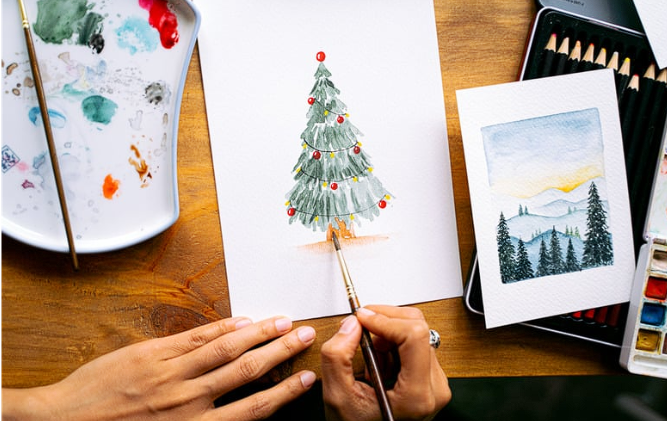

Every painter faces a choice when blending colors: do you mix on the canvas or on the palette? Wet-on-wet and palette mixing are two core methods that shape your painting style. Learning the difference—and knowing when to use each—can completely transform your results. This guide will show you how to master both techniques so your paintwork feels intentional, expressive, and professional.
Why Mixing Methods Matter in Painting
The way you mix colors affects mood, texture, and flow. Wet-on-wet gives spontaneity and energy, while palette mixing offers precision and consistency. Mastering both means you can switch depending on the effect you want.
What Is Wet-on-Wet Mixing?
Definition
Wet-on-wet means applying fresh paint onto wet layers directly on the canvas. Colors blend naturally as you work.
Best For
- Landscapes with soft skies or water.
- Abstracts with fluid, emotional blending.
- Quick, expressive brushwork.
Advantages of Wet-on-Wet Mixing
- Creates smooth transitions and gradients.
- Encourages spontaneity and happy accidents.
- Keeps colors vibrant and dynamic.
Challenges of Wet-on-Wet Mixing
- Easy to overblend and lose clarity.
- Can create muddy tones if too many pigments mix.
- Requires speed before layers dry.
Tips to Master Wet-on-Wet
- Use larger brushes for broader, smoother blending.
- Limit yourself to two or three colors at once.
- Step back often to avoid overworking.
What Is Palette Mixing?
Definition
Palette mixing means blending paints on a separate surface before applying them to the canvas.
Best For
- Portraits where skin tones require precision.
- Consistency across large areas.
- Controlled, repeatable colors.
Advantages of Palette Mixing
- More predictable results.
- Easier to maintain consistent color across the canvas.
- Prevents accidental muddying of tones.
Challenges of Palette Mixing
- Can feel stiff or too controlled.
- Less spontaneous than wet-on-wet.
- Requires careful note-taking to recreate mixes.
Tips to Master Palette Mixing
- Use a palette knife for smooth, even blends.
- Mix larger batches than you think you’ll need.
- Test swatches before applying to the canvas.
Wet-on-Wet vs Palette Mixing: Key Differences
- Control vs. Spontaneity: Palette mixing is precise, while wet-on-wet embraces chance.
- Consistency vs. Variation: Palette mixing gives uniform results; wet-on-wet adds natural variation.
- Speed vs. Preparation: Wet-on-wet requires fast execution; palette mixing requires patience.
How to Combine Both Techniques in One Painting
Great artists often mix methods:
- Use palette mixing for your base colors.
- Switch to wet-on-wet for highlights, blending, and textures.
This balance gives both structure and energy.
Exercises to Practice Both Techniques
Sky and Landscape Study
Blend a wet-on-wet sky, then palette-mix earthy tones for the land.
Portrait Practice
Palette-mix skin tones, then use wet-on-wet for hair or background.
Abstract Experiment
Mix bold colors on the palette, then layer wet-on-wet strokes for unexpected transitions.
Mindset for Mastery
Think of palette mixing as cooking with a recipe and wet-on-wet as freestyle improvisation. Both have value. The magic happens when you know which approach the painting needs.
Conclusion: Two Paths, One Mastery
Understanding wet-on-wet vs palette mixing gives you the flexibility to adapt your style. Master both techniques, and you’ll gain freedom—whether you want controlled precision or expressive energy. The best painters don’t choose one; they know how to use both in harmony.
FAQ
- Which is easier for beginners, wet-on-wet or palette mixing?
Palette mixing is easier for consistency, while wet-on-wet encourages freedom and experimentation. - How do I avoid muddy colors in wet-on-wet?
Limit your palette and stop blending as soon as you achieve the desired effect. - Do I need a palette knife for palette mixing?
It’s recommended. Knives give smoother blends than brushes. - Can I switch between both methods in one painting?
Yes. Many artists combine both for balance and variety. - Which method is best for realism?
Palette mixing is ideal for realism, while wet-on-wet works well for expressive or atmospheric effects.