
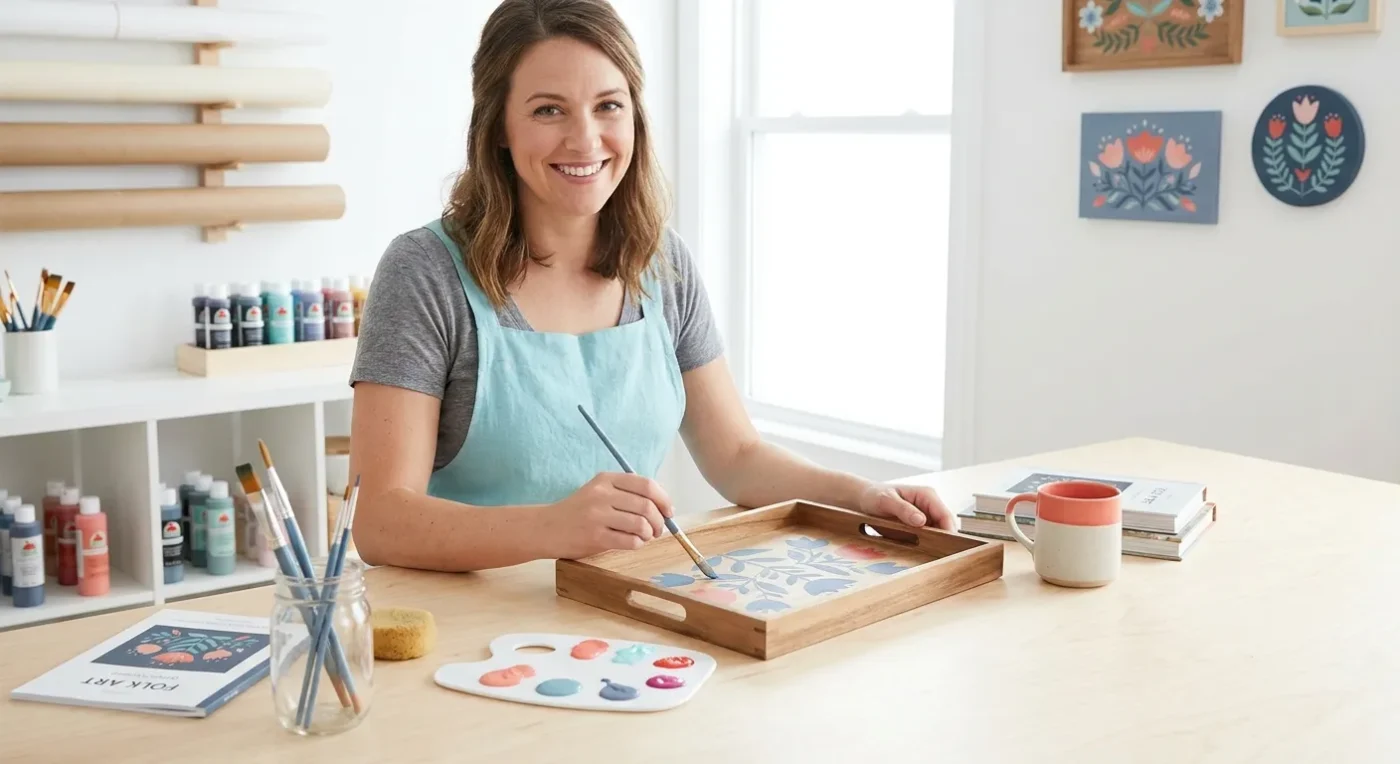

Embarking on a beginner folk art painting journey can feel daunting, but with the right guidance, it’s an incredibly rewarding experience. For anyone who’s ever admired the charm of hand-painted crafts and thought, “I wish I could do that,” this article is for you. At Paint Works Mag, we believe that creativity is for everyone. Folk art, with its emphasis on storytelling and accessible techniques, is the perfect starting point to build confidence and express your unique vision.
What is Folk Art Painting?
Folk art is a beautiful tradition rooted in everyday life. Often, self-taught artists create it using readily available materials. It’s characterized by its simplicity, vibrant colors, and narrative quality. This art form reflects cultural heritage, personal stories, or scenes from daily life. Unlike formal art, folk art celebrates imperfection and the human touch. Consequently, it is incredibly approachable for new painters. This resonates strongly with current trends in 2026, where there’s a growing appreciation for “human-centric art” that rejects AI perfection in favor of visible emotion and imperfection. Your unique hand will be celebrated here!
Why Start Your Folk Art Journey Now?
The appeal of creating something tangible and personal has never been stronger. In a world increasingly dominated by digital experiences, the act of painting offers a grounding, meditative escape. The decorative arts and painting education industry is experiencing robust growth, particularly in online learning. This makes it easier than ever to access instruction. Whether you’re looking to decorate your home with nature-inspired aesthetics—a key trend for 2025 with earthy tones and florals—or simply find a new creative outlet, folk art offers a welcoming entry point.
Essential Materials for Beginner Folk Art Painting
You don’t need an expensive studio to begin. Here’s a basic list to get you started:
Paints
Acrylic paints are ideal for beginners due to their quick drying time, versatility, and ease of cleanup. Look for craft acrylics in basic colors like red, blue, yellow, white, and black. Consider eco-friendly, low-VOC options, which are becoming a standard in the industry, even for hobbyists, aligning with sustainability trends.
Brushes
A few good quality synthetic brushes will serve you well. Start with:
- Flat brush: For broad strokes and filling larger areas.
- Round brush: For lines, details, and curved strokes.
- Liner or script brush: For very fine lines and intricate details.
Surfaces
Wood, canvas, paper, or even rocks can be your canvas. Small wooden plaques or simple canvas boards are great for practice pieces. Upcycling old items like wooden boxes or trays is also a fantastic, sustainable approach.
Other Essentials
- Palette: A plastic plate, an old tile, or even parchment paper works.
- Water container: For rinsing brushes.
- Paper towels or a rag: For cleaning brushes and blotting excess water.
- Sealer/Varnish: To protect your finished artwork.
Basic Techniques for Beginner Folk Art Painting Success
Mastering a few fundamental techniques will build your confidence. These will help you create charming folk art pieces.
The Comma Stroke
The comma stroke is a foundational element in many folk art designs. To create it, load your round brush with paint. Press the brush down firmly, then lift and drag it in a curved motion, releasing pressure as you go. This creates a teardrop or comma shape. Practice this stroke repeatedly. You will soon achieve consistent results.
Dotting
Dots add delightful accents and patterns. Use the tip of a round brush, a stylus, or even the back of a paintbrush handle. Dip it in paint and gently touch it to your surface. Varying the pressure and size of your tool will create different dot sizes. Therefore, you can add visual interest.
Dry Brushing
Dry brushing creates a weathered or textured look. Dip your brush in a small amount of paint, then wipe most of it off on a paper towel. Lightly drag the almost-dry brush across your surface. This technique is excellent for adding subtle shading or creating aged effects.
Choosing Your First Folk Art Painting Project
Selecting your initial project is exciting! Start with something simple to avoid feeling overwhelmed. For example, a small wooden plaque with a single flower or a simple border design is perfect. Alternatively, consider painting a decorative rock. These make charming gifts or garden accents. Remember, the goal is to enjoy the process and build your skills. Don’t worry about perfection.
Common Motifs in Folk Art Painting
Folk art often features recurring themes and imagery. Understanding these can inspire your own creations. Common motifs include:
- Florals: Simple, stylized flowers like roses, tulips, and daisies are very popular.
- Animals: Birds, rabbits, and barnyard animals are frequently depicted.
- Geometric patterns: Borders, checks, and stripes add visual structure.
- Nature scenes: Trees, leaves, and landscapes with a naive charm.
- Everyday objects: Baskets, houses, and simple figures.
Drawing inspiration from these traditional elements can help you develop your own unique style. Furthermore, you can easily adapt them for a contemporary feel.
Setting Up Your Creative Space
You don’t need a dedicated studio. A small, well-lit corner is sufficient. Ensure you have good ventilation, especially if working with certain sealers. Protect your work surface with newspaper or an old tablecloth. Organize your paints and brushes within easy reach. A comfortable chair is also essential. Creating an inspiring environment helps foster creativity and makes your beginner folk art painting sessions more enjoyable.
Overcoming Challenges in Your Folk Art Journey
Every artist faces challenges. Don’t be discouraged by mistakes. Instead, view them as learning opportunities. If a stroke doesn’t look right, try again on a practice surface. If a color combination doesn’t work, experiment with others. Patience is key. Remember that folk art celebrates individuality. Therefore, imperfections often add to the charm. Most importantly, keep practicing. Consistent effort will lead to significant improvement.
Cleaning and Maintaining Your Tools
Proper tool care extends the life of your brushes and ensures better painting results. Clean your brushes immediately after each use. Rinse them thoroughly in water until all paint is removed. Shape the bristles with your fingers and lay them flat or hang them to dry. Never leave brushes sitting in water for extended periods, as this can damage the handles and bristles. Taking care of your equipment is a small but important step in your beginner folk art painting journey.
The Joy of Sharing Your Folk Art
Once you’ve created some pieces, consider sharing them! Display them in your home, give them as thoughtful gifts, or even share photos online. The decorative arts community is incredibly supportive. Sharing your work can inspire others. It also provides a wonderful sense of accomplishment. Remember, every piece you create tells a story. Your unique artistic voice will shine through.
Expanding Your Skills: Beyond Beginner Folk Art Painting
Once you feel comfortable with the basics, many avenues exist for further exploration. You might try incorporating different mediums, like watercolors or oils, if you wish. Perhaps you’ll explore advanced folk art techniques such as stenciling or antiquing. Consider joining local art groups or online communities. These provide continuous learning and inspiration. There are countless resources for learning more about folk art styles, from The American Folk Art Museum to various online tutorials. Continuing your painting education is a rewarding path.
Connecting with the Folk Art Community
The decorative arts community, especially for folk art, is vibrant and welcoming. Joining online forums or social media groups dedicated to folk art painting can be incredibly beneficial. You can share your progress, ask questions, and receive constructive feedback. Moreover, you’ll discover new artists and techniques. Many online platforms, like Etsy’s folk art sections, also offer inspiration and access to specialized supplies. This connection fosters a sense of belonging and encourages continued growth in your artistic endeavors. Remember, learning from others is a vital part of artistic development.
Embracing Your Unique Artistic Voice
The beauty of folk art lies in its authenticity. As you continue your beginner folk art painting journey, you will naturally develop your own distinctive style. Don’t feel pressured to replicate others’ work exactly. Instead, let your personality and experiences guide your brushstrokes. Your unique interpretation is what makes folk art so special. Celebrate your creativity and the individual charm of your hand-painted pieces. This personal touch is truly what folk art is all about.
Conclusion
Starting your journey into beginner folk art painting is an exciting and accessible path to creative expression. From gathering your basic materials to mastering fundamental strokes, every step builds confidence. Remember that folk art embraces simplicity and personal storytelling. It invites you to create without the pressure of perfection. At Paint Works Mag, we are here to support you. We encourage you to pick up your brush and begin painting today. Your creative joy awaits!
Frequently Asked Questions About Folk Art Painting
What makes folk art different from other art forms?
Folk art is distinguished by its origins in everyday life and culture, often created by self-taught artists. It emphasizes simplicity, vibrant colors, and narrative storytelling, reflecting community values or personal experiences rather than formal artistic training or academic traditions. It celebrates the human touch and often uses readily available materials.
What are the best paints for someone new to decorative painting?
For individuals new to decorative painting, acrylic paints are highly recommended. They are water-based, dry quickly, are easy to clean up with water, and are versatile enough for various surfaces. Craft acrylics, in particular, are affordable and come in a wide range of colors, making them perfect for starting out.
How can I protect my painted folk art pieces?
To protect your finished decorative art pieces, it’s essential to apply a sealer or varnish. This clear protective coat safeguards against dust, moisture, and UV damage. Choose a varnish suitable for your paint type (e.g., acrylic varnish for acrylics) and desired finish (matte, satin, or gloss). Apply thin, even coats according to the product instructions.
Can I really learn to paint folk art if I’ve never painted before?
Absolutely! Folk art is incredibly welcoming to newcomers. Its techniques are generally straightforward, and the emphasis is on personal expression rather than strict realism. Many resources, including online tutorials and guides like this one, are designed specifically for those with no prior painting experience. Consistent practice and a willingness to experiment are all you need.
What kind of subjects are popular in traditional folk art?
Traditional folk art commonly features subjects drawn from daily life, nature, and cultural heritage. Popular motifs include stylized animals (like birds, horses, and farm animals), simple floral designs (such as tulips, roses, and leaves), domestic scenes, landscapes, and religious or mythological figures. These elements are often depicted with bright colors and a charming, naive style.
Explore more: More from Paint Works Mag