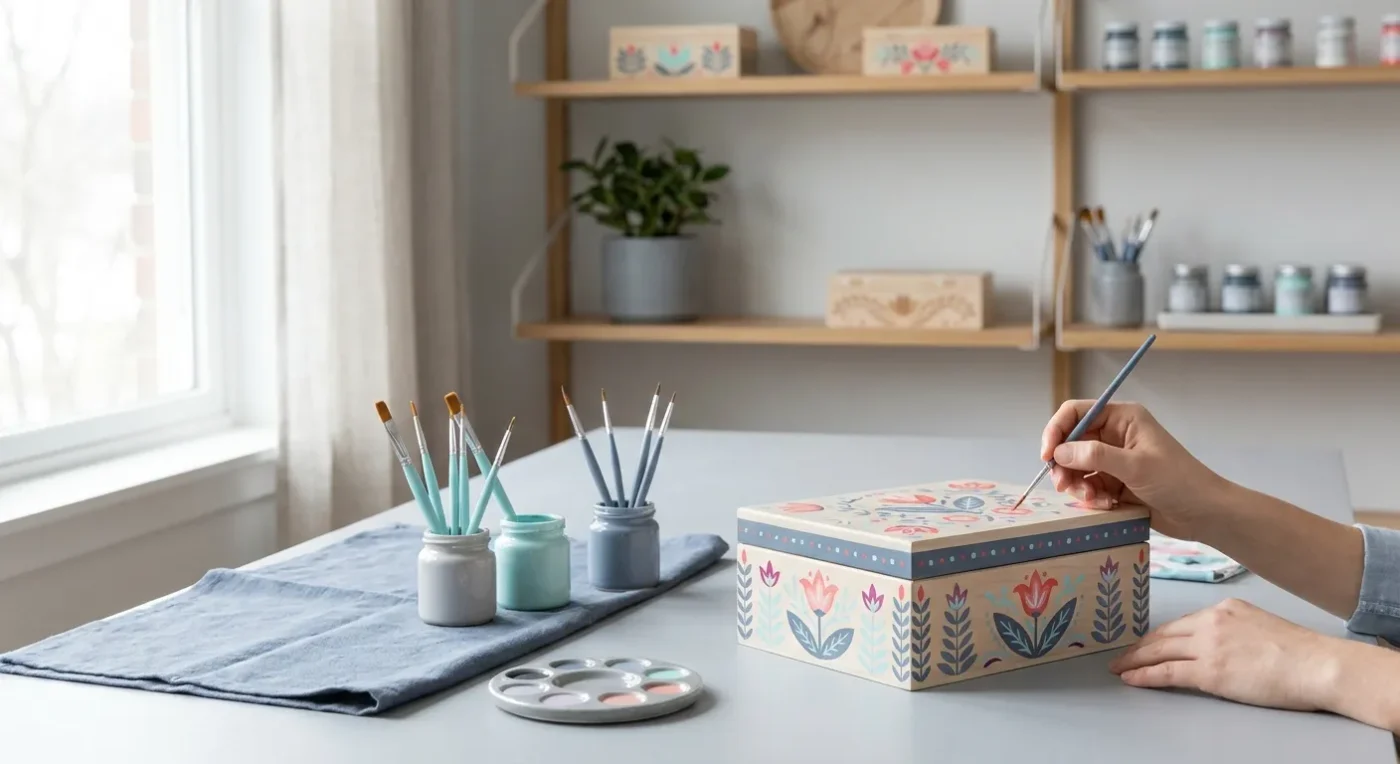

So you’ve mastered the foundational strokes and recreated some beautiful traditional folk art pieces. Now, are you ready to infuse your own spirit into your work? Discovering your personalizing folk art style is a journey of creative exploration, moving beyond replication to true self-expression. In an era where online art courses are thriving, offering unprecedented access to diverse influences, this is the perfect moment to carve out your unique artistic voice.
At Paint Works Mag, we champion the creative spirit, encouraging you to make every project distinctly yours. Let’s explore how to adapt traditional styles, find fresh inspiration, and truly make your folk art sing with your individual flair.
Finding Your Muse: Inspiration Everywhere
True personal style begins with inspiration. While traditional folk art offers a rich tapestry of motifs, look beyond the obvious. Current trends highlight nature-inspired aesthetics, with earthy tones like soft greens, warm clay, and sky blues dominating sustainable home design. How can these inform your palette or subject matter?
- Nature’s Canvas: Observe local flora and fauna. A unique leaf shape, the pattern on a bird’s feather, or the gentle curve of a winding river can all be simplified and stylized into folk art motifs. Consider creating nature-inspired mural walls with low-VOC paints, a rising DIY trend.
- Cultural Crossroads: While respecting origins, explore different folk art traditions. What elements resonate with you? Is it the intricate patterns of Scandinavian rosemaling, the bold colors of Mexican alebrijes, or the whimsical charm of Pennsylvania Dutch designs? Don’t copy directly, but draw inspiration from their underlying principles of design and storytelling.
- Everyday Objects: Look at textiles, pottery, or even old photographs. The repeating patterns on a quilt, the texture of an antique wooden box, or the colors in a vintage print can spark unexpected ideas.
Adapting Traditional Motifs: Making Them Your Own
Once you have inspiration, the key is adaptation, not imitation. This is where personalizing folk art style truly comes alive.
- Simplify and Abstract: Take a complex traditional motif and distill it to its essential lines and shapes. How can you make it more geometric, more fluid, or more whimsical?
- Color Play: Folk art is often vibrant, but what if you experimented with a more muted, earthy palette (tying into sustainability trends) or a bolder, more unexpected color combination? Don’t be afraid to break from convention. The global paints and coatings market, projected to reach $228.6 billion by the end of 2025, offers an incredible array of colors and finishes to explore.
- Combine and Conquer: Mix elements from different traditional styles, or even incorporate modern touches. A traditional floral garland could feature an unexpected contemporary bird.
Developing Your Signature Palette
Color is a powerful tool in artistic expression. Your choice of colors significantly influences the mood and message of your folk art. To begin developing your signature palette, consider what feelings you want to evoke. Do you prefer the calming hues of nature, the vibrant energy of primary colors, or the sophisticated depth of jewel tones? Experimentation is key here.
For example, while traditional folk art often uses specific color combinations, you might find a unique voice by introducing a surprising accent color. Perhaps a touch of neon pink in an otherwise rustic scene, or a deep indigo amidst bright yellows. Furthermore, consider the undertones of your chosen paints. Warm undertones tend to create a cozy, inviting feel, whereas cool undertones offer a sense of calm and freshness. Understanding this allows for more deliberate and impactful color choices.
Additionally, explore different types of paint. Acrylics offer quick drying times and vibrant pigments, while oils provide rich texture and blendability. Watercolors, conversely, offer a softer, more translucent effect. Each medium brings its own characteristics, influencing your overall aesthetic. Selecting a consistent set of colors and preferred mediums will contribute greatly to your unique folk art expression.
Incorporating Personal Narratives
Folk art traditionally tells stories about everyday life, community, and cultural heritage. Therefore, infusing your own narratives into your work is a natural step in developing your distinct artistic approach. Think about your own experiences, memories, and beliefs. What stories do you want to share through your art?
Perhaps a beloved pet becomes a recurring motif, stylized in your unique way. Or maybe elements from your childhood home inspire architectural details in your painted scenes. These personal touches make your art deeply authentic. Moreover, consider local landmarks, personal symbols, or even abstract representations of emotions. When you imbue your art with personal meaning, it resonates more strongly with viewers, fostering a deeper connection. This process of storytelling is fundamental to truly making your mark.
Texture and Dimension: Beyond Flat Surfaces
Folk art is not always flat. Indeed, many traditional pieces incorporate carved elements, raised gesso work, or mixed media. Consider how adding texture can enhance your pieces. For instance, you could use impasto techniques with acrylics to create raised areas, giving a tactile quality to your work. Alternatively, incorporating natural elements like dried leaves, small twigs, or even fabric scraps can add unexpected dimension.
Exploring different surfaces also expands your possibilities. Painting on reclaimed wood, antique furniture, or even canvas with a textured primer can completely change the feel of your piece. These choices directly influence the character of your art, making it more unique. Consequently, don’t limit yourself to traditional canvas. Experiment with found objects, giving them a new life through your creative interpretation. This approach helps in personalizing folk art style even further.
Embracing Imperfection: The Beauty of the Handmade
One of the most charming aspects of folk art is its inherent handmade quality. It celebrates authenticity and often embraces slight imperfections as part of its character. Don’t strive for photographic realism or perfect symmetry in your work. Instead, allow for the natural variations that come with hand-painted creations. These small quirks are what make each piece unique and give it soul.
For example, a slightly uneven line or a brushstroke that shows the artist’s hand adds warmth and personality. This approach contrasts sharply with mass-produced items. Moreover, this acceptance of imperfection can be incredibly liberating for artists. It encourages a more playful and less rigid approach to painting, fostering creativity. Remember, the goal is not perfection, but expression. Embracing this philosophy is a vital part of personalizing folk art style.
Finding Your Voice Through Practice and Reflection
Developing a distinctive artistic voice takes time, practice, and thoughtful reflection. It’s not a destination but an ongoing journey. Regularly set aside time for creative exploration, even if it’s just for short bursts. Experiment with new techniques, colors, and motifs without the pressure of creating a finished masterpiece. This playful approach helps in discovering what truly resonates with you.
After completing a piece, take time to reflect on it. What aspects do you particularly like? What could you do differently next time? Keeping a sketchbook or an art journal can be incredibly helpful for this process. Document your ideas, practice motifs, and jot down observations. Furthermore, don’t be afraid to revisit old projects with fresh eyes. You might discover new ways to adapt or enhance them, further developing your unique aesthetic. This continuous cycle of creation and reflection solidifies your artistic identity.
Building a Portfolio That Speaks to You
As you continue to refine your creative expression, consider curating a portfolio that truly reflects your evolving approach. This collection of work showcases your progress and highlights your emerging signature elements. A cohesive portfolio effectively communicates your artistic vision to others, whether for sharing with friends, exhibiting, or even selling your pieces. Therefore, choose pieces that best represent your personal style and technical skills.
Consider photographing your work in good lighting, ensuring the colors are true to life. A well-organized digital portfolio can be easily shared online, reaching a wider audience. This can be particularly beneficial in today’s digital landscape, where artists connect globally. Moreover, regularly updating your portfolio allows it to grow with you, continuously demonstrating your commitment to personalizing folk art style. This tangible collection becomes a testament to your artistic journey.
Connecting with the Folk Art Community
The journey of developing your unique artistic voice doesn’t have to be a solitary one. Connecting with the broader folk art community can provide invaluable support, inspiration, and feedback. Online forums, social media groups, and local art classes offer opportunities to engage with fellow artists. Sharing your work and seeing others’ creations can spark new ideas and provide constructive criticism.
Attending workshops or art fairs also allows you to learn new techniques and observe different approaches firsthand. You might discover a new medium or a different way of looking at traditional motifs. These interactions enrich your artistic practice and broaden your perspective. Furthermore, many artists find motivation and encouragement through these connections. Being part of a community reinforces the idea that art is a shared experience, even when the focus is on personalizing folk art style. You can find many resources at The Folk Art Society of America.
The Evolution of Your Artistic Identity
Your artistic identity is not static; it will evolve over time, just as you do. Embrace this fluidity and allow your style to grow and change. What captivates you today might shift tomorrow, and that’s perfectly natural. This ongoing evolution is part of the joy of being an artist. Don’t feel pressured to define your style too rigidly too soon.
Instead, view each piece as a stepping stone in your artistic journey. Each painting contributes to a larger narrative of your creative exploration. For instance, you might start with traditional motifs and gradually move towards more abstract interpretations. Or you might discover a passion for a new subject matter that profoundly influences your work. This continuous exploration keeps your art fresh and exciting. Understanding this dynamic process is crucial for long-term artistic fulfillment. It truly defines your approach to personalizing folk art style over a lifetime.
Conclusion: Your Unique Canvas Awaits
The journey of personalizing folk art style is a rich and rewarding one. It’s about more than just painting; it’s about discovering and expressing your unique self through color, line, and form. By drawing inspiration from diverse sources, adapting traditional motifs, developing your own palette, and embracing the handmade quality, you can create folk art that truly reflects your individual spirit. Remember to practice, reflect, and connect with your artistic community. Your unique canvas awaits your personal touch. We encourage you to explore the possibilities and let your creativity flourish. Visit The Metropolitan Museum of Art’s folk art collection for endless inspiration.
FAQ
How can I start developing my own distinct painting approach?
Begin by exploring different inspirations, from nature to cultural traditions. Experiment with color palettes and adapt traditional motifs by simplifying or combining them. Consistent practice and self-reflection are key to finding what resonates with you.
What role does color play in making my art unique?
Color is incredibly important. Your choice of colors can evoke specific moods and set your work apart. Don’t be afraid to experiment with unexpected combinations or to develop a signature palette that reflects your personal aesthetic.
Should I perfectly replicate traditional folk art designs?
While learning traditional designs is valuable, the goal of developing your own approach is to move beyond mere replication. Adapt motifs, simplify them, and infuse your own interpretations rather than copying directly. Embrace the handmade quality and allow for natural variations.
How can personal stories influence my folk art creations?
Incorporating personal narratives, memories, and experiences makes your art deeply authentic. Think about symbols, places, or events from your life that you can stylize and weave into your pieces. This adds a unique layer of meaning to your work.
Is it important to connect with other folk artists?
Yes, connecting with the folk art community can provide immense support and inspiration. Sharing your work, learning from others, and engaging in discussions can help you refine your style and stay motivated on your creative journey.
Explore more: More from Paint Works Mag