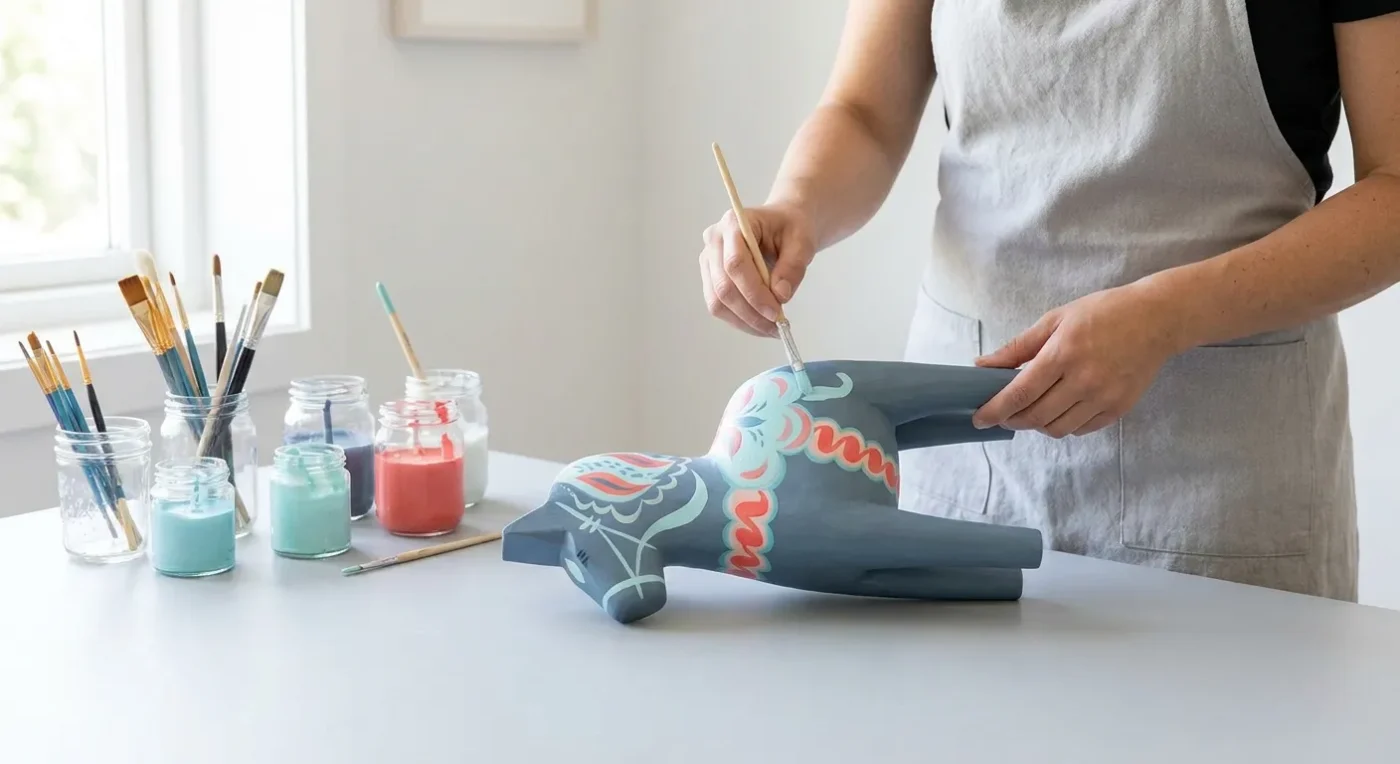

Folk art, with its rich history and charming simplicity, often feels like a beautiful tradition to be preserved. But what if you could take those timeless patterns and infuse them with your own distinctive touch? Learning to personalize folk art painting is not about abandoning tradition, but rather about making it uniquely yours, allowing your individual creativity to shine through. In an era where contemporary art increasingly values human-centric expression over digital perfection, as seen in the 2026 trend towards ‘raw naïve painting’ and ‘deeply personal surrealism,’ there’s never been a better time to embrace your unique artistic voice within this beloved style.
At Paint Works Mag, we believe every brushstroke tells a story. This guide will walk you through practical ways to adapt traditional folk art elements, transforming them into pieces that resonate deeply with your personal aesthetic and narrative.
Understanding the Essence of Traditional Folk Art
Before we begin to adapt, it’s helpful to appreciate the foundational elements of folk art. Typically, folk art is characterized by its accessible techniques, use of local materials, and themes rooted in everyday life, nature, or cultural stories. Common motifs include stylized florals, animals, geometric patterns, and scenes of rural life. The beauty often lies in its charming imperfections and direct storytelling. To personalize effectively, you’ll want to identify which of these traditional elements you love most and wish to retain, and which you feel inspired to reinterpret.
Personalize Folk Art Painting with Color Palettes that Speak to You
One of the most immediate ways to inject personal style is through color. Traditional folk art often utilizes a specific palette, but there’s no rule against exploring new hues. Consider the current trends in sustainable home design for 2025, which lean towards earthy, nature-inspired tones like soft greens, warm clay, muted beige, and sky blues. These palettes can bring a fresh, contemporary feel to classic folk motifs. For example, a vibrant floral pattern traditionally painted in primary colors could be reimagined with a serene combination of deep forest green, soft lavender, and a touch of warm cream. Don’t be afraid to experiment with brighter, more unexpected combinations if they reflect your personality. Create a mood board with colors from nature, textiles, or even abstract art that resonate with your vision.
Incorporating Personal Narratives and Motifs
Beyond color, the stories and symbols you choose to depict can profoundly personalize your work. Think about what brings you joy, what aspects of your life you cherish, or what natural elements surround you. Do you have a favorite pet? A beloved garden flower that isn’t a traditional folk art motif? Or perhaps a symbol that represents your family’s heritage? Integrating these personal narratives or unique motifs into a folk art style makes your piece truly one-of-a-kind. For instance, a traditional Pennsylvania Dutch hex sign could incorporate a silhouette of your family pet instead of a common bird. This blending of personal and traditional elements is key to making your art truly reflective of you.
Adapting Traditional Techniques for a Modern Feel
Folk art often employs specific brushstrokes and techniques. However, you can adapt these to better suit your modern style. Perhaps you prefer a looser, more impressionistic stroke over tight, defined lines. Or maybe you want to experiment with mixed media, adding texture with fabric scraps or found objects, which is a common practice in contemporary folk art. Furthermore, consider the surface you paint on. While traditional folk art might be on wood or canvas, you could try painting on reclaimed materials, old furniture, or even textiles. This choice of surface can significantly alter the feel of the piece and help you personalize folk art painting in new ways. By modifying how you apply paint and what you paint on, you can truly make the process your own.
Blending Cultural Influences
Folk art is inherently cultural. Nevertheless, many artists find inspiration in a variety of traditions. You might admire the bold patterns of Scandinavian folk art, the intricate details of Ukrainian Pysanky, or the vibrant storytelling of Mexican folk art. Don’t hesitate to thoughtfully blend elements from different cultures that resonate with you. For example, a floral motif from one tradition could be painted using the color palette of another. This cross-cultural exploration can lead to wonderfully unique and personal pieces. Moreover, it allows you to celebrate a wider range of artistic expressions while still maintaining the spirit of folk art.
Simplifying or Elaborating on Existing Designs
Another approach to personalize folk art painting is to modify the complexity of existing designs. If a traditional pattern feels too busy, try simplifying its lines and forms, focusing on the core elements. Conversely, if you enjoy intricate detail, you might elaborate on a simple motif, adding more flourishes, patterns, or layers. This modification can significantly shift the mood and impact of the artwork. Remember, the goal is to create something that feels authentic to your artistic sensibilities. Therefore, feel free to experiment with both simplification and elaboration until you find what works best for you.
The Role of Imperfection and Authenticity
A hallmark of folk art is its charming imperfection. This is not a style that strives for photographic realism or flawless precision. Instead, it celebrates the human hand and the unique character that comes from handmade objects. When you personalize your folk art, embrace these imperfections. Don’t be afraid of a slightly uneven line or a brushstroke that shows its journey. These elements are what give folk art its warmth and authenticity. Indeed, they are a direct reflection of your individual creative process and make your work truly unique. This focus on authenticity helps to further distinguish your pieces.
Drawing Inspiration from Everyday Life
Look around your home and community for inspiration. What objects, scenes, or people capture your attention? Perhaps the pattern on a favorite quilt, the shape of a local landmark, or the playful antics of your pets could spark an idea. Folk artists throughout history have drawn from their immediate surroundings, and you can do the same. Transforming these everyday observations into stylized folk art motifs is a fantastic way to personalize your work. Consequently, your art will tell a story that is deeply connected to your own life and experiences. This connection makes the art more meaningful for both the creator and the viewer.
Experimenting with Mediums and Tools
While traditional folk art often uses specific paints and brushes, feel free to experiment. You might prefer acrylics for their quick drying time, or perhaps oils for their rich blendability. Consider using unconventional tools too, such as sponges, stencils, or even twigs to create interesting textures and effects. These choices can dramatically alter the appearance of your finished piece and help you to personalize folk art painting. For instance, using a palette knife instead of a brush can give a folk art piece a more contemporary, textured feel. Exploring different mediums and tools broadens your artistic horizons.
Developing Your Signature Style
Over time, as you consistently apply these methods to personalize folk art painting, you will naturally develop a signature style. This style will be a unique blend of traditional folk art elements and your personal artistic choices. It emerges from repeated experimentation, reflection, and a willingness to explore. Don’t rush the process; instead, enjoy the journey of discovery. Your signature style is what will make your folk art instantly recognizable as yours. Moreover, it is a testament to your growth as an artist and your unique creative vision. This evolution is one of the most rewarding aspects of art.
Embracing Continuous Learning and Practice
The journey to personalize folk art painting is ongoing. Continue to explore different folk art traditions, learn new techniques, and practice regularly. Attend workshops, read books, and observe other artists. The more you immerse yourself in the world of decorative arts, the more inspiration and tools you will gather to refine your unique approach. Remember, every artist, regardless of skill level, benefits from continuous learning. This dedication helps you evolve and keeps your art fresh and exciting. For additional resources, consider exploring online communities or educational platforms dedicated to folk art, such as The American Folk Art Museum for historical context or Artists Network for technique guides.
Ultimately, to personalize folk art painting is a joyful exploration of self-expression within a beloved art form. It’s about honoring tradition while bravely making it your own. By experimenting with color, incorporating personal narratives, adapting techniques, and embracing your unique vision, you can create folk art that speaks volumes about who you are. Your brushstrokes tell your story, and that is truly the most beautiful art of all.
FAQ: Making Folk Art Uniquely Yours
How can I start infusing my style into traditional folk art?
Begin by identifying what aspects of traditional folk art you love most. Then, experiment with changing one element at a time, such as color palettes or adding a personal motif. Gradually, you’ll find what feels most authentic to you.
Do I need to be an expert painter to adapt folk art designs?
Not at all! Folk art is known for its accessibility. Many techniques are simple and can be mastered with practice. The emphasis is often on charm and storytelling rather than perfect realism.
What if my personal style clashes with traditional folk art?
Embrace the clash! Sometimes the most interesting art comes from unexpected combinations. Consider it an opportunity to create something truly innovative and unique, pushing the boundaries of what folk art can be.
Where can I find inspiration for new colors and motifs?
Look to your everyday life: nature, textiles, personal photos, and even your favorite books or movies. Create mood boards to gather visual ideas. Also, explore contemporary design trends for fresh color inspiration.
Is it okay to mix different folk art traditions?
Yes, absolutely! Thoughtfully blending elements from various folk art traditions can lead to rich, multifaceted artworks. Just ensure your choices are respectful and informed, celebrating the beauty of each culture you draw from.
How can I ensure my personalized folk art still feels like ‘folk art’?
Focus on retaining core characteristics like simplified forms, direct storytelling, and a handmade aesthetic. Even with personal touches, these foundational elements will keep your work rooted in the folk art tradition.
Explore more: More from Paint Works Mag