
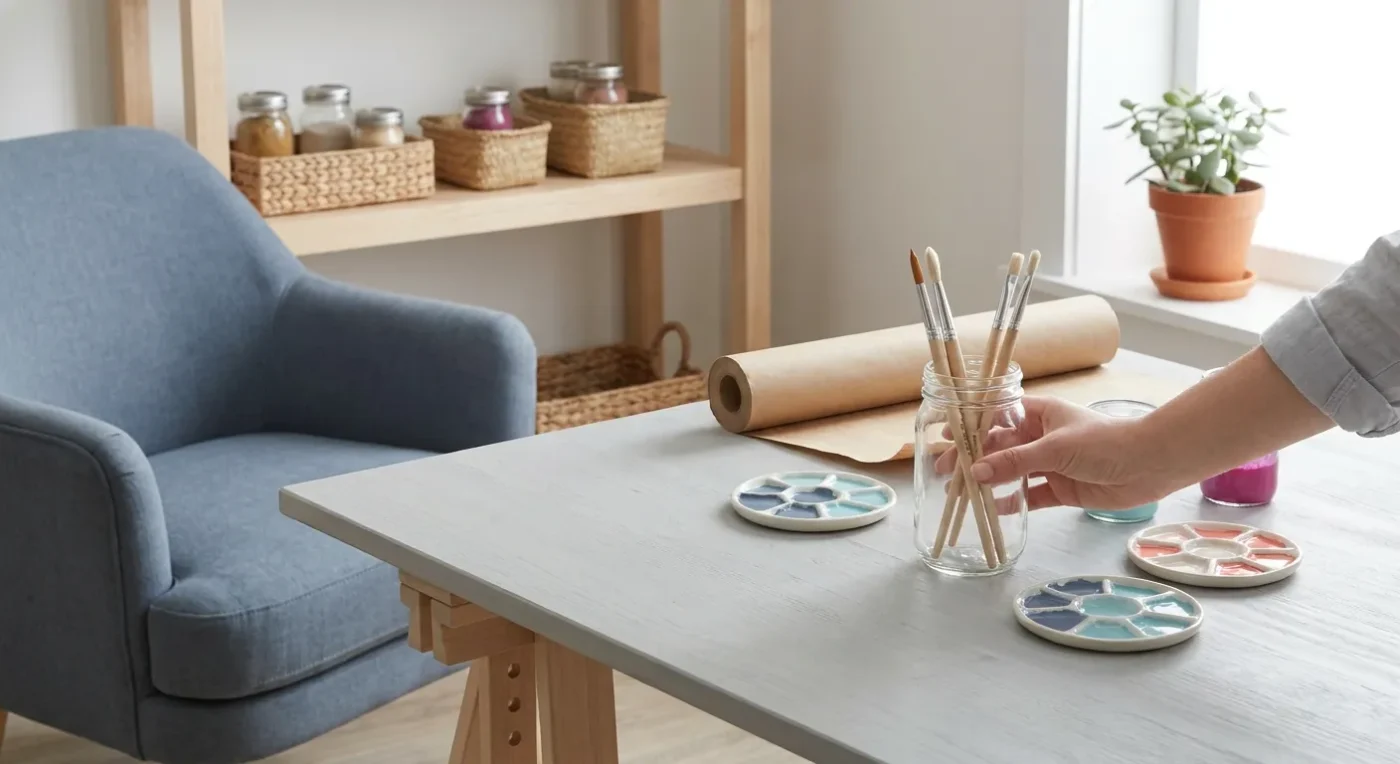

Embarking on a decorative painting journey is incredibly rewarding. Having a dedicated space to create can significantly enhance your experience. Beyond just having a spot, however, considering how you’re setting up painting workspace with an eye toward sustainability is more important than ever. The painting and coatings industry is deeply committed to eco-friendliness. As hobbyists, we can contribute by making conscious choices in our home studios. This guide will walk you through creating a practical, inspiring, and environmentally conscious area for your artistic endeavors.
Creating an organized and efficient studio space is crucial. Furthermore, integrating sustainable practices from the start benefits both the planet and your personal well-being. This article will explore everything from choosing the right location to selecting eco-friendly materials and maintaining a clean, green studio. You’ll learn how to make your creative corner a haven for both art and nature.
Choosing Your Spot: Comfort and Light
The first step in establishing your painting area is selecting the right location. This foundational choice impacts both your comfort and the quality of your work. Natural light is often preferred. Therefore, consider this carefully.
The Importance of Natural Light
Whenever possible, choose a spot with ample natural light. It’s truly the best for color accuracy and significantly reduces eye strain. A north-facing window, for instance, offers consistent, soft light throughout the day. This avoids harsh shadows. If natural light is limited, invest in good quality, full-spectrum artificial lighting. Look for bulbs that mimic daylight. This ensures your colors appear true.
Ergonomics and Comfort in Your Studio
Ensure your chair and table are at comfortable heights. Good posture prevents fatigue, allowing you to paint longer and more comfortably. In addition, keep essential supplies within easy reach. This avoids constant stretching or searching. Consider a standing desk option for variety. Your physical comfort directly impacts your creative flow.
Essential Elements for Your Beginner Painting Workspace
Once you have your location, it’s time to gather the practical elements that will make your space functional and protected. These items form the backbone of any good art studio. Subsequently, they will make your painting experience more enjoyable.
Surface Protection and Cleanup
Painting can get messy! Protect your table or floor with drop cloths, old newspapers, or a dedicated craft mat. This makes cleanup much easier. Furthermore, consider a reusable silicone mat. These are very durable and easy to wipe clean. Keeping your surfaces protected prevents spills and stains. This, in turn, saves you from unnecessary stress.
Water Containers and Palette Choices
Have at least two water containers. One is for initial rinsing of brushes, and another is for cleaner water. This helps keep your colors pure. For your palette, a ceramic plate, a plastic lid, or even waxed paper can serve as a reusable or disposable option. Glass palettes are also excellent. They are easy to clean and very durable. Consequently, they are a great eco-friendly choice.
Storage Solutions for Art Supplies
Keeping your brushes, paints, and other tools organized is key. Simple drawer organizers, small plastic bins, or even repurposed containers can help keep your workspace tidy and inspiring. Clearly labeling your storage helps. This allows you to find items quickly. An organized space reduces clutter. It also allows for greater focus on your art. For more tips on organizing, you can visit our Blog.
Embracing Eco-Friendly Practices in Your Studio
Sustainability is a paramount trend in the entire painting industry. There is a strong demand for low/zero-VOC paints and bio-based solutions. When setting up painting workspace, you can easily integrate these practices. This benefits both your health and the environment.
Using Low/Zero-VOC Paints
Opt for low or zero volatile organic compound (VOC) acrylic paints. These paints minimize harmful emissions. This improves your indoor air quality and is kinder to the environment. Many brands now offer excellent eco-friendly formulations. They do not compromise on quality. Always check labels. Look for certifications that indicate environmental responsibility. This is a simple yet powerful step.
Proper Brush Cleaning and Water Disposal
Instead of pouring paint-laden water down the drain, let the paint solids settle in your rinse water. Pour off the clean water. Allow the paint sludge to dry out before disposing of it in the regular trash. This prevents microplastics and harmful chemicals from entering waterways. Similarly, wipe excess paint from brushes before rinsing. This reduces the amount of paint in your water. Using a brush soap designed for artists can also help extend brush life. The EPA provides further guidance on hazardous waste disposal.
Recycling and Upcycling Materials
Look for opportunities to recycle and upcycle. Old jars can become water containers. Cardboard boxes can be transformed into storage. Consider using repurposed items for collage or mixed media projects. For example, check out our article on From Drab to Fab: Upcycling Everyday Objects with Decorative Paint. This reduces waste. It also adds unique character to your studio. Moreover, purchasing art supplies from companies with strong sustainability commitments supports a greener industry.
Ventilation and Air Quality
Good ventilation is crucial, especially when working with paints and solvents. Even low-VOC paints can release some fumes. Open windows and use a fan to ensure fresh air circulation. Consider an air purifier with a HEPA filter. This can capture airborne particles. Maintaining good air quality protects your health. It also creates a more pleasant working environment. Therefore, prioritize ventilation in your studio setup.
Organizing Your Eco-Conscious Painting Space
An organized workspace contributes to efficiency. It also reduces waste by making supplies easy to find. Consequently, you are less likely to buy duplicates. Thoughtful organization is key when setting up painting workspace effectively.
Categorizing and Storing Supplies
Group similar items together. Store brushes with brushes, and paints with paints. Use clear containers where possible. This allows you to see what you have at a glance. Labeling shelves and drawers is also very helpful. Consider vertical storage solutions. These save valuable desk space. For instance, pegboards are excellent for hanging tools.
Maintaining a Clutter-Free Environment
Regularly declutter your space. Dispose of dried-up paints properly. Recycle empty tubes. A clean space fosters clear thinking. It also makes your creative process more enjoyable. Furthermore, a clutter-free environment reduces stress. It allows you to focus purely on your art. Make it a habit to clean up after each session.
Advanced Tips for a Sustainable Studio
Once you’ve mastered the basics, there are further steps you can take. These will enhance your eco-friendly commitment. Continuously improving your studio practices is a rewarding journey.
Exploring Sustainable Art Materials
Beyond low-VOC paints, research other sustainable art materials. Many brands offer brushes made from recycled materials. Some offer paints made with natural pigments. Look for paper and canvases made from recycled content. Or choose those sourced from sustainably managed forests. Supporting these products drives demand. This encourages more eco-friendly manufacturing. In fact, the options are growing every year.
Energy Efficiency in Your Studio
Consider energy-efficient lighting. LED bulbs consume less electricity. They also last longer. Unplug electronics when not in use. This reduces phantom power drain. Maximizing natural light during the day minimizes the need for artificial lighting. These small changes add up. They contribute to a lower carbon footprint for your studio. Consequently, you save money too.
Composting and Waste Reduction
If you use natural materials like cotton rags, consider composting them. This is after they’ve been thoroughly cleaned of paint. Reduce single-use items. Opt for reusable rags instead of paper towels. Buy supplies in larger quantities. This reduces packaging waste. Every little bit helps in minimizing your environmental impact. This is a thoughtful approach to setting up painting workspace sustainably.
The Long-Term Benefits of an Eco-Friendly Studio
Creating an eco-friendly painting space offers numerous long-term benefits. These extend beyond environmental impact. They also positively affect your health and artistic practice. Therefore, this investment is truly worthwhile.
Healthier Working Environment
Reduced exposure to VOCs and proper waste disposal lead to a healthier studio. Improved air quality means fewer headaches and respiratory issues. This allows you to spend more time creating. Your overall well-being improves significantly. A healthy artist is a happy artist, after all.
Inspiring Creativity and Mindfulness
A clean, organized, and sustainably minded space can inspire greater creativity. Knowing you’re making responsible choices fosters a sense of purpose. This can translate into more thoughtful and meaningful art. It encourages a mindful approach to your craft. Furthermore, it connects you more deeply with the materials you use.
Contributing to a Greener Art Community
By adopting eco-friendly practices, you become an example. You inspire other artists to consider their environmental impact. Share your tips and discoveries. This contributes to a broader movement towards sustainability in the art world. Your actions have a ripple effect. This strengthens the entire creative community. Organizations like Art & Ecology advocate for these practices.
Conclusion
Setting up painting workspace with an eco-friendly mindset is a rewarding endeavor. It’s a journey that combines artistic passion with environmental responsibility. From choosing the right light to managing waste, every decision contributes to a healthier planet and a more inspiring studio. Remember, small changes can make a big difference. Embrace sustainable materials, practice proper disposal, and maintain an organized space. Your art, your health, and the environment will all benefit. We hope this guide helps you create a beautiful, functional, and green haven for your decorative painting adventures. For any questions, feel free to Contact us.
FAQ
What are the first steps to creating an environmentally conscious art area?
The first steps involve selecting a well-lit location, preferably with natural light, and ensuring ergonomic comfort. Then, prioritize surface protection and gather reusable tools like water containers and palettes. Most importantly, start incorporating low-VOC paints and proper waste disposal methods from day one.
How can I dispose of paint water responsibly?
To dispose of paint water responsibly, allow paint solids to settle in your rinse water. Pour off the clear water, then let the remaining paint sludge dry out completely. Once dry, dispose of the hardened paint solids in your regular household trash. This prevents harmful chemicals from entering public water systems.
What kind of lighting is best for an artist’s studio?
Natural light, especially from a north-facing window, is ideal for color accuracy and reducing eye strain. If natural light is insufficient, invest in full-spectrum artificial lighting that mimics daylight. LED bulbs are recommended for their energy efficiency and long lifespan.
Are there specific paints that are better for the environment?
Yes, look for acrylic paints labeled as low or zero-VOC (Volatile Organic Compound). These paints release fewer harmful fumes, improving your indoor air quality and reducing environmental impact. Many brands now offer high-quality eco-friendly formulations.
How can I keep my art supplies organized in a sustainable way?
Organize supplies by grouping similar items in clear, reusable containers or repurposed jars. Label everything clearly. Consider vertical storage solutions like pegboards to save space. Regularly declutter, recycle empty containers, and avoid buying duplicates to minimize waste. This thoughtful approach helps maintain an efficient and eco-friendly art space.
Where can I find more information on eco-friendly art practices?
Many art supply companies now provide information on their sustainable products. You can also research environmental organizations focused on arts and crafts. Websites dedicated to green living or sustainable art often offer valuable resources and tips for artists looking to minimize their environmental footprint.