
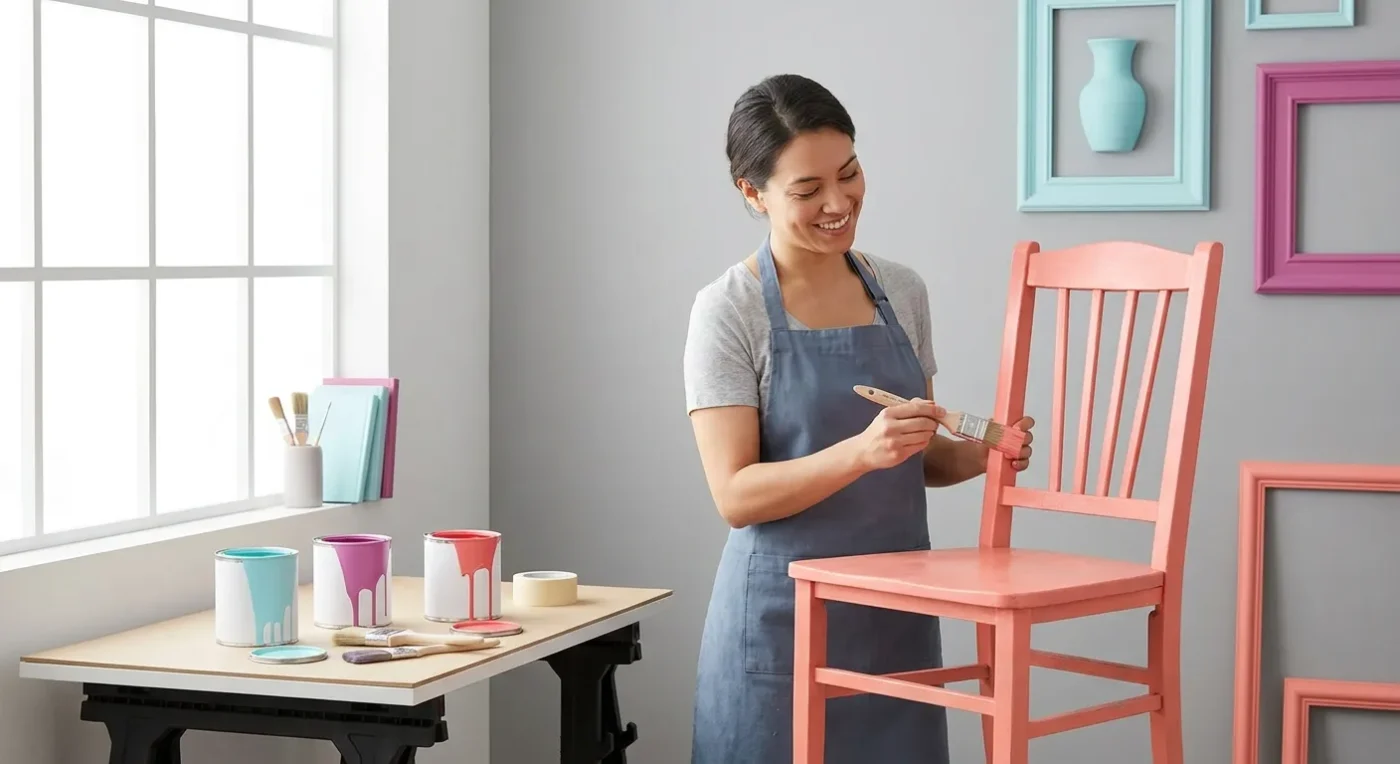

In the world of decorative painting, your canvas isn’t limited to traditional surfaces. The joy of transforming an ordinary item into a personalized work of art is incredibly rewarding. Upcycling everyday objects with decorative paint is not only a sustainable practice but also a fantastic way to add unique character to your home decor. Imagine giving a forgotten piece a new lease on life, infusing it with your artistic vision and making it truly one-of-a-kind. This approach allows for endless creativity. Let’s look at a case study of how a simple wooden box can become a stunning folk art treasure, showcasing the potential of decorative painting.
The Art of Transformation: Giving New Life to Old Items
The concept of repurposing items has gained significant traction, especially in the creative community. Instead of discarding worn or unused household articles, artists can see them as blank canvases awaiting a splash of color and design. This process, often called creative reuse or adaptive reuse, aligns perfectly with the principles of decorative painting. It encourages resourcefulness and personal expression. Furthermore, it offers a sustainable alternative to constantly buying new decor, reducing waste and promoting environmental consciousness. Many people find immense satisfaction in turning something mundane into something magnificent. Indeed, the possibilities are only limited by your imagination when you decide to give items a new purpose.
Consider the sheer variety of items suitable for this kind of artistic intervention. From old furniture pieces and discarded glass bottles to forgotten picture frames and plain ceramic pots, almost anything can be given a fresh identity. The key lies in selecting the right item and then envisioning its potential. For instance, a chipped ceramic vase might become a vibrant focal point with a new coat of paint and some intricate designs. Similarly, an old wooden tray could be transformed into a charming serving piece adorned with a beautiful floral motif. This transformative power of paint is truly remarkable. It allows artists of all skill levels to participate in creating unique, personalized decor that reflects their individual style and passion for art. Consequently, every piece tells a story.
Understanding Your Canvas: Preparing Items for Decorative Painting
Proper preparation is crucial for any successful painting project, and it’s especially important when you are giving items a new purpose. The longevity and appearance of your finished piece depend heavily on how well you prepare the surface. Different materials require different preparatory steps. For example, wood surfaces often need light sanding to ensure paint adhesion, while metal might require a primer to prevent rust and provide a smooth base. Plastic items can also be painted, but they usually benefit from a specialized primer designed for plastics. Therefore, understanding your material is the first step.
Initially, always start by thoroughly cleaning the item. Dust, grime, and oils can prevent paint from adhering properly, leading to a patchy or peeling finish. Use a mild detergent and water for most surfaces, ensuring it’s completely dry before moving on. For stubborn residues, a degreaser might be necessary. Next, assess the surface for any imperfections. Cracks, dents, or rough spots should be filled or sanded smooth. This ensures a flawless canvas for your decorative work. Finally, apply a suitable primer. A good primer creates an even, adhesive surface for your chosen paints, making colors appear more vibrant and ensuring durability. This meticulous preparation truly makes a difference in the final outcome, enhancing the beauty of your repurposed creations.
Case Study: Transforming a Plain Wooden Box
We started with a plain, unvarnished wooden box – the kind you might find at a craft store or flea market. It was functional but lacked any personality. Our goal was to turn it into a charming storage piece adorned with traditional folk art elements. First, the box was lightly sanded to ensure a smooth surface for painting. A base coat of soft cream acrylic paint was applied, providing a neutral backdrop. Once dry, we sketched a simple folk art motif: a stylized bird perched on a branch with a few berries. The beauty of upcycling everyday objects is the freedom to choose any style that speaks to you – from vibrant floral patterns to intricate geometric designs.
This particular project focused on creating a piece that felt both rustic and refined. The choice of a wooden box was intentional, as wood is a forgiving material for beginners and offers a classic base for folk art. Indeed, the texture of the wood can even add to the character of the finished piece. We considered various folk art traditions, ultimately deciding on a motif inspired by Scandinavian and Pennsylvania Dutch designs. These styles often feature whimsical birds, flowers, and natural elements, making them perfect for adding warmth and charm to a simple object. Furthermore, the simplicity of the design allowed us to focus on clean lines and vibrant colors, which are hallmarks of this artistic approach. This project truly exemplifies how you can give items a new purpose.
The Painting Process and Finishing Touches
Using a small round brush, the bird motif was carefully painted in shades of azure blue and golden yellow, with the berries in crimson. The leaves and branch were rendered in a muted olive green. We focused on clean lines and deliberate strokes, characteristic of many folk art styles. For added charm, a simple border pattern was stenciled around the lid in a coordinating terracotta shade. After all the paint layers were completely dry, a clear matte varnish was applied to protect the artwork and ensure durability, especially since the box would be handled frequently. The once-ordinary box was now a captivating piece of functional art, demonstrating the power of decorative paint to upcycling everyday objects into cherished possessions. This project showcases how accessible and impactful creative reuse can be, requiring only a few supplies and a bit of creativity to achieve a remarkable transformation.
The choice of paint type is also crucial for durability and finish. For decorative projects, acrylic paints are often preferred due to their versatility, quick drying time, and wide range of colors. They are also water-soluble, making cleanup easy. However, for items that will see heavy use or be exposed to the elements, specialized outdoor paints or enamel paints might be more appropriate. Always consider the intended use of the item when selecting your materials. For example, a garden planter would require weather-resistant paints, whereas an indoor decorative tray might only need standard acrylics and a sealant. Mastering smooth paint blending in folk art can significantly enhance the visual appeal of your projects, as detailed in our guide on Achieve Seamless Transitions: Mastering Smooth Paint Blending in Folk Art.
Beyond the Box: Other Inspiring Repurposing Projects
The possibilities for artistic transformation extend far beyond a wooden box. Many common household items are just waiting for a creative touch. Think about old glass jars. With a coat of paint, they can become charming candle holders, decorative vases, or even storage containers for craft supplies. Similarly, an outdated picture frame can be revitalized with a fresh color scheme and perhaps some stenciled details, then used to frame a mirror or a piece of fabric art. Furthermore, even broken ceramic pieces can be transformed into mosaic art, adding texture and visual interest to a garden path or a tabletop.
Consider an old metal watering can. Instead of discarding it, you could paint it with whimsical floral designs and use it as a decorative planter. Old wooden chairs, often found at yard sales or thrift stores, are excellent candidates for a complete makeover. With sanding, priming, and a vibrant new paint job, they can become accent pieces for a bedroom or a porch. Even humble terracotta pots, which can look rather plain, can be adorned with intricate patterns, bright colors, or even personalized messages, instantly elevating their appeal. These projects not only beautify your surroundings but also offer a satisfying creative outlet. Indeed, the joy of turning something old into something new is immensely rewarding.
Choosing Your Medium: Paints and Tools for Creative Reuse
Selecting the right paints and tools is fundamental to the success of your project. Acrylic paints are a popular choice for upcycling everyday objects due to their versatility, vibrant colors, and quick drying time. They adhere well to various surfaces, including wood, metal, glass, and plastic, especially when combined with appropriate primers. For more specialized projects, chalk paint offers a matte, distressed look without much surface preparation, while enamel paints provide a durable, glossy finish ideal for high-traffic items. Oil paints, though slower drying, offer rich colors and blend beautifully, suitable for more intricate, fine art applications on repurposed canvases.
Beyond paints, a good set of brushes is indispensable. Different brush shapes and sizes allow for various strokes and details. Flat brushes are excellent for broad strokes and base coats, while round brushes are perfect for fine lines and intricate designs. Stencils can also be incredibly useful for adding repetitive patterns or precise motifs, especially if you’re not confident in freehand painting. Additionally, protective sealants like varnishes or clear coats are essential for preserving your artwork, ensuring it withstands daily wear and tear. These finishing touches protect the paint from chips, scratches, and moisture, prolonging the life of your beautifully transformed pieces. Remember, quality tools contribute significantly to a quality outcome.
Embracing Sustainability: The Environmental Impact of Repurposing
The act of transforming items is inherently sustainable. By choosing to repaint and repurpose instead of buying new, you actively contribute to reducing waste. This approach minimizes the amount of material sent to landfills, which is a significant environmental benefit. Every item given a new life means one less item manufactured, thus saving raw materials, energy, and reducing pollution associated with production. Furthermore, it encourages a more mindful approach to consumption, shifting away from a disposable culture towards one that values longevity and creativity. This eco-friendly practice is gaining traction globally.
Consider the broader implications. The manufacturing of new goods consumes vast amounts of resources, from timber and metals to plastics and chemicals. It also generates carbon emissions and pollutants. By extending the lifespan of existing products through decorative painting and creative reuse, we lessen this environmental burden. This small act, when multiplied across many individuals and communities, can have a substantial positive impact. It’s a tangible way for artists and hobbyists to contribute to a healthier planet while still indulging in their passion for creativity. Therefore, every brushstroke can be a step towards a more sustainable future. This commitment to environmental responsibility is something Paint Works Mag deeply values.
Inspiring Creativity: Overcoming Challenges in Decorative Painting
Sometimes, artists face creative blocks or challenges when embarking on new projects. It’s a common experience, but one that can be easily overcome with the right strategies. When considering upcycling everyday objects, you might initially feel overwhelmed by the blank canvas or uncertain about where to start. However, remember that every great artist began with a single stroke. One effective strategy is to start small. Choose a simple item and a straightforward design to build confidence. As you gain experience, you can tackle more complex projects and intricate designs.
Another excellent approach is to seek inspiration from various sources. Look at folk art from different cultures, browse art history books, or explore online galleries. Sometimes, just seeing what others have created can spark your own ideas. Don’t be afraid to experiment with colors, patterns, and techniques. The beauty of decorative painting lies in its flexibility and the freedom to express yourself. If you ever feel stuck, take a break, clear your mind, and return to your project with fresh eyes. For more comprehensive advice, our article on Reignite Your Muse: Strategies to Overcome Creative Blocks in Decorative Painting offers valuable insights and practical tips to keep your artistic journey flowing smoothly. Remember, creativity is a muscle that strengthens with practice and perseverance.
Showcasing Your Work: Displaying and Gifting Repurposed Art
Once you’ve invested time and creativity into transforming an item, showcasing your work is the next exciting step. Beautifully painted and repurposed objects deserve to be admired, whether they grace your own home or become thoughtful gifts. When displaying your art, consider its function and aesthetic. A vibrantly painted vase can become a centerpiece, while a decorative box might sit elegantly on a shelf or dresser. Grouping several complementary pieces together can create a cohesive artistic statement. Furthermore, consider the lighting in the room; good lighting can truly highlight the colors and details of your work. This careful consideration enhances the overall impact of your artistic endeavors.
Repurposed items also make incredibly personal and unique gifts. Imagine giving a friend a hand-painted jewelry box or a family member a custom-designed serving tray. Such gifts carry a special meaning because they are made with love and effort, reflecting the giver’s artistic touch. They stand out from mass-produced items and often become cherished keepsakes. When gifting, consider wrapping your creation beautifully and perhaps including a small card explaining the transformation process or the inspiration behind the design. This adds an extra layer of thoughtfulness and appreciation. Indeed, sharing your art is a wonderful way to connect with others and spread the joy of decorative painting. Many artists also find value in sharing their process, perhaps on a blog, to inspire others.
The Joy of Giving Items a New Purpose
Upcycling everyday objects with decorative paint offers endless creative possibilities. By reimagining common items, you not only reduce waste but also infuse your living space with personalized charm and artistic flair. This practice allows you to express your unique style, transforming mundane objects into cherished works of art that tell a story. It’s a rewarding journey that combines environmental consciousness with artistic expression. Grab an old item and start painting today! The satisfaction of seeing your artistic vision come to life on an unexpected canvas is truly unparalleled. In fact, many find this process meditative and deeply fulfilling. For more information on our practices, including important disclosures, please visit our Amazon Affiliate Disclaimer page.
FAQ: Transforming Items with Paint
What kinds of everyday items can be given a new look with paint?
Almost any item can be given a new look! Common examples include old furniture (chairs, tables, dressers), glass bottles and jars, terracotta pots, metal watering cans, picture frames, wooden boxes, ceramic dishes (for decorative use only), and even plastic containers. The key is proper preparation for each material.
What types of paint are best for creative reuse projects?
Acrylic paints are highly versatile and popular for their vibrant colors and quick drying time. Chalk paint is excellent for a matte, distressed finish, often requiring minimal prep. Enamel paints provide a durable, glossy finish, ideal for high-traffic items. Specialty primers can help other paints adhere to challenging surfaces like glass or plastic.
How do I prepare an item before painting it?
Preparation is crucial for a lasting finish. Start by thoroughly cleaning the item to remove dirt, grease, and dust. Lightly sand wooden or metal surfaces to create a good grip for the paint. For slick surfaces like glass or plastic, a specialized primer is often recommended. Ensure the item is completely dry before painting.
Can I use repurposed items outdoors?
Yes, but you’ll need to choose weather-resistant paints and sealants. Look for outdoor acrylics, enamels, or paints specifically designed for exterior use. A durable, waterproof sealant or varnish is essential to protect your artwork from sun, rain, and temperature fluctuations, ensuring your transformed pieces last longer outdoors.
What if I make a mistake while painting?
Mistakes are part of the creative process! For acrylics, you can often wipe away wet paint with a damp cloth. Once dry, you can paint over it or gently sand the area and repaint. For more intricate errors, sometimes incorporating the ‘mistake’ into a new design element can lead to an unexpected and beautiful outcome. Don’t be afraid to experiment and adapt.
Where can I find inspiration for my next repurposing project?
Inspiration is everywhere! Explore folk art from different cultures, browse craft blogs and magazines, visit antique shops, or search online platforms like Pinterest and Instagram for ideas. Looking at nature, patterns in textiles, or even architectural details can spark unique concepts for your decorative painting projects.