

The longevity and professional finish of your decorative and folk art projects depend significantly on one crucial step: proper surface preparation. Before you even pick up a brush, ensuring your chosen surface is ready for paint will prevent issues like peeling, cracking, or uneven application down the line. Learning how to prepare painting surfaces correctly is an investment in your artwork’s future, ensuring your creative efforts stand the test of time.
Prepare Painting Surfaces: Wood and Metal
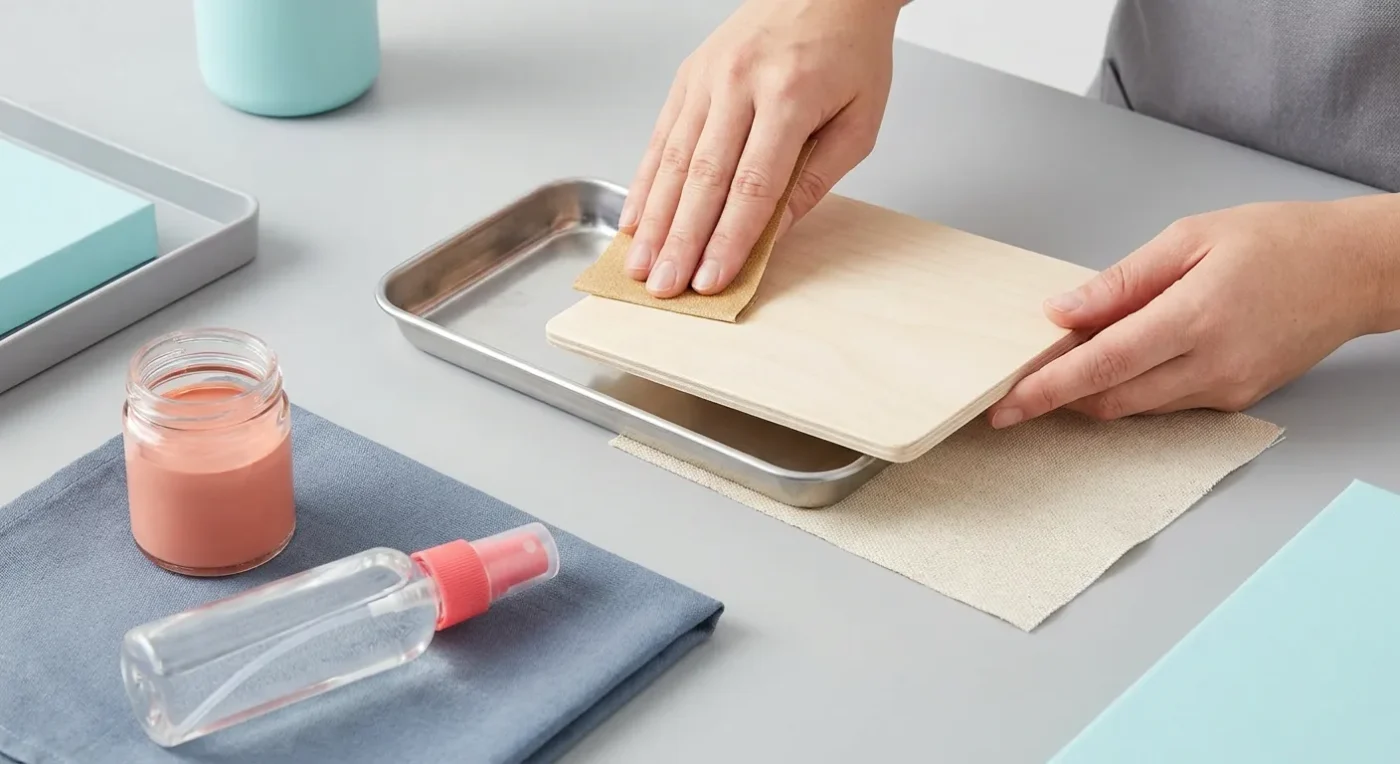
When working with wood, proper preparation creates a smooth, receptive base. Start by sanding the wood thoroughly with fine-grit sandpaper (around 220-grit) to remove any imperfections, splinters, or rough patches. Always sand with the grain for a smoother finish. After sanding, wipe the surface clean with a tack cloth or a damp cloth to remove all dust. Next, apply a good quality wood primer. Primer seals the wood, preventing the paint from soaking in unevenly and providing a consistent white or neutral base for your colors. For metal surfaces, cleaning is paramount. Use a degreaser or rubbing alcohol to remove any oils, grime, or rust. Lightly sand glossy metal surfaces to create ‘tooth’ for the primer to adhere. Then, apply a metal-specific primer to prevent rust and ensure paint adhesion. Without proper priming, paint might chip or peel quickly from metal.
Fabric and glass present their own unique challenges for decorative painters. For fabric, pre-washing is essential to remove any sizing or chemicals that might interfere with paint adhesion. Do not use fabric softener. Once dry, iron the fabric smooth. Fabric paints often require no primer, but some artists prefer a light coat of fabric medium mixed with gesso for added stiffness or opacity. For glass, cleanliness is key. Wash the glass thoroughly with soap and water, then wipe it down with rubbing alcohol to remove all fingerprints and oils. Avoid touching the surface with bare hands after cleaning. While some glass paints are designed for direct application, using a specialized glass primer can significantly improve adhesion and durability, especially for items that will be handled frequently or washed. Always allow primers to dry completely according to manufacturer instructions before painting.
Taking the time to prepare painting surfaces correctly ensures that your beautiful folk art will not only look stunning but will also endure for years to come. This foundational step is a testament to your craftsmanship and dedication.