
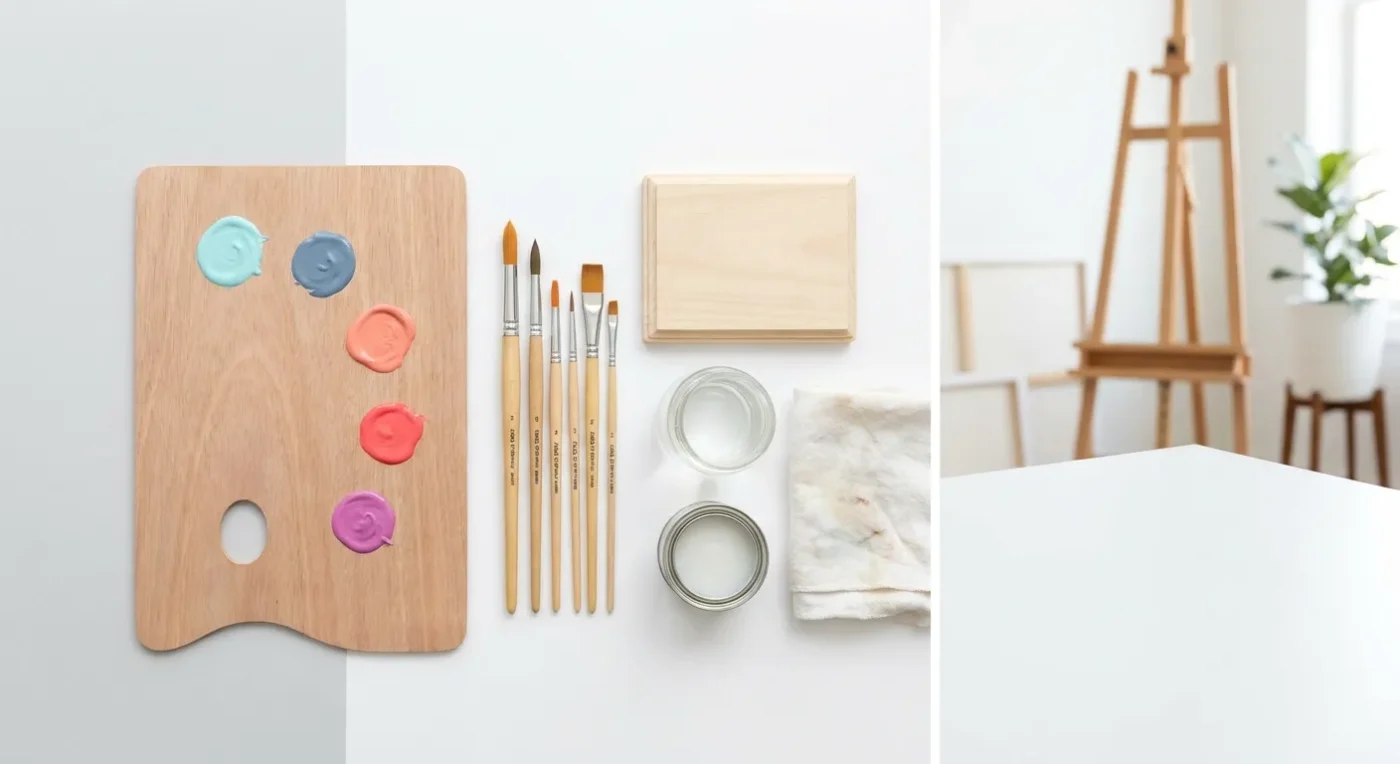

Embarking on the delightful world of decorative painting doesn’t require a studio full of gear, just the essential folk art supplies to get started. Many aspiring artists feel overwhelmed by the sheer volume of tools and materials available. At Paint Works Mag, we believe in empowering hobbyists with clear, practical guidance. This article cuts through the noise to highlight exactly what you need to confidently make your first beautiful project.
The Core Trio: Brushes, Paints, and Surfaces
Starting simple is key. Focus your initial investment on a few high-quality basics that will serve you well as you learn and grow. Indeed, a focused approach prevents unnecessary purchases and helps build foundational skills effectively. Furthermore, mastering a few tools thoroughly is more beneficial than superficially using many.
Brushes That Build Confidence
Brushes are your primary tools, and having the right ones makes a world of difference. For folk art, you don’t need dozens. Three types will cover most of your needs:
- Flat Brush (1/4 inch or 1/2 inch): Excellent for broad strokes, filling in areas, and creating crisp edges. It’s a versatile workhorse, perfect for basecoats and larger design elements.
- Round Brush (Size 4 or 6): Perfect for curved lines, dots, and creating petals or leaves with varying pressure. Its tapered tip allows for fine detail, making it indispensable for many folk art motifs.
- Liner Brush (Size 0 or 1): Essential for delicate details, fine lines, lettering, and intricate scrollwork. Its long, thin bristles hold a good amount of paint for continuous lines, ensuring smooth, unbroken strokes.
When choosing, synthetic bristles are often recommended for beginners. They are durable, easy to clean, and work wonderfully with acrylic paints. Moreover, they maintain their shape well, which is crucial for consistent results. Consider investing in brushes from reputable art brands for better quality and longevity.
Paints for Vibrant Folk Art
For beginners, acrylic paints are hands down the best choice. They are forgiving, versatile, and user-friendly. In fact, their quick-drying nature allows for layering without long waits, which is ideal for folk art’s characteristic layering techniques. You can learn more about Mastering Layering Techniques for Depth in Folk Art on our site.
- Acrylic Paints: They dry quickly, clean up with water, and are vibrant. Craft acrylics are an affordable entry point, offering a good range of colors. You don’t need every color under the sun. Start with a basic palette: primary colors (red, blue, yellow), plus white and black. These five colors will allow you to mix a vast array of hues, truly expanding your creative possibilities.
Opt for good quality craft acrylics. They offer excellent coverage and blendability for the price. Additionally, understanding color mixing will significantly enhance your painting skills and reduce the need for a vast array of pre-mixed colors.
Surfaces to Practice On
Don’t start on your prized heirloom! Begin with inexpensive surfaces to practice techniques and build confidence. This approach removes the pressure of perfection, allowing you to experiment freely. Consequently, your learning process will be much more enjoyable and effective.
- Wooden Plaques or Cutouts: Unfinished wood is a classic folk art surface. Small plaques, boxes, or even wooden spoons are perfect. Look for smooth, sanded pieces for best results.
- Canvas Boards or Small Canvases: These are relatively inexpensive and provide a good texture for painting. Opt for smaller sizes (e.g., 5×7 or 8×10 inches) to manage your projects easily.
- Heavy Paper or Cardstock: For practicing brushstrokes and color mixing, even heavy watercolor paper or sturdy cardstock can be incredibly useful and budget-friendly. It’s an excellent way to warm up before tackling a more permanent project.
Preparing your surface is also important. For wood, a light sanding and a coat of gesso or sealer can create a smoother painting surface, ensuring your paints adhere beautifully.
Beyond the Basics: Helpful Extras for Your Folk Art Journey
Once you have your core supplies, a few additional items will make your painting experience smoother. These extras aren’t strictly necessary to begin but certainly enhance the creative process. Moreover, they contribute to better organization and easier cleanup, which is always a plus.
Palettes and Cleaning Essentials
Efficient paint management and cleanup are vital for a pleasant painting experience. Therefore, having the right tools for these tasks is highly recommended.
- Palette: A simple plastic palette with wells, a ceramic plate, or even disposable paper plates work perfectly for mixing colors. The goal is easy cleanup. A stay-wet palette can also extend the life of your acrylic paints, preventing them from drying out too quickly.
- Water Container: An old jar or a dedicated plastic container for water is essential for rinsing your brushes. Keep two containers: one for initial rinsing and another for a cleaner rinse. This method helps keep your colors vibrant and prevents muddying.
- Paper Towels or Cloth Rags: Always have these handy for blotting brushes, wiping excess paint, and quick cleanups. They are indispensable for maintaining neatness in your workspace.
- Brush Cleaner: While water cleans acrylics, a specialized brush cleaner can help remove stubborn paint and condition bristles, extending the life of your brushes. This small investment truly pays off over time.
Preparation and Protection
Proper preparation and protection ensure your projects look professional and last longer. These steps are simple but highly effective.
- Gesso: This primer creates an ideal surface for painting, especially on wood or canvas. It provides a smooth, uniform base for your colors. Furthermore, gesso helps the paint adhere better and can prevent wood grain from showing through.
- Varnish or Sealer: Once your folk art piece is complete and fully dry, a coat of varnish or sealer protects it from dust, moisture, and UV damage. It also unifies the finish, giving your artwork a professional sheen. There are various finishes available, from matte to gloss, allowing you to choose the look you prefer.
Making Your Workspace Comfortable
A well-organized and comfortable workspace greatly contributes to your enjoyment and productivity. Consider these aspects for your painting area.
- Good Lighting: Natural light is best, but a good quality daylight lamp is an excellent alternative, especially for evening painting sessions. Proper lighting ensures you see colors accurately and reduces eye strain.
- Easel (Optional): While not strictly necessary for folk art, a tabletop easel can offer a comfortable angle for painting, reducing back and neck strain. For many, painting flat on a table is perfectly fine, however.
- Protective Surface Cover: Lay down newspaper, an old tablecloth, or a plastic sheet to protect your work surface from spills and splatters. This makes cleanup much easier and protects your furniture.
Expanding Your Palette: Beyond the Initial essential folk art supplies
As you gain confidence, you might consider expanding your collection of painting tools. However, remember to do so gradually, adding items as your projects demand them. This mindful approach ensures you only acquire what you truly need.
Additional Brushes and Tools
While the core trio of brushes covers many techniques, certain specialized brushes can open up new possibilities. For instance, a scruffy brush is great for textured effects, while a dagger brush offers unique stroke variations.
- Angle Brush: Excellent for creating sharp, clean lines and fills, especially useful for painting petals and leaves with a specific shape.
- Stippler Brush: Ideal for creating textured effects like foliage, fur, or sponging. It adds a distinct dimension to your work. Moreover, you can use simple Simple Stenciling Techniques for Folk Art to add patterns with these brushes.
- Stylus or Dotting Tools: Perfect for creating perfectly round dots of various sizes, which are common in many folk art designs.
Exploring Different Mediums and Additives
Acrylic mediums can alter the paint’s consistency, drying time, and finish, offering greater control and special effects.
- Flow Improver: Thins paint without losing its color intensity, making it ideal for fine lines and smooth washes.
- Retarder: Slows down the drying time of acrylics, giving you more time to blend colors, especially useful for creating gradients or shading.
- Texturing Gels: Add dimension and texture to your paintings, creating interesting tactile surfaces.
New Surfaces to Explore
Once comfortable with wood and canvas, consider trying other traditional folk art surfaces.
- Tin or Metal Objects: Old tin cans, trays, or decorative metal pieces can be transformed into beautiful folk art. Proper priming is essential for good adhesion.
- Glass: Painting on glass requires specific glass paints or mediums, but it offers a unique translucent quality to your designs.
- Fabric: With fabric mediums, you can turn ordinary textiles into personalized folk art creations, from tote bags to t-shirts.
Tips for Getting Started with Your essential folk art supplies
Beginning a new hobby can feel daunting, but with a few practical tips, you’ll be painting confidently in no time. Remember, the journey is as important as the destination.
- Start with Simple Projects: Don’t try to paint a masterpiece on your first go. Begin with small, manageable projects that allow you to practice basic strokes and color mixing. Many free patterns are available online.
- Practice Basic Strokes: Before painting a design, dedicate some time to practicing your brushstrokes on scrap paper or wood. This builds muscle memory and control. Focus on consistent pressure and smooth movements.
- Learn Color Mixing: Understanding how primary colors combine to create secondary and tertiary colors is a fundamental skill. Experiment with your basic palette to discover a wide range of hues. There are many excellent resources available online and in books for learning color theory.
- Work in Layers: Folk art often involves layering colors. Start with your base coat, then add larger design elements, and finally, the finer details. Allow each layer to dry completely before adding the next. This prevents colors from muddying.
- Don’t Be Afraid to Make Mistakes: Every artist makes mistakes. The beauty of acrylics is that they are forgiving. Once dry, you can often paint right over an error. Embrace imperfections as part of the learning process.
- Clean Your Brushes Properly: After each painting session, thoroughly clean your brushes with water and brush cleaner. Reshape the bristles and store them flat or bristles-up to maintain their integrity. Proper care extends their lifespan significantly.
- Find Inspiration: Look at other folk art pieces for inspiration, but always add your unique touch. Books, museums, and online galleries are excellent resources. Pinterest, for example, is a treasure trove of ideas for folk art styles and motifs.
- Join a Community: Connect with other decorative painters online or in person. Sharing your work and learning from others can be incredibly motivating and provide valuable insights.
Where to Find Your essential folk art supplies
Finding quality art supplies is easier than ever. You have several options, each with its own advantages.
- Local Craft Stores: Stores like Hobby Lobby, Michaels, or Joann Fabrics often have a dedicated art section with a good selection of craft acrylics, brushes, and basic surfaces. They also frequently run sales and offer coupons.
- Online Art Retailers: Websites like Blick Art Materials, Jerry’s Artarama, or Amazon offer a vast selection, often at competitive prices. You can find specialized brands and a wider range of products online. For transparency, we utilize Amazon Affiliate Disclaimer links on our site.
- Specialty Art Stores: If you have a local art supply store, they often carry higher-quality artist-grade paints and brushes. The staff can also provide expert advice.
When purchasing your essential folk art supplies, always prioritize quality over quantity. A few good brushes and a basic set of paints will serve you far better than a large collection of poor-quality items. Read reviews and consider what other folk artists recommend. Ultimately, the best supplies are those that feel comfortable and allow you to express your creativity freely.
Conclusion: Your Folk Art Journey Begins Now
Embarking on folk art painting is a rewarding journey. With the right essential folk art supplies, you are well-equipped to transform simple surfaces into charming works of art. Remember, the goal is to enjoy the process, experiment with colors, and express your unique creativity. Don’t let the initial setup deter you; a few key items are all you truly need. As you progress, your collection will naturally grow to support your evolving skills and ambitious projects. So, gather your chosen tools, find a comfortable spot, and confidently make your first stroke. The vibrant world of folk art awaits your personal touch!
FAQ: Common Questions About Beginning Folk Art Painting
What are the absolute must-have items for a beginner in folk art painting?
For beginners, the absolute must-haves include a set of basic acrylic paints (primary colors, black, white), a few versatile brushes (flat, round, liner), and inexpensive practice surfaces like wooden plaques or heavy paper. These fundamental items will enable you to tackle a wide range of introductory projects.
Can I really mix all the colors I need with just primary colors, black, and white?
Yes, absolutely! With red, blue, yellow, black, and white acrylics, you can mix an extensive spectrum of colors. Learning color theory and practicing mixing will allow you to create virtually any hue you desire, from vibrant secondary colors to subtle earth tones. This approach also helps you understand color relationships better.
What’s the best type of surface to start painting on for folk art?
Unfinished wooden plaques or cutouts are classic and excellent for starting folk art. Small canvas boards or even heavy cardstock are also great for practice. The key is to choose inexpensive surfaces so you can experiment freely without worrying about