
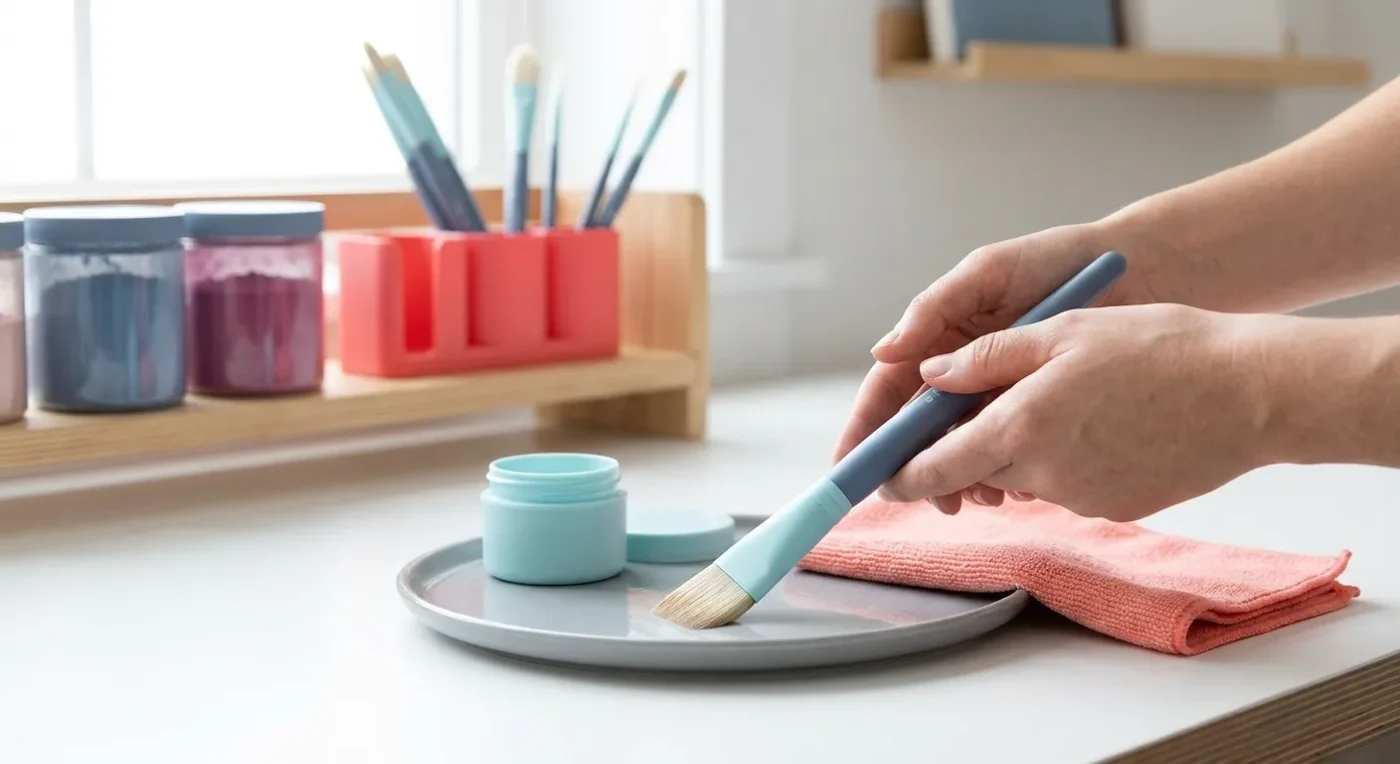

In the world of decorative and folk art painting, your brushes are more than just tools; they are extensions of your hand, translating your vision onto the canvas. With the industry currently recalibrating towards a greater appreciation for human-made art – valuing the visible ‘human hand’ and its beautiful imperfections over AI perfection – it becomes even more critical to cherish and maintain the instruments that bring your unique touch to life. Learning how to extend paint brush life is not just about saving money; it’s about preserving the quality of your work and ensuring your artistic expression flows unimpeded.
The True Cost of Neglect: Why Care Matters to Extend Paint Brush Life
Many hobbyists underestimate the impact of poor brush care. Neglecting your brushes can lead to:
- Damaged Bristles: Dried paint can splay, bend, or permanently deform bristles, making precise strokes impossible.
- Reduced Paint Load: Damaged brushes don’t hold paint as effectively, leading to uneven application and frustration.
- Shorter Lifespan: You’ll find yourself replacing brushes more frequently, which adds up financially and interrupts your creative flow.
- Compromised Art Quality: A poorly performing brush directly impacts the finish and detail of your decorative projects, detracting from the authentic, human-made quality we strive for.
By investing a little time in proper care, you significantly extend paint brush life, keeping your tools responsive and reliable for countless projects. Furthermore, well-maintained brushes contribute to a more enjoyable and productive painting experience.
Daily Rituals: Cleaning Your Brushes Properly
The key to longevity begins immediately after each painting session. Different paint types require slightly different cleaning approaches.
Immediate Cleaning (All Paint Types)
Never let paint dry in your bristles. As soon as you finish using a brush, wipe off excess paint with a paper towel or rag. For water-based paints (acrylics, watercolors), rinse thoroughly under running water until the water runs clear. For oil paints, wipe off as much paint as possible, then clean with an appropriate solvent (like odorless mineral spirits or a natural citrus-based cleaner). This initial step is crucial to prevent paint from hardening near the ferrule.
Deep Cleaning and Conditioning
After the initial rinse, a deeper clean ensures all pigment is removed from the ferrule (the metal part holding the bristles).
- Acrylics & Watercolors: Gently work a mild soap (artist’s brush soap or gentle dish soap) into the bristles, lathering it up. Rinse thoroughly, pressing the bristles against your palm or a brush cleaning pad to remove all traces of paint. Repeat until no color comes out. Ensure the water runs completely clear before stopping.
- Oils: After solvent cleaning, use artist’s brush soap or a gentle bar soap. Lather the bristles and rinse, ensuring all oil and solvent residue is gone. Condition oil brushes occasionally with a tiny amount of linseed oil rubbed into the clean bristles before shaping. This conditioning helps to maintain bristle flexibility.
Proper cleaning practices truly help to make your brushes last longer. For more detailed information on various art terms, you might find our Glossary of Terms helpful.
Storage Solutions for Longevity
How you store your brushes is just as important as how you clean them. Incorrect storage can quickly ruin even the most meticulously cleaned tools.
Optimal Storage Practices
- Flat or Bristles Up: Store brushes flat or with the bristles pointing upwards in a container. Never store brushes bristles-down, as this can bend or splay them permanently.
- Protect from Dust: Keep brushes in a closed container, brush roll, or drawer to protect them from dust and debris, which can settle into the bristles and cause damage over time.
- Avoid Crowding: Do not overcrowd your brush holders. Give each brush enough space to maintain its shape. Crowded conditions can lead to bent bristles.
- Ventilation: Ensure storage areas are dry and well-ventilated to prevent mold or mildew growth on natural hair brushes.
By implementing these storage techniques, you can significantly prolong brush life and keep your tools in prime condition for your next folk art project. This careful approach is part of the overall strategy to make your art tools endure.
Understanding Different Brush Types and Their Care
Different brushes are designed for specific purposes and materials, meaning their care can vary slightly. Knowing your tools is key to making your paint brushes last.
Natural Hair Brushes
Often made from sable, squirrel, or hog bristles, natural hair brushes are prized for their ability to hold a lot of paint and create smooth, even strokes, especially with watercolors and oils. They require gentle handling.
- Cleaning: Use mild, pH-neutral soaps. Avoid harsh chemicals that can strip natural oils.
- Conditioning: For oil brushes, a tiny amount of brush conditioner or linseed oil occasionally can restore suppleness.
- Drying: Reshape bristles to their original point or chisel edge after washing and lay flat or hang bristles-down (without touching a surface) to dry. This helps water drain away from the ferrule.
Synthetic Brushes
Made from nylon or polyester filaments, synthetic brushes are durable and versatile, suitable for acrylics, watercolors, and even some oils. They are generally easier to clean and maintain.
- Cleaning: Most gentle soaps work well. They are less prone to damage from stronger acrylic cleaners.
- Drying: Reshape and dry similarly to natural hair brushes, but they are less sensitive to hanging bristles-up.
- Heat: Avoid exposing synthetic brushes to excessive heat, which can melt or deform the filaments.
Understanding these differences helps you tailor your care routine. This tailored approach is vital to effectively preserve your paint brushes.
Advanced Tips to Extend Paint Brush Life
Beyond daily cleaning and proper storage, a few additional practices can further prolong the usability of your favorite tools.
The Ferrule: A Critical Area
The ferrule is where the bristles meet the handle. Paint drying in this area is a common cause of splayed bristles and brush damage. Always ensure this section is thoroughly cleaned.
- Gentle Pressure: When cleaning, gently massage the bristles at the ferrule to dislodge any trapped paint.
- Avoid Soaking: Never soak brushes in water for extended periods with the ferrule submerged. Water can seep into the ferrule, weakening the glue and causing the handle to separate or swell.
Reshaping and Conditioning
After cleaning, always reshape the brush head to its original form. This is particularly important for pointed or flat brushes to maintain their precision. You can use your fingers or a brush shaping tool. For natural hair brushes, a small amount of brush conditioner can be worked into the bristles after cleaning and rinsing, then rinsed out or left in depending on the product, before reshaping. This helps to maintain flexibility and prevent brittleness.
When to Retire a Brush
While the goal is to prolong brush life, some brushes eventually reach the end of their useful life for fine detail work. A splayed brush might be repurposed for washes or textures. However, if a brush consistently fails to hold its shape, sheds bristles excessively, or has a loose ferrule, it might be time to replace it. Acknowledging when a brush has served its purpose helps maintain the quality of your artwork. For more inspiration on creating vibrant art, consider exploring Crafting Vibrant Hues: Understanding Folk Art Color Palettes.
The Environmental and Artistic Impact of Brush Longevity
Beyond the immediate financial savings, extending the life of your paint brushes carries broader implications for both your artistic practice and the environment. In an age where conscious consumption is increasingly valued, making your tools last longer aligns with sustainable practices.
Reducing Waste
Every brush you save from the landfill is a small step towards reducing waste. The manufacturing process of art supplies, while essential, consumes resources. By maximizing the lifespan of your brushes, you contribute to a more sustainable art community. This mindful approach helps preserve your paint brushes and the environment.
Fostering a Deeper Connection to Your Tools
Artists often develop a unique connection with their tools. A favorite brush, cared for over many years, becomes imbued with the history of countless projects. This connection enhances the creative process, as a well-loved and familiar tool feels like a natural extension of the artist’s hand. When you make efforts to extend paint brush life, you are nurturing this vital bond.
Consistency in Your Artwork
Using consistent, well-maintained tools helps achieve consistent results in your artwork. A brush that performs predictably allows for greater control and precision, which is crucial in decorative and folk art where detail often matters. Therefore, knowing how to preserve paint brushes is fundamental for consistent quality.
Ultimately, the effort to make your paint brushes last is an investment in your craft, your wallet, and the planet. It’s about respecting the tools that help you create beautiful, human-made art.
For further reading on ethical sourcing and responsible consumption in the art world, you might consult resources like The Artist’s Magazine (https://www.artistsnetwork.com/magazines/artists-magazine/) or reputable art supply retailers that detail their manufacturing processes, such as Winsor & Newton (https://www.winsornewton.com/uk/).
Conclusion
Your paint brushes are vital partners in your artistic journey. By adopting a routine of diligent cleaning, proper storage, and mindful use, you can significantly extend paint brush life. This dedication not only saves money but also preserves the quality of your tools, ensuring they remain responsive and reliable for every stroke. Embrace these expert tips to maintain your brushes, allowing your creativity to flourish unimpeded for years to come. Ultimately, caring for your brushes is caring for your art. This commitment allows you to keep your tools performing at their best.
FAQ
How often should I clean my paint brushes?
You should clean your brushes immediately after each painting session. Never let paint dry in the bristles. A thorough deep clean with soap and water or appropriate solvent should follow the initial rinse.
Can I use regular dish soap to clean my art brushes?
For water-based paints like acrylics and watercolors, a gentle dish soap can be effective. However, artist’s brush soaps are specifically formulated to clean and condition bristles without causing damage, making them a better long-term choice, especially for natural hair brushes.
What’s the best way to store brushes to make them last longer?
Store brushes either flat or with the bristles pointing upwards in a clean, dry container. Avoid storing them bristles-down, as this can permanently bend or splay the tips. Protecting them from dust in a closed container is also beneficial.
Why do my brush bristles splay out after cleaning?
Bristles often splay if paint dries near the ferrule, if they are stored improperly (e.g., bristles-down), or if they are not reshaped after cleaning. Ensure thorough cleaning at the ferrule and always reshape the bristles to their original form before drying.
Is it worth investing in expensive brush conditioners?
For natural hair brushes, especially those used with oil paints, a good brush conditioner can be very beneficial. It helps to restore the natural oils, maintain flexibility, and prevent brittleness, thereby helping your tools endure. For synthetic brushes, it’s less critical but can still offer some benefits.