
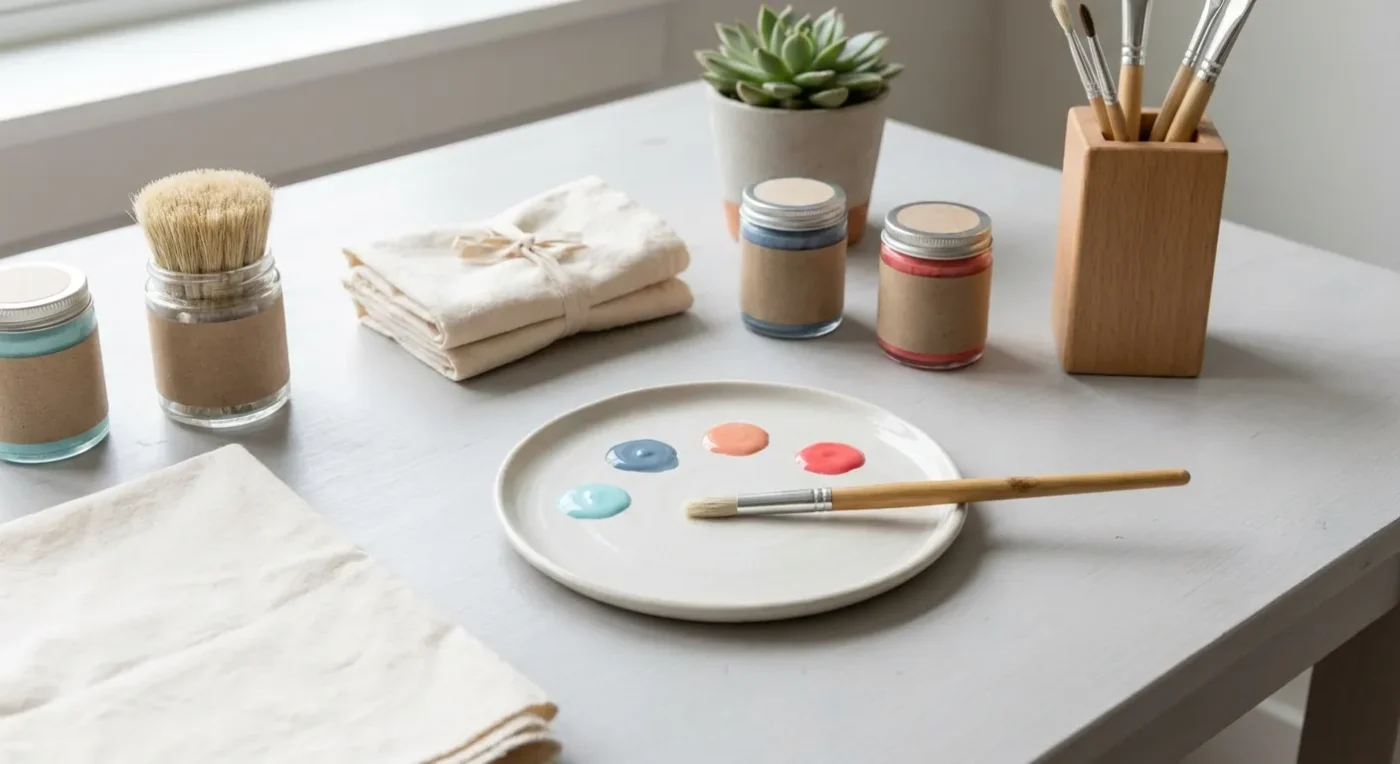

As decorative painters and folk art enthusiasts, our passion often involves a deep connection to nature and heritage. It’s only natural, then, to consider how our artistic practice impacts the world around us. In an industry experiencing a robust expansion, with online learning leading the charge, there’s also a growing call for greater eco-consciousness. Choosing eco-friendly painting supplies isn’t just a trend; it’s a mindful step towards a more sustainable and healthier creative journey, aligning with the increasing pressure on the art world to adopt environmentally responsible practices.
Why Choose Eco-Friendly Painting Supplies?
Opting for eco-friendly painting supplies offers a multitude of benefits, both for the planet and for your personal well-being. Traditional art materials can sometimes contain harsh chemicals, heavy metals, or petroleum-based components that are detrimental to air quality in your studio, your health, and the environment when disposed of. By making conscious choices, you:
- Reduce your environmental footprint: Less waste, fewer toxins in waterways, and support for sustainable sourcing.
- Improve studio air quality: Non-toxic paints and solvents mean a safer, more pleasant creative space.
- Support ethical manufacturers: Many eco-friendly brands prioritize fair labor practices and sustainable material acquisition.
- Align with personal values: Create art that not only inspires but also reflects your commitment to a healthier world.
Decoding Labels: What to Look For in Sustainable Art Materials
Navigating the world of eco-friendly art supplies can seem daunting at first, but knowing what terms to look for will empower your choices. Moreover, understanding certifications helps ensure genuine sustainability. This section will guide you through crucial considerations for various materials.
Paints and Pigments
When selecting paints, prioritize those labeled “non-toxic,” “AP certified” (by the Art & Creative Materials Institute), or specifically formulated with natural pigments. Look for brands that disclose their ingredients and avoid heavy metals like cadmium or lead. Plant-based pigments, mineral pigments, and synthetic alternatives that are free of harmful chemicals are excellent choices. Consider water-based acrylics over oil paints that require toxic solvents, or explore natural oil paint alternatives made with vegetable oils. For example, some brands now offer acrylics made with recycled emulsions. Furthermore, always check for transparency in ingredient lists.
Brushes and Tools
Many traditional brushes use animal hair or plastic bristles and handles. Seek out brushes with sustainably sourced bamboo, recycled plastic, or FSC-certified wooden handles. Bristles made from synthetic fibers (often recycled) are becoming increasingly sophisticated and perform beautifully. When it comes to cleaning, ditch harsh chemical solvents. Water, gentle soap (like artist’s brush soap or even mild dish soap), and natural citrus-based cleaners are effective and far safer. Similarly, consider reusable palettes made from glass or ceramic instead of disposable plastic ones. This small change significantly reduces waste.
Surfaces and Solvents
Canvases and paper can also be eco-friendly. Look for recycled paper, sustainably harvested wood panels, or organic cotton/hemp canvases. Avoid canvases primed with acrylic gesso containing plastics; opt instead for natural gesso alternatives made from chalk and rabbit skin glue, or modern synthetic gessos that are explicitly labeled as non-toxic and low-VOC. When it comes to solvents, turpentine and mineral spirits release harmful fumes. Instead, opt for odorless mineral spirits or natural, plant-based solvents derived from citrus or pine. Always ensure good ventilation, even with these safer options. For further details on responsible disposal, you might consult resources like the Environmental Protection Agency’s guidance on household hazardous waste.
Expanding Your Green Studio: Beyond the Basics
Once you’ve tackled the core elements like paints and brushes, consider other aspects of your studio. Every choice contributes to a more sustainable art practice. For instance, even the smallest items can make a difference.
Studio Setup and Practices
Your studio environment plays a crucial role. Maximize natural light to reduce electricity consumption. If artificial lighting is necessary, use energy-efficient LED bulbs. Furthermore, consider how you manage waste. Set up clear recycling bins for paper, plastics, and glass. Properly dispose of paint water; never pour it down the drain if it contains pigments. Instead, let solids settle, pour off clean water, and dispose of the dried sludge as solid waste. This practice prevents pollutants from entering waterways. Additionally, reusing containers for water or mixing paints is another simple step. These practices extend the life of your eco-friendly painting supplies and minimize environmental impact.
Choosing Sustainable Mediums and Varnishes
Beyond the primary paints, many decorative painters use various mediums and varnishes. Look for water-based mediums that are non-toxic and low-VOC. Acrylic mediums, for example, often have eco-friendly versions available. For varnishes, consider natural resin varnishes or water-based acrylic varnishes over solvent-based options. Always read labels carefully to understand the chemical composition. In fact, some brands are now developing bio-based resins for their products, further reducing reliance on petroleum. Exploring these innovations helps you find truly eco-friendly painting supplies.
Tips for Transitioning to an Eco-Conscious Studio
Making the switch to more sustainable practices doesn’t have to happen overnight. It’s a gradual process, and every small step counts. Here are some practical tips to help you integrate eco-friendly painting supplies into your routine.
Start Small and Gradually Replace
You don’t need to discard all your current materials immediately. As your traditional supplies run out, replace them with eco-friendly alternatives. This approach is budget-friendly and less overwhelming. Perhaps start with one category, like switching to natural brush cleaners, before moving on to paints. This way, you can slowly build up your collection of sustainable materials.
Research and Read Reviews
Before purchasing new materials, take time to research brands and read reviews from other artists. Look for companies with transparent sourcing and manufacturing processes. Many art supply stores now have dedicated sections for sustainable products, making it easier to find what you need. Online communities can also offer valuable insights and recommendations. For example, some artists share their experiences with specific brands of natural pigments.
Embrace DIY and Upcycling
Consider making some of your own art supplies. Natural dyes from plants can create beautiful, unique pigments. You can also upcycle materials for canvases or palettes. Old wooden boards, discarded fabric, or even sturdy cardboard can be transformed into painting surfaces. This not only reduces waste but also adds a unique character to your artwork. Moreover, upcycling aligns perfectly with the folk art tradition of resourcefulness.
Proper Disposal of Old Materials
As you transition, you might have old, toxic materials to dispose of. Do not simply throw them in the regular trash or pour them down the drain. Research your local hazardous waste disposal facilities. Many communities offer specific days or locations for disposing of paints, solvents, and other chemicals safely. Proper disposal is a critical component of environmental responsibility. If you have questions about specific items, you can always contact us for general guidance or consult local waste management authorities.
The Impact of Your Choices
Every decision you make regarding your art supplies has a ripple effect. By choosing eco-friendly painting supplies, you contribute to a larger movement towards sustainability in the art world. You inspire others, support ethical businesses, and create art that is not only beautiful but also kind to the planet. Furthermore, a non-toxic studio environment is beneficial for your long-term health, allowing you to pursue your passion for decorative painting with peace of mind. This commitment also resonates with the historical connection folk art has to natural materials and processes.
Embracing sustainable practices doesn’t mean compromising on artistic quality. In fact, many artists find that working with natural materials deepens their connection to their craft and the subject matter. The textures, colors, and unique properties of sustainable art materials can open up new creative avenues. For instance, exploring new color palettes with natural pigments might lead to exciting discoveries, much like understanding folk art color palettes can enrich your work.
Ultimately, your journey towards a greener studio is a personal one. Take it at your own pace, educate yourself, and celebrate each step you take. Your art, your health, and the environment will all thank you for it. We encourage you to explore the wide range of sustainable options available and share your discoveries within the PaintWorks community. For more inspiration on where to find ideas for your next project, consider our guide on where to find folk art inspiration.
Conclusion
Transitioning to eco-friendly painting supplies is a meaningful endeavor for any decorative painter or folk art enthusiast. It reflects a commitment to personal health and global well-being, aligning artistic expression with environmental stewardship. From selecting non-toxic paints and sustainable brushes to implementing eco-conscious studio practices, every choice contributes to a healthier planet and a more sustainable creative journey. Embrace this shift, explore innovative materials, and continue to create beautiful art responsibly. Your artistic legacy can truly be a green one.
FAQ: Frequently Asked Questions About Sustainable Art Materials
What are some common harmful ingredients in traditional art supplies?
Traditional art supplies can contain heavy metals like cadmium and lead in pigments, petroleum-based solvents such as turpentine and mineral spirits, and plastic microfibers in acrylic paints and brushes. These substances can be toxic to both artists and the environment.
Are natural pigments always better than synthetic ones?
Not necessarily. While natural pigments from plants or minerals are often a good choice, some synthetic pigments are developed to be non-toxic and environmentally friendly, avoiding heavy metals and petroleum. It’s important to check certifications like AP (Approved Product) from ACMI, which indicates non-toxicity.
How can I safely dispose of old, toxic paints and solvents?
Never pour toxic paints or solvents down the drain or throw them in regular trash. You should research your local municipal household hazardous waste (HHW) facilities or collection events. These facilities are equipped to dispose of such materials safely, preventing environmental contamination.
What alternatives exist for animal hair brushes?
Many excellent synthetic brushes are available, often made from recycled plastics or new fibers designed to mimic natural hair performance. Additionally, brushes with handles made from sustainably sourced bamboo or FSC-certified wood are more environmentally sound choices.
Is it expensive to switch to greener art supplies?
The initial cost for some sustainable art materials might be slightly higher, but many options are comparable in price. Furthermore, by using less toxic materials, you may reduce costs associated with ventilation systems or specialized disposal. Starting gradually and replacing items as needed can make the transition more affordable. Many artists find the health and environmental benefits outweigh any minor cost differences.