
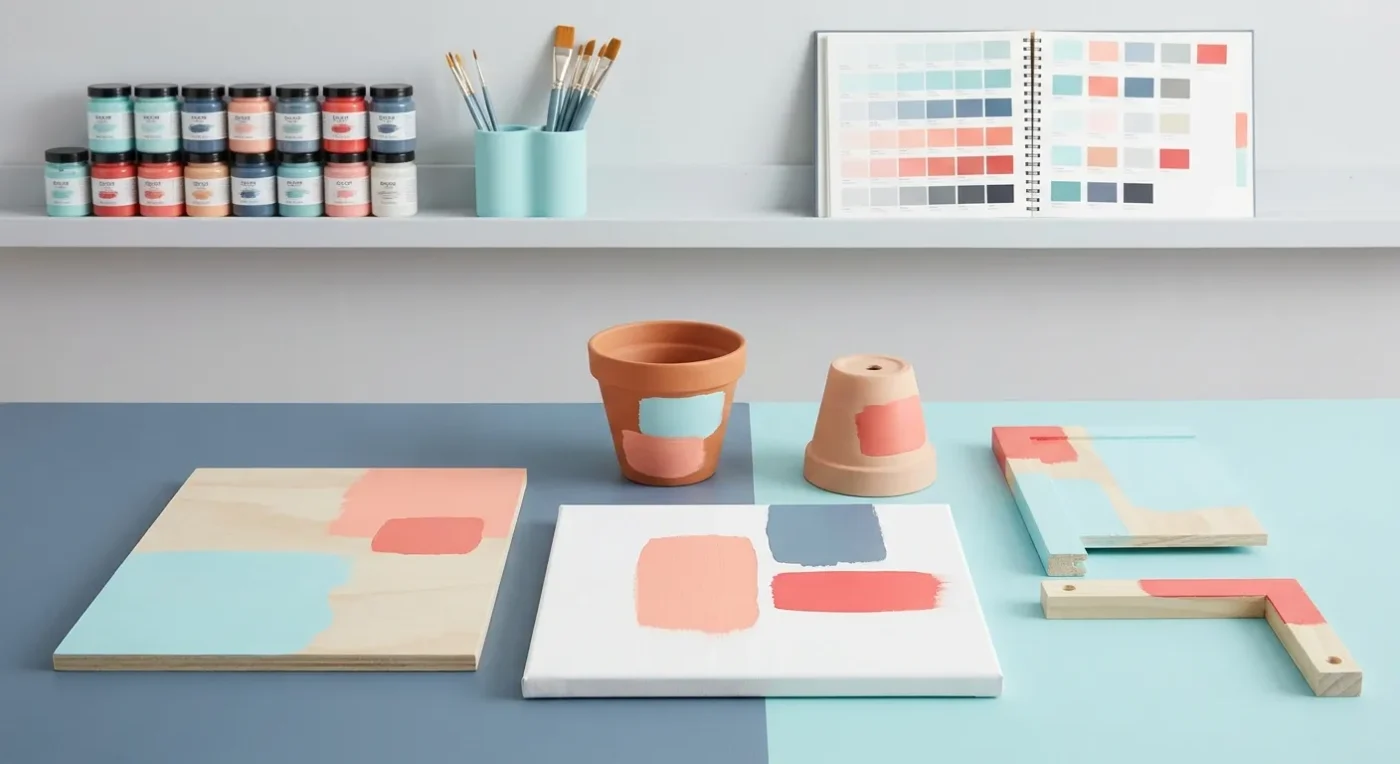

Choosing the best surfaces for decorative painting is as important as selecting your colors and brushes, profoundly impacting your project’s outcome. The right surface can enhance your techniques, ensure paint adhesion, and contribute to the longevity and overall aesthetic appeal of your folk art. From rustic wood to gleaming glass, each substrate offers unique characteristics and challenges. Let’s explore popular options and how to prepare them for your next masterpiece.
Wood: The Timeless Canvas for Folk Art Painting Surfaces
Wood is a beloved choice for folk and decorative artists due to its natural warmth and versatility. Common types include pine, birch, MDF, and even reclaimed wood pieces. It’s excellent for painting signs, small furniture, ornaments, and plaques. Moreover, its porous nature allows for beautiful absorption of washes and stains, creating a truly organic feel. Consequently, many artists consider wood among the best surfaces for decorative painting.
Preparation for Wood
- Sanding: Start with medium-grit sandpaper (120-150) to smooth the surface, then finish with fine-grit (220) for a silky feel. Always sand with the grain.
- Cleaning: Wipe away all dust with a tack cloth or a damp (not wet) cloth. This step is crucial for good primer adhesion.
- Priming: Apply 1-2 coats of a good quality primer (gesso or a wood primer). This seals the wood, prevents paint from soaking in unevenly, and provides a uniform, non-absorbent base. Sand lightly between primer coats for extra smoothness. Consider using a stain-blocking primer for reclaimed wood.
Canvas: Versatile and Classic Decorative Art Substrates
While often associated with fine art, canvas (stretched or panels) is also a fantastic option for decorative painting, especially when creating wall hangings or larger pieces with a traditional feel. Its flexibility and portability make it a convenient substrate. Furthermore, canvas is readily available in various sizes, making it accessible for artists at all skill levels.
Preparation for Canvas
- Most art store canvases come pre-primed with gesso, making them ready to paint. However, for a smoother finish, you can add an extra coat or two of gesso, sanding lightly between layers.
- Ensure the canvas is taut; if it’s loose, spray the back with water and let it dry to tighten. This prevents sagging as you paint.
Tin and Metal: Adding a Rustic or Industrial Charm
Old tin cans, metal trays, watering cans, and antique signage offer a unique charm for decorative painting. The smooth, non-porous surface can be tricky, but with proper preparation, the results are stunning. In fact, painting on metal can create a wonderful contrast with traditional folk art motifs. These pieces can add an unexpected element to your decor.
Preparation for Tin/Metal
- Cleaning: Thoroughly wash with soap and water, then wipe down with rubbing alcohol to remove any grease or residue. Let dry completely.
- Sanding: Lightly scuff the surface with fine-grit sandpaper (220-320) to create a ‘tooth’ for the primer to adhere to. This step is crucial for paint adhesion.
- Priming: Apply a metal-specific primer or an all-surface primer. This prevents rust and provides a base for your paint. Often, a spray primer works best for even coverage. Allow ample drying time before painting.
Glass and Ceramics: Elegant and Translucent Options
Glass bottles, plates, vases, and ceramic tiles can be transformed into beautiful decorative pieces. These surfaces require specialized paints or careful preparation to ensure durability. The translucent quality of glass, in particular, offers unique artistic possibilities. Meanwhile, ceramics provide a smooth, durable base for intricate designs. Learning to paint these materials expands your creative horizons significantly.
Preparation for Glass and Ceramics
- Cleaning: Wash thoroughly with soap and water, then wipe with rubbing alcohol to remove fingerprints and oils. Allow to air dry completely.
- Priming (Optional but Recommended): For better adhesion and durability, especially on frequently handled items, apply a specialized glass or ceramic primer. Some artists prefer to use multi-surface enamel paints that do not require a primer.
- Curing: Many glass and ceramic paints require baking in a household oven to cure and become dishwasher safe. Always follow the manufacturer’s instructions carefully for the best results.
Fabric: Soft and Flexible Canvases for Wearable Art
Fabric offers an exciting medium for decorative painting, allowing you to create personalized clothing, tote bags, cushions, and wall hangings. Cotton, linen, and denim are popular choices due to their absorbency and durability. Clearly, fabric is among the best surfaces for decorative painting when creating textiles. Furthermore, it adds a unique softness and texture to your artistic endeavors.
Preparation for Fabric
- Pre-wash: Always pre-wash new fabric without fabric softener to remove sizing and ensure proper paint adhesion. Iron the fabric smooth.
- Support: Place a piece of cardboard or wax paper between layers of fabric to prevent paint bleed-through.
- Heat Setting: Most fabric paints require heat setting with an iron after drying to become permanent and washable. Follow paint manufacturer instructions carefully.
Paper and Cardboard: Accessible and Budget-Friendly Options
For beginners or those experimenting with new techniques, paper and cardboard are excellent choices. They are readily available, inexpensive, and come in various textures and weights. Think about creating greeting cards, gift tags, or practice sheets. These are convenient and easy to store, making them ideal for initial sketches or smaller projects.
Preparation for Paper and Cardboard
- Priming (Optional): For heavier paint applications or to prevent warping, you can apply a thin coat of gesso, especially on thicker cardboard.
- Sealing: Once your artwork is complete and dry, a clear sealant can protect it from moisture and fading.
Beyond the Basics: Other Interesting Decorative Art Surfaces
The world of decorative painting extends far beyond these common materials. Consider upcycling old furniture, stones, gourds, or even plastic items. Each presents a unique opportunity for creative expression. For instance, painting on stones can yield beautiful garden art. Exploring these less common substrates can truly invigorate your artistic practice.
When working with unusual materials, always research the best preparation methods and suitable primers. A good rule of thumb is to ensure the surface is clean, dry, and free of grease. For more advanced ideas, you might enjoy exploring how to paint different surfaces for decorative art, which offers even more inspiration.
Choosing the Right Surface: Key Considerations for Your Project
Selecting the ideal painting surface involves more than just availability; it depends on your specific project goals and desired aesthetic. Think about the durability needed, the intended display environment, and the techniques you plan to use. For example, if you’re creating a piece for outdoor display, weather-resistant surfaces and paints are essential. This thoughtful approach ensures your art thrives.
- Durability: Will the item be handled frequently? Will it be exposed to the elements?
- Technique: Does your chosen surface complement your painting style? For example, smooth surfaces are great for fine details, while textured surfaces work well for dry brushing.
- Paint Type: Ensure your chosen paint adheres well to the surface. Acrylics are versatile, but specialty paints exist for glass, fabric, and metal.
- Desired Effect: Consider how the surface’s natural qualities (e.g., wood grain, metal sheen) will interact with your design.
Ultimately, the best surfaces for decorative painting are those that inspire you and bring your artistic vision to life. Don’t be afraid to experiment! Every new surface is a learning opportunity. For tips on preserving your finished works, read about how to seal decorative art effectively to ensure your creations last.
Maintaining Your Creative Space for Optimal Artistry
As you gather your chosen surfaces and prepare for your next project, remember the importance of your workspace. A well-organized and ergonomic studio can significantly enhance your painting experience. Consider setting up an ergonomic home painting studio to ensure comfort and efficiency. This allows you to focus solely on the creative process without unnecessary distractions. A comfortable environment also helps foster creativity, which is vital for any artist.
Conclusion: Embracing Diverse Surfaces in Decorative Painting
The journey of decorative painting is enriched by the exploration of various surfaces. From the rustic charm of wood to the elegant clarity of glass, each material offers a unique canvas for your folk art expressions. By understanding the proper preparation techniques, you can ensure your paint adheres beautifully and your artwork stands the test of time. Consequently, you gain confidence to tackle any project. Experiment with different materials, embrace new challenges, and let your creativity flourish on every surface you choose. Ultimately, the best surfaces for decorative painting are those that spark your imagination and allow your artistic voice to shine through. Keep creating, keep exploring, and enjoy the wonderful world of decorative arts!
FAQ
What types of wood are best for painting projects?
Pine, birch, and MDF are excellent choices for painted projects due to their smooth surfaces and affordability. Reclaimed wood also offers a unique, rustic appeal, though it may require extra preparation like sanding and filling any imperfections.
Do I always need to prime a surface before painting?
Priming is highly recommended for most surfaces, especially porous ones like wood or slick ones like metal and glass. It ensures better paint adhesion, more vibrant colors, and a longer-lasting finish. Some multi-surface paints claim to eliminate the need for primer, but a good primer generally yields superior results.
How can I make paint stick to smooth surfaces like glass or metal?
For smooth surfaces, proper preparation is key. Thorough cleaning to remove grease, light sanding to create a ‘tooth’, and applying a specialized primer are essential steps. Using paints specifically formulated for glass or metal also helps ensure strong adhesion and durability.
Can I paint on fabric items that will be washed?
Yes, you can paint on fabric items that will be washed, but you must use fabric-specific paints. These paints are designed to remain flexible and durable after washing. Always pre-wash the fabric, and follow the paint manufacturer’s instructions for heat setting to ensure permanence.
What are some unusual items I can use for decorative painting?
Beyond traditional canvases, consider items like old watering cans, ceramic pots, stones, gourds, or even plastic containers. Upcycling furniture pieces offers a larger canvas. The key is to properly prepare the surface with cleaning, sanding, and an appropriate primer to ensure paint adhesion and longevity.