
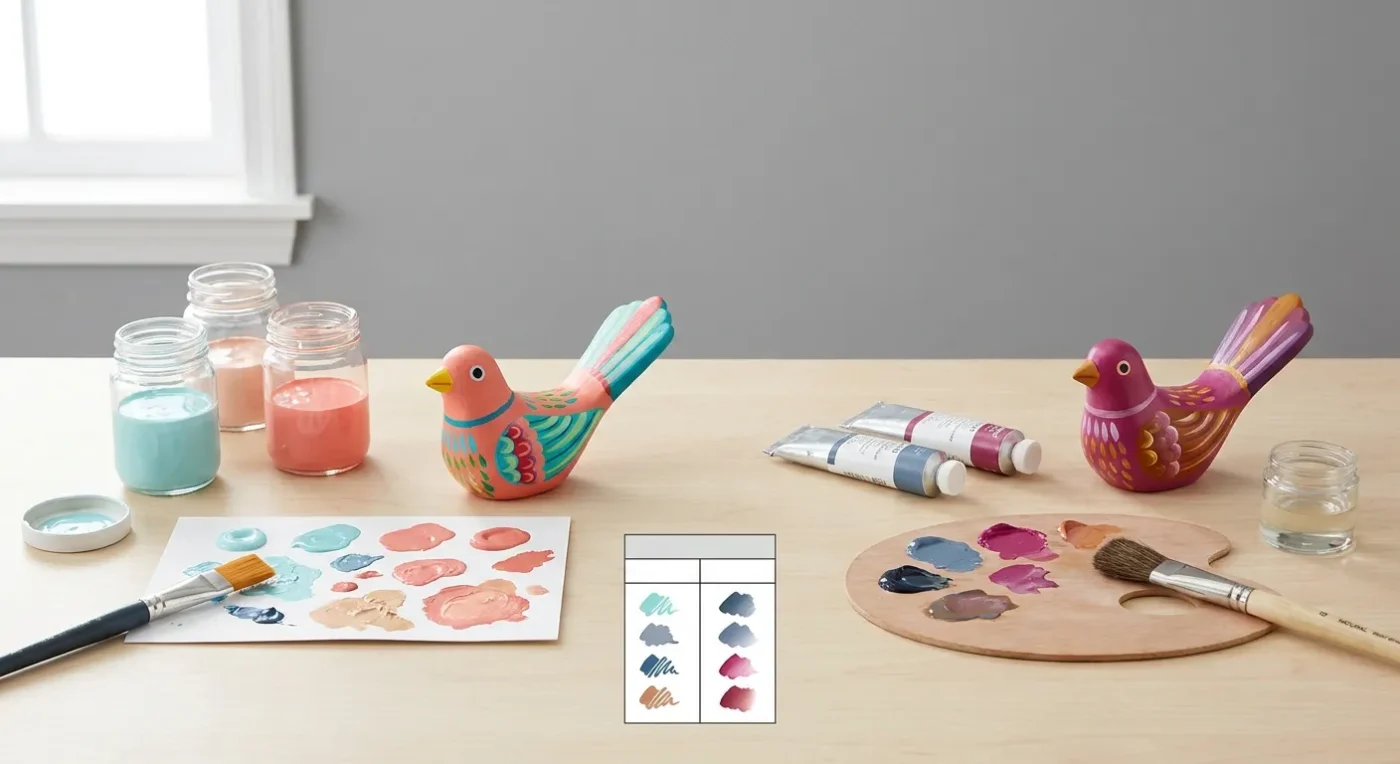

When you’re planning a new decorative painting project, one of the most fundamental decisions you’ll face is choosing your paint medium. The debate of acrylic vs oil decorative paint is perennial among artists. For folk art enthusiasts, each offers distinct advantages and characteristics. Understanding these differences isn’t just about personal preference; it’s about selecting the right tool for the job. This ensures your creative vision comes to life exactly as you intend, with lasting beauty.
Understanding Acrylic Paints for Decorative Art
Acrylic paints are a popular choice for many decorative artists due to their versatility and user-friendly nature. They are water-soluble when wet, making cleanup easy. Furthermore, they dry relatively quickly. This is a huge benefit for artists who prefer to work in layers or complete projects in a single session.
Pros of Acrylics for Decorative Painting:
- Fast Drying Time: This allows for quick layering and reduces waiting time between steps. You can easily build up depth in your folk art.
- Versatility: Acrylics adhere well to a wide range of surfaces. These include wood, canvas, paper, fabric, and even some plastics and metals, often without extensive priming. For more on surface preparation, consider our guide on How to Paint Different Surfaces for Decorative Art.
- Durability: Once dry, acrylics are waterproof and flexible. They resist cracking and yellowing over time, ensuring your artwork endures.
- Low Odor: Generally non-toxic and low-fume, these paints are suitable for use in home studios.
- Easy Cleanup: Brushes and palettes can be cleaned simply with water.
Cons of Acrylics:
- Fast Drying Time Can Be a Challenge: Blending colors seamlessly can be difficult. The paint often dries before you can work it sufficiently.
- Color Shift: Colors can appear slightly darker once dry. This requires some experience to anticipate and adjust for.
Acrylics are ideal for projects requiring crisp lines, stenciling, and layered techniques. For artists needing a faster turnaround for their decorative art pieces, they are also a top choice. Specifically, if you enjoy Detailing with Precision: Simple Stenciling Techniques for Folk Art, acrylics can be very forgiving.
Exploring Oil Paints for Folk Art Mediums
Oil paints, with their rich history and luminous quality, offer a different experience. They are made with pigment suspended in an oil binder (typically linseed oil). This gives them a slow drying time, allowing for extensive blending and subtle color transitions.
Pros of Oils for Decorative Painting:
- Extended Working Time: The slow drying allows for incredible blending, smooth gradations, and the ability to rework areas for days. This is particularly useful for achieving nuanced shading.
- Richness and Depth: Oils often achieve a luminous quality and depth of color that is hard to replicate with other mediums. The pigments remain vibrant.
- Durability and Longevity: Properly applied oil paintings are incredibly durable. They can last for centuries, becoming treasured heirlooms.
- Smooth Blending: Excellent for creating soft edges, subtle shadows, and realistic textures.
Cons of Oils:
- Slow Drying Time: Projects can take weeks or even months to fully cure, requiring patience. This can be a significant factor when considering your project timeline.
- Cleanup: Requires solvents (like mineral spirits or turpentine). These can have strong odors and require proper ventilation.
- Yellowing: Some oils, especially linseed oil, can yellow slightly over many years. This is more noticeable in lighter colors.
- Layering Rules: Artists must follow the