
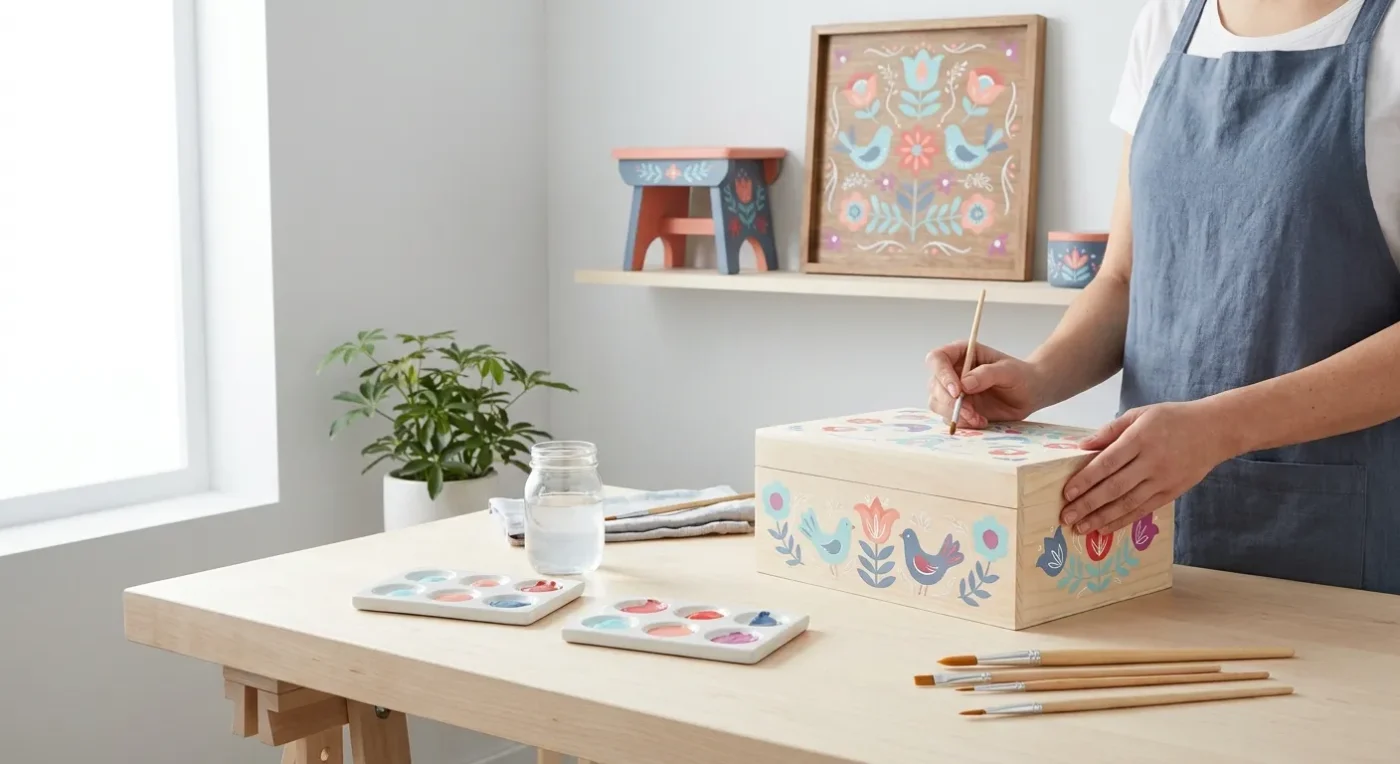

Are you ready to infuse your living space with the charm and character of handmade art? This month, we’re exploring how you can create unique, personal pieces that truly reflect your style. Specifically, we’re diving deep into the world of authentic folk art painting projects. In an era where digital art is everywhere, the appeal of original, personal, and expressive handmade items—especially folk art—is experiencing a significant resurgence. The global Folk Art Market, valued at USD 0.9 trillion in 2025, is projected to reach USD 1.6 trillion by 2033, expanding at a robust CAGR of 7.0%. This growing appreciation for the tangible and the unique makes it the perfect time to explore this rich tradition.
Discovering Your Folk Art Style
Folk art is incredibly diverse, drawing inspiration from countless cultures and personal narratives. It’s about storytelling through simple forms and vibrant colors. To begin your journey, consider what resonates with you. Do you love the whimsical patterns of Pennsylvania Dutch hex signs, the bold strokes of Scandinavian rosemaling, or the narrative scenes of Mexican retablos? Research different traditions, not to copy, but to understand the essence and find elements that speak to your artistic soul. This exploration is crucial for developing genuinely personal folk art creations. Furthermore, understanding the historical context of various folk art forms can deepen your appreciation and inform your own artistic choices. For example, learning about the symbolism behind traditional motifs can add layers of meaning to your work. Moreover, exploring different cultural approaches to color and composition will broaden your artistic vocabulary, allowing for more expressive and varied outcomes in your painting endeavors.
Crafting Smaller-Scale Folk Art Creations
One of the most exciting trends in the art market is the rise of smaller, more affordable art. Artsy reported a 66% increase in purchases of miniature and small-scale paintings in 2025, with 40% of all platform purchases being works under 40 square inches. This trend is perfect for folk art, which often lends itself beautifully to smaller canvases, wooden plaques, or even decorative boxes. Starting with smaller pieces allows you to experiment with new techniques and styles without feeling overwhelmed. Think about painting a set of coasters with a repeating motif, creating a series of small, framed botanical studies, or even personalizing a wooden spoon with a simple, charming design. These miniature folk art creations make wonderful gifts or delightful accents for any room, allowing you to practice and perfect your craft. Additionally, working on a smaller scale often helps build confidence before tackling larger pieces, making it an excellent starting point for those new to decorative painting. Indeed, many artists find that the constraints of a small canvas encourage creativity and focus, leading to surprisingly intricate and satisfying results.
Integrating Earth Tones and Natural Palettes
In 2026, earthy hues are highly prevalent in interior design and art, with colors like rich umbers, soft clays, mossy greens, weathered ochres, warm sands, and muted charcoals dominating palettes. These natural tones are a perfect complement to folk art, enhancing its timeless, organic feel. Instead of bright, primary colors, consider a palette inspired by nature. Imagine a rustic wooden plaque painted with a delicate floral motif using mossy green, warm sand, and a touch of deep terracotta. Or a small canvas featuring a simple landscape in muted charcoals and soft clays. These palettes not only align with current trends but also bring a sense of calm and authenticity to your home. Consequently, many find these colors create a more harmonious and inviting atmosphere. Furthermore, integrating these natural tones can highlight the handcrafted quality of your folk art pieces, making them feel even more grounded and genuine.
Essential Supplies for Your Folk Art Endeavors
Before beginning your next piece, gathering the right supplies is crucial. For most authentic folk art painting projects, you’ll need acrylic paints, as they are versatile, quick-drying, and easy to clean up. Invest in a good set of brushes in various sizes, including fine-tipped brushes for details and broader flat brushes for washes. Wooden surfaces, canvas panels, or even reclaimed items like old trays or furniture pieces make excellent substrates. Don’t forget a palette, water containers, and paper towels. Furthermore, a clear sealant or varnish is essential to protect your finished work, ensuring its longevity. Choosing quality materials will enhance your painting experience and the final appearance of your decorative art. For more detailed information on various tools and their uses, you might consult our Glossary of Terms. Remember, having your supplies organized before you start can significantly improve your creative flow and enjoyment.
Choosing Your Surfaces Wisely
The surface you choose greatly impacts the look and feel of your folk art. Wood is a traditional choice, offering a rustic charm. Consider unfinished wooden boxes, plaques, or even simple wooden spoons. Canvas panels are another excellent option, providing a smooth surface for detailed work. For a more unconventional approach, try painting on fabric, ceramic bisque, or even smooth stones. Each surface presents unique challenges and opportunities, so experiment to find what you enjoy most. For instance, painting on a textured surface like rough wood can add character, while a smooth canvas allows for finer brushwork. Similarly, repurposing old items not only provides a unique canvas but also aligns with the sustainable aspect often found in folk art traditions. Therefore, thinking creatively about your surfaces can lead to truly distinctive pieces.
Step-by-Step Guide to Creating Your Own Folk Art
Starting an art project can feel daunting, but breaking it down into manageable steps makes the process enjoyable. First, select your design. This could be a traditional motif, a simplified animal, or a floral pattern. Next, prepare your surface by cleaning it and applying a base coat if necessary. Sketch your design lightly with a pencil. Then, begin painting with your background colors, working from larger areas to smaller details. Allow each layer to dry before adding the next. Finally, apply a protective varnish once your paint is completely dry. This structured approach helps ensure a successful outcome, even for beginners. Moreover, taking your time with each stage, especially drying, prevents smudges and allows for cleaner lines. For tips on achieving smooth transitions in your painting, consider reading our article on Mastering Smooth Paint Blending in Folk Art.
Developing Your Personal Folk Art Motifs
While traditional folk art offers rich inspiration, developing your own motifs makes your work truly personal. Start by observing your surroundings: local flora and fauna, architectural details, or even simple household objects. Simplify these observations into basic shapes and forms. Experiment with repeating patterns or creating narrative scenes. Your personal experiences and memories can also be a powerful source of inspiration. For example, a favorite pet or a beloved landscape can be transformed into a charming folk art motif. Consequently, these personal touches will make your authentic folk art painting projects resonate more deeply with you and anyone who views them. Ultimately, the beauty of folk art lies in its ability to tell a story, and your story is unique.
Overcoming Creative Hurdles in Folk Art
Every artist encounters creative blocks from time to time. When you feel stuck, try taking a break, looking at other artists’ work for inspiration (not imitation), or simplifying your current project. Sometimes, a change of scenery or a different medium can reignite your creativity. Don’t be afraid to make mistakes; they are part of the learning process. Instead, view them as opportunities for growth and unexpected discoveries. Moreover, connecting with other artists in online communities or local workshops can provide encouragement and fresh perspectives. Remember, the goal is to enjoy the process and express yourself. If you’re struggling with getting started, our article Reignite Your Muse: Strategies to Overcome Creative Blocks in Decorative Painting offers helpful strategies. Persistence and patience are key.
Showcasing Your Finished Pieces
Once your folk art creations are complete, it’s time to display them! Consider grouping smaller pieces together for a gallery wall effect. Use decorative easels for individual works, or integrate them into shelves and tabletops. Folk art often looks wonderful in rustic or eclectic interiors, but it can also provide a charming contrast in more modern settings. Think about how the colors and themes of your art complement your existing decor. For example, a series of botanically inspired paintings might look lovely in a kitchen or sunroom. Sharing your work with others can be incredibly rewarding, whether through social media or as thoughtful gifts. Furthermore, displaying your handmade pieces adds warmth and personality to your home that mass-produced items simply cannot replicate. These handmade items truly make a house feel like a home.
The Enduring Appeal of Handmade Decorative Art
The resurgence of interest in authentic folk art painting projects is a testament to our innate desire for connection, authenticity, and beauty. In a world increasingly dominated by digital experiences, the tactile pleasure of creating something with your own hands offers a unique satisfaction. These projects not only allow you to beautify your home but also provide a meaningful creative outlet. They connect you to rich artistic traditions and empower you to tell your own stories through art. We encourage you to embark on your own journey of folk art creation, exploring the endless possibilities and finding joy in every brushstroke. For further reading and inspiration, consider exploring reputable art history resources like the Metropolitan Museum of Art’s Folk Art Collection or the American Folk Art Museum. Embrace the simplicity, the vibrancy, and the heart of folk art, and let your creativity flourish.
Embracing the Journey of Folk Art Creation
Embarking on authentic folk art painting projects is more than just creating decorative items; it is a journey of self-discovery and cultural appreciation. Each stroke of the brush connects you to generations of artists who have expressed their world through simple, heartfelt forms. There is immense satisfaction in seeing a blank surface transform into a piece that tells a story, your story. Therefore, do not rush the process. Instead, savor each step, from selecting your inspiration to applying the final varnish. This mindful approach will enrich your creative experience and result in truly cherished pieces for your home. Ultimately, the joy found in the act of creation is as valuable as the finished artwork itself. We invite you to share your journey with us and the PaintWorks community.
Conclusion
In conclusion, embracing authentic folk art painting projects offers a rewarding way to personalize your living space and engage with a rich artistic heritage. From discovering your unique style to crafting small-scale creations and integrating natural palettes, the possibilities are vast and exciting. Remember to gather your essential supplies, follow a step-by-step approach, and nurture your creativity through any hurdles. Showcasing your finished pieces not only enhances your home but also celebrates your artistic journey. The enduring appeal of handmade decorative art lies in its ability to bring warmth, character, and a personal touch to any environment. We hope this guide inspires you to pick up your brushes and begin your own folk art adventure. Happy painting!
FAQ
What defines authentic folk art?
Authentic folk art is typically created by self-taught artists, often from rural or indigenous communities, using traditional techniques and materials. It reflects the cultural identity and daily life of its creators, focusing on storytelling and community values rather than formal artistic training. It often features simplified forms and vibrant, expressive colors.
Are these kinds of painting activities suitable for beginners?
Absolutely! Many folk art painting endeavors are perfect for beginners. They often emphasize simple shapes, bold lines, and less rigid adherence to perspective, making them very forgiving. Starting with smaller pieces and following step-by-step guides can build confidence and skill quickly. Moreover, the focus is on personal expression, not perfection.
What types of surfaces are best for these handcrafted painting endeavors?
Traditional surfaces for handcrafted painting endeavors include wood (plaques, boxes, furniture), canvas panels, and even fabric. You can also use reclaimed items like old trays, ceramic bisque, or smooth stones. The best surface depends on the specific project and the desired aesthetic, so feel free to experiment.
How can I find inspiration for my own folk art designs?
Inspiration for your own folk art designs can come from many places. Look at traditional folk art from various cultures, observe nature (plants, animals), local architecture, or everyday objects. Simplify these observations into basic shapes. Your personal memories, stories, and cultural heritage can also provide unique and meaningful motifs for your work.
How do I protect my finished decorative painting pieces?
To protect your finished decorative painting pieces, apply a clear sealant or varnish once the paint is completely dry. This protects against dust, moisture, and UV damage, ensuring the longevity of your artwork. Choose a varnish appropriate for your paint type (e.g., acrylic varnish for acrylic paints) and desired finish (matte, satin, or gloss).