
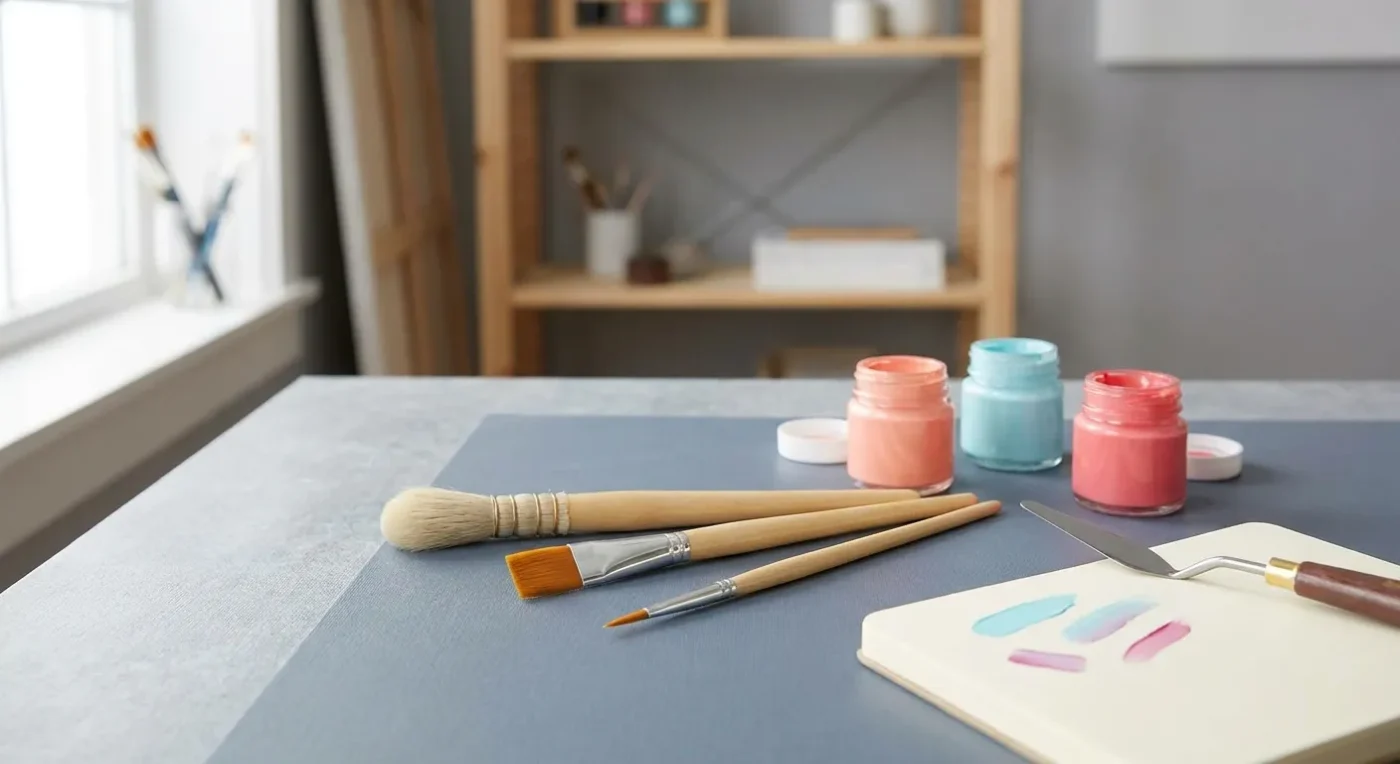

Starting your journey into decorative painting is exciting, and the right tools make all the difference. For any aspiring hobbyist, understanding and choosing the correct beginner decorative painting brushes is the crucial first step. It’s not about having dozens of brushes, but about selecting a few versatile ones that will help you master foundational techniques and bring your artistic visions to life. Let’s demystify the brush aisle and equip you with the knowledge to pick your perfect starting set.
Understanding Your First Brushes: The Essentials
When you’re just getting started, a few key brush types will cover most of your needs. These are the workhorses of decorative painting, designed to handle a variety of strokes and details. Getting to know these will set you up for success with your first decorative painting brushes:
- Round Brushes: These are incredibly versatile. With a pointed tip, they’re perfect for fine lines, dots, and creating delicate details. Varying pressure allows you to create thin-to-thick lines, making them excellent for script and scrollwork.
- Flat/Shader Brushes: Featuring a straight, flat edge, these brushes are ideal for broad, even strokes, blocking in color, and blending. They’re also great for creating crisp edges and square shapes.
- Liner/Script Brushes: Characterized by their long, thin bristles, liner brushes hold a good amount of paint and are designed for very fine, continuous lines, such as lettering, outlining, or intricate scroll designs.
- Angled Brushes: With bristles cut at an angle, these brushes offer precision for creating sharp lines, shading, and painting in tight corners. They’re fantastic for flower petals and curved edges.
Choosing Quality: What to Look For in Your First Set
Investing in good quality brushes, even as a beginner, will save you frustration and yield better results. Here’s what to consider:
- Bristle Type: For water-based paints, which are common in decorative arts, synthetic bristles are often preferred. They hold their shape well, are durable, and clean up easily. Natural hair brushes are also available, but synthetic options are generally more robust for repeated use with acrylics or watercolors.
- Handle Comfort: A comfortable handle, whether short or long, will make a big difference during longer painting sessions. Choose what feels natural in your hand.
- Ferrule Quality: The ferrule is the metal band that connects the bristles to the handle. A good quality ferrule will be seamless and securely crimped, preventing bristles from shedding and ensuring the brush maintains its shape.
Caring for Your Beginner Decorative Painting Brushes
Proper care extends the life of your brushes, making them a sustainable choice. This also aligns with the broader industry trend towards sustainable practices and optimal material usage. After all, a well-maintained brush lasts longer. Here are some essential tips:
First, always clean your brushes immediately after use. Dried paint is much harder to remove and can damage the bristles. Second, use lukewarm water and a mild soap, like dish soap or a specialized brush cleaner. Gently work the soap into the bristles, ensuring all paint is removed from the ferrule area. Third, rinse thoroughly until the water runs clear. Finally, reshape the bristles with your fingers and lay the brush flat or hang it bristles-down to dry. This prevents water from seeping into the ferrule and loosening the glue.
Beyond the Basics: Expanding Your Brush Collection
Once you’ve mastered the foundational strokes with your initial set of art brushes for beginners, you might consider expanding your collection. There are many specialized brushes that can help you achieve unique effects and tackle more complex projects. For example, fan brushes are wonderful for creating textures like grass or fur. Stippling brushes, conversely, are excellent for adding dappled effects or creating soft blends. As you grow in confidence, therefore, you’ll find yourself drawn to different tools.
Understanding the purpose of each new brush will enhance your artistic range. Furthermore, exploring various brush shapes can inspire new techniques. Remember, the goal is to find tools that complement your evolving style and project needs. Don’t rush into buying too many brushes at once; instead, allow your skills to dictate your next purchase. This mindful approach ensures that every new addition serves a genuine purpose in your studio.
Understanding Bristle Materials: Natural vs. Synthetic
The material of your brush bristles significantly impacts how it performs with different paints. Generally, synthetic bristles are made from nylon or polyester. These are highly durable, maintain their shape well, and are ideal for acrylics and watercolors because they don’t absorb as much water as natural fibers. Consequently, they release paint evenly and are easier to clean. Many artists prefer synthetic options for their versatility and longevity, especially when starting out with painting brushes for beginners.
On the other hand, natural hair brushes come from various animal hairs, such as sable, squirrel, or hog. Each type offers distinct characteristics. Sable brushes, for example, are known for their exceptional spring and ability to hold a fine point, making them excellent for detailed work. Hog bristles are stiffer and coarser, thus perfect for oil paints and creating textured effects. While natural brushes can be exquisite, they often require more delicate care and can be more expensive. For the beginner decorative painting brushes discussed here, synthetic options are usually the most practical choice.
The Importance of Brush Size and Shape
Brush size and shape play a critical role in the marks you can create. Sizes are typically indicated by numbers on the handle; smaller numbers mean smaller brushes. For instance, a 000 round brush is perfect for tiny details, while a size 12 flat brush covers larger areas. Understanding this numbering system is fundamental for selecting the right tool for specific tasks.
Different shapes, as previously mentioned, serve distinct purposes. A detail brush, which is essentially a very small round or liner, allows for intricate patterns and fine lines. A wash brush, conversely, is a large, flat brush designed for applying broad, even coats of paint. Therefore, having a range of sizes within your chosen shapes will allow for greater flexibility in your projects. Ultimately, experiment with various sizes to discover what works best for your hand and your artistic vision. This exploration is part of the joy of learning decorative painting.
Mastering Basic Strokes with Your First Brushes
With your selected tools, practicing basic strokes is the next logical step. Indeed, consistent practice builds muscle memory and confidence. Try holding your brush differently, varying the pressure, and experimenting with paint consistency. For example, a round brush can create both thin lines and wider strokes by adjusting pressure. A flat brush is excellent for sharp edges and smooth blends. This exploration will help you understand the capabilities of each tool.
Furthermore, consider specific exercises. Practice painting continuous lines with your liner brush. Use your angled brush to create comma strokes, which are perfect for flower petals. Focus on control and consistency. Resources like our article on Mastering Glazing Techniques can provide further insights into paint application, which directly relates to brush handling. Remember, every stroke is an opportunity to learn and improve your skill with these essential decorative painting tools.
Where to Purchase Your Initial Set of Brushes
Finding quality supplies is crucial for any budding artist. Art supply stores, both local and online, are excellent places to start. Many brands offer starter sets specifically curated for folk art and decorative painting. These sets often include a good selection of the essential brush types we’ve discussed. Furthermore, reading reviews can offer insights into the durability and performance of different brands. For those exploring various options, remember to check our Amazon Affiliate Disclaimer for trusted recommendations.
Consider visiting a local art store if possible. This allows you to physically hold brushes and assess their comfort. Otherwise, reputable online retailers provide a vast selection. Always prioritize brushes that feel good in your hand and have securely crimped ferrules. A good set of beginner decorative painting brushes will be a foundational investment in your artistic journey.
Common Mistakes to Avoid When Using Painting Tools for Beginners
Even with the best intentions, beginners often make a few common mistakes that can hinder their progress or damage their brushes. One frequent error is letting paint dry in the bristles near the ferrule. This can permanently splay the bristles and make the brush unusable. Another mistake is soaking brushes bristle-down in water for extended periods, which can loosen the ferrule glue.
Also, many beginners tend to use too much pressure, especially with smaller brushes, leading to worn-out tips. Instead, aim for a light, controlled touch. Furthermore, not cleaning brushes thoroughly can lead to paint buildup and stiff bristles. Remember, proper care is an investment in the longevity of your tools. By avoiding these pitfalls, you’ll ensure your initial set of painting brushes for beginners serves you well for many projects to come.
Expanding Your Skills: Projects for Your New Brushes
Once you feel comfortable with your new painting tools, it’s time to put them to use on exciting projects. Start with simple designs that allow you to practice basic strokes, such as painting simple borders, dots, or small floral elements. For example, you might try decorating a small wooden box or a ceramic tile. These types of projects are perfect for building confidence and seeing immediate results from your efforts.
As your skills develop, you can move on to more intricate designs. Consider exploring folk art patterns, which often utilize the very brush strokes you’ve been practicing. For inspiration, you could look at how to transform everyday items, much like in our article From Drab to Fab: Upcycling Everyday Objects with Decorative Paint. The key is to choose projects that are challenging enough to help you grow but not so difficult that they become discouraging. Enjoy the process of creating beautiful art with your new beginner decorative painting brushes.
Conclusion: Your Artistic Journey Begins Here
Embarking on decorative painting is a rewarding endeavor, and selecting the right beginner decorative painting brushes is your first step towards success. We’ve explored the essential types – round, flat, liner, and angled – and discussed crucial factors like bristle type, handle comfort, and ferrule quality. Furthermore, we’ve emphasized the importance of proper brush care to ensure longevity and optimal performance.
Remember, your initial set of brushes is an investment in your artistic future. With careful selection and consistent practice, these tools will become extensions of your creative vision. Don’t hesitate to explore and expand your brush collection as your skills evolve. Most importantly, enjoy the process of learning, creating, and bringing beauty into the world with your own hands. Happy painting!
Frequently Asked Questions About Decorative Painting Tools
What are the most essential painting brushes for beginners?
For those just starting, a good set typically includes a round brush, a flat or shader brush, a liner or script brush, and an angled brush. These fundamental shapes allow you to practice a wide range of strokes and techniques in decorative painting.
How do I clean my new art brushes effectively?
Always clean your brushes immediately after use. Use lukewarm water and a mild soap, gently working the soap into the bristles to remove all paint. Rinse thoroughly, reshape the bristles, and lay them flat or hang them bristles-down to dry. This prevents paint from hardening and prolongs brush life.
Should I choose natural or synthetic bristles for my first painting brushes?
For water-based paints common in decorative arts, synthetic bristles are generally recommended for new artists. They are durable, maintain their shape well, and are easier to clean. Natural hair brushes can be excellent but often require more specialized care and can be more expensive.
What brush sizes are best for a starter kit?
A good starter kit should offer a range of sizes within the essential shapes. For instance, a small round (e.g., size 2 or 4), a medium flat (e.g., size 6 or 8), and a fine liner (e.g., size 0 or 1) would be a versatile beginning. This variety allows for both detail work and broader strokes.
How can I make my decorative painting brushes last longer?
To maximize the lifespan of your brushes, always clean them promptly and properly after each use. Avoid letting paint dry in the ferrule. Store them carefully, either flat or bristles-down, to protect their shape. Additionally, avoid excessive pressure while painting to prevent bristle damage.