
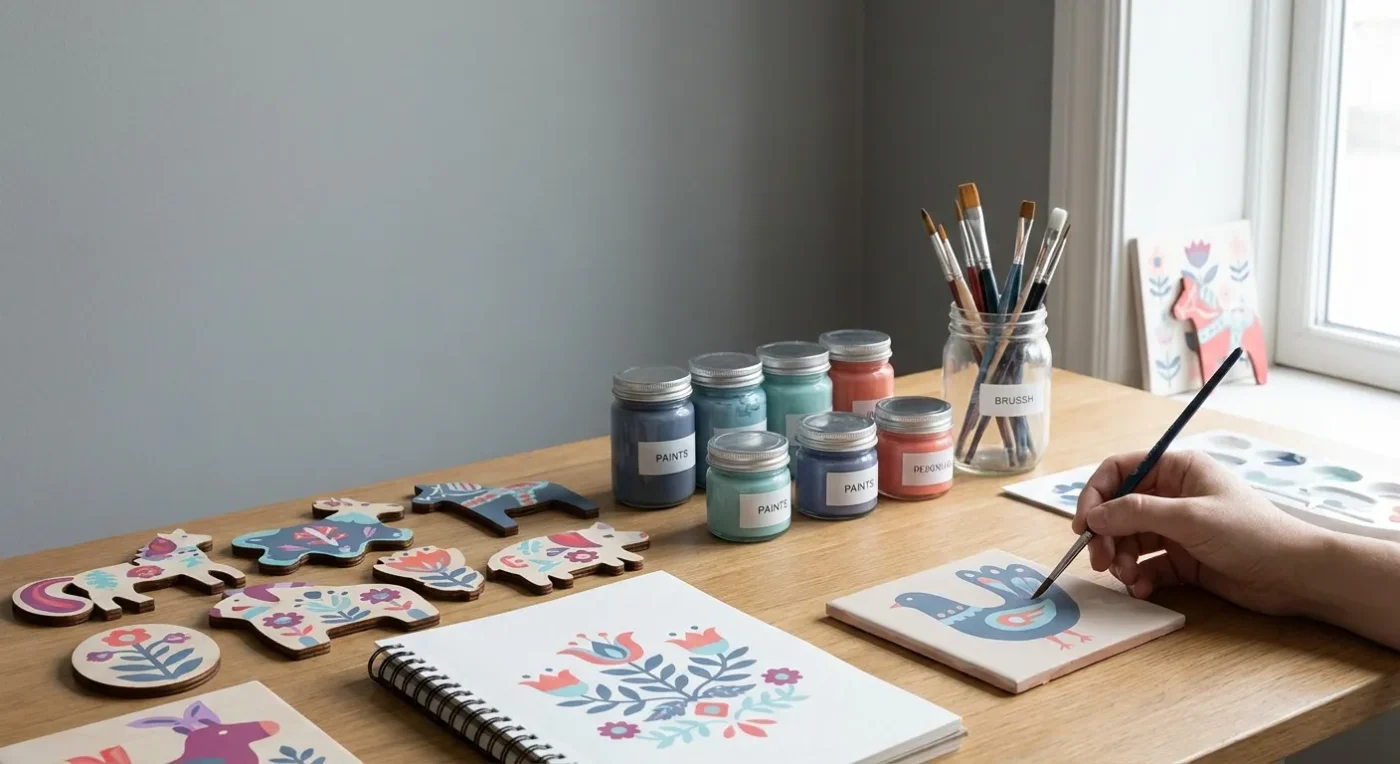

Folk art has an undeniable charm, characterized by its heartfelt simplicity and often whimsical nature. At the core of this appeal are the distinctive folk art motifs that tell stories, celebrate nature, and bring joy through vibrant colors and imaginative forms. From cheerful birds to stylized florals and geometric patterns, these motifs transform everyday objects into cherished works of art. Let’s explore why these traditional designs continue to captivate and inspire artists and admirers alike.
The Story Behind the Motifs
Many folk art motifs are rooted in historical traditions, cultural beliefs, and the natural world surrounding the artists. For instance, the tulip often found in Pennsylvania Dutch folk art symbolizes faith and charity, while various bird motifs can represent freedom or joy. Hearts, stars, and abstract patterns frequently appear, each carrying a layer of cultural significance or simply reflecting the artist’s immediate environment and creative spirit. These motifs are not just decorative; they are visual narratives, passed down through generations, making the art deeply personal and universally appealing. Their hand-painted quality, often imperfect yet full of character, adds to their unique charm, inviting viewers to appreciate the human touch.
Embracing folk art motifs means embracing a style that values expression over strict realism, allowing for a playful approach to design. Whether you’re painting a vintage chest, a simple wooden plaque, or a canvas, incorporating these elements can infuse your work with warmth, character, and a touch of nostalgic whimsy. It’s an art form that speaks to the heart, making it accessible and enjoyable for everyone.
Exploring Popular Folk Art Designs
The world of decorative art patterns is incredibly rich and diverse. For example, traditional Scandinavian decorative painting often features intricate scrollwork and floral elements, known as Rosemaling. These particular designs showcase a beautiful balance of symmetry and organic forms. Learning Mastering Rosemaling Strokes: Your Beginner’s Guide to Norwegian Folk Art can open up a whole new realm of artistic expression.
In contrast, the vibrant designs of Mexican folk art frequently depict animals, religious figures, and scenes from daily life, often characterized by bold colors and dynamic compositions. Similarly, American Shaker art, while minimalist, incorporates motifs like doves and trees, symbolizing peace and life. Each regional style offers unique decorative art motifs and a distinct visual language. Consequently, understanding these origins helps artists appreciate the depth and heritage behind their chosen patterns. Many historical folk art patterns provide endless inspiration for contemporary projects.
Consider also the charming simplicity of Pennsylvania Dutch hex signs. These circular designs, often found on barns, feature stylized birds, stars, and floral patterns. They were originally believed to bring good luck or ward off evil, though today they are appreciated for their aesthetic appeal. Such traditional patterns offer a wonderful starting point for artists looking to incorporate meaningful design elements into their work. Indeed, exploring these cultural roots enriches the artistic process.
Bringing Traditional Motifs into Modern Projects
Integrating classic decorative painting elements into modern pieces is simpler than you might think. For instance, a simple wooden tray can be transformed with a few cheerful bird designs or a border of stylized flowers. Furthermore, these elements can be adapted to fit various aesthetics, from rustic farmhouse to bohemian chic. The key is to select patterns that resonate with your personal style and the object you are embellishing.
When selecting your artistic motifs, consider the overall theme and color palette of your project. Are you aiming for a bright and playful look, or something more subdued and elegant? The beauty of these art patterns lies in their versatility. You can scale them up for a statement piece or use them subtly as accents. For example, a set of coasters painted with small, intricate floral designs can add a touch of handcrafted charm to your home. You can find a comprehensive guide for such projects in our Folk Art Coasters Tutorial: Crafting Charming Home Decor.
Many artists also enjoy combining different design elements to create unique compositions. Perhaps a whimsical animal paired with a geometric border, or a bold floral surrounded by delicate scrollwork. The possibilities are truly endless, encouraging experimentation and personal expression. Moreover, using these traditional designs allows artists to connect with a rich heritage of craftsmanship.
Techniques for Painting Decorative Motifs
Achieving beautiful decorative art patterns requires a few fundamental techniques. First, proper surface preparation is crucial. Ensure your surface is clean, smooth, and primed if necessary. Next, sketching your design lightly with a pencil before applying paint can help ensure proper placement and proportion. This step is particularly important for more complex designs or when working on larger surfaces.
When it comes to painting, mastering basic brushstrokes is essential. Many traditional art patterns rely on simple, repetitive strokes that build up to form intricate designs. For example, the comma stroke is fundamental in many folk art styles, allowing you to create petals, leaves, and scrollwork with ease. Practicing these strokes on a scrap piece of wood or paper will significantly improve your confidence and control.
Moreover, layering colors can add depth and dimension to your designs. Start with a base color, then add highlights and shadows to create visual interest. For more advanced techniques, consider exploring Elevating Your Art: Advanced Folk Art Color Blending Techniques for Depth. Paint Works Mag has many resources to help you refine your skills. Additionally, don’t be afraid to experiment with different types of brushes. A variety of brushes, from liners to flats, can help you achieve different effects and textures within your decorative art designs. The Essential Brush Kit for Folk Art Home Decor Projects provides excellent guidance on selecting the right tools.
Where to Find Inspiration for Your Artistic Motifs
Inspiration for decorative art patterns is all around us. Historical textiles, pottery, and architectural details are fantastic starting points. Visiting museums or browsing online archives dedicated to folk art can provide a wealth of ideas. Websites like the Metropolitan Museum of Art’s collection often feature extensive galleries of historical artifacts that showcase beautiful traditional designs.
Nature itself is another boundless source of inspiration. Observe the shapes of leaves, the patterns on bird feathers, or the vibrant colors of flowers. These natural elements can be stylized and simplified to create charming art patterns that embody the spirit of folk art. Many artists find joy in translating the beauty of their surroundings into their artwork. Furthermore, books on regional folk art styles, such as Pennsylvania Dutch, Scandinavian, or Mexican folk art, offer detailed insights and visual examples. These resources can help you understand the specific characteristics and cultural significance of various traditional designs.
Consider also contemporary interpretations of folk art. Many modern artists draw inspiration from traditional decorative art motifs and reimagine them in fresh, new ways. This blend of old and new keeps the art form vibrant and relevant. Looking at these modern takes can spark your own creativity and encourage you to develop unique artistic motifs. Ultimately, the best inspiration comes from what genuinely excites and moves you.
The Joy of Creating with Folk Art Designs
Creating with decorative art patterns is more than just painting; it’s a journey of self-expression and connection to a rich artistic heritage. The process itself is often meditative and rewarding, allowing artists to slow down and enjoy the act of making. There is immense satisfaction in transforming a plain object into something beautiful and meaningful with your own hands. This hands-on approach is a hallmark of decorative painting.
Moreover, finished pieces adorned with these charming designs make wonderful gifts or additions to your home decor. They carry a unique story and a personal touch that mass-produced items simply cannot replicate. Imagine a hand-painted wooden box or a decorative plate gracing your living space, each telling a silent tale. These items truly personalize a home. For those interested in sustainable crafting, exploring Folk Art Flourishes: Painting on Eco-Friendly Home Decor for a Sustainable Home offers great ideas.
Joining a decorative painting community can further enhance this experience. Sharing ideas, techniques, and finished projects with fellow artists creates a supportive and inspiring environment. For more on this, check out The Power of Connection: Benefits of Joining a Decorative Painting Community. The collaborative spirit often sparks new ideas for decorative art patterns and helps artists grow their skills. Ultimately, embracing these patterns allows you to infuse your life and your surroundings with beauty, history, and a touch of whimsy. It is an art form that truly celebrates the joy of creation.
Conclusion
The enduring appeal of folk art motifs lies in their ability to tell stories, evoke emotions, and add a touch of handcrafted charm to our lives. From historical symbolism to playful whimsy, these distinctive designs offer a boundless source of inspiration for artists of all levels. By exploring their origins, mastering basic techniques, and finding personal inspiration, you can confidently incorporate these beautiful patterns into your decorative painting projects. Embrace the simplicity, the vibrant colors, and the heartfelt narratives that these delightful artistic motifs bring. Let your creativity flourish as you discover the joy of keeping these cherished traditions alive through your own unique artistic expression. The journey of painting these charming designs is sure to bring immense satisfaction and beauty into your world.
FAQ
What are some common types of folk art designs?
Common folk art designs include stylized birds (like the Pennsylvania Dutch distelfink), floral patterns (such as tulips and roses), hearts, stars, geometric shapes, and various animal motifs. These often vary significantly by region and cultural tradition, reflecting local beliefs and natural surroundings.
How can I start incorporating traditional decorative patterns into my painting projects?
To begin, choose a simple object like a wooden plaque or box. Select a straightforward design that appeals to you. Sketch it lightly, then practice basic brushstrokes before applying paint. Many online tutorials and books offer step-by-step guidance for beginners on various decorative art patterns.
Are there specific colors commonly used in these artistic patterns?
While color palettes can vary widely, many traditional decorative patterns feature bright, vibrant colors such as reds, blues, greens, and yellows. Earthy tones are also common in certain styles. The choice of colors often reflects the natural dyes and pigments available to artists historically.
What materials do I need to paint traditional designs?
For most decorative painting with traditional motifs, you’ll need acrylic paints, a selection of brushes (round, flat, and liner brushes are good starting points), a palette, water for cleaning brushes, and a suitable surface like wood, tin, or canvas. Surface preparation materials like gesso or sandpaper may also be needed.
Where can I find further inspiration for my decorative art motifs?
You can find inspiration in museums, historical art books, online cultural archives, and even nature. Many websites dedicated to folk art and decorative painting offer galleries and project ideas. Look for patterns in textiles, pottery, and architecture from different cultures to spark your creativity.