
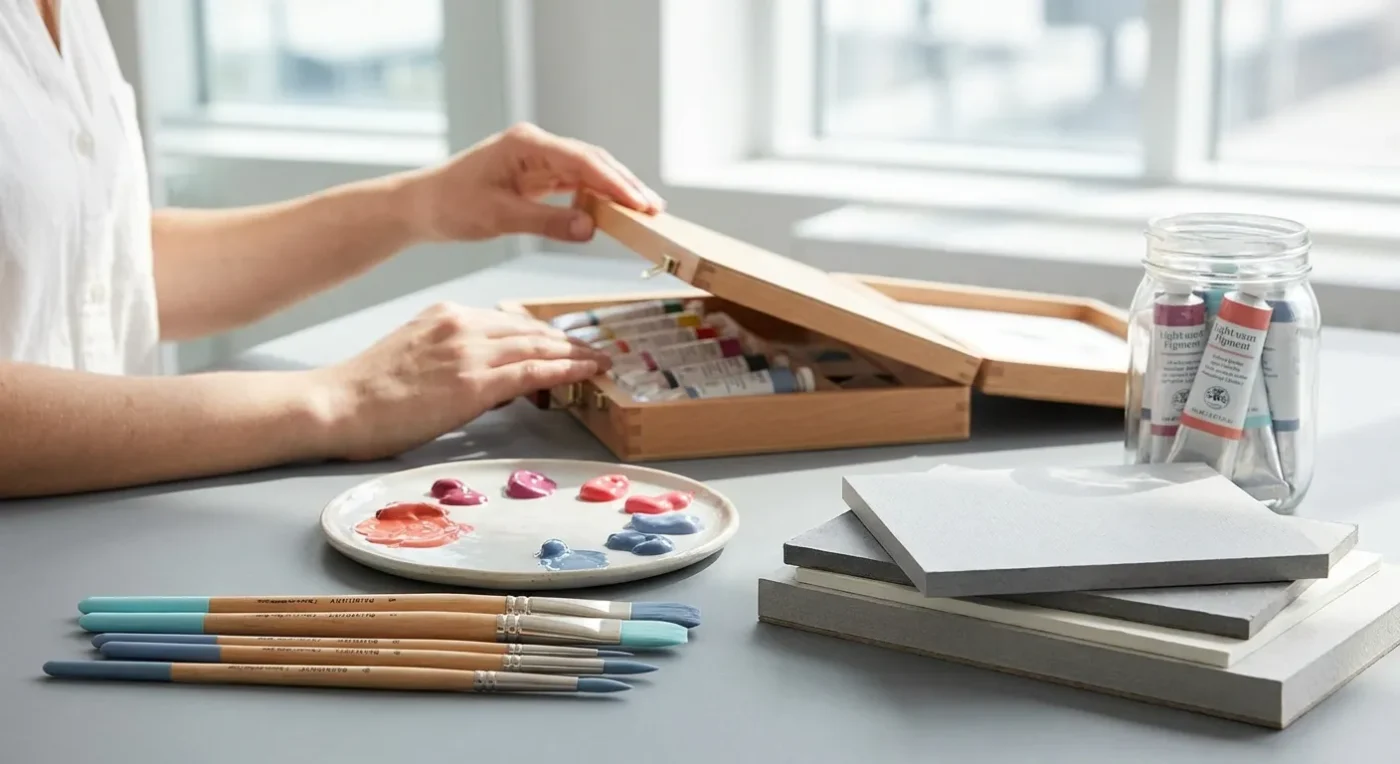

For hobbyist decorative painters and folk art enthusiasts, the tools and materials we choose are as crucial as the techniques we employ. While it might seem tempting to opt for the most affordable options, Paint Works Mag believes that understanding and investing in quality art materials is a fundamental step toward enhancing your project outcomes and fostering genuine artistic development. This isn’t just about expense; it’s about unlocking consistency, longevity, and a more satisfying creative process.
Indeed, the decorative arts market is experiencing robust growth, with online learning at the forefront. Simultaneously, there’s a significant trend emphasizing “human authenticity over AI.” This means valuing the artistic process, the challenges overcome, and the visible ‘human hand’ in art. When we discuss productive difficulty, repetition, experimentation, and persistence for genuine growth, the quality of our materials plays a silent but significant role. Inferior materials can hinder experimentation, frustrate repetition, and obscure the beautiful imperfections that make human-made art so valuable.
Consider this: a high-quality brush holds its shape, distributes paint evenly, and responds predictably to your hand. Consequently, you can focus on refining your technique rather than struggling with your tools. Similarly, vibrant, well-pigmented paints offer better coverage and lightfastness, ensuring your hard work endures over time. Therefore, the right supplies are essential for your artistic journey.
The Link Between Quality Art Supplies and Artistic Growth
Many artists, regardless of their experience level, often overlook the profound impact of their supplies. However, the connection between the tools you use and your artistic progression is undeniable. When you work with superior materials, you experience fewer frustrations. This allows for more effective practice and a deeper engagement with your craft. For instance, a brush that consistently delivers crisp lines or a paint that blends smoothly contributes directly to your skill development. This is why making thoughtful choices about your art supplies is so important.
Furthermore, quality materials often provide a broader range of effects and possibilities. Better pigments allow for richer color mixing and layering. A well-constructed surface accepts paint more readily, preventing frustrating absorption or buckling. These subtle differences accumulate, making experimentation more rewarding and helping you discover new techniques with greater ease. Ultimately, this fosters a cycle of positive reinforcement, encouraging further creative exploration. Consequently, your artistic confidence grows.
The Role of Consistency in Your Creative Practice
Consistency is a cornerstone of artistic improvement. When your materials perform reliably, you can attribute successes and failures to your technique, not your tools. For example, if a paint consistently covers well, you can focus on brushstrokes and blending. Conversely, if your materials are inconsistent, it becomes difficult to identify areas for improvement in your own skills. This can lead to frustration and stalled progress.
Furthermore, reliable materials allow for more accurate repetition. Practicing a specific stroke or motif becomes more effective when your brush consistently behaves as expected. Similarly, consistent paint quality ensures that colors mix predictably, making it easier to reproduce desired hues across different projects. This dependability is crucial for developing muscle memory and refining your unique artistic style. In fact, many professional artists emphasize this aspect.
Embracing Productive Difficulty with the Right Tools
The concept of “productive difficulty” suggests that learning happens best when challenges are present but manageable. Inferior art materials often introduce unproductive difficulty – challenges that frustrate rather than teach. For example, a poorly made brush that sheds bristles or paint that cracks prematurely adds unnecessary obstacles. These issues detract from the creative process.
On the other hand, investing in quality art materials transforms these challenges. You might still struggle with a complex design, but your tools won’t be the source of the struggle. This allows you to focus on the genuine artistic problems: mastering a new technique, understanding color theory, or achieving a specific effect. As a result, your efforts become more productive, leading to genuine skill acquisition. This approach makes your creative journey more enjoyable.
What Defines “Quality” in Art Materials?
“Quality” isn’t a single metric but a combination of factors that ensure performance, longevity, and a satisfying user experience. Understanding these aspects helps you make informed purchasing decisions. It’s not just about the brand name, but the underlying characteristics of the product. Let’s delve into some key considerations for various art supplies.
Pigment Load and Lightfastness: The Heart of Your Colors
For paints, higher pigment load means richer, more vibrant colors that offer better coverage. This allows you to achieve desired hues with fewer layers. Moreover, strong pigmentation often results in more opaque application, which is beneficial for many decorative painting styles. Lightfastness, on the other hand, refers to a pigment’s resistance to fading when exposed to light over time. Investing in paints with good lightfastness ratings (often indicated by ASTM ratings like I or II) ensures your beautiful creations retain their color for years. Without good lightfastness, your artwork will degrade. Learn more about understanding folk art color palettes on our Crafting Vibrant Hues: Understanding Folk Art Color Palettes page.
To illustrate, imagine spending hours on a detailed folk art piece, only for the colors to dull and fade after a few months. This is a common issue with paints lacking sufficient lightfastness. Artists often consult independent reviews and manufacturer specifications to assess these qualities. The American Society for Testing and Materials (ASTM) provides standardized ratings, with ASTM I indicating excellent lightfastness and ASTM II indicating very good lightfastness. Always check these ratings when purchasing paints, especially for pieces you wish to preserve.
Binder Quality: The Unsung Hero of Paint Performance
The binder in paint (e.g., acrylic polymer, linseed oil for oils, gum arabic for watercolors) affects its consistency, drying time, adhesion, and flexibility. Quality binders contribute significantly to the paint’s overall performance and archival properties. A good binder ensures the pigment adheres well to the surface, resists cracking, and maintains its integrity over time. Conversely, a poor binder can lead to brittle paint films or uneven application.
For acrylics, a high-quality acrylic polymer binder provides excellent flexibility, preventing cracking as the paint dries and ages. For oil paints, refined linseed oil offers superior film strength and yellowing resistance. Understanding the binder’s role helps you appreciate why certain paints feel and perform differently. This knowledge empowers you to choose products that align with your specific artistic needs. You can often find information about binders in the product’s technical specifications.
Brush Construction: Your Hand’s Extension
Your brushes are perhaps the most direct extension of your hand. Therefore, their quality directly impacts your control and precision. Look for brushes with securely crimped ferrules (the metal part connecting bristles to the handle), well-formed bristles that snap back into shape, and comfortable handles. A loose ferrule can lead to wobbling and a loss of control, while poorly formed bristles won’t hold their shape or paint effectively.
Natural hair brushes (like sable for fine detail work) and synthetic brushes (often more durable and versatile for acrylics) each have their strengths. Sable brushes, for instance, are renowned for their ability to hold a fine point and carry a significant amount of paint, making them ideal for intricate details. Synthetic brushes, on the other hand, are often more resilient, easier to clean, and perform exceptionally well with acrylics and other water-based media. Many artists use a combination of both types. To maintain your brushes, proper cleaning and storage are essential, as discussed in many art care guides.
Surface Preparation: The Foundation of Your Artwork
A good quality surface (wood, canvas, paper) that is properly primed provides the ideal foundation for paint adhesion and color vibrancy. Imperfections in the surface can show through and detract from your finished piece. For example, a canvas with an uneven weave or a wooden panel that isn’t properly sanded and sealed can lead to frustrating inconsistencies in your paint application. A smooth, well-prepared surface allows your paint to glide on effortlessly.
Priming plays a crucial role, especially for absorbent surfaces. Gesso, a common primer, creates a barrier that prevents paint from sinking into the substrate while providing a consistent texture for paint adhesion. Different types of primers are available for various media and surfaces, from traditional gesso for canvas to specialized primers for wood or metal. Taking the time to prepare your surface correctly is an investment in the final appearance and longevity of your artwork. Consider this step as important as the painting itself.
Making Smart Choices: Balancing Quality and Budget
Investing in quality art materials doesn’t mean buying the most expensive items on the market. It means making informed choices that align with your needs and budget. Prioritizing certain items over others can make a significant difference in your creative outcomes. For instance, while a full set of artist-grade paints might be costly, selecting a few essential colors in higher quality can elevate your palette considerably. You can always expand your collection over time.
Consider where quality makes the most impact for your specific projects. If you do a lot of detailed work, a few high-quality detail brushes might be a better investment than a large set of mediocre ones. Similarly, if you focus on pieces meant for display, prioritizing lightfast paints is crucial. For practice pieces, more affordable student-grade materials can be perfectly adequate. Remember, the goal is to enhance your experience, not to break the bank. You can find more practical advice on our Blog.
Prioritizing Your Purchases
Start by identifying the materials you use most frequently or those that directly impact the core of your technique. For many decorative painters, this often includes primary colors, essential brushes (like flats, rounds, and liners), and a reliable surface. Upgrading these core items first will likely yield the most noticeable improvements in your work. As you gain experience, you’ll better understand which other materials warrant a higher investment.
For example, if you frequently paint floral motifs, a high-quality filbert or round brush that holds its shape and point well will be invaluable. If you love creating vibrant landscapes, investing in artist-grade reds, yellows, and blues will give you a broader spectrum of rich, long-lasting colors. Gradually replacing student-grade items with artist-grade alternatives is a common and effective strategy for building a high-quality art supply collection. This allows you to spread the cost over time.
Research and Reviews: Your Best Allies
Before making a significant purchase, take advantage of the wealth of information available online. Read reviews from other artists, watch product demonstrations, and consult reputable art supply blogs or forums. Many art supply companies also provide detailed information about their products, including pigment information and lightfastness ratings. Knowledge is power when it comes to making smart purchasing decisions.
Websites like Dick Blick Art Materials and Jerry’s Artarama often feature extensive product descriptions and customer reviews that can guide your choices. Pay attention to comments regarding durability, performance, and value for money. Sometimes, a slightly more expensive item that lasts longer or performs significantly better can be a more economical choice in the long run. This due diligence ensures you get the most out of your budget.
Beyond the Initial Purchase: Care and Maintenance
The benefits of investing in quality art materials extend beyond the initial purchase; proper care and maintenance ensure their longevity and continued performance. A high-quality brush, if cleaned and stored correctly, can last for years. Similarly, well-cared-for paints will maintain their consistency and vibrancy. Neglecting your supplies, even expensive ones, can quickly diminish their effectiveness.
For brushes, this means cleaning them immediately after use with appropriate cleaners, reshaping the bristles, and storing them upright or flat to prevent damage. For paints, ensuring lids are tightly sealed prevents drying and maintains their workability. Protecting your artwork from direct sunlight and extreme temperatures also contributes to its longevity, especially when using lightfast paints. These simple practices safeguard your investment. You can find more helpful terms in our Glossary of Terms.
Extending the Life of Your Brushes
Brushes are often the most frequently used and therefore most susceptible to wear and tear. Proper cleaning is paramount. For water-based paints, simply rinsing with water and mild soap is usually sufficient. For oil paints, mineral spirits or specialized brush cleaners are necessary. Always avoid letting paint dry in the ferrule, as this can cause bristles to splay and eventually fall out. Reshape the bristles to their original form after cleaning and allow them to air dry completely.
Storing brushes properly also plays a crucial role. Keep them in a brush roll, a container with the bristles facing up, or lying flat. Avoid storing them bristles-down, as this can bend and damage the tips. By treating your brushes with care, you preserve their performance and extend their useful life, maximizing your return on the initial investment. This attention to detail is a hallmark of dedicated artists.
Preserving Your Paints and Mediums
Paints, especially acrylics and oils, can dry out if not properly sealed. Always ensure caps and lids are tightly closed after each use. If a paint tube or jar starts to dry, adding a small amount of water (for acrylics) or appropriate medium (for oils) can sometimes revive it, though this should be done sparingly to avoid altering the paint’s consistency too much. Storing paints in a cool, dry place away from direct sunlight also helps preserve their quality.
Mediums, varnishes, and other additives also require proper storage. Many mediums are sensitive to temperature fluctuations, so follow manufacturer recommendations. By taking these simple steps, you ensure that your paints remain workable and vibrant for as long as possible. This commitment to care is an integral part of responsible art practice, confirming the value of investing in quality art materials.
The Long-Term Rewards of Thoughtful Material Choices
Ultimately, investing in quality art materials is an investment in your artistic journey itself. It fosters a more enjoyable and less frustrating creative process, allowing you to focus on developing your skills and expressing your unique vision. The longevity of your artwork, the vibrancy of your colors, and the ease of your execution all benefit from thoughtful material choices. Furthermore, the satisfaction of working with tools that respond precisely to your intentions is immeasurable.
As you continue to grow as an artist, you’ll come to appreciate the nuances that high-quality materials offer. They become trusted partners in your creative endeavors, enabling you to push boundaries and achieve results you might not have thought possible. So, next time you’re stocking your studio, remember that choosing wisely today will enrich your artistic experience for years to come. Your craft deserves the best foundation possible. For further inquiries, feel free to Contact us.
The Impact on Your Finished Artworks
The most tangible reward of using better art supplies is evident in your finished pieces. Projects created with quality pigments will display richer, more consistent colors. Brushes that hold their shape allow for finer details and smoother blending. Surfaces that accept paint well contribute to a professional finish. These elements combine to create artworks that are not only visually appealing but also more durable and archival.
Consider the difference between a painting whose colors fade within a year and one that maintains its vibrancy for decades. This longevity is a direct result of lightfast pigments and stable binders. For artists who sell their work or create pieces meant to be passed down through generations, this aspect is critical. The perceived value of your art is also enhanced when it is clear that quality materials were used in its creation. This reinforces the importance of making informed choices.
Empowering Your Creative Confidence
Working with reliable art supplies can significantly boost your creative confidence. When your tools perform predictably, you feel more in control of your artistic process. This sense of control encourages bolder experimentation and a willingness to tackle more complex projects. You spend less time battling your materials and more time engaging with the joy of creation.
Furthermore, the positive feedback you receive from creating more polished and lasting artworks fuels your motivation. This cycle of positive reinforcement is vital for sustained artistic growth. By consciously choosing to use better quality materials, you are empowering yourself to achieve your full artistic potential. This foundational step truly elevates your craft. It’s a commitment to yourself as an artist.
Frequently Asked Questions About Art Materials
What are the essential art supplies for a beginner decorative painter?
For beginners, focus on a few good quality basics: a set of primary acrylic paints (red, blue, yellow, black, white), a couple of versatile synthetic brushes (a round and a flat), and a smooth, primed surface like a wooden panel or canvas board. These provide a solid foundation without overwhelming you with too many choices. You can always expand your collection as you gain experience and discover your preferred techniques.
How can I tell if a paint has good lightfastness?
Good lightfastness is typically indicated by ASTM ratings on the paint tube or jar. Look for ASTM I (Excellent) or ASTM II (Very Good). Some manufacturers also use their own star rating systems, but ASTM is the most standardized. Generally, artist-grade paints will have higher lightfastness ratings than student-grade paints. This information is crucial for preserving the vibrancy of your artwork over time.
Are natural hair brushes always better than synthetic ones?
Not necessarily. While natural hair brushes (like sable) excel at holding fine points and carrying a lot of liquid, making them ideal for watercolors and detailed oil painting, synthetic brushes have made significant advancements. Modern synthetic brushes are often more durable, easier to clean, and perform exceptionally well with acrylics, offering good spring and shape retention. The best choice depends on your medium and specific technique.
What’s the difference between student-grade and artist-grade materials?
Student-grade materials are generally more affordable, with a lower pigment load, more fillers, and sometimes less lightfast pigments. They are excellent for practice, sketching, and learning new techniques. Artist-grade materials, conversely, have a higher pigment concentration, fewer fillers, superior lightfastness, and better overall performance. While more expensive, they offer richer colors, better coverage, and greater longevity for finished pieces. It’s often wise to use student-grade for practice and artist-grade for final works.
How do I properly clean and store my paint brushes to make them last?
After each use, clean your brushes thoroughly with appropriate cleaners (water and soap for water-based paints, mineral spirits for oils). Gently reshape the bristles to their original form. Store brushes vertically with bristles up, or lay them flat. Avoid letting paint dry in the ferrule, as this can damage the bristles and shorten the brush’s life. Proper care significantly extends the lifespan and performance of your brushes.