
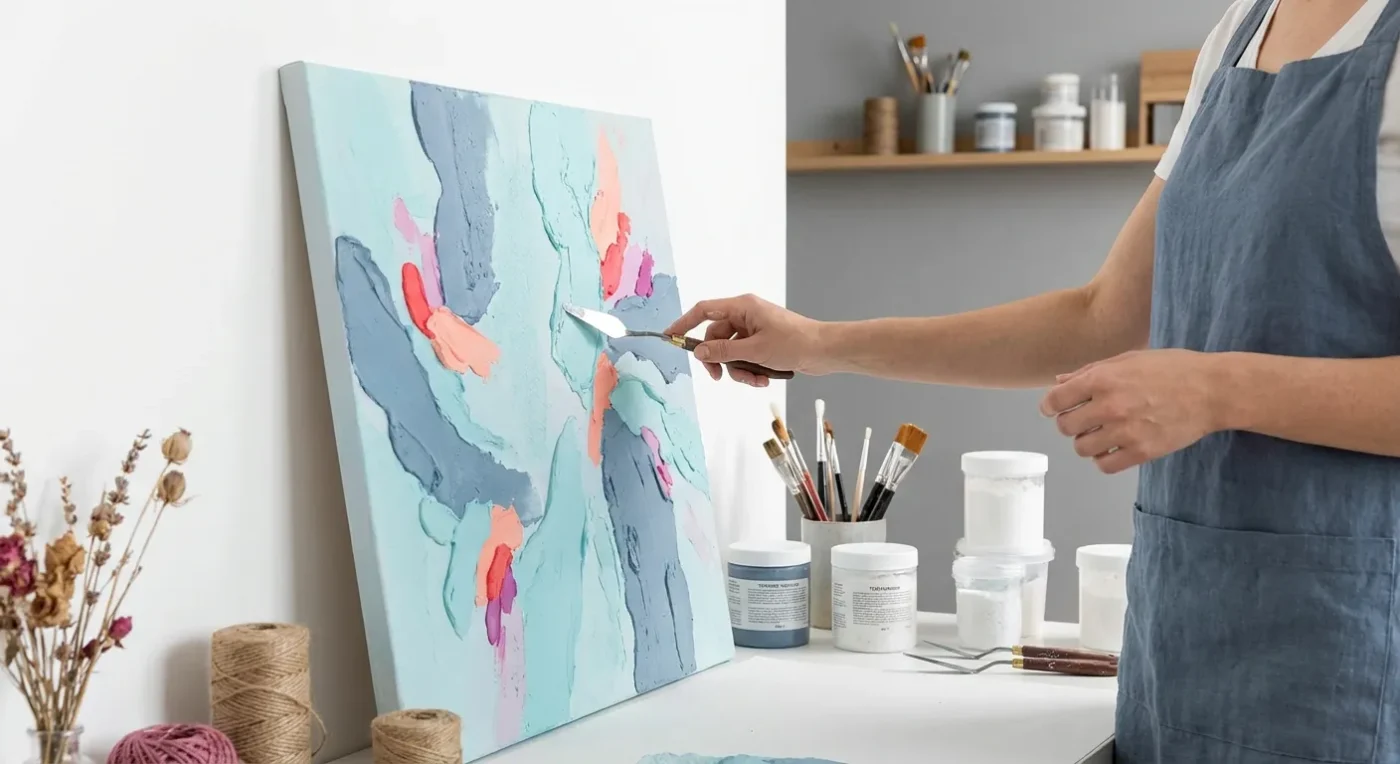

In the vibrant world of decorative and folk art, visual appeal often lies in more than just color and form. A significant trend emerging in 2025-2026 is the rise of “Textural Softness and Dimensionality,” blurring the lines between painting and sculpture. For hobbyist painters looking to deepen their creative confidence and expand their skillset, mastering texture in decorative art offers an exciting avenue to bring a new level of engagement and sophistication to your projects. This approach helps artists create truly unique pieces.
Why Texture Matters in Folk and Decorative Art
The current art landscape is seeing a “recalibration” towards human-made art. This movement values intuition, risk, and visible imperfections over AI perfection. Textured art inherently showcases the “human hand.” For example, layered brushstrokes, sculptural folds, and subtle raised patterns all speak to the artist’s intentional process and productive difficulty. Furthermore, this approach aligns perfectly with the spirit of folk art, which often celebrates the tactile and the handcrafted.
Adding texture creates visual interest. It invites the viewer to look closer and even imagine touching the surface. Moreover, it can transform a flat painting into a dynamic piece that interacts with light in fascinating ways. This adds depth and a sense of history to your work. Whether you’re aiming for the warm minimalism of earthy palettes or the rich layers of a Baroque revival, surface variation can dramatically enhance your artistic expression.
Practical Techniques for Adding Dimension
Achieving varied textures is simpler than you might think. It doesn’t always require specialized tools. Here are several accessible methods you can integrate into your decorative painting. These techniques will help you achieve dynamic results.
1. Impasto with Heavy Body Acrylics
- What it is: Impasto involves applying paint thickly. Brushstrokes or palette knife marks remain visible and stand proud from the surface. Heavy body acrylics are perfect for this due to their thick consistency.
- How to do it: Use a palette knife or a stiff-bristled brush to apply paint directly to your surface. Experiment with different knife angles and brush pressures. This creates varied peaks and valleys. Consequently, this technique is excellent for creating a sense of movement or emphasizing specific elements like flower petals or architectural details.
2. Using Texture Mediums
- What they are: These are gels and pastes specifically designed to add bulk and texture to your paint. Examples include modeling paste, heavy gel medium, glass bead gel, and pumice gel.
- How to do it: Mix these mediums directly with your acrylic paints. Alternatively, apply them first and then paint over once dry. Modeling paste is fantastic for creating sculptural, relief-like effects. Meanwhile, glass bead gel adds a unique, granular sparkle. These allow for highly controlled and varied textures, from subtle grit to dramatic three-dimensional forms.
3. Found Object Impressions and Stenciling
- What it is: This method involves pressing objects into wet paint or texture medium. Stenciling is also used to create raised patterns.
- How to do it: Gather everyday items like lace, burlap, crumpled foil, or even leaves. Press them gently into a layer of wet modeling paste or thick paint. Carefully lift them to reveal an imprinted design. For stenciling, apply texture medium through a stencil with a palette knife. Lift the stencil while the medium is still wet for crisp lines. This is a creative way to achieve unique surface interest.
4. Layering and Glazing for Depth
While not strictly about physical texture, layering and glazing contribute significantly to perceived depth. This technique involves applying thin, translucent layers of paint over dried layers. Each layer subtly alters the color and tone beneath it, creating an illusion of depth and richness. For instance, in folk art, this can bring a historical feel to your pieces. Explore Crafting Vibrant Hues: Understanding Folk Art Color Palettes for more on color application.
5. Incorporating Mixed Media Elements
Do not limit yourself to paint alone. Consider embedding small, lightweight objects directly into your wet paint or texture medium. Sand, fine glitter, fabric scraps, or even small beads can add unexpected tactile elements. This transforms your artwork into a multi-sensory experience. Always ensure your chosen elements are suitable for long-term adhesion.
Choosing the Right Tools for Textured Art
The right tools can make a significant difference in achieving your desired textural effects. Here’s a brief guide to essential items:
- Palette Knives: These are indispensable for impasto and applying mediums. They come in various shapes and sizes, each offering unique mark-making possibilities.
- Stiff-Bristled Brushes: Hog bristle brushes or synthetic equivalents are excellent for pushing thick paint around and creating distinct brushstrokes.
- Textured Rollers or Stamps: Beyond stencils, consider textured rollers (like those used for faux finishes) or rubber stamps for repeating patterns.
- Substrates: Canvas, wood panels, or even thick watercolor paper can all handle texture. However, stronger, rigid surfaces like wood or hardboard are often preferred for very heavy applications.
Remember, experimentation is key. Do not be afraid to try different tools and see what results you achieve. The process of mastering texture in decorative art is one of joyful discovery.
Integrating Texture into Your Folk Art Projects
Texture can enhance nearly any folk art subject. Consider these applications:
- Animal Fur or Feathers: Use impasto to create realistic, tactile fur on painted animals or soft, fluffy feathers on birds.
- Architectural Details: Raised modeling paste can simulate brickwork, stone, or intricate carvings on painted houses or structures.
- Botanical Elements: Give leaves and flower petals a three-dimensional quality. This makes them appear to pop off the canvas.
- Backgrounds: Even subtle textured backgrounds can add interest without distracting from the main subject. Try a light layer of pumice gel for a grainy, earthy feel.
By thoughtfully applying these techniques, you can elevate your projects. This makes them truly stand out. It is all part of mastering texture in decorative art.
The Emotional Impact of Tactile Art
Beyond visual appeal, tactile art evokes a deeper emotional response. The physical presence of texture invites viewers to engage more intimately with the piece. It suggests a story of creation, a journey of the artist’s hands. This resonance aligns perfectly with the authentic, heartfelt nature of folk art. When you develop texture in your work, you’re not just creating an image; you’re crafting an experience. This experience speaks to the human desire for connection and authenticity. For more ideas on finding your unique artistic voice, explore Where to Find Folk Art Inspiration: Everyday Discoveries.
Common Pitfalls and How to Avoid Them
While exploring dimensional painting is exciting, a few common issues can arise. Understanding these can save you frustration:
- Cracking: Applying very thick layers of acrylic paint or medium too quickly can lead to cracking as it dries. To prevent this, build up layers gradually. Allow each layer to dry thoroughly. Additionally, use mediums specifically designed for thick applications, such as heavy gel medium or modeling paste.
- Uneven Drying: Thick areas will dry slower than thin ones. This is natural. Ensure adequate ventilation and patience. Do not rush the drying process by applying heat, as this can also lead to cracking or warping.
- Overuse of Texture: While texture is wonderful, too much can overwhelm a piece. Use it strategically to highlight focal points or create balance. Consider areas of smooth paint to provide visual rest.
- Weight Concerns: Very heavy applications of texture, especially with mediums, can add significant weight to your artwork. This is particularly true if you are working on flexible substrates. Choose sturdy supports like cradled wood panels for substantial relief work.
Addressing these points will ensure a smoother creative process. It contributes to successful outcomes when adding texture to paintings.
Expanding Your Textural Vocabulary
Once you are comfortable with basic techniques, consider these advanced approaches:
- Sgraffito: This technique involves scratching through a top layer of wet paint to reveal a contrasting color or texture underneath. It creates sharp, incised lines and patterns.
- Collage with Textured Materials: Incorporate actual textured materials like handmade paper, fabric, or dried natural elements directly into your composition. Use a strong adhesive medium to secure them.
- Building Armatures: For truly sculptural effects, build a lightweight armature (a skeletal framework) beneath your texture medium. This creates dramatic, free-standing forms. This is a challenging but rewarding method.
These methods allow for even greater creative freedom. They push the boundaries of traditional painting. They also help in mastering texture in decorative art.
The Evolution of Texture in Art History
Texture in art is not a new phenomenon. From the thick, expressive brushstrokes of Vincent van Gogh to the rich impasto of Rembrandt, artists have long used surface quality to convey emotion and realism. In folk art, texture often arises from the natural materials used and the handcrafted nature of the objects themselves. Think of the carved details on a wooden figure or the woven patterns in a textile. Understanding this historical context enriches your own creative journey. It connects your work to a long tradition of artistic expression. For more inspiration, consider visiting major art museums or online archives like the Metropolitan Museum of Art’s collection or the Louvre’s online collection.
Embracing Imperfection: The Heart of Textured Folk Art
In folk art, the beauty often lies in its imperfections. These are the visible signs of the human hand, the subtle variations that give each piece its unique character. When adding texture, do not strive for sterile perfection. Instead, embrace the organic flow of the medium. Allow for unexpected drips, uneven edges, and spontaneous marks. These elements contribute to the charm and authenticity of your work. They communicate a sense of warmth and genuine craftsmanship. This philosophy is central to truly mastering texture in decorative art.
As you continue your artistic journey, remember that developing surface quality is a powerful tool. It adds depth, dimension, and a unique voice to your creations. Experiment fearlessly with mediums, tools, and techniques. Allow your intuition to guide you. The results will be truly rewarding. Your artwork will not only be seen but also felt, inviting a deeper connection with your audience. We encourage you to share your textured creations with our community. Please feel free to contact us with your questions or to show off your work!
FAQ: Enhancing Your Artwork with Dimensional Elements
What types of paint are best for creating raised surfaces?
Heavy body acrylics are ideal for creating raised surfaces. Their thick consistency holds brushstrokes and palette knife marks well. Oil paints can also be used for impasto, but they have much longer drying times. Watercolors and fluid acrylics are generally not suitable for significant texture unless mixed with specific mediums.
Can I add texture to any surface?
While you can add texture to many surfaces, rigid ones like wood panels, stretched canvas, or hardboard are best. Flexible surfaces might crack the texture over time, especially with very thick applications. Always ensure your surface is properly primed to ensure good adhesion.
How do I prevent textured paint from cracking as it dries?
To prevent cracking, build up thick layers gradually, allowing each layer to dry completely before adding the next. Use acrylic mediums specifically designed for heavy applications, such as modeling paste or heavy gel medium, as these are formulated to be flexible and crack-resistant when dry. Avoid excessive heat during drying.
Are there any natural materials I can use to add texture?
Absolutely! Sand, coffee grounds, fine sawdust, or even small seeds can be mixed into acrylic paint or gel mediums to create unique natural textures. Always test a small amount first to ensure it integrates well with your paint and medium and provides the desired effect. Ensure they are clean and dry before mixing.
How does adding dimension affect the longevity of my artwork?
When done correctly, adding dimension with quality acrylic paints and mediums can enhance longevity. These materials are designed for permanence. However, extremely thick or improperly dried layers can be vulnerable to cracking or flaking. Using archival quality materials and proper techniques helps ensure your textured art lasts.
What is the difference between impasto and using texture paste?
Impasto refers to the technique of applying paint thickly so that brushstrokes are visible. It primarily uses paint. Texture paste, or modeling paste, is a medium specifically designed to add bulk and create sculptural effects. It can be used alone or mixed with paint. Both contribute to dimension, but texture paste offers greater structural stability for very high relief.