
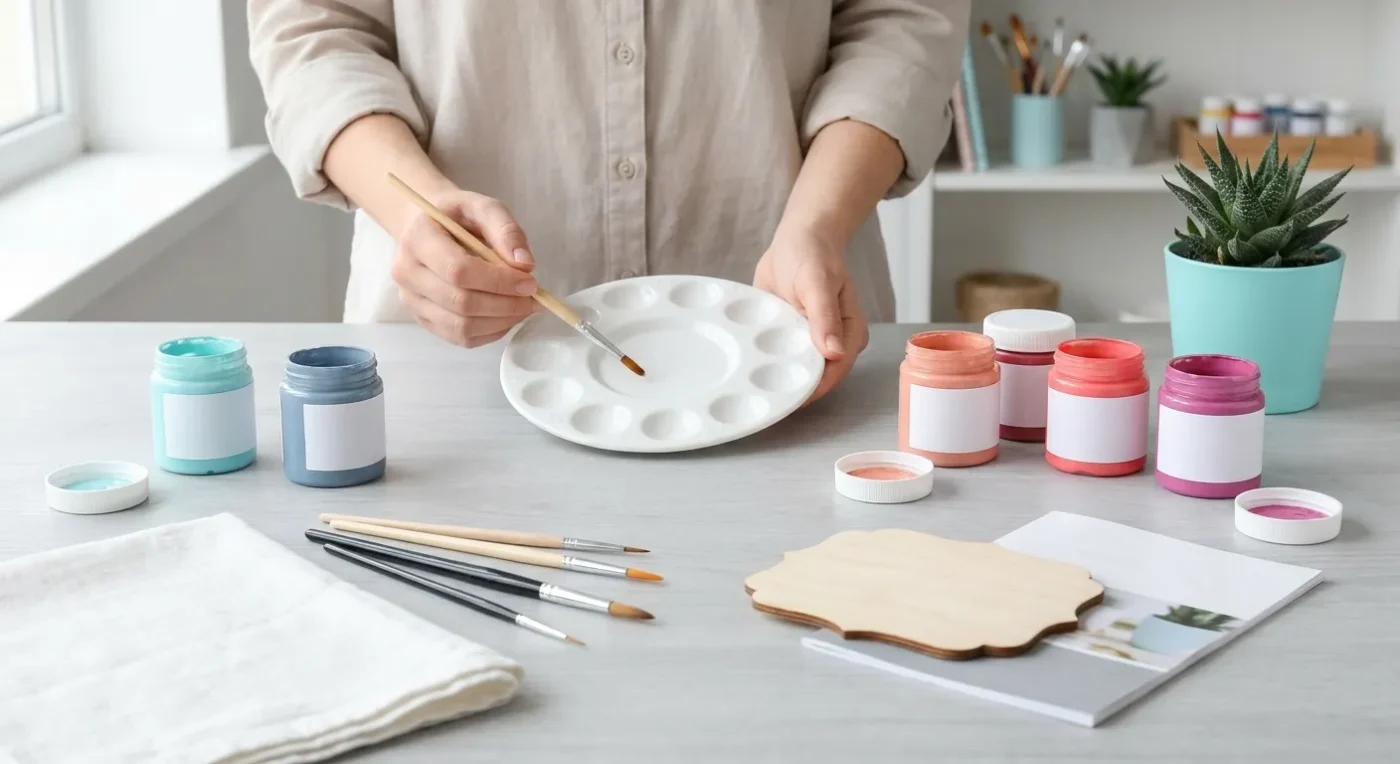

Starting your decorative painting journey is exciting, and choosing the right beginner decorative painting supplies makes all the difference. It’s easy to feel overwhelmed by the sheer volume of art materials available. However, for folk art and decorative painting, you don’t need an elaborate studio. Paint Works Mag is here to guide you through the essentials, helping you build confidence with every stroke. We’ll focus on practical, accessible tools that empower you to create beautiful projects right from the start.
Essential Paints for New Decorative Artists
For most folk art and decorative painting projects, acrylic paints are your best friend. They are water-based, dry quickly, clean up easily with water, and offer a vibrant range of colors. Look for craft acrylics, which are affordable and readily available. When starting, you don’t need dozens of colors. A basic palette of primary colors (red, blue, yellow), black, white, and perhaps a warm brown or green will allow you to mix countless hues. Consider brands that are transparent about their formulations; companies like Behr Paint are publishing Environmental Product Declarations (EPDs), reflecting a broader industry move towards product transparency and sustainability, even if craft paints aren’t always at the forefront of this, it’s a good habit to notice. For more on specific paint types, you might find our article on Mastering Glazing Techniques useful as you advance.
Brushes: Your Most Important Tools
Selecting the right brushes is crucial. For decorative painting, you’ll want a few key types:
- Flat Brushes: Great for basecoating larger areas, creating crisp lines, and blending.
- Round Brushes: Ideal for fine lines, details, dots, and scrollwork.
- Liner/Script Brushes: Very thin and long, perfect for delicate details, lettering, and continuous fine lines.
- Angle Brushes: Excellent for shading, floating color, and painting in tight corners.
Start with a small set that includes a few sizes of each type (e.g., a #4 round, a #10 flat, a 1/4″ angle, and a 00 liner). Quality matters, but you don’t need the most expensive brushes to begin. Look for synthetic brushes, which are durable and perform well with acrylics. Remember to clean your brushes immediately after use to prolong their life. Proper brush care is a cornerstone of successful painting.
Surfaces to Paint On: Where Your Creativity Comes Alive
The beauty of decorative painting is that you can paint on almost anything! For beginners, here are some excellent starting points:
- Wood Blanks: Unfinished wooden plaques, boxes, or small shapes are perfect. They’re inexpensive and provide a smooth, absorbent surface.
- Canvas Panels: Smaller canvas panels are a great way to practice without committing to a large canvas. They offer a slightly textured surface.
- Terra Cotta Pots: An easy way to decorate your home or garden. Remember to seal them before and after painting.
- Paper/Cardstock: For practicing strokes and designs, heavy-duty paper or cardstock is an eco-friendly and affordable option.
These surfaces are ideal for practicing with your initial decorative art tools. Moreover, they allow you to experiment without significant investment. Consider starting with small, manageable projects to build your confidence.
Understanding Your Beginner Decorative Painting Supplies
Navigating the world of art materials can feel daunting. However, focusing on essential beginner decorative painting supplies simplifies the process. Your goal is to gather reliable tools that support your learning and creativity. Furthermore, understanding the purpose of each item helps you make informed choices. This foundational knowledge will serve you well as you progress in your artistic journey.
Beyond the Basics: Preparing Your Workspace
A well-organized workspace enhances your painting experience. You don’t need a dedicated studio; a clear kitchen table or desk works perfectly. First, protect your surface with newspaper or an old tablecloth. Next, gather a water container for rinsing brushes (an old yogurt cup works great). You will also need paper towels or a rag for drying brushes and wiping excess paint. A simple palette, such as a ceramic plate, a plastic lid, or even wax paper, is indispensable for mixing colors. These preparatory steps ensure a smooth and enjoyable painting session. Many artists find a clean space promotes clearer thinking and better focus. For more tips on getting started, check out our Blog.
Varnishes and Sealers: Protecting Your Art
Once your beautiful folk art piece is complete and fully dry, you’ll want to protect it. Varnishes and sealers provide a durable finish, guarding against dust, moisture, and UV damage. Most craft stores offer a variety of brush-on or spray-on options. Look for clear, non-yellowing formulas. A matte, satin, or gloss finish can dramatically change the look of your finished piece, so experiment with small swatches if unsure. Applying a sealer is a crucial final step, ensuring your hard work lasts for years to come. This protective layer is a vital part of using your beginner decorative painting supplies effectively.
Miscellaneous Must-Haves for Decorative Painters
Beyond paints, brushes, and surfaces, a few other items will prove incredibly useful:
- Pencils and Erasers: For sketching designs onto your surface before painting.
- Tracing Paper and Graphite Paper: Excellent for transferring patterns accurately.
- Ruler: Useful for straight lines and measuring.
- Stylus or Dotting Tools: For creating perfect dots and small details.
- Old Toothbrush: Great for splattering techniques, adding texture.
These additional decorative art tools complement your main collection. They expand your creative possibilities and simplify various techniques. Building your collection gradually is a smart approach, adding items as your skills and project needs evolve. Remember, every tool has a purpose in bringing your vision to life.
Choosing Quality Beginner Decorative Painting Supplies
While affordability is often a concern for beginners, investing in reasonably good quality beginner decorative painting supplies can prevent frustration. Cheap brushes, for instance, may shed bristles into your paint or lose their shape quickly. Similarly, very thin paints might require many coats to achieve opacity. Balance cost with usability. Read reviews, consult fellow artists, and remember that a slightly higher initial investment can save money and headaches in the long run. Good quality tools make the learning process much smoother and more enjoyable. It’s about finding the sweet spot where quality meets value, ensuring your artistic endeavors are supported by reliable materials.
Expanding Your Decorative Art Tools Collection
As you gain experience, you might want to explore additional decorative art tools. Perhaps you’ll try specialty mediums like crackle paste, texture gels, or metallic paints. Airbrushing tools or stencils might also pique your interest for specific effects. However, resist the urge to buy everything at once. Focus on mastering your initial set of beginner decorative painting supplies. Then, gradually add new items as your projects demand them. This approach ensures you understand each tool’s function and truly need it. Building a thoughtful collection supports continuous growth in your artistic journey. For inspiration on using different materials, consider how to transform items with paint, as discussed in From Drab to Fab: Upcycling Everyday Objects with Decorative Paint.
Learning Resources and Community for New Artists
Beyond gathering your physical decorative art tools, connecting with learning resources and a community can greatly accelerate your progress. Paint Works Mag offers numerous guides and project ideas. Additionally, YouTube tutorials, online courses, and local craft classes provide invaluable instruction. Don’t hesitate to join online forums or social media groups dedicated to decorative painting. Sharing your work, asking questions, and seeing others’ creations can be incredibly motivating. This sense of community, combined with your new beginner decorative painting supplies, creates a powerful foundation for artistic development. Remember, every master was once a beginner. Embrace the learning process!
Caring for Your Beginner Decorative Painting Supplies
Proper care extends the life of your art materials and ensures they perform well project after project. Always clean your brushes immediately after use with soap and water, reshaping the bristles before storing them flat or upright. Keep your paint tubes and bottles tightly sealed to prevent drying out. Store surfaces in a dry, stable environment to prevent warping. Maintaining your decorative art tools not only saves money but also ensures they are always ready when inspiration strikes. This simple habit is essential for any artist, regardless of their experience level. Furthermore, it allows you to focus on painting, not on replacing damaged equipment.
Where to Find Your Beginner Decorative Painting Supplies
You can find decorative art tools at various retailers. Local craft stores like Hobby Lobby, Michaels, or Joann Fabrics are excellent starting points. Online retailers such as Amazon, Blick Art Materials, or Jerry’s Artarama offer a wider selection and often competitive prices. Don’t overlook smaller, independent art supply shops; they often provide expert advice and unique products. When shopping, compare prices and look for sales. Building your initial collection of beginner decorative painting supplies is a fun part of the process. Always check for quality and suitability for your projects. Remember, many online purchases may be subject to our Amazon Affiliate Disclaimer.
Conclusion: Your Creative Journey Begins
Embarking on decorative painting is a rewarding adventure. With the right beginner decorative painting supplies, you are well-equipped to bring your artistic visions to life. Start simple, practice regularly, and don’t be afraid to experiment. Remember, folk art painting is about enjoyment and personal expression. Paint Works Mag is delighted to support you on every step of your creative path. Happy painting!
FAQ: Getting Started with Folk Art Painting
What are the most essential items for a new decorative painter?
For a new decorative painter, the most essential items include a basic set of acrylic paints (primary colors, black, white), a few key brushes (flat, round, liner, angle), and some simple surfaces like wood blanks or canvas panels. These foundational items allow you to begin practicing techniques right away.
How do I choose the right brushes for decorative art?
When choosing brushes for decorative art, focus on synthetic bristles as they work well with acrylics. Start with a small variety: a flat brush for basecoating, a round brush for details, a liner for fine lines, and an angle brush for shading. Over time, you can expand your collection based on your specific project needs.
Can I really paint on anything with these initial materials?
Decorative painting is incredibly versatile! While you can paint on many surfaces, beginners should start with prepared wood, canvas panels, or terra cotta pots. These surfaces are easy to work with and provide a good foundation for learning. Always ensure surfaces are clean and dry before applying paint.
What’s the best way to clean and care for my painting tools?
To care for your painting tools, clean brushes immediately after use with soap and water, then reshape them before storing. Keep paint containers tightly sealed to prevent drying. Proper care significantly extends the lifespan of your art materials, ensuring they are ready for your next project.
Where can I find patterns and project ideas for folk art?
You can find numerous patterns and project ideas for folk art from various sources. Paint Works Mag offers many guides. Additionally, art books, online tutorials (like YouTube), and local craft classes are excellent resources. Joining online communities for decorative painters can also provide inspiration and support.