
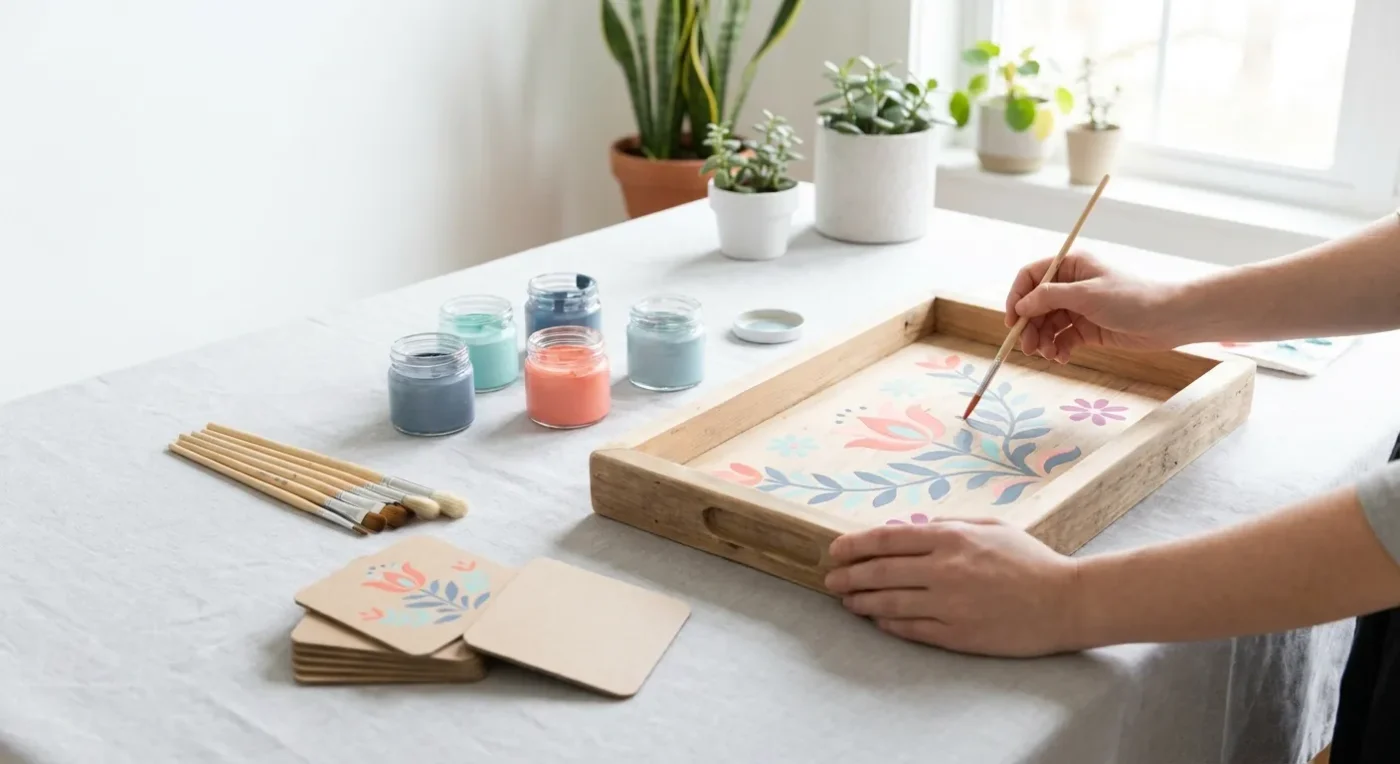

In an era where sustainability is paramount, hobbyist painters and DIY crafters are increasingly seeking ways to align their passion with eco-conscious practices. Discover how to apply beautiful folk art on eco-friendly surfaces, transforming everyday items into unique, sustainable home decor. This approach not only champions environmental responsibility but also adds a deeply personal touch to your living space, making your creations both beautiful and responsible.
Why Choose Sustainable Surfaces for Your Folk Art?
The global emphasis on sustainability, driven by initiatives like the European Green Deal and growing consumer demand, has fundamentally shifted expectations in the painting and coatings industry. Low or zero-VOC (Volatile Organic Compound) paints and bio-based solutions are no longer niche products but a baseline expectation. By choosing eco-friendly surfaces and paints, you contribute to:
- Improved Indoor Air Quality: Low-VOC paints minimize harmful emissions, creating a healthier environment.
- Reduced Waste: Upcycling and repurposing materials divert items from landfills.
- Support for Sustainable Practices: You’re part of a larger movement towards responsible manufacturing and consumption.
- Unique Aesthetic: Eco-friendly materials often have natural textures and imperfections that add character to your folk art.
Ideal Eco-Friendly Surfaces for Folk Art
The beauty of sustainable crafting lies in its versatility. Many materials can be given a new lease on life with a touch of folk art. Here are a few favorites:
Reclaimed Wood
Old pallet wood, discarded fence planks, or even forgotten wooden cutting boards can become canvases. Their weathered texture and natural grain add a rustic charm that complements folk art motifs beautifully.
- Preparation: Lightly sand to remove splinters and rough patches. Clean thoroughly. If necessary, apply a thin coat of eco-friendly primer.
- Folk Art Application: Use traditional floral, geometric, or animal motifs. The wood grain can be incorporated into your design for added depth.
Cork
Cork is an incredibly sustainable material, renewable and biodegradable. Cork coasters, placemats, or even wall tiles offer a unique, soft surface for painting.
- Preparation: Cork is generally ready to paint, but ensure it’s clean and free of dust.
- Folk Art Application: Its absorbent nature makes it excellent for intricate details. Consider Scandinavian-inspired patterns or simple botanical designs using water-based paints.
Upcycled Terracotta Pots
Give old or plain terracotta pots a vibrant makeover. This is a classic DIY project that breathes new life into garden essentials.
- Preparation: Clean pots thoroughly, removing any dirt or residue. For outdoor use, consider sealing the inside with a non-toxic sealer to prevent moisture from seeping through and damaging your artwork.
- Folk Art Application: Bright colors and bold patterns work wonderfully here. Think Pennsylvania Dutch or Mexican Talavera-inspired designs.
Glass Jars and Bottles
Repurpose old jam jars, wine bottles, or sauce containers into decorative vases, candle holders, or storage. Painting on glass offers a smooth, non-porous surface.
- Preparation: Wash thoroughly with soap and water. Ensure the glass is completely dry. Use an adhesion promoter if your paint requires it for glass.
- Folk Art Application: Reverse painting techniques or vibrant, opaque designs look stunning. Consider using transparent or frosted paints for a unique effect.
Natural Fabrics (Linen, Cotton, Jute)
Transform plain tote bags, cushion covers, or even old denim into wearable or functional art. Painting on natural fabrics is an excellent way to personalize textiles.
- Preparation: Wash and iron the fabric. Place a barrier (like cardboard) inside bags or cushions to prevent bleed-through.
- Folk Art Application: Fabric paints are ideal here. Explore embroidery-inspired patterns or block print designs.
Choosing Your Eco-Friendly Paints and Tools
Selecting the right materials is crucial for successful and sustainable decorative painting. Many options are available today that prioritize both performance and environmental responsibility.
Low-VOC and Non-Toxic Paints
The market for eco-friendly paints has expanded significantly. Look for acrylics, chalk paints, or milk paints labeled as low-VOC or zero-VOC. These paints reduce harmful fumes and make for a healthier crafting environment. Furthermore, water-based options are generally easier to clean up and less toxic than oil-based alternatives. For specific applications, such as painting on fabric, ensure you choose paints designed for that surface. Always read product labels to confirm their environmental credentials and safety information.
Sustainable Brushes and Tools
Your tools can also contribute to a greener practice. Consider brushes made with recycled materials or sustainable bamboo handles. Cleaning brushes properly extends their life, reducing the need for frequent replacements. Biodegradable sponges and cloths are also excellent choices for preparation and cleanup. For example, using a natural sea sponge can provide unique textures in your painting and is a renewable resource. Investing in quality, durable tools means they last longer, minimizing waste.
Techniques for Applying Folk Art on Eco-Friendly Surfaces
Applying traditional folk art styles to various eco-friendly materials requires adapting your techniques slightly. Here’s how to achieve beautiful results.
Surface Preparation is Key
Regardless of the material, proper preparation ensures paint adhesion and longevity. For wood, sanding and cleaning are essential. For terracotta, a good scrub and dry are usually sufficient. Glass often benefits from a thorough cleaning with rubbing alcohol to remove oils. Fabrics should be pre-washed. Taking these initial steps ensures your intricate designs of decorative painting adhere correctly and last for years to come. This foundational work truly makes a difference in the final outcome of your project.
Layering and Detailing
Many folk art styles involve layering colors and adding fine details. When working with porous surfaces like wood or cork, apply thin, even coats to prevent paint from soaking in too quickly. Use fine-tipped brushes for intricate patterns and outlines. For example, if you are painting a floral motif, start with a base color for the petals, then add darker shades for depth, and finally, use a very fine brush for veins and highlights. Mastering these layering techniques can greatly enhance the visual appeal of your sustainable home decor pieces. You can find more tips on achieving luminous depth in your art by exploring Mastering Glazing Techniques on our site.
Sealing for Durability
Once your folk art is complete and dry, sealing it is often necessary, especially for items that will be handled frequently or exposed to the elements. Choose eco-friendly, non-toxic sealers or varnishes. Water-based polyurethanes are excellent for wood, while spray sealers designed for glass or ceramic provide a durable finish. Always ensure your sealer is compatible with your chosen paint type. This final step protects your beautiful designs and ensures your sustainable creations remain vibrant over time. Consider how the finish will affect the overall look; matte sealers offer a subdued look, while gloss sealers enhance color vibrancy.
Inspiring Folk Art Motifs for Sustainable Decor
Folk art is rich with symbolism and diverse motifs. Adapting these to eco-friendly items allows for endless creativity.
Traditional Floral Designs
Flowers are a cornerstone of many folk art traditions, from Scandinavian rosemaling to Mexican papel picado. These designs translate beautifully to reclaimed wood, terracotta pots, and even fabric. Consider stylized roses, tulips, or whimsical wildflowers. Their organic forms naturally complement the textures of sustainable materials. For instance, painting a cluster of vibrant poppies on an upcycled wooden tray brings a touch of nature indoors. The beauty of these designs lies in their simplicity and charm, making them accessible for artists of all levels.
Geometric Patterns
From Pennsylvania Dutch hex signs to Native American patterns, geometric designs offer a striking contrast on natural materials. These patterns can be bold and colorful or subtle and monochromatic. They work exceptionally well on cork coasters, providing a contemporary twist to traditional motifs. Try creating repeating patterns using triangles, squares, and circles. Precision is key here, so using stencils or masking tape can help achieve crisp lines. This style of decorative painting can add a modern flair to your eco-conscious projects.
Animal and Nature Motifs
Birds, deer, fish, and other creatures often feature prominently in folk art, symbolizing various aspects of nature and life. Painting these on upcycled items, such as old wooden boxes or glass jars, connects your decor to the natural world. Incorporate leaves, trees, and other natural elements to create a cohesive scene. For example, a whimsical squirrel gathering acorns on a reclaimed wood plaque can evoke a sense of warmth and natural beauty. These motifs are particularly fitting for projects focused on sustainable living, celebrating our connection to the environment.
The Broader Impact of Folk Art on Eco-Friendly Surfaces
Choosing to create folk art on eco-friendly surfaces extends beyond personal enjoyment. It contributes to a larger movement that values sustainability, craftsmanship, and mindful consumption. Every piece you create is a statement, demonstrating that beauty and environmental responsibility can coexist harmoniously.
Encouraging Upcycling and Repurposing
By transforming discarded items into works of art, you actively participate in reducing waste. This practice encourages others to see the potential in items that might otherwise end up in landfills. It shifts the mindset from disposable to durable, from mass-produced to handcrafted. For more ideas on transforming everyday objects, visit our article on From Drab to Fab: Upcycling Everyday Objects with Decorative Paint. This fosters a circular economy where resources are reused and valued, rather than consumed and discarded.
Supporting Sustainable Art Practices
Your choice of eco-friendly paints and materials supports companies committed to sustainable manufacturing. This demand encourages further innovation in green products within the art and craft industry. It creates a positive feedback loop, where conscious consumers drive the market towards more responsible options. Moreover, sharing your creations and process can inspire others to adopt similar sustainable habits. This collective effort strengthens the sustainable art movement, making it more mainstream and accessible.
Personal Expression and Well-being
Engaging in creative activities, especially those with a positive impact, can significantly boost well-being. The act of transforming something old into something new and beautiful is deeply satisfying. It allows for personal expression, reduces stress, and provides a sense of accomplishment. Furthermore, creating items for your home imbues your living space with personal history and meaning, making it truly unique. The process of creating folk art on eco-friendly surfaces is not just about the final product; it’s about the journey of mindful creation.
Where to Find Eco-Friendly Materials
Finding materials for your next project of folk art on eco-friendly surfaces is often easier than you think. Start by looking around your home. Old furniture, forgotten kitchenware, and even used packaging can be reimagined. Local thrift stores, antique shops, and salvage yards are treasure troves of unique items waiting for a new purpose. Many online retailers also specialize in sustainable craft supplies, from reclaimed wood planks to natural fiber fabrics. Furthermore, community groups and online marketplaces can be excellent resources for finding free or low-cost materials. Always ensure any materials you source are clean and safe to work with. Remember, the goal is to give new life to items, not to introduce new hazards.
For instance, consider checking with local construction sites for discarded wood scraps, often available for free. Similarly, ask friends and family if they have old items they plan to discard. This not only provides you with materials but also helps reduce their waste. When purchasing new materials, prioritize brands with clear sustainability practices. Look for certifications that guarantee responsible sourcing and manufacturing. This conscious approach to material acquisition is integral to creating true folk art on eco-friendly surfaces.
Maintaining Your Sustainable Folk Art Creations
Once you’ve poured your heart into creating beautiful folk art on eco-friendly surfaces, proper maintenance ensures their longevity. The care required will depend on the materials used and the item’s function.
Cleaning and Protection
For most painted items, a gentle wipe with a damp cloth is sufficient. Avoid harsh chemicals or abrasive cleaners, which can damage the paint or sealer. If your piece is sealed with a durable varnish, it will offer better protection against minor scratches and moisture. For items like painted terracotta pots used outdoors, occasional re-sealing might be necessary, especially if exposed to harsh weather. Similarly, painted fabric items should be hand-washed gently or spot cleaned to preserve the artwork. Always refer to the specific care instructions for the paints and sealers you used. Protecting your creations means they can be enjoyed for many years to come, a testament to sustainable craftsmanship.
Displaying Your Art Mindfully
Consider where and how you display your sustainable folk art. Placing items away from direct sunlight can prevent fading over time. For painted wooden pieces, maintaining a stable humidity level can prevent warping or cracking. Displaying your pieces prominently not only showcases your talent but also serves as a conversation starter about the importance of sustainable living and creative reuse. Your creations of folk art on eco-friendly surfaces can inspire others to embrace similar practices, extending the positive impact of your work. This thoughtful display truly enhances the aesthetic and ethical value of your home decor.
Conclusion
Creating folk art on eco-friendly surfaces is a rewarding journey that blends artistic expression with environmental responsibility. By choosing sustainable materials and practices, you not only craft unique, meaningful pieces for your home but also contribute to a healthier planet. From reclaimed wood to upcycled glass, the possibilities are endless for transforming everyday items into cherished works of art. Embrace this mindful approach to painting, and let your creativity flourish in harmony with nature. Your commitment to sustainable decorative arts truly makes a difference, one brushstroke at a time. We encourage you to explore more of our resources and share your sustainable art projects with the Paint Works Mag community. Feel free to contact us with your success stories or questions.
FAQ
What types of paints are best for sustainable art projects?
For sustainable art projects, low-VOC (Volatile Organic Compound) or zero-VOC paints are ideal. Water-based acrylics, chalk paints, and milk paints are excellent choices. These options minimize harmful fumes and are generally safer for both you and the environment. Always check labels for environmental certifications.
How can I find eco-friendly materials for painting?
You can find sustainable materials by looking at items you already own for upcycling, like old furniture or glass jars. Thrift stores, antique shops, and salvage yards are also great sources. Additionally, many online retailers specialize in sustainable craft supplies, offering everything from reclaimed wood to natural fabrics.
Is surface preparation different for natural materials?
Yes, surface preparation can vary. Reclaimed wood often needs sanding and cleaning. Terracotta pots require thorough cleaning. Glass should be degreased, often with rubbing alcohol. Fabrics need pre-washing. Proper preparation ensures good paint adhesion and the longevity of your painted designs.
What are some popular folk art motifs for sustainable home decor?
Popular motifs include traditional floral designs, such as stylized roses or tulips. Geometric patterns, like those found in Pennsylvania Dutch art, are also common. Animal and nature motifs, depicting birds, deer, or trees, are frequently used. These designs adapt well to a variety of eco-conscious surfaces.
How do I protect my painted eco-friendly items?
To protect your finished art, apply an eco-friendly, non-toxic sealer or varnish. Water-based polyurethanes are good for wood, while specific spray sealers work well for glass or ceramics. For fabric items, gentle hand-washing or spot cleaning is recommended. This helps ensure your creations last.