
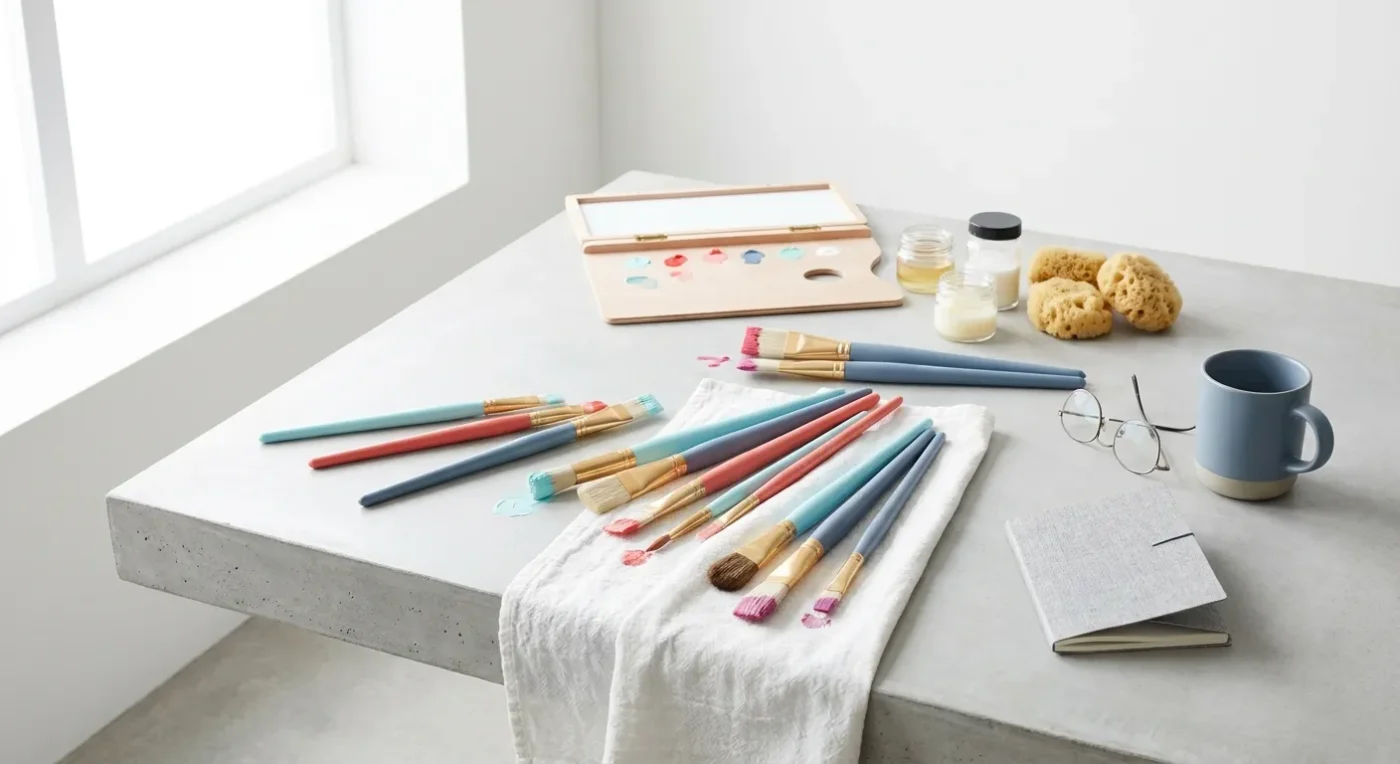

Selecting the right tools is fundamental to any craft, and decorative painting is no exception. Understanding how to choose the best decorative art brushes can significantly enhance your painting experience and the quality of your finished artwork. From fine details to broad strokes, each brush type serves a unique purpose. This guide will help you navigate the array of options, ensuring you pick the perfect brushes for your folk art and decorative painting endeavors.
Understanding Brush Types and Their Uses
Decorative painting often calls for a variety of brush shapes and sizes. Round brushes are excellent for outlines, lettering, and intricate details, offering precision with their fine tips. Flat brushes, on the other hand, are ideal for filling in larger areas, creating crisp edges, and executing various stroke techniques like the comma stroke. Liner brushes, with their long, thin bristles, are perfect for continuous lines, scrolls, and delicate filigree work. Angle brushes allow for versatile strokes, from sharp lines to shaded curves, depending on how they are held and loaded with paint. Lastly, wash brushes are great for applying large, even coats of color or washes.
When considering the best decorative art brushes, also pay attention to the bristle material. Synthetic bristles are popular for acrylics and watercolors due to their durability and ability to hold shape, while natural hair brushes are often favored for oils for their paint-holding capacity. For decorative painting with acrylics, high-quality synthetic brushes are generally recommended as they offer a good balance of stiffness and flexibility. Invest in a few core shapes and sizes, and you’ll be well-equipped to tackle a wide range of decorative painting techniques.
Essential Brush Shapes for Folk Art Painting
Folk art painting, with its charming details and distinctive strokes, relies heavily on specific brush shapes. For instance, the round brush is indispensable for creating dots, scrollwork, and fine lines. Many traditional folk art patterns feature delicate flourishes, making a good quality round brush a must-have. Similarly, flat brushes are crucial for blocking in colors and executing bold, defined strokes. They are particularly useful for creating petals or leaves in a single stroke.
Furthermore, liner brushes are excellent for adding intricate details and continuous, flowing lines, which are hallmarks of many folk art styles. Think of the delicate tendrils or fine outlines seen in Rosemaling. Angle brushes, conversely, offer flexibility for both sharp edges and broad sweeps, making them versatile for various decorative elements. Therefore, having a selection of these fundamental brush types is key to successful folk art projects. These tools truly enable the unique characteristics of this art form.
Choosing Bristle Material: Natural vs. Synthetic
The material of your brush bristles significantly impacts paint application and brush performance. Natural hair brushes, such as sable or squirrel, are known for their softness and excellent paint-holding capacity. They are often preferred for watercolor and oil paints because they release paint smoothly and evenly. However, natural bristles can be delicate and may not hold up as well to the rigorous demands of acrylic painting, especially with thicker paints.
Synthetic brushes, conversely, are typically made from nylon or polyester filaments. These bristles are durable, resilient, and maintain their shape exceptionally well, even after repeated use. They are ideal for acrylic paints, which are commonly used in decorative arts, as they offer a good snap and spring. Additionally, synthetic brushes are easier to clean and tend to be more affordable. For these reasons, many artists find them to be the best decorative art brushes for their everyday projects. It is wise to consider the paint medium you primarily use when making your selection.
Sizes Matter: Selecting the Right Brush Dimensions
Just as important as brush shape and material is brush size. Brushes are typically numbered, with smaller numbers indicating finer brushes and larger numbers indicating broader ones. For detailed work in decorative painting, you will often reach for smaller sizes, such as 0, 1, or 2, especially when creating intricate patterns or fine lines. Mastering Rosemaling strokes, for example, often requires very fine brushes for delicate scrollwork. Conversely, for filling in larger areas or applying washes, bigger brushes like a size 8 or 10 flat brush will be more efficient. It is important to have a range of sizes to handle different aspects of your project.
Consider the scale of your artwork. A large wall mural will naturally require much larger brushes than a small decorative box. Therefore, assess your project’s scope before gathering your tools. Many artists find it beneficial to have a core set of brushes in varying sizes to accommodate different tasks. This approach ensures you are always prepared, whether you are working on a tiny detail or a broad background wash. Having the right size brush makes a significant difference in control and precision.
Caring for Your Decorative Art Brushes
Proper care is essential for extending the life of your brushes and maintaining their performance. After each painting session, clean your brushes thoroughly. For acrylics, rinse them with water and a mild soap until all paint residue is removed. Avoid letting paint dry in the bristles, especially near the ferrule (the metal part connecting the bristles to the handle), as this can damage the brush. Gently reshape the bristles after washing and allow them to air dry flat or brush-side up to prevent water from seeping into the ferrule.
Storing brushes properly is also crucial. Keep them in a brush roll, a container with the bristles protected, or standing upright with the bristles facing up. Never store brushes resting on their bristles, as this can cause them to bend and lose their shape. With consistent care, your collection of the best decorative art brushes will serve you well for many years. This diligent maintenance ensures they remain in optimal condition for all your creative endeavors.
Specialty Brushes for Unique Effects
Beyond the fundamental shapes, several specialty brushes can add unique textures and effects to your decorative art. Fan brushes, for instance, are excellent for blending colors, creating subtle gradients, or simulating natural textures like grass or fur. Stippling brushes, with their short, stiff bristles, are perfect for creating dotted patterns or adding texture to surfaces. These brushes are particularly useful when you want to create a distressed look or a specific tactile quality in your work.
Another specialty brush is the deerfoot stippler, which creates a soft, mottled effect, often used for foliage or soft textures. Mop brushes, large and soft, are fantastic for softening edges, blending, and applying gentle washes without leaving harsh brushstrokes. While not always necessary for beginners, exploring these specialty brushes can significantly expand your artistic repertoire and allow for more intricate and varied techniques. They truly open up new possibilities for creative expression in decorative painting.
Building Your Core Brush Collection
For beginners, starting with a comprehensive yet manageable set of brushes is often the best approach. A good core collection should include a few round brushes in small and medium sizes (e.g., 0, 3, 6), a couple of flat brushes (e.g., 1/4 inch, 1/2 inch), and at least one liner brush (e.g., 10/0 or 0). An angle brush (e.g., 1/4 inch) is also highly recommended for its versatility. This selection provides a solid foundation for most decorative painting projects and allows you to experiment with various techniques without feeling overwhelmed. Many artists consider these to be the best decorative art brushes to begin with.
As you gain experience, you can gradually expand your collection, adding specialty brushes or different sizes as your specific needs and interests evolve. Consider what types of projects you enjoy most. For instance, if you frequently paint on fabric, you might explore brushes specifically designed for textile paints. Similarly, if you delve into drawing inspiration from historical folk art patterns, you might find certain traditional brush shapes particularly useful. Remember, quality over quantity is often a wise principle when building your toolkit.
The Importance of Quality in Decorative Art Brushes
Investing in good quality brushes is a crucial step for any decorative artist. While it might be tempting to opt for cheaper alternatives, low-quality brushes often shed bristles, lose their shape quickly, and do not hold or release paint effectively. This can lead to frustration and hinder your artistic progress. High-quality brushes, on the other hand, offer superior control, smoother paint application, and greater durability. They maintain their integrity over time, making your painting experience more enjoyable and your results more professional. In fact, many experienced artists attest that quality brushes are among the best decorative art brushes you can acquire.
A well-made brush will snap back to its original shape, allowing for precise strokes and consistent results. It will also feel balanced in your hand, providing a comfortable grip during long painting sessions. While they may represent a larger initial investment, the longevity and performance benefits of quality brushes far outweigh the cost. Think of them as an investment in your artistic journey. A good brush truly becomes an extension of your hand, enabling greater creative expression.
Understanding Brush Handles and Ferrules
Beyond the bristles, the handle and ferrule of a brush also contribute to its overall quality and usability. Brush handles are typically made from wood or acrylic and come in various lengths. Shorter handles are often preferred for close-up, detailed work, while longer handles are better for painting on larger surfaces or when you need to maintain a greater distance from your canvas. The balance of the handle in your hand is important for comfort and control, especially during extended painting sessions.
The ferrule, the metal band that connects the bristles to the handle, plays a critical role in holding the bristles securely and maintaining the brush’s shape. High-quality ferrules are typically made from nickel-plated brass or copper, which resists rust and corrosion. They should be tightly crimped to prevent wobbling or separation. A loose ferrule can lead to shedding bristles and a loss of control, compromising the performance of even the best art brushes. Therefore, inspect these components when selecting your tools.
Exploring Different Brands and Their Offerings
Many reputable brands specialize in producing high-quality art brushes suitable for decorative painting. Brands like Princeton, Winsor & Newton, Da Vinci, and Royal & Langnickel are well-regarded in the art community. Each brand may offer brushes with slightly different characteristics in terms of bristle blend, handle design, and ferrule construction. It is often beneficial to try brushes from a few different manufacturers to discover which ones best suit your personal painting style and preferences. You might find that one brand’s liner brush feels more comfortable or performs better for your specific techniques.
Reading reviews and seeking recommendations from other decorative artists can also be helpful in identifying popular and reliable options. Many art supply stores also allow you to test brushes, providing an opportunity to feel their snap and spring before purchasing. Ultimately, finding the best decorative art brushes for you is a personal journey of discovery. Don’t hesitate to experiment with different brands until you find your perfect match. Your unique artistic touch deserves the right tools.
When to Replace Your Brushes
Even with the best care, brushes eventually wear out and need to be replaced. Signs that a brush needs retirement include splayed or permanently bent bristles, a loose ferrule, or excessive shedding. When a brush no longer holds its shape or applies paint smoothly, it’s time to invest in a new one. Continuing to use a worn-out brush can lead to frustration and compromise the quality of your artwork. Therefore, regularly assess the condition of your brushes.
Replacing brushes as needed ensures that you always have reliable tools at hand, allowing you to maintain consistency in your work. It’s a small investment that makes a big difference in your overall painting experience and the professional finish of your pieces. Remember, your tools are an extension of your artistic vision, so keeping them in top condition is paramount. This practice ensures you consistently have the best decorative art brushes available.
Brush Sets vs. Individual Brushes
When starting out, many artists consider purchasing a brush set. These sets often provide a variety of shapes and sizes at a good value, making them a convenient option for building a foundational collection. However, as you advance, you might find that you use some brushes in the set more than others, or that specific individual brushes offer superior quality for certain tasks. Therefore, buying individual brushes allows you to tailor your collection precisely to your needs and preferences, focusing on the shapes and sizes you use most frequently.
For example, if you frequently engage in projects like painting on eco-friendly home decor, you might prioritize a durable flat brush for base coats and fine liners for intricate patterns. Ultimately, a combination of both approaches can be effective: start with a good quality set, then gradually add individual specialized brushes as your skills and projects evolve. This method ensures you always have the right tool for the job. You can also explore specific kits, such as The Essential Brush Kit for Folk Art Home Decor Projects.
Conclusion
Choosing the best decorative art brushes is a vital step for any artist, regardless of experience level. By understanding the different brush types, bristle materials, and sizes, you can assemble a collection that supports your creative vision and enhances your painting techniques. Remember to prioritize quality, care for your brushes diligently, and continually explore new tools as your skills develop. With the right brushes in hand, you are well-equipped to bring your decorative art and folk art projects to life with precision and joy. Happy painting!
FAQ
What types of brushes are best for beginners in decorative painting?
Beginners should start with a core set including a few round brushes (small and medium), a couple of flat brushes, and at least one liner brush. An angle brush is also highly recommended for its versatility. This selection provides a solid foundation for most decorative painting techniques.
How do I clean my painting brushes effectively?
After each use, rinse your brushes with water and a mild soap until all paint is removed. Avoid letting paint dry in the bristles. Gently reshape the bristles and allow them to air dry flat or brush-side up to prevent damage. This routine ensures your painting tools last longer.
Should I choose natural or synthetic bristles for acrylic decorative art?
For acrylic decorative art, synthetic bristles are generally recommended. They are durable, hold their shape well, and are easy to clean, making them ideal for the demands of acrylic paints. Natural bristles are often better suited for watercolors or oils.
What is the importance of brush size in decorative painting?
Brush size is crucial for precision and efficiency. Smaller brushes are perfect for intricate details and fine lines, while larger brushes are better for filling in broad areas or applying washes. Having a range of sizes ensures you have the right tool for every aspect of your project.
When is it time to replace my art brushes?
You should consider replacing your art brushes when they show signs of wear, such as splayed or permanently bent bristles, a loose ferrule, or excessive shedding. Worn-out brushes can hinder your artistic progress and affect the quality of your artwork.
Can I use the same brushes for different types of paint?
While some brushes might be versatile, it’s generally best to dedicate brushes to specific paint types. For example, brushes used with oil paints should be cleaned with appropriate solvents, which can be harsh on brushes intended for water-based acrylics. This practice helps preserve your brushes.