
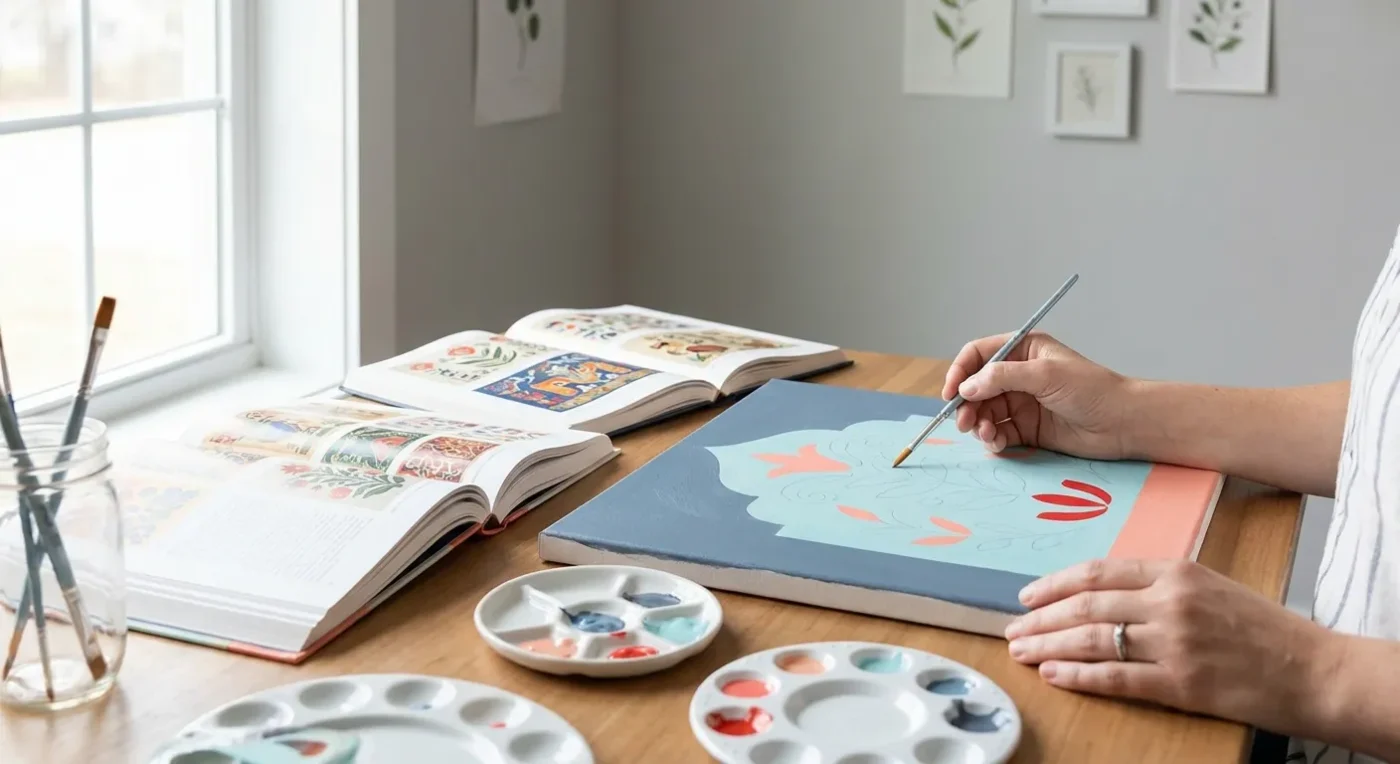

The world of folk art is rich with history, culture, and timeless beauty. For today’s decorative painter, exploring historical folk art patterns offers an endless wellspring of inspiration, providing not just design ideas but also a deeper connection to artistic traditions. From the intricate floral motifs of European peasant art to the vibrant geometric designs of various indigenous cultures, these patterns tell stories and embody the spirit of their creators. Understanding and adapting these historical elements can infuse your contemporary projects with authenticity and charm.
The Rich Tapestry of Historical Folk Art Patterns
Historical folk art patterns are incredibly diverse, reflecting the unique environments, beliefs, and daily lives of the communities that created them. Consider the bold, stylized flowers and swirling leaves characteristic of Pennsylvania Dutch hex signs and fraktur art, or the delicate, symmetrical designs found in Scandinavian Rosemaling. Mexican Talavera pottery features vibrant blues, yellows, and greens in intricate floral and animal patterns, while Ukrainian Pysanky eggs showcase geometric and symbolic motifs. Each tradition offers a distinct visual language. Studying these historical folk art designs provides insight into color palettes, compositional balance, and recurring symbols. You’ll notice how natural elements like flowers, birds, and leaves are often stylized and abstracted, yet remain instantly recognizable, making them perfect for modern interpretation. Furthermore, many of these patterns convey cultural meanings, adding another layer of depth to your artistic understanding.
Exploring Diverse Folk Art Traditions
Let’s delve deeper into some specific examples of traditional folk art designs that continue to inspire. Scandinavian Rosemaling, for instance, is characterized by flowing lines, C- and S-strokes, and fantastic flowers. Originating in the valleys of Norway, these decorative painting styles were often used to adorn furniture, walls, and wooden objects. Similarly, the vibrant and often whimsical motifs of Pennsylvania Dutch folk art, including distelfinks (thistle finches) and hearts, carry rich symbolic meanings related to luck, love, and happiness. These patterns are not merely aesthetic; they are deeply embedded in the cultural fabric of their origin. Learning about these backgrounds can greatly enrich your own creative process. Many artists find joy in researching the stories behind these traditional designs, which helps in creating more meaningful artwork.
Moving across continents, Indigenous American art offers a vast array of geometric and symbolic designs. Navajo weaving patterns, for example, incorporate intricate diamond and zigzag motifs, often reflecting natural landscapes or spiritual beliefs. Pottery from various Pueblo cultures features stylized animal figures, human forms, and abstract representations of rain and clouds. These artistic expressions are often passed down through generations, maintaining a strong link to ancestral practices. Understanding the reverence with which these designs were created can inspire a similar mindful approach to your own craft. Indeed, the precision and patience required for many of these traditional art forms are valuable lessons for any painter.
European folk art also presents a treasure trove of inspiration. Hungarian folk embroidery, for example, is famous for its dense floral patterns, often featuring tulips, roses, and carnations in bright, contrasting colors. Similarly, Russian Khokhloma painting uses a distinctive technique of painting on a gold background, often depicting berries, leaves, and flowers in red, black, and gold. The enduring popularity of these patterns speaks to their universal appeal and artistic merit. They demonstrate how simple elements can be combined to create complex and beautiful compositions. Moreover, these traditional art forms often highlight the beauty of everyday objects, transforming them into works of art.
Adapting History for Modern Decorative Projects
While direct replication of historical folk art patterns can be a valuable learning exercise, the true magic lies in adaptation. You don’t need to be a historian to draw inspiration. Start by identifying elements that appeal to you: a particular color scheme, a recurring motif, or a specific type of brushstroke. For example, you might take the scrolling vine element from a Rosemaling piece and incorporate it into a contemporary wooden box design, or adapt the vibrant color contrasts of a Mexican folk art piece for a painted mirror frame. Experiment with different scales, simplifying complex designs, or combining elements from various traditions. The goal is not to copy, but to let these historical designs spark your own creativity, allowing you to create pieces that feel both timeless and uniquely yours. Consider the context of your project – a rustic piece might benefit from a more traditional pattern, while a modern item could feature a simplified, bolder interpretation.
Techniques for Modernizing Folk Art Motifs
To effectively adapt these beautiful patterns, consider several techniques. Firstly, simplification can transform a complex traditional design into a clean, modern motif. This involves reducing the number of details, using bolder lines, and perhaps a more limited color palette. Secondly, abstraction allows you to take the essence of a traditional pattern, such as the movement of a Rosemaling scroll or the symmetry of a Pysanky egg design, and reinterpret it in a contemporary style. This might involve changing the medium or applying the pattern to an unexpected object.
Furthermore, consider integrating elements from different folk art traditions. Imagine combining the bold colors of Mexican folk art with the delicate brushwork inspired by Japanese decorative screens. This fusion can lead to truly innovative and personal expressions. You might also explore how different textures can enhance your adapted designs. For instance, using a crackle finish on a piece inspired by antique Swedish folk painting can add a charming, aged look. For more on achieving depth, consider exploring mastering glazing techniques in your projects.
Another approach is to change the scale or repetition of a pattern. A small motif from a traditional textile could be enlarged and used as a focal point on a large canvas. Alternatively, a single element from a complex design could be repeated to create a new, rhythmic pattern. The possibilities are truly endless when you approach traditional patterns with a modern, experimental mindset. Remember, the purpose is to honor the past while creating something new and exciting. This process allows you to develop your unique artistic voice.
Choosing the Right Project for Folk Art Inspiration
When selecting a project, think about how the characteristics of certain traditional designs can complement your chosen item. For instance, the rustic charm of American primitive folk art patterns might be perfect for decorating a wooden storage chest or a reclaimed furniture piece. Conversely, the elegant floral patterns of French toile could inspire a delicate design on a ceramic plate or a painted tray. The key is to match the spirit of the pattern with the function and aesthetic of your object.
Consider also the colors you use. While traditional folk art often employs specific palettes, you are free to experiment. A traditional design painted in contemporary, muted tones can create a surprisingly fresh look. On the other hand, using the original vibrant colors on a modern object can create an interesting juxtaposition. Don’t be afraid to experiment with color combinations that speak to you. You can find more ideas for transforming everyday items by visiting our article on upcycling everyday objects with decorative paint.
Many artists find it helpful to create a mood board or sketchbook dedicated to historical folk art patterns. Collect images, sketches, and color swatches that inspire you. This visual resource can be invaluable when you’re brainstorming new project ideas. It also helps to keep your artistic vision cohesive. Moreover, visiting museums or online archives dedicated to folk art can provide a wealth of primary source material. For example, the American Folk Art Museum offers extensive collections and resources. Similarly, the Victoria and Albert Museum in London has vast collections showcasing decorative arts from around the world.
The Enduring Legacy of Folk Art Designs
The beauty of studying historical folk art patterns lies in understanding their enduring appeal. These designs have transcended generations and geographical boundaries because they often draw upon universal themes: nature, community, celebration, and spirituality. They speak to a fundamental human desire for beauty and expression. By incorporating these elements into your own work, you become part of a continuous artistic dialogue that spans centuries.
Furthermore, engaging with these patterns helps preserve cultural heritage. Every time a decorative painter adapts a traditional motif, they are, in a way, keeping that tradition alive and relevant. This act of creative interpretation ensures that these designs continue to evolve and inspire new generations of artists. It’s a wonderful way to honor the past while contributing to the future of decorative arts. The process also encourages a deeper appreciation for the craftsmanship of historical artists.
Ultimately, drawing inspiration from historical folk art patterns is a rewarding journey that connects you to generations of artists. By delving into these rich traditions, you gain a deeper appreciation for the craft and discover countless ways to enrich your own decorative painting projects. Let the past guide your brush and inspire new, beautiful creations that carry forward the legacy of folk art. We encourage you to share your inspired creations with us, perhaps on our Blog or by reaching out via Contact.
Frequently Asked Questions About Folk Art Inspiration
What defines folk art patterns?
Folk art patterns are typically designs created by ordinary people, often within specific cultural or regional traditions. They are usually functional, decorative, and reflect the daily life, beliefs, and natural environment of their creators. These patterns are often passed down through generations, maintaining a distinct visual language and sometimes symbolic meanings.
How can I find good sources for traditional art designs?
Excellent sources for traditional art designs include museums, historical societies, and online digital archives. Books on cultural art, textiles, and decorative arts are also invaluable. Look for specific regional or ethnic art forms that pique your interest, such as Scandinavian Rosemaling or Pennsylvania Dutch fraktur. Many public libraries also have extensive collections.
Is it acceptable to change historical designs for my projects?
Absolutely! While direct replication can be a great learning tool, adaptation is highly encouraged for modern decorative projects. Artists often simplify, re-color, or combine elements from different traditional designs to create something unique and personal. The goal is to let these historical designs spark your own creativity, not to simply copy them. This approach allows for individual artistic expression.
What are some common motifs found in various folk art styles?
Common motifs across many traditional art styles include stylized flowers, leaves, birds, and other animals. Geometric shapes like stars, diamonds, and spirals are also prevalent. Hearts, human figures, and symbolic objects (like religious symbols or tools) appear frequently, often carrying specific cultural meanings. The choice of motifs often reflects the natural environment or spiritual beliefs of the community.
How do traditional patterns enhance contemporary painting?
Traditional patterns can significantly enhance contemporary painting by adding depth, authenticity, and a sense of timelessness. They provide a rich vocabulary of forms, colors, and compositions that can be reinterpreted in fresh ways. Incorporating these designs allows artists to connect with a broader artistic heritage, infusing their modern pieces with cultural resonance and unique visual interest. It also helps to develop a stronger artistic foundation.