
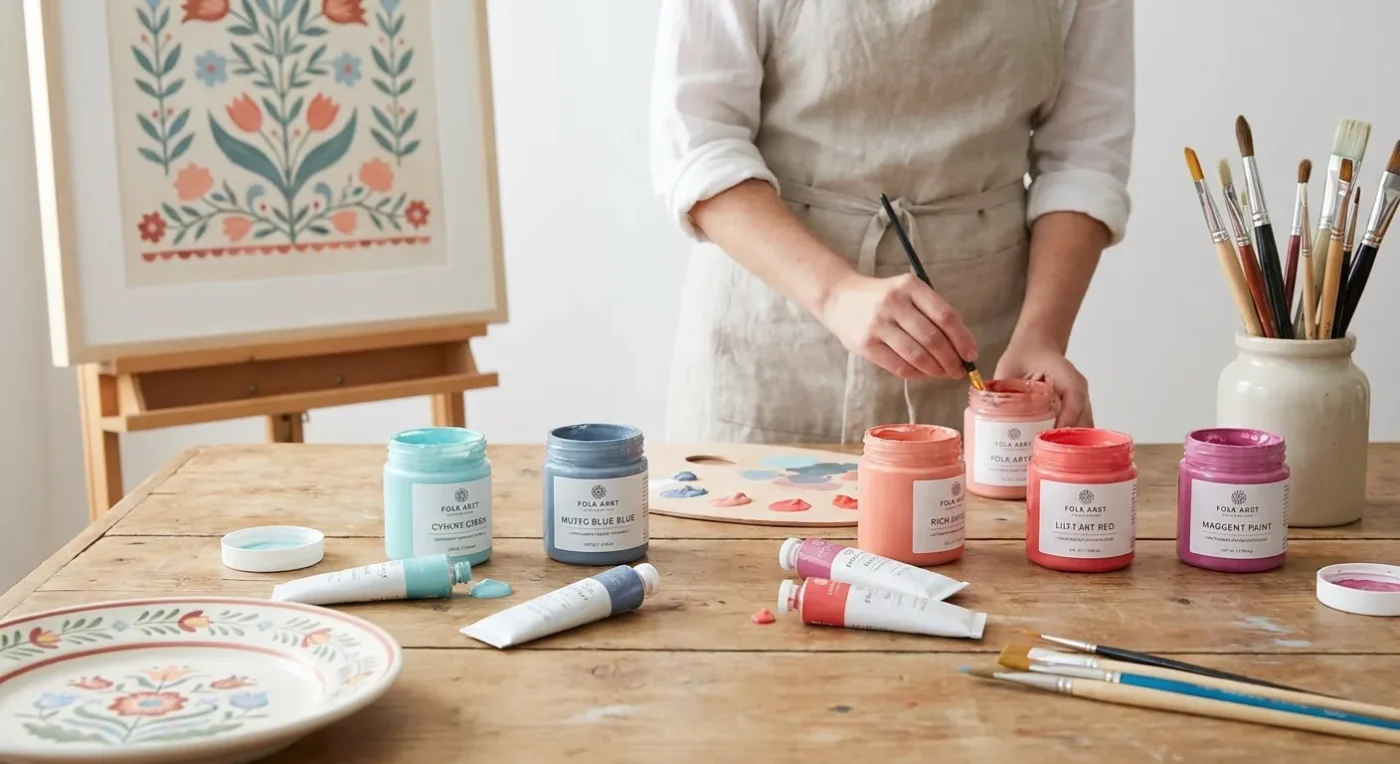

Deciding on the best paint folk art projects require can feel daunting, but understanding a few key types makes the choice clear and simple. The world of paints offers a dazzling array of options, from rich oils to quick-drying acrylics, each with its own characteristics. For the budding folk artist, selecting the right medium can significantly impact your experience and the final outcome of your piece. At Paint Works Mag, we’re here to demystify these choices and guide you toward the perfect paint for your very first decorative painting adventure, ensuring a positive and encouraging start.
Acrylics: The Folk Artist’s Best Friend
For beginners in folk and decorative painting, acrylics are overwhelmingly the top recommendation. Their versatility and ease of use make them an ideal starting point. Furthermore, they offer a forgiving nature that encourages experimentation, which is crucial for new artists.
Why Acrylics Reign Supreme for Folk Art Painting
- Fast-Drying: Acrylics dry quickly, allowing you to layer colors and complete projects in a shorter timeframe without long waiting periods. This feature is particularly helpful for artists eager to see their work progress.
- Water Cleanup: Brushes and palettes clean up easily with just soap and water, eliminating the need for harsh solvents. Consequently, this makes the painting process more enjoyable and less cumbersome.
- Versatile: They adhere well to a wide range of surfaces, including wood, canvas, paper, fabric, and even glass or metal with proper surface preparation. Therefore, you can explore various project ideas without needing different types of paint. To learn more about preparing different materials, consider our guide on How to Paint Different Surfaces for Decorative Art.
- Durable When Dry: Once dry, acrylics are permanent, flexible, and water-resistant, providing a durable finish for your artwork. This durability ensures your creations will last.
Types of Acrylics for Decorative Painting
- Craft Acrylics: These are typically found in larger bottles, are very affordable, and come in a vast array of colors. They are perfect for beginners and practice projects due to their smooth consistency and excellent coverage. Moreover, their cost-effectiveness allows for extensive practice without significant investment.
- Artist-Grade Acrylics: These come in tubes and have a higher pigment concentration, offering richer colors and a thicker consistency. While excellent, they are generally not necessary for your very first folk art projects. Save these for when you’ve gained more confidence and experience.
Getting Started with Acrylics: Essential Tips
Once you’ve chosen acrylics, knowing how to start can make a big difference. First, gather your supplies, including brushes, a palette, and a suitable surface. A good starting point is a simple wooden plaque or a canvas board. Next, always have water on hand to thin your paints and clean your brushes. In fact, keeping your brushes clean throughout the process is key to vibrant colors.
For beginners, understanding basic color mixing is also very helpful. Start with primary colors (red, blue, yellow) plus black and white. From these, you can create a surprising range of hues. Furthermore, don’t be afraid to experiment! Folk art often embraces a playful approach to color. Remember, the goal is to enjoy the process and build your skills. For those looking to add depth to their work, exploring Mastering Layering Techniques for Depth in Folk Art can be beneficial.
Tempera Paints: Great for Practice and Kids’ Crafts
While not typically used for finished, durable folk art pieces, tempera paints have their place, especially for practice. They offer a low-stakes way to explore painting without the permanence of other mediums. Consequently, they are ideal for initial sketches or color studies.
Pros and Cons of Tempera Paints
- Pros: Very affordable, washes easily from most surfaces and clothing, opaque, and dries quickly. These qualities make tempera a fantastic choice for stress-free creative sessions.
- Cons: Not waterproof when dry (can reactivate with water), not as permanent or durable as acrylics, and colors can be less vibrant over time. Therefore, they are not suitable for pieces intended for long-term display.
When to Use Them for Folk Art Practice
Tempera paints are excellent for initial practice strokes, experimenting with color mixing, or for temporary projects where durability isn’t a concern. They’re also fantastic for involving children in simple painting activities. For example, you might use tempera to practice specific brushstrokes before committing to your final project. This can help build confidence and refine your technique.
Oil Paints: For the Patient and Advanced (A Brief Mention)
Oil paints are renowned for their rich, luminous colors and long drying times, which allow for extensive blending and subtle transitions. However, for a beginner’s folk art project, they are generally not recommended. Their complex handling and cleanup requirements make them less suitable for initial explorations.
Characteristics of Oil Paints
- Slow Drying: Oil paints can take days or weeks to dry, offering an extended working time. This characteristic is a double-edged sword for beginners; it allows for extensive blending but also prolongs the project duration.
- Solvent Requirements: They typically require solvents like turpentine or mineral spirits for thinning and brush cleanup. This adds an extra layer of complexity and cost, as well as ventilation considerations.
- Rich Pigmentation: Oils are known for their deep, vibrant colors and ability to create smooth gradients. Consequently, they are favored by artists seeking a classic, painterly finish.
Considering Your Folk Art Project Surface
The surface you choose greatly influences the type of paint you’ll need. For instance, wood is a common choice for folk art. Acrylics adhere beautifully to sanded and primed wood. Canvas, another popular option, also works well with acrylics. If you’re planning to paint on fabric, special fabric mediums can be mixed with acrylics to make them flexible and washable. On the other hand, glass and metal require specific primers for acrylics to bond effectively. Always prepare your surface properly for the best paint folk art results.
Beyond Paint: Other Essential Folk Art Supplies
Choosing the best paint for your folk art journey is just one step. Several other supplies will enhance your painting experience. Firstly, a good set of brushes in various sizes and shapes is crucial. Flat brushes are excellent for broad strokes, while round brushes are perfect for details. Secondly, a palette for mixing colors is indispensable; a simple ceramic plate or a plastic palette will suffice. Furthermore, clean rags or paper towels are necessary for wiping brushes and correcting mistakes. Don’t forget a water container for cleaning brushes, too. Setting up an Ergonomic Home Painting Studio can also make your creative process more comfortable and efficient.
Understanding Paint Finishes and Effects
Paints come in various finishes, which can significantly alter the look of your folk art piece. Matte finishes are common in craft acrylics and provide a non-reflective surface, which is often desirable for a traditional folk art look. Satin finishes offer a subtle sheen, while gloss finishes are shiny and vibrant. Understanding these options allows you to select the best paint folk art projects need for your desired aesthetic. Moreover, you can achieve different textures by applying paint thickly or using specific tools. For example, some artists enjoy creating Textured Paint Finishes for added interest. Experimenting with these finishes can add another dimension to your work.
The Importance of Priming and Sealing Folk Art
Proper surface preparation, or priming, is essential for achieving the best results with any paint. A primer creates an even, adhesive surface for your paint, preventing it from soaking into porous materials like wood. For example, gesso is a popular primer for both wood and canvas. After your folk art piece is complete and fully dry, sealing it is equally important. A sealant protects your artwork from dust, moisture, and UV damage, ensuring its longevity. Various varnishes are available, from matte to gloss, allowing you to choose the finish that complements your piece. How to Seal Decorative Art Effectively offers comprehensive guidance on this crucial step.
Final Thoughts on Choosing the Best Paint for Folk Art
Ultimately, the journey of selecting the best paint folk art requires for a beginner is about exploration and enjoyment. Acrylics stand out as the most beginner-friendly option due to their quick drying time, easy cleanup, and versatility. Tempera paints offer a great, inexpensive way to practice, while oils are best left for later. Remember that the right paint is one that encourages you to create and experiment without intimidation. Don’t hesitate to start with craft acrylics; they are truly the best paint folk art can benefit from for new artists.
Embrace the process, learn from each stroke, and most importantly, have fun creating your unique decorative art pieces. The world of folk art is rich with possibilities, and with the right paint, your creative journey will be rewarding. Visit Golden Artist Colors for more in-depth information on acrylics, or explore Winsor & Newton for insights into oil painting, should you venture there in the future.
FAQ: Your Folk Art Painting Questions Answered
What kind of paint is best for beginners in decorative painting?
For beginners in decorative painting, acrylic paints are highly recommended. They are versatile, dry quickly, and clean up easily with water, making them very forgiving and enjoyable to work with.
Can I use craft paints for my first folk art project?
Absolutely! Craft acrylic paints are an excellent choice for your first folk art project. They are affordable, come in a wide range of colors, and provide good coverage, perfect for learning and practicing techniques.
What surfaces work best with acrylic paints for folk art?
Acrylic paints adhere well to many surfaces common in folk art, including wood, canvas, paper, and even fabric or glass with proper preparation. This versatility allows you to explore various project ideas.
Are there any paints I should avoid as a new folk artist?
As a new folk artist, it’s generally best to avoid oil paints for your initial projects. Their slow drying time and requirement for special solvents can be challenging for beginners. Tempera paints are great for practice but less ideal for permanent pieces.
How important is priming my surface before painting folk art?
Priming your surface is very important. It creates a smooth, consistent base for your paint, helps the colors appear more vibrant, and ensures better adhesion, especially on porous surfaces like wood. This step contributes significantly to the longevity of your artwork.